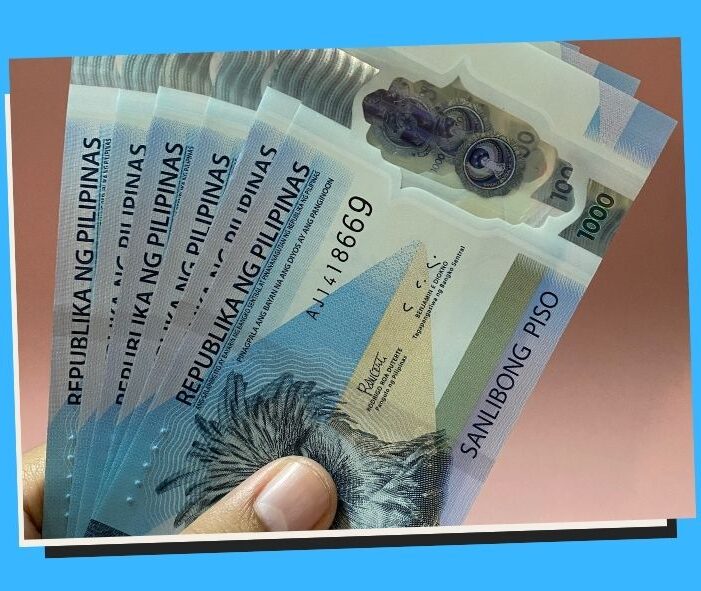
Stronger Peso, Cheaper Imports: How April’s Currency Surge Tamed Inflation
Rice prices fall, peso gains strength, and inflation dips below 2%. Explore how the economy is reshaping your financial future.
April 2025 Inflation in the Philippines: A Deep Dive into the Sub-2% Forecast
In April 2025, the Philippines is poised to experience a significant economic milestone: a projected inflation rate below 2%. This forecast, primarily attributed to declining food prices and favorable economic conditions, signals a period of economic stability and growth for the nation. RCBC’s Chief Economist, Michael Ricafort, anticipates a deceleration to 1.6% from March’s 1.8%, marking a continued trend of easing inflation.
Key Drivers of the Decline
1. Government Interventions
- Maximum Suggested Retail Price (MSRP) on Imported Rice: Implemented on January 20, 2025, this policy aimed to cap the prices of imported rice, ensuring affordability for consumers.
- Declaration of Food Security Emergency: On February 3, 2025, the government declared a food security emergency, facilitating measures to stabilize food supply and prices.
2. Global Market Trends
- Decline in World Rice Prices: Global rough rice prices have reached their lowest in over three years, influencing local markets and contributing to the reduction in rice prices domestically.
3. Agricultural Production
- Favorable Weather Conditions: Northern Luzon experienced improved weather, leading to increased agricultural output. This surge in production has enhanced local supply, particularly of vegetables like tomatoes, which saw a significant price drop due to oversupply.
4. Currency Exchange Rates
- Stronger Peso: The Philippine peso appreciated to the 56-level against the US dollar in April 2025, reducing importation costs and contributing to the overall easing of inflation.
Benefits of Lower Inflation
- Increased Purchasing Power: Consumers can buy more goods and services with the same amount of money.
- Economic Stability: Predictable inflation fosters a stable financial environment conducive to investment.
- Lower Interest Rates: Central banks may reduce interest rates, making borrowing more affordable.
- Encouragement of Savings: Stable prices incentivize individuals to save, knowing their money retains value over time.
- Business Confidence: Predictable costs allow businesses to plan and invest with greater certainty.
- Reduction in Poverty: Lower inflation helps maintain the real income of low-income households, reducing poverty levels.
- Improved Investment Climate: Stable inflation attracts both domestic and foreign investors.
- Enhanced Government Fiscal Health: Predictable inflation aids in accurate budgeting and fiscal planning.
- Stable Exchange Rates: Controlled inflation contributes to a stable currency, benefiting international trade.
- Consumer Confidence: Stable prices boost consumer confidence, leading to increased spending and economic growth.
Tips for Stakeholders
- Monitor Economic Indicators: Stay informed about inflation trends and economic policies.
- Adjust Pricing Strategies: Businesses should align pricing with current inflation rates to remain competitive.
- Review Investment Portfolios: Investors should consider the impact of low inflation on returns and adjust portfolios accordingly.
- Plan for Interest Rate Changes: Anticipate potential interest rate cuts and their effects on loans and savings.
- Evaluate Wage Policies: Employers should assess wage structures in light of changing inflation to maintain employee satisfaction.
- Enhance Supply Chain Efficiency: Businesses can capitalize on stable prices to optimize supply chains.
- Promote Savings: Encourage consumers to develop saving habits and build financial resilience.
- Support Agricultural Initiatives: Invest in agriculture to sustain food supply and price stability.
- Educate Consumers: Inform the public about the benefits of low inflation and prudent financial management.
- Collaborate with Policymakers: Engage in dialogues to shape policies that sustain economic stability.
Insights into the Current Economic Climate
- Sustained Inflation Control: The Philippines has maintained inflation within the BSP’s 2-4% target for nine consecutive months.
- Global Influence: International commodity prices significantly impact domestic inflation.
- Policy Effectiveness: Government interventions have proven effective in stabilizing prices.
- Agricultural Resilience: Enhanced agricultural output contributes to food price stability.
- Currency Strength: A stronger peso helps reduce import costs, which in turn influences inflation.
- Consumer Behavior: Stable prices encourage consumer spending, driving economic growth.
- Investment Opportunities: Low inflation creates a favorable environment for investment.
- Interest Rate Outlook: Potential for further BSP rate cuts exists, given the current inflation trend.
- Regional Variations: Inflation rates may vary across regions, influenced by local factors.
- Future Projections: Analysts anticipate continued low inflation in the coming months, unless unforeseen economic shocks occur.
Frequently Asked Questions (FAQ)
- What is the current inflation rate in the Philippines? As of April 2025, the projected inflation rate is 1.6%, down from 1.8% in March.
- What factors contributed to the decline in inflation? Key factors include government-imposed price controls, favorable weather conditions that boost agricultural output, and a stronger peso, which reduces import costs.
- How does low inflation benefit consumers? It increases purchasing power, allowing consumers to buy more with the same amount of money.
- What impact does low inflation have on businesses? It provides a stable environment for planning and investment, reducing uncertainty.
- Could inflation rise again soon? While current trends are favorable, factors such as global commodity prices and weather conditions may influence future inflation.
- How does the BSP respond to low inflation? The Bangko Sentral ng Pilipinas may adjust interest rates to maintain economic stability.
- What role does agriculture play in inflation? Agricultural output has a direct impact on food supply and prices, which in turn influence overall inflation.
- How does the exchange rate affect inflation? A stronger peso lowers import costs, contributing to reduced inflation.
- What measures can individuals take during low-inflation periods? Focus on saving and investing, as stable prices preserve the value of money.
- Where can I find official inflation data? The Philippine Statistics Authority (PSA) provides official inflation statistics.
As inflation continues to decline, the Philippines stands at an encouraging economic juncture. Government interventions, such as MSRP controls and food security initiatives, combined with market dynamics like lower global rice prices and improved agricultural yields, have converged to drive inflation below the 2% mark.
The 1.6% inflation estimate for April 2025 is not merely a statistical milestone—it’s a testament to strategic economic planning and resilient sectors like agriculture. This shift supports a more stable cost of living, fuels consumer confidence, and provides ample opportunity for businesses and investors to plan with greater certainty.
While this environment is beneficial, it also calls for proactive action from stakeholders—policymakers, businesses, and individuals alike. By staying informed, making strategic financial decisions, and supporting policies that promote economic resilience, the country can build on this momentum.
Looking forward, all eyes will be on the Philippine Statistics Authority’s official release on May 6. However, based on early indicators, the country appears to be on a promising trajectory for sustained economic stability and growth throughout 2025.
Conclusion
The projected sub-2% inflation rate for April 2025 marks a significant achievement for the Philippines, reflecting effective policy measures, favorable economic conditions, and a resilient agricultural sector. This environment not only benefits consumers through increased purchasing power but also fosters a stable climate for business and investment. As the nation continues on this path, sustained efforts and vigilant monitoring will be essential to maintain economic stability and growth.
Link Resources
- Philippine Statistics Authority – Inflation Reports
- Bangko Sentral ng Pilipinas – Monetary Policy
- RCBC Chief Economist Michael Ricafort’s Insights
- BusinessWorld – April Inflation Analysis
- Trading Economics – Philippines Inflation Rate
Key Phrases
- Sub-2% inflation
- Economic stability
- Government price controls
- Agricultural output
- Currency appreciation
- Consumer purchasing power
- Business investment climate
- Monetary policy
- Inflation trends
- Economic growth
Best Hashtags
#PhilippinesEconomy #InflationUpdate #EconomicGrowth #ConsumerPower #StablePrices #AgricultureImpact #CurrencyStrength #MonetaryPolicy #InvestmentClimate #EconomicStability

Oliver Bugarin – A blog writer with over a decade of experience in WordPress website creation and management, and creating articles on lifestyle, travel, technology, business, finance, and wellness. He is known for producing clear, engaging articles that resonate with readers and add value to any blog or website.
Contact him for collaborations or content writing opportunities. Facebook – LinkedIn
.
Save/Share this story with QR CODE
Disclaimer
This article is for informational purposes only and does not constitute endorsement of any specific technologies or methodologies and financial advice or endorsement of any specific products or services.
Contact Lead Media News
📩 Feel free to Contact Lead Media News for suggestions, collaborations, reviews, or anything else.





