Filipino Stories Take Center Stage: Philippine Book Festival 2026 Shatters Attendance and Sales Records
The 4th Philippine Book Festival wrapped up with record-breaking retail sales and nearly 39,000 visitors, proving that the hunger for Filipino-authored stories is stronger than ever.
A Literary Triumph: 39,000 Readers Converge for the 4th Philippine Book Festival in Manila
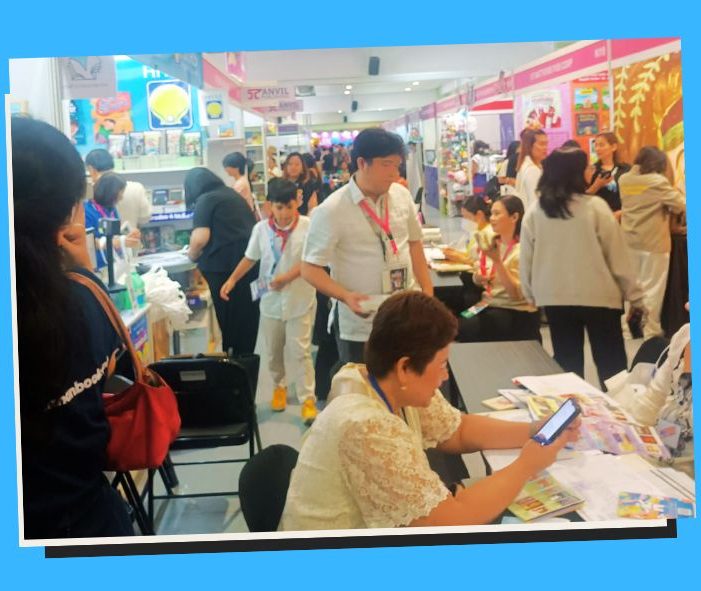
The local literary landscape achieved a historic milestone this March as the National Book Development Board (NBDB) successfully hosted the 4th Philippine Book Festival (PBF). In a vibrant display of cultural pride and economic vitality, the event drew nearly 39,000 visitors to Megatrade, surpassing previous retail sales benchmarks and cementing its status as the premier celebration of Filipino creativity.
The festival served as a massive bridge between creators and consumers, featuring over 100 publishers and a star-studded lineup of authors and illustrators. From high-level government support to the enthusiastic participation of grassroots “bookstagrammers” and student groups, the event demonstrated that when Filipino books are made accessible, the reading public responds with overwhelming passion. 📚
A Record-Breaking Celebration of the Written Word
The 2026 edition of the Philippine Book Festival was not just a market; it was a movement. NBDB Executive Director Charisse Aquino-Tugade reported a projected seven percent increase in retail sales compared to the previous year. This growth highlights a significant shift in consumer behavior, as more Filipinos prioritize local titles over imported bestsellers. The halls were filled with a diverse crowd, ranging from dedicated “Jonaxx Stories Lovers” to scholars seeking rare historical texts.
Unified Leadership for Literacy
The festival’s opening was marked by the presence of Department of Education Secretary Edgardo “Sonny” Angara, whose hands-on approach signaled a deep commitment to integrating local literature into the national curriculum. Secretary Angara spent hours engaging with small-scale publishers and independent illustrators, emphasizing that the Department of Education sees the PBF as a vital partner in improving national literacy rates. A poignant multilingual reading by NCCA Chair Eric Zerrudo and regional poets further underscored the festival’s mission to honor every language within the archipelago.
Dynamic Spaces for Art and Dialogue
One of the festival’s most popular hubs was the Bahay Ilustrador, where visual storytellers like Beth Parrocha and Randy Valiente conducted live workshops. These sessions transformed passive observers into active creators, providing them with the skills to begin their own storytelling journeys. Simultaneously, the Lugar Lagdaan (Signing Area) saw massive queues for literary heavyweights such as National Artist Ricky Lee, historian Ambeth Ocampo, and Jose “Butch” Dalisay. These interactions proved that the “rockstar” status of Filipino writers is very much alive.
Performing the Page
The PBF 2026 proved that stories are not limited to paper. The Fiesta Stage hosted a theatrical adaptation of “Malong: The Magic Cloth,” while the legendary rapper and poet Gloc-9 drew a massive crowd for the launch of his book, “Makata sa Pilipinas.” These performances, alongside moving readings from PWD poet John Brixter Tino, highlighted the inclusive nature of the festival, ensuring that voices from all walks of life, from the sons of fishermen to National Artists, were given a platform to shine.
Global Recognition and Institutional Partnerships
The international community has also taken note of the Philippines’ literary rise. Claudia Kaiser of the Frankfurt Buchmesse attended the event, praising the richness of Filipino culture following the country’s Guest of Honour status at the 2025 Frankfurt Book Fair. In a landmark move for institutional support, PhilPost announced a formal partnership with the NBDB to produce a commemorative stamp for the festival, a gesture that elevates the PBF to a permanent place in the nation’s postal history. 🇵🇭
Benefits
- Direct Market Access: Local publishers can sell directly to a massive audience, bypassing traditional retail hurdles.
- Cultural Representation: Highlights stories in various Philippine languages like Hiligaynon, Ilokano, and Maguindanao.
- Educational Integration: Connects 350 professional book evaluators with high-quality classroom materials.
- Career Development: Workshops at Bahay Ilustrador provide free professional training for aspiring artists.
- Community Building: Unites niche fanbases, such as Wattpad readers and comic book enthusiasts, in a physical space.
- Economic Boost: A 7% increase in sales provides much-needed capital for independent publishing houses.
- Institutional Recognition: Events like the National Book Awards provide prestige and validation for local creators.
- Literacy Promotion: Encourages children and young adults to see reading as an exciting, communal activity.
- Regional Inclusivity: Dedicated spaces for Mindanaoan and Northern Luzon literature ensure a national scope.
- Global Networking: Presence of international fair organizers opens doors for Filipino books to be translated and sold abroad.
Costing
The Philippine Book Festival remains a free-entry event for the general public, removing the financial barrier to cultural participation. For publishers, the NBDB provides subsidized booth spaces to ensure that even “indie” creators can afford to showcase their work alongside major publishing houses. The NBDB’s investment in training 350 book evaluators also represents a significant indirect financial benefit to the Department of Education, ensuring that public funds for school libraries are spent on the most relevant and high-quality Filipino titles.
Pros and Cons
| Pros of the PBF Model | Cons of the PBF Model |
| 1. High visibility for local authors. | 1. Venue capacity limits at peak hours. |
| 2. Strong synergy with government agencies. | 2. Concentration of events in Metro Manila. |
| 3. Diverse range of genres (Comics to History). | 3. High demand for signing sessions leads to long waits. |
| 4. Free workshops for the public. | 4. Logistics challenges for provincial publishers. |
| 5. Direct feedback from readers to creators. | 5. Limited shelf life for physical promotional materials. |
| 6. Inclusion of PWD and regional voices. | 6. Balancing pop culture with academic literature. |
| 7. Boosts the “Orange Economy” (Creative Industry). | 7. Reliance on annual government funding. |
| 8. Increases “Book Buys” through retail hype. | 8. Complexity of managing 100+ distinct booths. |
| 9. Real-time networking for librarians. | 9. Noise levels during stage performances. |
| 10. Strengthens the national identity. | 10. Difficulty in tracking long-term literacy impact. |
Case Studies
- The Debutante’s Win: First-time winner Lucia Asul won “Best Graphic Novel” at the National Book Awards, launching her career into the mainstream.
- The Digital-to-Physical Shift: Wattpad star Jonaxx moved thousands of physical copies, proving digital popularity translates to print sales.
- Regional Empowerment: Mindanaoan poets held a standing-room-only talk on independent publishing in the South.
- The Educator’s Choice: A school librarian from a remote province used the Aral Aklat realm to curate a 100% Filipino-authored library.
- The Visual Storyteller: A student who attended an illustration workshop produced their first zine by the end of the festival.
- Multilingual Invocation: The opening ceremony used three languages to read one poem, setting a precedent for linguistic inclusivity.
- The Rap-Lit Fusion: Gloc-9’s book launch proved that music fans are a primary market for contemporary Filipino poetry.
- Institutional Support: The DepEd Secretary’s extended visit resulted in new leads for public school book procurement.
- International Interest: The Frankfurt Buchmesse visit resulted in preliminary talks for more Filipino translations in Europe.
- Silent Success: Poet John Brixter Tino proved that niche, affecting poetry could still find a massive, respectful audience in a crowded mall.
Key Takeaways
- 39,000 Strong: The festival is now one of the most attended cultural events in the Philippines.
- Economic Growth: Sales are officially on an upward trajectory, growing by at least 7% this year.
- Unified Front: The NBDB and DepEd are more aligned than ever on literacy goals.
- Beyond Manila: There is a massive, untapped demand for this festival to travel to the provinces.
- The Power of Signing: Physical meetings between authors and readers are the #1 driver of book loyalty.
- Illustration Matters: Visual storytelling is a major entry point for young readers.
- Linguistic Diversity: Stories in regional languages are gaining the respect and space they deserve.
- Global Ambition: The Philippines is no longer just a consumer of books; it is a global exporter of talent.
- Youth Engagement: The “Jonaxx” phenomenon shows that Gen Z is reading, they just want relatable stories.
- A Sustainable Model: The partnership with PhilPost and NCCA shows the festival’s long-term institutional stability. 📖
Frequently Asked Questions
1. When is the next Philippine Book Festival?
While 2026 has concluded, the NBDB typically holds the event annually in the first quarter. Follow @nbdbphilippines for 2027 dates.
2. Is there an entrance fee?
No, the Philippine Book Festival is free and open to the public.
3. How can I get my book signed?
Visitors usually need to line up at the Lugar Lagdaan area. It is best to arrive early for popular authors like Ricky Lee or Ambeth Ocampo.
4. Are there books for children?
Yes, the Gubat ng Karunungan (Forest of Wisdom) section is specifically dedicated to children’s literature and storytelling.
5. Can I buy books in languages other than Tagalog or English?
Absolutely. The PBF features titles in various Philippine languages, including Ilokano, Hiligaynon, and Maguindanao.
6. What is “Aral Aklat”?
It is a dedicated section designed for educators and librarians to evaluate and select books for their schools.
7. Who organized the event?
The National Book Development Board (NBDB) is the primary organizer, with support from the DepEd and NCCA.
8. Was there any news about the National Book Awards?
Yes, the 43rd National Book Awards ceremony was a highlight of the 2026 festival, honoring 30 winning titles.
9. Can independent authors join?
Yes, the NBDB encourages “indie” publishers and authors to participate through various collective booths like Komiket.
10. What is the “Jonaxx” crowd?
These are fans of popular author Jonaxx, who significantly boost the festival’s attendance and merchandise sales.
Conclusion
The 4th Philippine Book Festival has proven that the “death of the book” was a premature diagnosis in the Philippines. By creating a space where the prestige of the National Book Awards meets the energy of pop-culture book signings, the NBDB has successfully cultivated a modern, inclusive literary ecosystem. As the festival looks toward 2027 and beyond, backed by a historic PhilPost partnership and international interest, it is clear that the stories of the Filipino people have finally found their most powerful platform yet.
Link Resources
- Official National Book Development Board (NBDB) Website
- National Commission for Culture and the Arts (NCCA)
- Department of Education (DepEd) Philippines
- Frankfurt Buchmesse Official Site
Key Phrases
- Philippine Book Festival 2026 highlights
- National Book Development Board events 2026
- Best Filipino books 2026
- 43rd National Book Awards winners
- Charisse Aquino-Tugade NBDB interview
- Filipino author signing sessions Manila
- Independent publishing in Mindanao
- DepEd support for local books
- Philippine Book Festival retail sales 2026
- Regional language literature Philippines
Best Hashtags
#PBF2026 #ReadLocalPH #PhilippineBookFestival #NBDB #FilipinoAuthors #BookAwardsPH #AralAklat #SupportLocalPublishers #ManilaEvents #LeadMediaNews

Oliver Bugarin – A blog writer with over a decade of experience in WordPress website creation and management, and creating articles on lifestyle, travel, technology, business, finance, and wellness. He is known for producing clear, engaging articles that resonate with readers and add value to any blog or website.
Contact him for collaborations or content writing opportunities. Facebook – LinkedIn
.
Save/Share this story with QR CODE
Disclaimer
This article is for informational purposes only and does not constitute endorsement of any specific technologies or methodologies and financial advice or endorsement of any specific products or services.
Contact Lead Media News
📩 Feel free to Contact Lead Media News for suggestions, collaborations, reviews, or anything else.





