Beyond Weaving: DOST-PTRI Unveils ‘ONWARD’ to Propel Local Natural Fibers Into a $58 Billion Global Market
The Department of Science and Technology leads a major manufacturing shift, helping nine local brands integrate high-value nonwoven textiles into everyday industries.
PRESS RELEASE
9 local manufacturers adopt DOST-PTRI’s nonwoven textile technologies for new applications
Philippines — The Department of Science and Technology – Philippine Textile Research Institute (DOST-PTRI), together with nine local manufacturers, is advancing the adoption of Philippine-made nonwoven textile technology through the launch of ONWARD: Philippine Nonwoven Textile Innovations, showcasing its applications in furniture, fashion, apparel, transportation, agriculture, construction, healthcare, and other emerging industries while expanding the country’s textile capabilities beyond traditional woven fabrics and opening opportunities for high-value manufacturing.
The initiative positions the country to participate in the rapidly growing global nonwovens market by transforming locally sourced natural fibers into advanced materials for industrial and consumer applications. It also marks DOST-PTRI’s next chapter in textile innovation after decades of advancing woven Philippine textiles. ONWARD now serves as the Institute’s brand for nonwoven textiles.
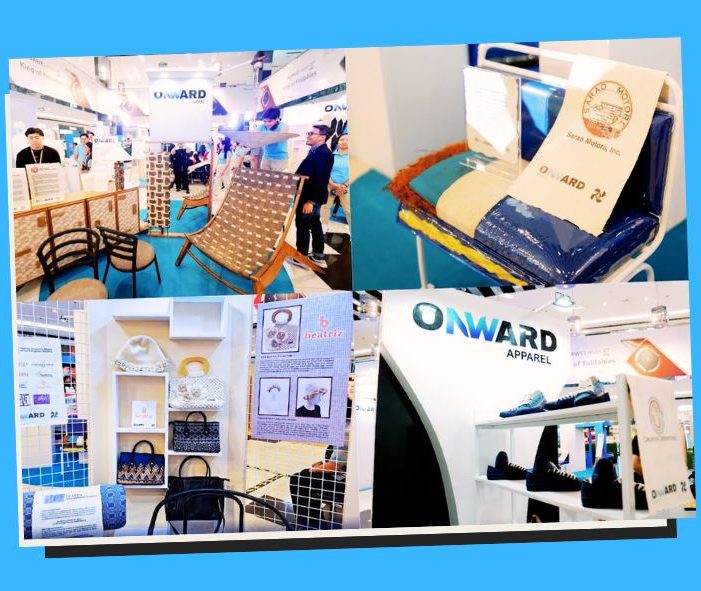
Nine local manufacturers and industry collaborators demonstrated the commercial potential of the technology, integrating DOST-PTRI-developed nonwoven materials into diverse applications during the official launch on July 1 at SM North EDSA.
In the furniture and interior design sector, Jed Yabut Furniture & Design incorporated banana-based nonwoven materials into chair cushions and pineapple-based nonwoven fibers were used as decorative twine, while also integrating the nonwoven materials into table panels, lampshades, and leather-like strips for chairs. Furniture manufacturer La Likha utilized nonwoven materials in sofa backings and is exploring alternatives to conventional foam and synthetic leather. JunkNot likewise utilized nonwoven materials for chair cushions, home furnishings, and decor pieces, highlighting environmentally conscious design.
One of the country’s most iconic jeepney manufacturers, Sarao Motors, demonstrated how nonwoven materials can reinforce jeepney seat upholstery and cushions to improve durability and passenger comfort, while exploring future applications for dashboards, ceiling panels, and door components. Fivecent Global Corporation showcased agricultural applications through packaging and mulching for plants and fruits, while fashion designer Renz Reyes demonstrated the potential of nonwovens in apparel.
The technology also extends to footwear, fashion accessories, and construction. Longtime partner, Creative Definitions, integrated nonwoven materials into shoe uppers and insoles. Fashion Accessory Makers of the Philippines (FAMPh) developed bag linings, laptop and tablet sleeves, jewelry, and hair accessories, while Base Bahay Foundation Inc. is exploring nonwoven materials for innovative construction systems.
According to DOST Secretary Dr. Renato U. Solidum Jr., nonwoven textiles present a significant opportunity for the country to participate in rapidly expanding textile markets.
“The global nonwoven market is now valued at around US$58 billion and is projected to reach US$75 billion, with the Asia-Pacific region accounting for nearly half of global demand. This presents a tremendous opportunity for Filipino innovation,” Secretary Solidum said in his recorded keynote message.
He added that the expanding market creates opportunities for Filipino manufacturers, designers, researchers, and entrepreneurs to develop high-value products, generate jobs, and strengthen the country’s manufacturing competitiveness.
For DOST-PTRI Director IV Dr. Julius L. Leaño Jr., ONWARD, the Institute’s name for nonwoven textiles, represents more than a technological milestone, as it signals a shift in how Philippine natural fibers can create greater value beyond conventional woven textiles.
“Through ONWARD, our nonwoven textiles, we push Telang Pinoy forward. ONWARD is about the choices that we make—choosing a cleaner, safer, friendlier, and kinder Earth. It is about making better choices for our future. Let ONWARD become part of those meaningful choices we make today,” Leaño said.
Further strengthening the country’s nonwoven ecosystem, DOST-PTRI also announced that its Nonwovens Center will open in January 2027. The facility will house specialized processing equipment and serve as a research laboratory, innovation hub, product showroom, and collaborative space where government, industry, startups, and researchers can co-develop next-generation nonwoven products for Philippine industries.
With ONWARD, DOST-PTRI and its industry collaborators are laying the foundation for a more diversified Philippine textile industry, where locally developed nonwoven technologies can unlock new markets, strengthen manufacturing, and create sustainable opportunities for Filipino enterprises.
For more information on ONWARD, visit ptri.dost.gov.ph/ or facebook.com/ptri.dost.
Benefits of DOST-PTRI’s Nonwoven Innovations
- Agricultural Waste Monetization: Transforms discarded banana pseudostems and pineapple leaves into premium industrial commodities, providing extra income for farmers.
- Elevated Durability for Transit: Provides high-tensile reinforcement for public transport vehicle interiors, reducing long-term maintenance costs for drivers.
- Eco-Friendly Synthetic Alternatives: Replaces petroleum-based plastics and synthetic foams in furniture production with biodegradable organic materials.
- Enhanced Agricultural Yields: Offers protective crop mulching and packaging options that shield crops from pests and extreme weather conditions.
- Structural Integrity in Construction: Introduces lightweight, fibrous reinforcements into low-cost housing systems to improve insulation and flexibility.
- Lower Production Carbon Footprint: Nonwoven processing generally requires fewer intensive energy cycles compared to traditional high-speed mechanical weaving.
- Economic Diversification: Expands the local textile ecosystem into medical, automotive, and agricultural sectors instead of relying solely on apparel.
- Apparel and Footwear Innovation: Provides fashion designers with a sturdy, textured, and highly customizable alternative for structural garments and shoes.
- Centralized Research Access: The upcoming 2027 Nonwovens Center gives small enterprises and startups free access to high-tech industrial machinery.
- Global Competitiveness: Equips homegrown Filipino brands with the standards required to export high-value components to the massive Asia-Pacific market.
Insights: What This Means for the Landscape
- The Evolution of ‘Telang Pinoy’: Local textiles are moving from cultural novelty items into heavy-duty industrial applications, proving their utility in tough environments.
- AI and Modern Machinery Readiness: Nonwoven production allows for automated, scalable manufacturing patterns that blend well with modern industrial setups.
- Strategic Import Substitution: By producing high-grade technical fabrics locally, the Philippines can reduce its reliance on imported synthetic liners.
- Consumer Push for Circularity: The involvement of brands like JunkNot shows that modern consumers are willing to pay for transparently sourced, upcycled home goods.
- Upgrading Public Transport Standards: Sarao Motors’ participation signals a trend toward making public utility vehicles more comfortable and durable for commuters.
- A New Wave of Green Jobs: Processing local natural raw materials creates a decentralized supply chain, opening job opportunities in rural farming provinces.
- The Power of Institutional Backing: Merging state-backed science (DOST) with private enterprise ensures that academic research is commercially viable.
- Setting New Regional Standards: With APAC driving half of the global nonwoven demand, the Philippines can become a regional leader in organic nonwoven certification.
- Infrastructure as a Catalyst: The gap between the 2026 launch and the 2027 research facility gives industries time to pilot products before moving into mass production.
- A Model for Circular Design: This initiative demonstrates how cross-sector collaborations can successfully address climate concerns while boosting industrial revenues.
Conclusion
The launch of the ONWARD brand marks a major milestone in the country’s industrial development. By successfully turning agricultural fibers into advanced components for transit, construction, and consumer goods, DOST-PTRI and its nine manufacturing partners are creating a stronger, more self-reliant economy. As the country prepares for the opening of the dedicated Nonwovens Center in 2027, the Philippines is clearly moving away from basic raw material exports and stepping into high-value, sustainable manufacturing.
Link Resources
- DOST-PTRI Official Portal
- Department of Science and Technology (DOST) Philippines
- DOST-PTRI Official Facebook Page
- Sarao Motors Historic Archive & Updates
- Base Bahay Foundation Green Building Research
Key Phrases
- DOST-PTRI nonwoven textile innovations 2026
- ONWARD Philippine natural fiber technology
- High value manufacturing local textiles
- Global nonwoven market growth statistics
- Sarao Motors nonwoven jeepney upholstery
- Banana and pineapple fiber commercial applications
- Sustainable furniture materials Philippines
- DOST Nonwovens Center opening 2027
- Eco friendly industrial textiles Manila
- Dr Julius Leaño Telang Pinoy initiative
Best Hashtags
#ONWARD2026 #DOSTPTRI #TelangPinoy #TextileInnovation #SustainableManufacturing #PhilippineFibers #EcoFriendlyTech #SaraoMotors #GreenDesignPH #FilipinoIngenuity

Oliver Bugarin – A blog writer with over a decade of experience in WordPress website creation and management, and creating articles on lifestyle, travel, technology, business, finance, and wellness. He is known for producing clear, engaging articles that resonate with readers and add value to any blog or website.
Contact him for collaborations or content writing opportunities. Facebook – LinkedIn
.
Save/Share this story with QR CODE
Disclaimer
This article is for informational purposes only and does not constitute endorsement of any specific technologies or methodologies and financial advice or endorsement of any specific products or services.
Contact Lead Media News
📩 Feel free to Contact Lead Media News for suggestions, collaborations, reviews, or anything else.





