How Eating Seasonally Helps You Eat Healthier and Support Local Filipino Farmers
Find out what’s fresh and flavorful this month with our guide to eating seasonally in the Philippines.
Eating Seasonally in the Philippines: What’s in Season Now?
Eating seasonally is more than just a food trend; it is a celebration of nature, a cultural tradition, and a healthier, more sustainable way of life. In the Philippines, where the archipelago’s biodiversity offers a bounty of local fruits, vegetables, and seafood year-round, knowing what is in season can help you eat fresher, tastier, and more responsibly. 🌱
Let’s explore what seasonal eating means for Filipinos, discover what is currently in season, and learn how this simple shift can transform your meals and your mindset.
Benefits of Eating Seasonally in the Philippines
- Fresher Ingredients
Foods harvested in season are picked at their peak, making them more flavorful and nutrient-dense. - Cost-Effective
In-season produce is typically more abundant and cheaper due to lower transportation and storage costs. - Supports Local Farmers
Buying local seasonal food uplifts Filipino farmers and strengthens the rural economy. - Eco-Friendly
Seasonal foods have a lower carbon footprint because they don’t require long-distance shipping or artificial environments. - Culturally Relevant Meals
Traditional Filipino recipes often align with seasonal harvests, making meals more authentic. - Reduces Food Waste
When foods are eaten during their peak, they are less likely to spoil quickly. - Enhances Health
Eating seasonal fruits like mangoes or pomelos provides your body with nutrients that are appropriate for the climate and season. - Encourages Variety
Rotating your diet with the seasons brings a diverse array of nutrients to your plate. - Better Tasting Food
Seasonal produce often has superior texture, aroma, and flavor. - Deepens Cultural Connection
Eating with the seasons allows Filipinos to reconnect with food traditions and agricultural cycles.
What’s in Season Now in the Philippines?
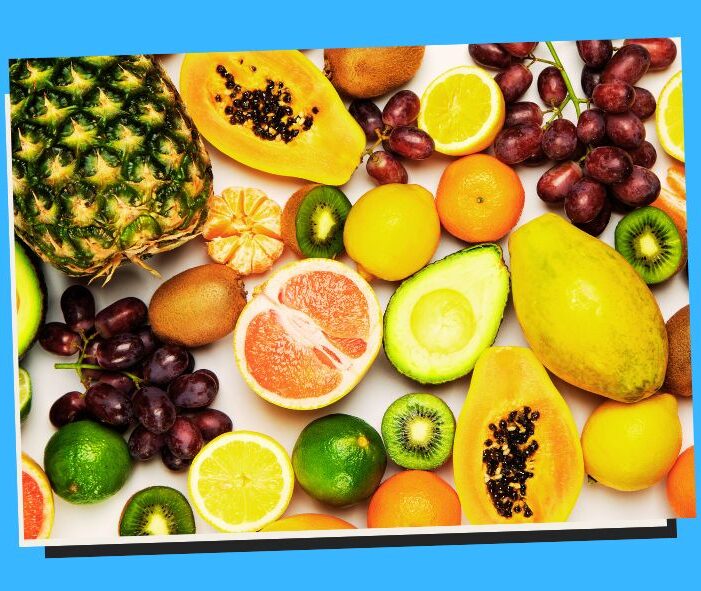
Here’s a look at some of the seasonal harvests you can enjoy from April to June:
Fruits:
- Mango (Manggang Kalabaw and Indian Mango)
- Lanzones
- Avocado
- Pineapple
- Chico
- Watermelon
- Melon
- Rambutan
Vegetables:
- Ampalaya (Bitter Gourd)
- Talong (Eggplant)
- Kalabasa (Squash)
- Okra
- Kamote (Sweet Potato)
- Labanos (Radish)
Seafood:
- Alimango (Mud Crab)
- Tilapia
- Bangus (Milkfish)
- Galunggong (Round Scad)
- Pusit (Squid)
Enjoy these at your local palengke or try incorporating them into recipes like ensaladang mangga, ginataang kalabasa, or grilled bangus.
Practical Tips for Eating Seasonally
- Visit Wet Markets Weekly – Talk to vendors about what’s freshly harvested.
- Use Seasonal Guides – Keep a monthly fruit and vegetable chart handy.
- Grow Your Own – Even a few herbs or tomatoes can help you stay in sync with the seasons.
- Join a CSA (Community Supported Agriculture) – Get curated local produce boxes delivered.
- Preserve for Later – Pickle or dry seasonal items to enjoy them longer.
- Cook in Batches – Use your seasonal finds in soups, stews, or as a base for frozen meals.
- Follow Local Food Blogs – They often highlight what’s fresh and how to cook it.
- Swap Recipes by Season – Adjust recipes like sinigang or ginataan depending on what’s available.
- Ask for Seasonal Menus – Support restaurants that update dishes based on local harvests.
- Celebrate Regional Festivals – Many revolve around harvest times, like the Pahiyas Festival in Lucban.
Insights About Filipino Seasonal Eating
- Seasonal foods vary by region – What’s in season in Luzon may differ from what’s in season in Mindanao.
- Typhoons affect availability – Weather patterns heavily influence harvest success.
- Indigenous knowledge leads the way – Many ancestral diets were already adapted to seasonal changes.
- Modern groceries disrupt seasonality – Imports and refrigeration make non-seasonal items available, but at a cost.
- Traditional dishes mirror the seasons – Think of halo-halo during mango season.
- Street food adapts to seasons – More tropical fruits appear in summer snacks.
- Many schools now teach seed-saving – a push for sustainability through education.
- Tourism supports farm-to-table – Eco-tourism packages often include seasonal meals.
- Youth awareness is rising – Gen Z Filipinos are driving sustainable food trends.
- Climate change challenges predictability – More erratic harvests call for adaptive consumption.
Case Studies on Seasonal Eating in the Philippines
- Baguio Farmers Market – Tourists and locals flock here for seasonal greens like pechay and sayote.
- Palawan Eco Resorts – Many now serve only what is harvested locally and seasonally.
- Mango Festival in Zambales – Celebrating peak mango harvests with community feasts.
- Urban Gardens in Metro Manila – Families grow kamote tops, sili, and herbs seasonally in small spaces.
- Ilocos Farming Co-ops – Regional co-ops profit more by aligning crop cycles with peak demand.
- School Gardening Programs – Rural schools plant seasonal veggies to supplement canteen meals.
- Cebu Farm-to-Table Cafés – Menus change monthly depending on what is harvested nearby.
- Mindanao’s Marang Harvest – Local tribes preserve and sell fruit when it peaks in abundance.
- Organic Fairs in Quezon City – Highlight seasonal, pesticide-free options for conscious buyers.
- Kalinga Coffee and Produce Initiatives – Indigenous farmers’ time planting and harvest to match climate patterns.
Frequently Asked Questions (FAQs)
Q1: Why should I eat seasonally?
A: It’s healthier, tastier, cheaper, and supports the environment.
Q2: How do I know what’s in season?
A: Visit local markets, ask vendors, or use seasonal food calendars.
Q3: Are there apps for this in the Philippines?
A: Yes, some agriculture-focused apps and food blogs list seasonal items on a monthly basis.
Q4: Is seasonal food always cheaper?
A: Generally, yes, due to its local abundance.
Q5: Can I still eat imported produce?
A: Occasionally, yes. But local, seasonal options are often better for health and sustainability.
Q6: What about food safety?
A: Locally grown, seasonal produce tends to have fewer preservatives or chemicals.
Q7: Can eating seasonally help with diet variety?
A: Absolutely, it introduces new ingredients every few months.
Q8: How do restaurants plan seasonal menus?
A: Many consult with local farmers or rotate dishes monthly.
Q9: Are there festivals celebrating seasonal food?
A: Yes, such as the Mango Festival, Pahiyas, and Sinulog’s harvest feasts.
Q10: Can children benefit from seasonal eating?
A: Yes, it fosters healthy eating habits and food education early on.
Conclusion: A Fresh Start with Every Season
Eating seasonally in the Philippines is not only a return to tradition, it is a smart, healthy, and sustainable way to nourish your body and connect with your culture. By choosing in-season fruits, vegetables, and seafood, you can enjoy fresher flavors, support local farmers, and minimize your environmental impact. 🍍
Whether you are a home cook, a foodie, or simply someone who wants to eat better, let the rhythm of nature guide your plate. The next time you walk through your local market, look for what’s abundant, ask vendors what just came in, and make your next meal a celebration of what the Philippines has to offer right now, this season.
Link Resources
- Department of Agriculture – Philippines
- Bureau of Plant Industry – Seasonal Crops
- Philippine Harvest by DOT
- Slow Food Philippines
- National Nutrition Council
Key Phrases
- Seasonal produce in the Philippines
- Filipino fruits in season
- Eat local, eat fresh
- What’s in season now in the Philippines
- Healthy Filipino eating habits
- Support Filipino farmers
- Farm-to-table Philippines
- Sustainable Filipino food
- Palengke fresh food guide
- Traditional Filipino seasonal dishes
Best Hashtags
#EatSeasonally
#PhilippinesInSeason
#LocalIsLokal
#FilipinoFood
#HealthyPinoy
#PalengkePicks
#SupportLocalFarmers
#SustainableEating
#TropicalBounty
#FarmToTablePH

Oliver Bugarin – A blog writer with over a decade of experience in WordPress website creation and management, and creating articles on lifestyle, travel, technology, business, finance, and wellness. He is known for producing clear, engaging articles that resonate with readers and add value to any blog or website.
Contact him for collaborations or content writing opportunities. Facebook – LinkedIn
.
Save/Share this story with QR CODE
Disclaimer
This article is for informational purposes only and does not constitute endorsement of any specific technologies or methodologies and financial advice or endorsement of any specific products or services.
Contact Lead Media News
📩 Feel free to Contact Lead Media News for suggestions, collaborations, reviews, or anything else.





