World Bank Supports Philippines’ Effort to Strengthen Community Resilience with USD 700 Million Loan
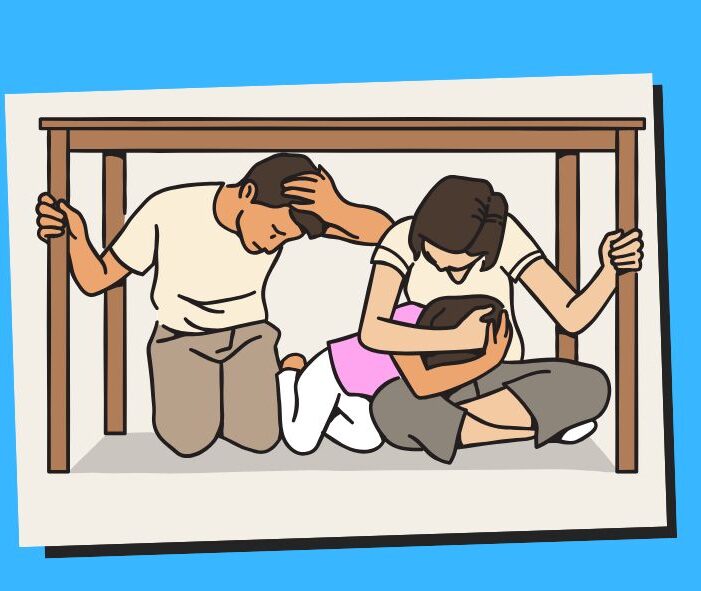
The Philippines Community Resilience Project, backed by the World Bank, aims to help vulnerable communities build sustainable livelihoods and improve infrastructure to withstand future disasters.
World Bank Supports Philippines’ Community Resilience Efforts with USD 700 Million Loan
MANILA, Philippines – In a significant step toward enhancing the country’s climate resilience, the World Bank has approved a USD 700 million loan to support the Philippines’ efforts to strengthen the community resilience of 18 million households. This financial assistance is part of the larger USD 874.35 million Philippines Community Resilience Project. The government of the Philippines will contribute the remaining USD 174.35 million, bringing the total project cost to nearly USD 875 million.
The project aims to empower local communities in identifying climate-related risks and natural hazards, developing and implementing resilience plans to address these challenges, and promoting sustainable livelihoods. The loan represents a proactive move by the World Bank and the Philippine government to foster long-term resilience against climate change, protect vulnerable populations, and ensure sustainable community development in the face of increasingly frequent and severe environmental events.
In a statement, Zafer Mustafaoğlu, World Bank Division Director for the Philippines, Malaysia, and Brunei, emphasized the importance of community-driven efforts in building resilience. “By empowering local communities to take the lead in building resilience against climate change and disaster risks, the Philippines is not only addressing immediate environmental challenges but also fostering a culture of proactive engagement and resilience,” Mustafaoğlu said. This collaboration marks a critical moment in the ongoing global effort to combat the adverse effects of climate change, with a clear focus on grassroots participation and national cooperation.
Key Focus Areas of the Community Resilience Project
The Philippines Community Resilience Project focuses on building resilience across multiple dimensions, from infrastructure to livelihoods. Here are the key focus areas:
- Climate and Natural Hazard Risk Identification: The project will engage local communities in identifying the specific climate and natural hazards that pose the greatest risks to their regions. This approach ensures that local knowledge and expertise are integral to the resilience-building process.
- Resilient Infrastructure Development: The project will prioritize building and upgrading infrastructure to withstand extreme weather events. This includes projects such as flood and drought mitigation, landslide and slope protection, surge protection, and breakwaters. Additionally, there will be retrofitting of existing infrastructure to make it more resilient to extreme conditions.
- Sustainable Livelihoods: A major component of the project is its focus on creating sustainable livelihoods for vulnerable communities. It will promote nature-based solutions, such as agroforestry, and support ecosystem conservation through initiatives like community forests, wetlands, and waterways. These efforts aim to restore and protect ecosystems while providing long-term economic benefits to local communities.
- Technical Support and Capacity Building: The project will provide technical support to community volunteer groups for the implementation of sub-projects. Additionally, training and capacity building will be provided to local government units (LGUs) and community members to enhance their ability to plan for and respond to climate-related challenges.
- Vulnerable Populations Support: The project will target the most vulnerable groups, including Indigenous Peoples (IP), women, and households benefiting from the Pantawid Pamilyang Pilipino Program (4Ps). It will also ensure that these populations are included in resilience planning, decision-making, and implementation processes.
Benefits of the Philippines Community Resilience Project
- Enhanced Disaster Preparedness: By identifying local risks and developing specific resilience plans, communities will be better prepared to handle future natural disasters.
- Improved Infrastructure: The project will provide stronger, more durable infrastructure capable of withstanding floods, droughts, and other climate-related challenges.
- Environmental Sustainability: Through nature-based solutions like agroforestry and ecosystem conservation, the project will promote sustainable environmental practices that benefit both communities and the planet.
- Economic Stability: Building resilience will safeguard livelihoods by ensuring that communities can withstand economic disruptions caused by climate events, such as crop failures or supply chain interruptions.
- Empowerment of Local Communities: By involving communities in the planning and implementation processes, the project fosters a sense of ownership and agency, empowering people to take control of their resilience strategies.
- Job Creation: The development and maintenance of resilient infrastructure will create numerous jobs in vulnerable communities, reducing poverty and improving economic stability.
- Inclusive Growth: The focus on vulnerable groups, such as women and Indigenous Peoples, ensures that resilience efforts are inclusive and equitable.
- Protection of Ecosystems: The emphasis on ecosystem-based approaches ensures that natural resources, like forests and wetlands, are preserved, enhancing biodiversity and mitigating the impacts of climate change.
- Strengthened National Institutions: With support for local governments and volunteer groups, the project strengthens the capacity of national and local institutions to plan for, respond to, and recover from disasters.
- Global Recognition for Resilience Efforts: This project aligns with global climate resilience frameworks and enhances the Philippines’ reputation as a proactive leader in climate adaptation.
Tips for Strengthening Community Resilience
- Invest in Infrastructure: Build infrastructure that can withstand extreme weather, such as flood barriers, water reservoirs, and strong housing materials.
- Promote Nature-Based Solutions: Encourage the use of local ecosystems, like mangroves and forests, to naturally mitigate disaster risks.
- Foster Community Engagement: Involve local people in identifying risks and developing solutions tailored to their unique circumstances.
- Train Local Leaders: Provide training to local leaders and government officials to improve disaster response and resilience planning.
- Diversify Livelihoods: Encourage communities to diversify their sources of income to reduce dependency on sectors vulnerable to climate change, such as agriculture.
- Adopt Early Warning Systems: Develop and implement early warning systems to alert communities to impending disasters and provide time for preparation.
- Promote Environmental Education: Educate communities about the impacts of climate change and the importance of environmental conservation.
- Strengthen Local Networks: Build strong networks of community groups, NGOs, and government agencies to improve coordination in disaster response.
- Use Technology for Data-Driven Decisions: Leverage technology to gather real-time data on environmental risks, improving decision-making and response.
- Secure Financial Support: Advocate for government and private sector investments in resilience-building projects to ensure sustainable funding.
Insights on the Project’s Impact and Importance
- Community-Led Resilience: The project’s emphasis on community-led approaches ensures that resilience strategies are not only effective but also culturally appropriate and locally relevant.
- Long-Term Sustainability: By focusing on sustainable livelihoods and ecosystem conservation, the project sets the foundation for long-term economic and environmental stability.
- Indigenous Peoples’ Involvement: By targeting municipalities with a high indigenous population, the project ensures that Indigenous Peoples, who are often the most vulnerable, are included in the resilience-building process.
- Strengthening Local Governments: The project’s capacity-building efforts will equip local governments to respond more effectively to future disasters and adapt to climate change.
- Catalyst for Nationwide Resilience: With its focus on 500 climate-vulnerable municipalities across the country, the project could become a model for resilience-building nationwide.
- Enhanced Community Ownership: The project’s participatory approach empowers communities to take charge of their own resilience strategies, leading to stronger, more sustainable outcomes.
- Climate Change Adaptation: The project focuses on adaptive strategies that help communities mitigate and cope with the impacts of climate change, fostering resilience.
- Women’s Empowerment: Prioritizing women in resilience efforts helps empower them to take leadership roles in their communities, improving overall disaster preparedness.
- Addressing Climate Justice: By targeting vulnerable populations, the project contributes to the fair distribution of resources, addressing the disproportionate impacts of climate change on poor communities.
- Global Climate Commitments: The project aligns with the Philippines’ international climate commitments, contributing to global efforts to combat climate change and build resilience.
Frequently Asked Questions (FAQ)
Q1: How does the Philippines Community Resilience Project contribute to disaster risk management?
A1: The project helps communities identify climate and natural hazard risks, develop resilience plans, and implement them through funding for resilient infrastructure and sustainable livelihoods.
Q2: What is the role of the World Bank in this project?
A2: The World Bank is providing a USD 700 million loan for the project and offering technical support to ensure effective implementation, focusing on sustainability and resilience.
Q3: How will this project benefit Indigenous Peoples?
A3: The project specifically targets municipalities with significant Indigenous populations, ensuring that they have a voice in resilience planning and benefit from project investments.
Q4: What types of projects will be funded under this initiative?
A4: The project will fund flood mitigation, drought control, ecosystem conservation, retrofitting of infrastructure, and other nature-based solutions for resilience.
Q5: How will local communities be involved in the project?
A5: Local communities will participate in identifying risks, planning resilience measures, and implementing projects with support from government agencies and the World Bank.
Q6: What is the timeline for the Philippines Community Resilience Project?
A6: The project will be implemented over several years, with a focus on achieving long-term sustainability and building local capacity.
Q7: How will the project support women’s participation in resilience-building?
A7: The project includes specific initiatives to empower women in non-traditional roles, encouraging their active participation in decision-making processes.
Q8: What are nature-based solutions, and how will they help?
A8: Nature-based solutions involve leveraging natural systems, such as forests and wetlands, to mitigate climate risks. These solutions are cost-effective and environmentally friendly.
Q9: How will this project contribute to poverty reduction?
A9: By strengthening community resilience, creating jobs, and improving local infrastructure, the project will help reduce poverty and improve the quality of life in vulnerable areas.
Q10: Who will manage the project’s implementation?
A10: The Department of Social Welfare and Development (DSWD) will lead the project’s implementation through a community-driven development approach, working with local governments and communities.
Conclusion: A Step Toward Building a Resilient Future
The Philippines Community Resilience Project, backed by the World Bank’s USD 700 million loan, represents a bold and essential step toward strengthening the country’s ability to withstand the growing threats of climate change and natural disasters. By empowering local communities, providing technical support, and prioritizing vulnerable populations, the project sets a strong foundation for building long-term resilience across the Philippines. As the country faces increasingly frequent and severe environmental challenges, the collective effort to enhance community resilience will play a crucial role in safeguarding lives, protecting economic stability, and fostering sustainable growth.
Link Resources
- World Bank Philippines – Learn more about the World Bank’s projects and contributions to the Philippines.
- Philippine Government’s Climate Change Commission – Stay informed about the country’s climate change strategies and policies.
- Department of Social Welfare and Development (DSWD) – Access information on how the DSWD is implementing the Community Resilience Project.
- National Economic and Development Authority (NEDA) – Learn about the Philippine government’s long-term development plans and strategies for building climate resilience.
- United Nations Climate Change – Explore the global framework for climate resilience and adaptation efforts.
Key Phrases
- Community resilience planning
- Philippines climate change adaptation
- Nature-based solutions for resilience
- World Bank climate resilience projects
- Vulnerable communities in the Philippines
- Resilience infrastructure development
- Empowering Indigenous Peoples in resilience
- Sustainable livelihoods and climate adaptation
- Community-driven development approach
- Disaster risk management in the Philippines
Best Hashtags
- #CommunityResilience
- #ClimateAdaptation
- #PhilippinesResilience
- #SustainableLivelihoods
- #NatureBasedSolutions
- #DisasterRiskManagement
- #ClimateChangeAction
- #EmpowerIndigenousPeoples
- #BuildingResiliencePH
- #WorldBankProjects

Oliver Bugarin – A blog writer with over a decade of experience in WordPress website creation and management, and creating articles on lifestyle, travel, technology, business, finance, and wellness. He is known for producing clear, engaging articles that resonate with readers and add value to any blog or website.
Contact him for collaborations or content writing opportunities. Facebook – LinkedIn
.
Save/Share this story with QR CODE
Disclaimer
This article is for informational purposes only and does not constitute endorsement of any specific technologies or methodologies and financial advice or endorsement of any specific products or services.
Contact Lead Media News
📩 Feel free to Contact Lead Media News for suggestions, collaborations, reviews, or anything else.





