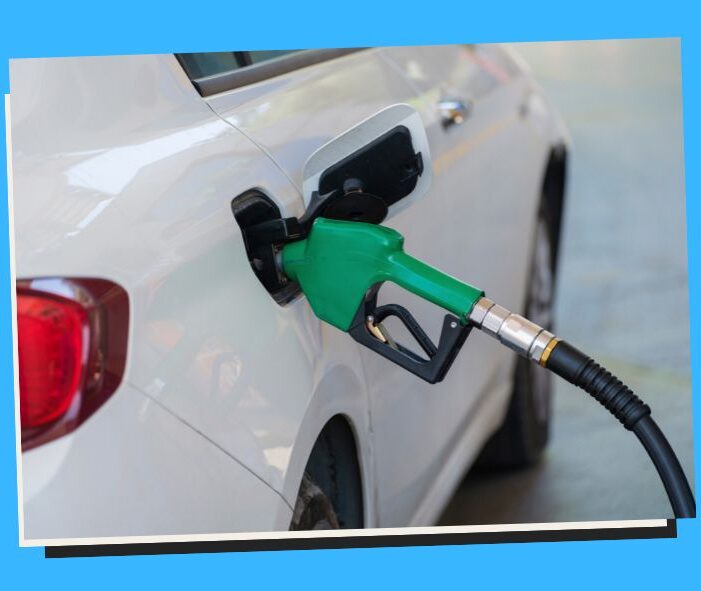
Philippine Fuel Prices Set to Increase Next Week: What You Need to Know
Fuel prices are expected to rise next week due to global oil market developments and local currency weakness. Learn what’s behind the price hike and how it could impact your budget.
Fuel Prices Forecasted to Increase Again Next Week: Understanding the Global and Local Factors
MANILA, Philippines – The Philippines is facing another round of fuel price hikes next week, as market experts project increases in both diesel and gasoline prices. According to Jetti Petroleum, Inc. President Leo Bellas, diesel prices could rise by PHP 0.80 to PHP 1.00 per liter, while gasoline prices could increase by PHP 1.50 to PHP 1.70 per liter. This forecast is based on developments in the global oil market, including the recent trade deal between the United States and the European Union, as well as ongoing supply-related issues. The expected increases are also influenced by the weakening peso, which has put additional pressure on fuel costs.
This new round of price hikes comes as global oil markets continue to react to geopolitical and economic developments, including the US-EU trade deal that reduced tariffs on European exports to the United States, and the ongoing effects of US sanctions on Russia. These global factors, combined with domestic issues such as the depreciation of the local currency, are contributing to the upward pressure on fuel prices in the Philippines.
The Key Drivers of the Fuel Price Increase
Several factors are contributing to the anticipated rise in fuel prices, both globally and locally. These include:
- US-EU Trade Deal: The recent agreement between the US and the European Union, which reduced the tariff on European exports to the US to 15 percent, has had a ripple effect on the global oil market. The positive market response to this deal has helped push oil prices higher.
- US Sanctions on Russia: The threat of continued US sanctions on Russia and its oil exports has added to the upward pressure on global oil prices. As sanctions limit the supply of Russian oil, global oil markets have experienced tighter supply conditions, which push prices higher.
- Tightening Diesel Supply: Diesel prices have been rising due to tight supply conditions, which have been exacerbated by global production constraints and logistical issues. As the demand for diesel increases during the summer driving season, prices have been steadily climbing.
- Decline in US Gasoline Stocks: The reduction in US gasoline stocks has also supported the view that the driving season is experiencing higher-than-expected demand, further putting pressure on global oil prices.
- Weakening of the Peso: The local currency’s depreciation, which saw the peso drop to the 58-level against the US dollar, has made imported fuel more expensive. The weakening of the peso has compounded the effects of global price increases, leading to higher fuel costs in the Philippines.
- US Protectionist Policies: The US’s protectionist trade policies, including tariffs and sanctions, continue to affect global oil prices. These policies have created uncertainty in global markets, impacting the price of crude oil and subsequently fuel prices worldwide.
- Global Economic Uncertainty: Issues such as delays in the US Federal Reserve’s interest rate cuts, as well as uncertainty surrounding trade negotiations between the US and other countries, have added to the volatility in global oil prices.
Understanding the Impact of Rising Fuel Prices on the Philippines
The forecasted fuel price hike next week is expected to have a significant impact on the Philippine economy, particularly on consumers and industries that rely heavily on fuel for transportation and production. Here are some key insights into how rising fuel prices could affect the country:
- Increased Transportation Costs: Higher fuel prices will directly affect transportation costs, leading to higher prices for goods and services. This could increase the cost of living for ordinary Filipinos, as transportation is a significant component of household spending.
- Higher Inflation: As fuel prices rise, the cost of producing and transporting goods also increases, which could contribute to higher inflation. This can further strain household budgets, especially for low- and middle-income families.
- Impact on Public Transport: As fuel prices increase, public transport operators may be forced to raise fares, which could disproportionately affect daily commuters who rely on public transportation to get to work, school, and other essential destinations.
- Economic Slowdown: Rising fuel prices can lead to a slowdown in consumer spending, as people may prioritize essentials like food and transportation over discretionary spending. This could impact businesses, particularly those in the retail and service sectors.
- Pressure on Government Policies: The government may be forced to implement measures to mitigate the impact of rising fuel prices, such as fuel subsidies or price controls. However, these measures come with budgetary challenges and may only provide temporary relief.
- Impact on Agriculture: Higher fuel prices can increase the cost of agricultural production, particularly for farmers who rely on fuel for irrigation, transportation, and machinery. This could result in higher food prices, further contributing to inflation.
- Increased Costs for Businesses: Businesses that rely on transportation for deliveries or production may see their operational costs rise. This could lead to higher prices for consumers, lower profit margins for businesses, and a reduction in overall business activity.
- Environmental Considerations: While the immediate economic effects of rising fuel prices are concerning, they may also serve as a catalyst for accelerating the shift toward more sustainable energy sources, such as electric vehicles (EVs) and renewable energy.
- Export Challenges: Higher fuel costs could make Philippine exports more expensive, particularly in industries that rely on energy-intensive processes. This could reduce the competitiveness of Filipino products in the global market.
- Strain on Household Budgets: As fuel prices increase, Filipino households may find it harder to manage their monthly expenses. For many, the rising cost of transportation and goods could result in difficult trade-offs between essential needs.
Benefits of Monitoring Fuel Price Trends
- Better Budget Planning: By keeping track of fuel price trends, households and businesses can better plan their budgets and anticipate potential increases in transportation and production costs.
- Informed Decision-Making: Understanding fuel price forecasts allows consumers to make informed decisions about transportation, such as whether to drive or use public transport.
- Opportunity for Investments: Awareness of global fuel price trends can help investors make strategic decisions regarding investments in energy, transportation, and sustainable energy sectors.
- Cost Optimization: Businesses can optimize their operational costs by exploring fuel-efficient solutions or transitioning to alternative energy sources.
- Government Policy Support: Monitoring fuel prices enables the government to design appropriate policies, such as subsidies or price controls, to mitigate the impact on vulnerable sectors.
- Consumer Protection: Staying informed about fuel price trends helps consumers advocate for fair pricing and transparency in the energy market.
- Energy Efficiency Awareness: Tracking fuel prices can encourage individuals and businesses to invest in energy-efficient technologies, reducing reliance on expensive fuel sources.
- Enhanced Business Forecasting: For businesses, understanding fuel price fluctuations allows for more accurate forecasting and pricing strategies.
- Support for Alternative Energy Development: Rising fuel prices may accelerate the adoption of renewable energy sources, providing long-term environmental benefits.
- Preparation for Price Volatility: By staying updated on fuel price forecasts, individuals and businesses can be better prepared for unexpected price surges.
Tips for Navigating Rising Fuel Prices
- Use Public Transport: Whenever possible, switch to public transportation to reduce the cost of commuting.
- Consider Carpooling: Sharing rides with others can help reduce fuel expenses and lower your overall transportation costs.
- Invest in Fuel-Efficient Vehicles: Consider purchasing a fuel-efficient or electric vehicle to mitigate the impact of rising fuel prices.
- Track Fuel Prices: Stay informed about daily fuel prices at local stations to find the best deals and avoid unnecessary fuel expenditure.
- Limit Non-Essential Travel: Reduce unnecessary trips to save on fuel costs, and plan your routes more efficiently.
- Adopt Energy-Efficient Technologies: Businesses can reduce fuel consumption by investing in energy-efficient machinery and processes.
- Promote Sustainable Practices: Encourage your community or organization to adopt green practices, such as walking or biking for short trips, to reduce fuel usage.
- Plan for Higher Transportation Costs: Adjust your budget to account for higher transportation costs, especially if you rely on fuel for commuting or running a business.
- Monitor Global Fuel Markets: Stay informed about global fuel market trends to anticipate price changes and adjust your plans accordingly.
- Advocate for Policy Solutions: Support government initiatives that aim to address fuel price volatility, such as the promotion of alternative energy sources and fuel subsidies.
Insights into Fuel Price Dynamics
- Global Influence: Oil price trends are heavily influenced by global events, including trade deals, sanctions, and geopolitical tensions.
- Supply and Demand: The balance of oil supply and global demand, particularly during peak seasons, plays a crucial role in determining fuel prices.
- Currency Impact: The value of the peso against the US dollar can significantly affect the cost of imported fuel.
- Sanctions and Protectionist Policies: US sanctions and protectionist trade policies can lead to higher global fuel prices by limiting supply and increasing production costs.
- Seasonal Variations: Fuel prices often increase during peak travel or driving seasons, such as summer, due to higher demand for gasoline and diesel.
- Environmental Pressure: Rising fuel prices may encourage consumers and businesses to adopt more sustainable practices and invest in alternative energy sources.
- Impact on Consumers: Higher fuel prices affect consumer spending by raising the cost of transportation and goods, which can lead to inflation.
- Inflation Connection: Fuel price hikes are directly linked to higher inflation, as increased transportation costs drive up the price of goods and services.
- Government Role: The government’s ability to manage fuel price volatility through policies such as subsidies or price caps can help mitigate the impact on consumers.
- Technological Innovations: Advancements in energy-efficient technologies, such as electric vehicles and renewable energy sources, offer long-term solutions to rising fuel prices.
Frequently Asked Questions (FAQ)
Q1: Why are fuel prices increasing?
A1: Fuel prices are increasing due to global factors such as trade deals, supply constraints, rising crude oil costs, and the depreciation of the peso.
Q2: How much will fuel prices rise next week?
A2: Diesel prices are expected to increase by PHP 0.80 to PHP 1.00 per liter, and gasoline prices could rise by PHP 1.50 to PHP 1.70 per liter.
Q3: How does the US-EU trade deal affect fuel prices?
A3: The positive market response to the US-EU trade deal, which lowered tariffs on European exports to the US, has contributed to rising oil prices globally.
Q4: How does the depreciation of the peso affect fuel prices?
A4: A weaker peso increases the cost of imported goods, including fuel, because it requires more pesos to purchase the same amount of oil in dollars.
Q5: What can consumers do to manage higher fuel prices?
A5: Consumers can reduce fuel consumption by using public transport, carpooling, driving more efficiently, or switching to fuel-efficient or electric vehicles.
Q6: How does the price of crude oil affect fuel prices?
A6: The price of crude oil directly impacts the cost of gasoline and diesel because crude oil is the primary raw material for refining these fuels.
Q7: What role do US sanctions play in fuel prices?
A7: US sanctions on countries like Russia reduce the global supply of oil, driving up prices due to limited availability.
Q8: Why do fuel prices rise during summer?
A8: Fuel prices often increase during summer due to higher demand from increased travel, especially in countries with high seasonal driving.
Q9: Can the government intervene to lower fuel prices?
A9: The government can intervene by offering subsidies, adjusting tax rates, or promoting alternative energy sources to reduce dependence on imported oil.
Q10: How do fuel price hikes affect inflation?
A10: Higher fuel prices contribute to inflation by increasing transportation costs, which in turn raise the prices of goods and services across the economy.
Conclusion: Preparing for Fuel Price Hikes and Their Impact
The projected increase in fuel prices next week highlights the ongoing challenges posed by global market dynamics and local economic factors. As consumers and businesses prepare for these price hikes, it’s essential to stay informed, adapt, and explore ways to mitigate the impact on budgets and operations. From embracing more sustainable energy practices to advocating for effective government policies, there are numerous strategies to navigate the economic pressures of rising fuel prices. By remaining proactive and adaptable, individuals and businesses alike can weather this storm while looking toward a future of more sustainable and resilient energy systems.
Link Resources
- Department of Energy (DOE) Philippines – Stay updated on fuel price adjustments and government policies affecting energy prices in the Philippines.
- Bangko Sentral ng Pilipinas (BSP) – Read more about the BSP’s economic reports, including those on inflation, exchange rates, and monetary policies.
- PH Fuel Watch – Track current and historical fuel prices across the Philippines.
- Philippine Statistics Authority (PSA) – Get insights into inflation and other economic indicators in the Philippines.
- US Energy Information Administration (EIA) – Learn about global fuel price trends and forecasts affecting the Philippine economy.
Key Phrases
- Rising fuel prices in the Philippines
- Global oil price trends
- Impact of US-EU trade deal on oil prices
- Peso depreciation and fuel costs
- Inflation and fuel price hikes
- Energy price volatility
- Protectionist policies and oil prices
- Diesel and gasoline price forecast
- US sanctions on Russia’s oil exports
- Public transport alternatives for fuel savings
Best Hashtags
- #FuelPriceHike
- #PhilippineEconomy
- #OilPriceForecast
- #GasolinePrices
- #DieselPriceUpdate
- #BSPInflation
- #EnergyPriceTrends
- #FuelCostsPH
- #EconomicImpact
- #SustainableTransport

Oliver Bugarin – A blog writer with over a decade of experience in WordPress website creation and management, and creating articles on lifestyle, travel, technology, business, finance, and wellness. He is known for producing clear, engaging articles that resonate with readers and add value to any blog or website.
Contact him for collaborations or content writing opportunities. Facebook – LinkedIn
.
Save/Share this story with QR CODE
Disclaimer
This article is for informational purposes only and does not constitute endorsement of any specific technologies or methodologies and financial advice or endorsement of any specific products or services.
Contact Lead Media News
📩 Feel free to Contact Lead Media News for suggestions, collaborations, reviews, or anything else.





