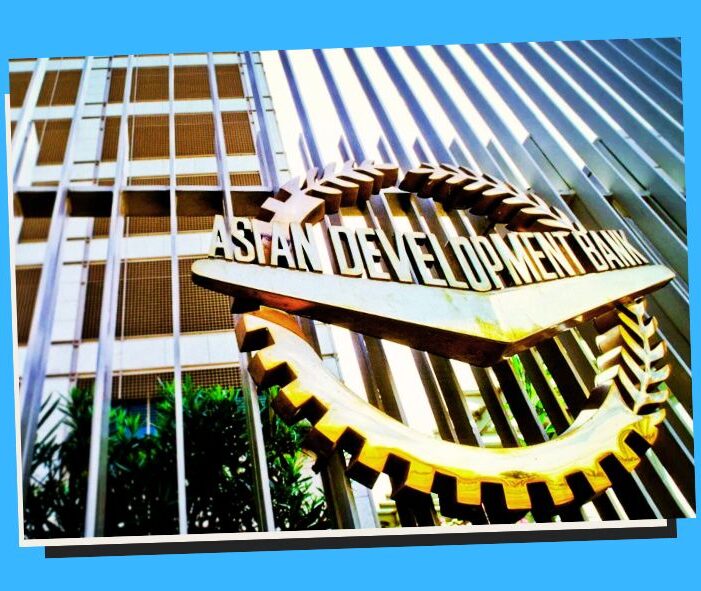
Philippines to Receive $400 Million Loan from ADB for Sustainable Marine and Rural Development
Learn about the Philippines’ ambitious plans for sustainable development backed by ADB’s fresh financial support.
ADB Commits $400 Million Fresh Loan to Boost Philippines’ Blue Economy and Sustainable Development 🌊🇵🇭
KUALA LUMPUR — The Asian Development Bank (ADB), a leading regional financial institution supporting Asia-Pacific economies, has announced a fresh loan commitment of $400 million for the Philippines. This new funding aims to strengthen the country’s marine ecosystems and advance the blue economy under the government’s National Adaptation Plan, ensuring climate resilience and sustainable growth.
The announcement was made by ADB President Masato Kanda during the 16th Brunei Darussalam-Indonesia-Malaysia-Philippines East ASEAN Growth Area (BIMP-EAGA) Summit held on Tuesday. This milestone reflects ADB’s continued support and confidence in the Philippines’ development trajectory, particularly in environmental sustainability and inclusive economic growth.
Sustained Partnership for Inclusive Growth
President Kanda highlighted that aside from the new loan, ADB has already invested $500 million to bolster agricultural development in the Philippines. These funds have been directed towards policy reforms, improved public services, financial assistance, and the protection of vulnerable rural families — a comprehensive approach addressing both productivity and welfare.
Echoing this sentiment, Secretary Leo Tereso Magno, Chairman of the Mindanao Development Authority (MinDA), emphasized ADB’s longstanding partnership with the Philippine government. “ADB’s commitment has been continuous,” he said. “They helped us craft the BIMP-EAGA vision for 2025 and are actively working with us to envision development goals for 2035.”
Mindanao and Palawan are slated to receive the majority of this fresh funding. These regions, rich in biodiversity and natural resources, stand to benefit from projects aimed at sustainable development, climate adaptation, and infrastructure enhancement.
The BIMP-EAGA Initiative: A Regional Engine for Growth
The BIMP-EAGA initiative, launched in 1994, serves as a catalyst for economic cooperation among Brunei, Indonesia, Malaysia, and the Philippines. Its focus areas include boosting trade, investments, tourism, and power interconnectivity via new shipping routes and air links. This regional collaboration also prioritizes agribusiness, environmental conservation, and socio-cultural education, fostering holistic development.
As this year’s chair of the BIMP-EAGA Summit, the Philippines plays a critical role in steering regional policies and cooperation. President Ferdinand “Bongbong” Marcos Jr. underscored the importance of strong political will and collaborative innovation to realize the vision of a prosperous and sustainable BIMP-EAGA.
“The path ahead calls for even greater synergy, innovation, and political will. I am confident that through our cooperation, we can transform our shared aspirations into lasting impacts for our people,” President Marcos said during the summit.
Benefits of ADB’s Fresh $400 Million Commitment for the Philippines
- Strengthened Marine Ecosystems – Enhanced conservation efforts will protect biodiversity and sustain fisheries.
- Boost to Blue Economy – New opportunities for sustainable economic activities related to oceans and coastal resources.
- Climate Resilience – Projects aligned with the National Adaptation Plan will improve disaster preparedness and environmental sustainability.
- Rural Development – Additional agricultural support will uplift rural communities, particularly in Mindanao and Palawan.
- Job Creation – Infrastructure and environmental projects will generate employment opportunities in key regions.
- Improved Public Services – Better financial support and policy reforms will enhance service delivery.
- Regional Integration – Enhanced BIMP-EAGA cooperation will improve connectivity and trade.
- Sustainable Tourism Growth – Ecotourism and cultural projects will attract visitors while preserving natural heritage.
- Educational Advancements – Socio-cultural education initiatives will foster community empowerment.
- Long-term Economic Growth – Strategic investments set the foundation for resilient, inclusive development.
Practical Tips for Maximizing the Impact of Development Funding
- Prioritize community engagement to ensure projects address local needs.
- Strengthen monitoring and evaluation for transparency and accountability.
- Foster partnerships between the government, the private sector, and civil society.
- Integrate climate adaptation measures into all infrastructure projects.
- Promote sustainable fishing and marine resource management.
- Enhance skills training to prepare local workers for new job opportunities.
- Invest in digital tools for better project planning and reporting.
- Leverage regional cooperation to share best practices and resources.
- Focus on gender equality and inclusion in all development efforts.
- Encourage innovation to drive efficient use of funds and technology adoption.
Key Insights from the Latest ADB Commitment
- The blue economy is emerging as a vital growth sector for island nations.
- Multi-sectoral collaboration increases the effectiveness of development programs.
- Long-term visioning, like the 2035 Mindanao plan, is essential for sustainable progress.
- Climate change adaptation remains a top priority for development finance institutions.
- Regional initiatives like BIMP-EAGA enhance economic resilience through connectivity.
- Prioritizing marginalized regions ensures balanced national growth.
- Public-private partnerships can accelerate infrastructure and service delivery.
- Policy reforms complement financial investments for sustainable outcomes.
- Empowering rural communities leads to better resource management.
- Strong political will is critical to transforming funding into tangible benefits.
Frequently Asked Questions (FAQ)
Q1: What is the main purpose of the $400 million loan?
A1: To support marine ecosystem protection and promote the blue economy as part of the Philippines’ National Adaptation Plan.
Q2: Which regions in the Philippines will benefit the most?
A2: Mindanao and Palawan will receive a majority of the funds to support environmental and economic projects.
Q3: What is the BIMP-EAGA initiative?
A3: It is a regional cooperation framework among Brunei, Indonesia, Malaysia, and the Philippines to promote economic growth and integration.
Q4: How does the loan align with climate adaptation?
A4: The funding supports projects that strengthen resilience against climate impacts, such as coastal protection and sustainable fisheries.
Q5: What other support has ADB provided to the Philippines recently?
A5: ADB deployed $500 million for agricultural development, policy reforms, and public service enhancements.
Q6: Who oversees project implementation in the Philippines?
A6: Various government agencies, including the Mindanao Development Authority, work closely with ADB.
Q7: How does this funding affect local communities?
A7: It aims to create jobs, improve livelihoods, and foster sustainable resource management.
Q8: Will the loan affect taxes or government borrowing?
A8: ADB loans are structured to support development with favorable terms and do not immediately impact taxes.
Q9: How can the public stay informed about funded projects?
A9: Updates are usually provided through government agencies and ADB reports.
Q10: What is the role of the Philippines as BIMP-EAGA chair?
A10: The Philippines leads regional collaboration, sets priorities, and promotes sustainable growth across member states.
Conclusion
The Asian Development Bank’s renewed commitment of $400 million to the Philippines signals a powerful vote of confidence in the country’s development path. By focusing on marine ecosystem preservation, the blue economy, and inclusive rural growth, the partnership between ADB and the Philippines exemplifies a forward-thinking approach to sustainability and resilience. With strong political will and regional cooperation through initiatives like BIMP-EAGA, the Philippines is well-positioned to transform these investments into lasting benefits for its people and environment. This collaboration inspires optimism that the nation’s aspirations for a balanced and prosperous future are within reach.
Together, through innovation, dedication, and shared vision, the Philippines can harness these opportunities to build a thriving, sustainable nation for generations to come. 🌱🌏
Link Resources
- Asian Development Bank Philippines Operations
- BIMP-EAGA
- Philippine National Adaptation Plan
- Mindanao Development Authority (MinDA)
- ASEAN Secretariat – Economic Cooperation
Key Phrases
- Asian Development Bank loan Philippines
- Blue economy Philippines
- Climate adaptation funding
- Mindanao development projects
- BIMP-EAGA regional cooperation
- Sustainable marine ecosystems
- Agricultural policy reforms Philippines
- Inclusive rural development
- ASEAN economic growth
- National Adaptation Plan Philippines
Best Hashtags
#PhilippinesDevelopment
#ADBSupport
#BlueEconomy
#ClimateResilience
#MindanaoGrowth
#BIMPEAGA
#SustainableFuture
#AgricultureReform
#RegionalCooperation
#InclusiveGrowth

Oliver Bugarin – A blog writer with over a decade of experience in WordPress website creation and management, and creating articles on lifestyle, travel, technology, business, finance, and wellness. He is known for producing clear, engaging articles that resonate with readers and add value to any blog or website.
Contact him for collaborations or content writing opportunities. Facebook – LinkedIn
.
Save/Share this story with QR CODE
Disclaimer
This article is for informational purposes only and does not constitute endorsement of any specific technologies or methodologies and financial advice or endorsement of any specific products or services.
Contact Lead Media News
📩 Feel free to Contact Lead Media News for suggestions, collaborations, reviews, or anything else.





