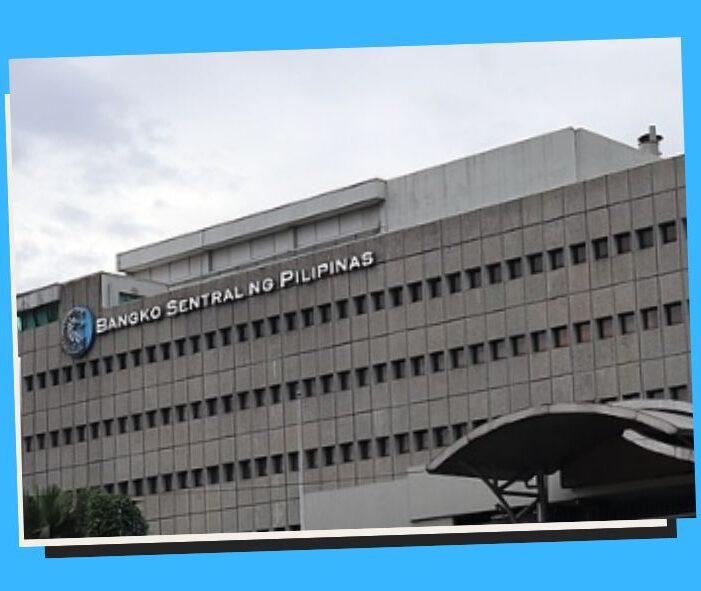
Non-Performing Loans in the Philippines See Decline in June 2025: Key Takeaways
Banks in the Philippines are seeing a reduction in non-performing loans. Find out the key factors driving this positive trend and how it impacts your finances.
Philippine Banks’ Non-Performing Loans Eased in June 2025: A Positive Economic Indicator
The latest data from the Bangko Sentral ng Pilipinas (BSP) reveals a promising trend in the Philippine banking sector as the proportion of non-performing loans (NPLs) to total loans continued to ease in June. This development is seen as a positive indicator of the overall health of the country’s financial system, signaling that the efforts to address credit risks and improve economic stability are beginning to bear fruit.
Overview of the NPL Ratio
As of June 2025, the NPL ratio in Philippine banks stood at 3.34%, showing a slight decrease from the 3.38% recorded in May. This reduction, while modest, marks an important step toward the stabilization of the banking sector following the economic disruptions caused by the pandemic and other global challenges. The gross non-performing loans for June amounted to PHP530.29 billion, which is a significant figure but still reflects a gradual improvement in loan repayments and overall asset quality across banks.
This downward trend in NPL ratios signals that banks are effectively managing their credit risks and are able to recover from any financial setbacks experienced in the past few years. The overall improvement in the asset quality of the banking sector also suggests that the financial stability measures implemented by the BSP and other financial institutions are taking effect.
Key Factors Behind the Reduction in NPLs
- Faster Growth in Bank Loans: One of the key factors contributing to the reduction in the NPL ratio is the growth in bank loans, which expanded by over 12% in June 2025. This increase in loans indicates greater lending activity within the economy, as businesses and individuals access financing for various purposes, from capital investments to personal expenses. A growing loan base generally leads to higher overall repayment rates, which can help reduce the proportion of non-performing loans.
- Improved Lending Risk Management: The continuous improvement in lending risk management practices across Philippine banks has been another significant factor behind the reduction in NPL ratios. By adopting global best practices in lending, such as stricter credit assessments and better risk evaluation tools, banks have managed to better assess the creditworthiness of borrowers, leading to fewer defaults and lower NPL figures.
- Lower Interest Rates: Another important driver is the reduction in policy rates by both the U.S. Federal Reserve (Fed) and the Bangko Sentral ng Pilipinas (BSP). The lowering of interest rates, which began in late 2024, has made borrowing more affordable for consumers and businesses. As a result, borrowers are better able to meet their loan obligations, thereby reducing the number of non-performing loans. Lower interest rates also help borrowers refinance their debt or manage their finances more effectively, further easing the burden on borrowers.
- Improved Borrower Repayment Capacity: With lower interest rates and a more favorable economic environment, borrowers’ repayment capacity has improved. This is particularly important for businesses that rely on bank loans for capital. As economic conditions stabilize, many borrowers are now in a better position to meet their obligations, which has contributed to the decline in NPL ratios.
- Positive Economic Outlook: The overall positive economic outlook for the Philippines, bolstered by increasing exports, infrastructure development, and an improving labor market, has helped boost confidence in the banking sector. As economic conditions continue to improve, businesses are performing better, and the risk of default on loans is reduced.
Implications for the Banking Sector and the Philippine Economy
The improvement in the NPL ratio is a good sign for the banking sector, as it reflects sound financial health and better risk management. For the Philippine economy, this development is a sign of recovery from the economic strains caused by the global pandemic and local economic challenges. A healthy banking sector plays a vital role in sustaining economic growth by ensuring that there is sufficient credit flow for businesses and consumers.
As banks continue to reduce their NPL ratios, they can focus on providing more credit to sectors that need it, especially small and medium-sized enterprises (SMEs) that may have struggled to secure loans in the past due to stricter lending policies. In turn, this would stimulate more economic activity and foster job creation, leading to a more robust economy.
Benefits of Improved NPL Ratios
- Enhanced Financial Stability: A decrease in NPL ratios strengthens the overall stability of the banking sector, ensuring that financial institutions are less exposed to risks of bad loans.
- Increased Lending Capacity: As banks reduce their non-performing loans, they have more capacity to lend to other borrowers, fostering economic growth.
- Stronger Investor Confidence: Improved asset quality and lower NPL ratios boost investor confidence in the Philippine financial markets, which could lead to increased foreign investment.
- Sustained Economic Growth: With banks offering more credit, businesses can expand, leading to more job creation and higher economic activity.
- Lower Borrowing Costs: As NPLs decrease, banks can reduce interest rates, making loans more affordable for consumers and businesses.
- Improved Bank Profits: A reduction in NPLs leads to fewer provisions for bad debts, which positively impacts banks’ profitability.
- Better Credit Risk Management: Banks’ adoption of global best practices in credit risk management ensures that they remain resilient during economic downturns.
- Improved Borrower Confidence: As interest rates decrease and more loans are approved, borrowers feel more confident about their ability to repay.
- Stronger Economic Sentiment: Lower NPLs contribute to a more positive outlook on the economy, encouraging consumer spending and business investments.
- Credit Access for SMEs: With more available credit, small and medium enterprises can access financing to expand their operations, benefiting the overall economy.
Tips for Managing NPLs in Banks
- Focus on Early Detection: Implement systems to identify struggling borrowers early on and work with them to restructure their debt.
- Enhance Credit Scoring Models: Improve credit assessment tools to better evaluate borrowers’ repayment capacity.
- Diversify Loan Portfolios: Reduce exposure to high-risk sectors by diversifying loan portfolios.
- Monitor Economic Trends: Stay informed about macroeconomic trends that could affect borrowers’ repayment capacity.
- Strengthen Risk Management Practices: Continuously update risk management systems to incorporate global best practices.
- Encourage Debt Restructuring: Provide flexible repayment options to borrowers facing financial difficulties.
- Collaborate with Borrowers: Develop programs to help borrowers manage their loans effectively, such as financial education or advisory services.
- Ensure Transparency: Maintain transparency in loan agreements to prevent misunderstandings and defaults.
- Prioritize Secured Lending: Focus on secured loans to reduce the risk of defaults.
- Establish Contingency Plans: Prepare for economic downturns by establishing contingency plans to minimize the impact of NPLs.
Insights for Economic Improvement
- Lower Interest Rates Drive Economic Activity: The reduction in policy rates has provided relief to borrowers, improving their capacity to repay loans.
- The Role of Bank Lending: Increased bank lending supports business expansion, particularly in key sectors such as infrastructure and manufacturing.
- Global Best Practices in Risk Management: The adoption of global best practices in credit risk management has strengthened the banking sector’s ability to handle defaults.
- Economic Recovery: The continued decrease in NPLs signals that the Philippine economy is on the road to recovery following the global economic disruptions.
- Credit Access for All: More affordable and accessible loans for SMEs and individuals are critical for fostering inclusive economic growth.
- Importance of Transparency: Ensuring transparency in banking practices strengthens trust between financial institutions and their clients.
- Government Support for Financial Stability: The government’s role in supporting financial stability is vital in ensuring the continued decrease of NPL ratios.
- Global Economic Influences: The Philippines’ banking sector is influenced by global economic policies, particularly interest rates set by the U.S. Federal Reserve and other major central banks.
- Technological Advancements: Innovations in financial technology are enhancing credit risk management practices, helping to reduce NPL ratios.
- Financial Literacy: Increased financial literacy among borrowers is crucial for improving loan repayment rates.
Frequently Asked Questions (FAQs)
- What is the NPL ratio?
The NPL ratio is the proportion of non-performing loans (loans that are not being repaid on time) to the total amount of loans issued by a bank. - Why is the NPL ratio important?
A lower NPL ratio indicates better financial health for banks, as it means fewer loans are in default, reducing risk and improving profitability. - How does a decrease in NPLs affect the economy?
A decrease in NPLs signals better financial stability, which can lead to more available credit, business growth, and job creation. - What factors contributed to the reduction in NPLs?
Lower interest rates, improved lending practices, and a faster growth rate in bank loans all contributed to the reduction in NPLs. - How do lower interest rates affect NPLs?
Lower interest rates reduce borrowing costs, making it easier for borrowers to repay their loans, which can reduce NPLs. - What is the BSP’s role in reducing NPLs?
The BSP plays a key role in setting policy rates and promoting sound lending practices that improve asset quality in the banking sector. - How do banks manage NPLs?
Banks manage NPLs through better risk assessment, early detection of loan repayment issues, and offering debt restructuring options. - What impact do NPLs have on bank profitability?
High NPLs reduce bank profitability, as banks need to set aside provisions to cover potential loan losses. - Can the reduction in NPLs lead to lower interest rates?
Yes, as NPLs decrease, banks can reduce their provisions for bad debts, which can lead to lower interest rates for consumers. - What is the future outlook for the Philippine banking sector?
The outlook is positive, with decreasing NPLs indicating stronger financial stability and greater access to credit for businesses and consumers.
Conclusion: A Sign of Progress for Philippine Banks
The continued decrease in the NPL ratio for Philippine banks signals a positive trajectory for the financial sector. With better risk management, improved borrower repayment capacity, and favorable economic conditions, the banking industry is on track to maintain its stability and support the broader economy’s growth. The efforts of both the government and financial institutions in fostering a more resilient financial system will continue to benefit businesses and consumers alike, contributing to the Philippines’ overall economic recovery and growth.
Link Resources
- Bangko Sentral ng Pilipinas
- Philippine Deposit Insurance Corporation
- Bankers Association of the Philippines
- Philippine Stock Exchange
- Department of Finance – Philippines
Key Phrases
Non-performing loans, NPL ratio, banking sector stability, credit risk management, economic growth, loan repayment, BSP interest rates, bank loans, financial stability, asset quality
Best Hashtags
#NPLReduction #BankingSector #PhilippinesEconomy #FinancialStability #LoanGrowth #BSPPolicy #BankingSectorHealth #CreditManagement #EconomicRecovery #LoanRepayment

Oliver Bugarin – A blog writer with over a decade of experience in WordPress website creation and management, and creating articles on lifestyle, travel, technology, business, finance, and wellness. He is known for producing clear, engaging articles that resonate with readers and add value to any blog or website.
Contact him for collaborations or content writing opportunities. Facebook – LinkedIn
.
Save/Share this story with QR CODE
Disclaimer
This article is for informational purposes only and does not constitute endorsement of any specific technologies or methodologies and financial advice or endorsement of any specific products or services.
Contact Lead Media News
📩 Feel free to Contact Lead Media News for suggestions, collaborations, reviews, or anything else.





