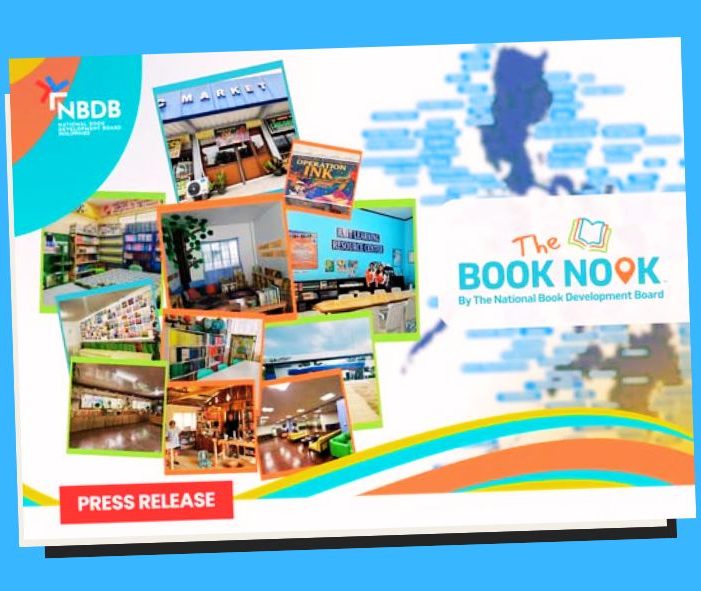
Aklat Para Sa Lahat: NBDB Expands Reading Network to 163 Hubs with 25 New Book Nook Sites
The National Book Development Board expands its nationwide reading network to 163 active sites, bringing homegrown literature to 25 new communities in 2026.
Bridging the Literacy Gap: National Book Development Board Launches 2026 Community Reading Hubs
MANILA, Philippines — The National Book Development Board (NBDB) has announced a major expansion of its flagship community reading program, establishing 25 new Book Nook sites across the country for 2026. This latest rollout brings the initiative’s total network to 163 active reading hubs, furthering the agency’s mission to place Filipino-authored literature within reach of every neighborhood. 📚
The 2026 cohort broadens the project’s geographic coverage across the country’s three major island groups, placing 16 new reading centers in Luzon, 4 in the Visayas, and 5 in Mindanao. Established in 2021 under the NBDB’s Readership Development Division (READ), the Book Nook Project operates on the foundational principle of “Aklat Para Sa Lahat” (Books for Everyone). Anchored in Republic Act No. 8047, also known as the Book Publishing Industry Development Act, the program focuses on creating accessible reading spaces in rural, remote, and historically underserved areas.
Empowering Grassroots Communities
NBDB Executive Director Charisse Aquino-Tugade emphasized that the initiative focuses on long-term community empowerment rather than simple book distribution. By partnering directly with local schools, indigenous groups, and neighborhood organizations, the program provides safe, dedicated environments where young readers and neo-literates can discover literature written by Filipino authors.
The selection process for the 2026 cycle was highly competitive. The READ Partnerships Committee evaluated 130 applications from institutions nationwide. Shortlisted candidates completed Tuklas Dunong, an intensive capacity-building workshop series covering site administration, resource mobilization, community development, and fundamental cataloging to ensure each hub remains sustainable over time.
A Diverse Coalition of Local Partners
The final selection of 25 sites reflects a wide range of institutional partners. Participating sites include local government units (LGUs), public primary and secondary schools, state colleges, national museum branches, and youth-led non-profit organizations.
The approved 2026 Book Nook locations include:
- Luzon: LGU Barangay Poblacion Sto. Niño; DepEd – Villa Santiago Elementary School; Compassion International Inc.; Umingan Central Elementary School; North Fairview Elementary School; Romblon National Institute of Technology; Don Marcelo C. Marty High School; Abra State Institute of Sciences and Technology; National Museum of the Philippines-Marinduque; Pilar Elementary School; V. Bagasina Sr. Memorial High School; Pili National High School; Dr. Yanga’s Colleges, Inc.; DaluBASA/PSHS; Kinabuhayan Elementary School; and National Museum of the Philippines – Southern Luzon (Daraga, Albay).
- Visayas: Kirayan National High School; Vicente A. Javier Memorial Community College; Ibajay Integrated School; and Maayon National High School.
- Mindanao: Francisco Ramos National High School; Keamanan Inc.; Talaonga National High School; Oro Christian Grace School; and Malinao Ilaya Integrated National High School.
Overcoming Structural Challenges
For many recipient communities, establishing a Book Nook directly addresses longstanding educational hurdles. Many participating sites operate in geographically isolated regions, socio-economically disadvantaged areas, or communities recovering from natural disasters where learning materials remain scarce.
NBDB READ Officer-in-Charge Daniel Mariano noted that these local hubs serve as community anchors, helping neighborhoods take ownership of their literary spaces while encouraging critical thinking, creativity, and self-expression among young readers.
With site selections and initial training complete, the 25 new Book Nook locations are moving into their setup, cataloging, and launch phases throughout the year, cementing a nationwide network dedicated to lifelong learning. 📖
Benefits of the Book Nook Project
- Broadened Access to Books: Delivers high-quality, Filipino-authored literature directly to remote and underserved areas.
- Local Capability Building: Equips site managers with practical skills in library management and resource mobilization through Tuklas Dunong workshops.
- Support for Local Publishing: Promotes homegrown authors, illustrators, and publishers by distributing local titles nationwide.
- Targeted Literacy Assistance: Provides dedicated learning spaces for early-stage readers and neo-literates seeking to build comprehension skills.
- Fostering Critical Thinking: Encourages creative expression, open discussion, and analytical reading habits among youth.
- Multi-Sectoral Collaboration: Unites schools, local government units, museums, and non-profit groups around shared literacy goals.
- Educational Relief in Vulnerable Areas: Offers essential learning resources to disaster-affected and low-income communities.
- Preservation of Cultural Heritage: Exposes young readers to stories reflecting local traditions, languages, and regional identity.
- Sustainable Community Leadership: Empowers local organizations to manage and maintain their reading spaces independently.
- Alignment with National Legislation: Fulfills the mandate of Republic Act No. 8047 to strengthen the national book publishing and reading ecosystem.
Insights: What This Milestone Means for the Industry
- Literacy as an Essential Right: The initiative reinforces the perspective that access to books is a basic right rather than an urban privilege.
- Decentralization of Learning Resources: Establishing hubs across Luzon, Visayas, and Mindanao balances educational access outside major metro centers.
- High National Demand for Reading Spaces: Receiving 130 applications for 25 openings demonstrates a strong appetite for community reading hubs nationwide.
- Strengthening the Domestic Book Market: Supplying community hubs with local titles creates steady demand for the Philippine publishing sector.
- Cross-Sectoral Educational Solutions: Partnering with museums, colleges, and LGUs proves that addressing literacy requires multi-institutional support.
- Community Resilience Through Learning: Placing reading centers in disaster-prone regions provides stable educational support during recovery periods.
- Addressing Early Education Gaps: Accessible community reading hubs help bridge foundational learning losses among primary and secondary students.
- Cultivating Regional Pride: Reading literature rooted in Filipino culture helps young citizens build a stronger national and local identity.
- A Scalable Model for Public Programs: Growing from a single pilot in 2021 to 163 sites shows that grassroots literacy programs can scale effectively.
- Long-Term Civic Engagement: Nurturing well-read youth creates an informed citizenry capable of active community participation.
Conclusion: Looking Ahead
The addition of 25 new reading centers highlights the National Book Development Board’s commitment to making literature accessible across the country. By combining resource delivery with structured training for local partners, the Book Nook Project builds a sustainable foundation for reading engagement. As these 163 hubs operate nationwide, the initiative continues to demonstrate how local access to books can foster learning, cultural pride, and community development.
Link Resources
- National Book Development Board Official Website
- NBDB Official Facebook Page
- National Museum of the Philippines
- Department of Education (DepEd) Philippines
- Republic Act No. 8047 – Book Publishing Industry Development Act
Key Phrases
- NBDB Book Nook Project 2026 expansion
- National Book Development Board community reading hubs
- Aklat Para Sa Lahat reading program
- Philippine grassroots literacy initiatives
- Republic Act 8047 book publishing mandate
- Tuklas Dunong capacity building workshop NBDB
- Community reading centers Luzon Visayas Mindanao
- Filipino authored literature access for kids
- Charisse Aquino Tugade NBDB Executive Director
- Underserved community libraries Philippines
Best Hashtags
#BookNook2026 #NBDB #AklatParaSaLahat #ReadFilipino #PhilippineLiteracy #BookPublishingPH #ReadershipDevelopment #CommunityReadingHubs #EducationPH #LiterracyForEveryPinoy

Oliver Bugarin – A blog writer with over a decade of experience in WordPress website creation and management, and creating articles on lifestyle, travel, technology, business, finance, and wellness. He is known for producing clear, engaging articles that resonate with readers and add value to any blog or website.
Contact him for collaborations or content writing opportunities. Facebook – LinkedIn
.
Save/Share this story with QR CODE
Disclaimer
This article is for informational purposes only and does not constitute endorsement of any specific technologies or methodologies and financial advice or endorsement of any specific products or services.
Contact Lead Media News
📩 Feel free to Contact Lead Media News for suggestions, collaborations, reviews, or anything else.





