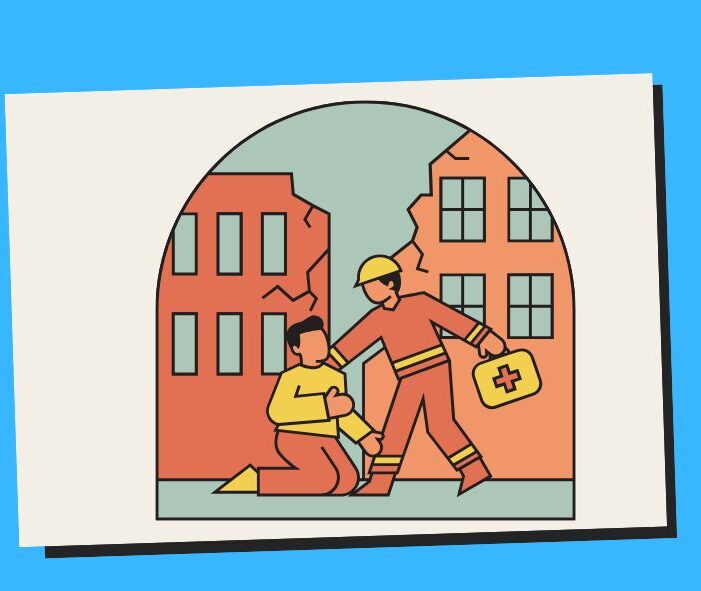
How Filipino Volunteers Are Saving Lives Before Help Arrives
Discover how local Filipino volunteers become real-life heroes during disasters, often without pay or recognition.
Filipino Local Volunteers Leading Disaster Response Efforts 🇵🇭✨
When disaster strikes in the Philippines, whether a typhoon, earthquake, volcanic eruption, or flood, one group always rises to the occasion: the local volunteers. From barangay tanods to student responders and church groups, these everyday heroes prove that compassion and courage are deeply rooted in Filipino culture.
This article explores the powerful impact of Filipino local volunteers in disaster response, their challenges and contributions, and how we can support and empower them further. Whether you are a policymaker, a community leader, or simply a concerned citizen, their story is your story too.
📣 How You Can Support Filipino Disaster Volunteers
Even if you can’t be on the ground, you can still help these local heroes:
- Donate to grassroots volunteer groups who often work without regular funding.
- Sponsor training sessions or gear (flashlights, megaphones, first aid kits).
- Amplifying their stories on social media helps them gain visibility.
- Nominate volunteers for awards to give them the recognition they deserve.
- Support local ordinances that strengthen community disaster readiness.
By doing this, you’re not just watching change; you’re part of it.
🔄 Long-Term Vision for Volunteer Empowerment
We need more than short-term aid to build resilient communities in the Philippines. We need sustainable systems:
- Institutionalize volunteer training in schools and barangays
- Provide psychological support for disaster volunteers
- Establish localized disaster databases and rapid-alert networks
- Recognize and reward long-serving volunteers
- Create a national volunteer corps with barangay-level deployment options
These steps ensure that the volunteer spirit is matched by structural support. Together, we can turn Filipino compassion into a strategic advantage in disaster response.
📋 Printable Volunteer Preparedness Checklist
Here’s a handy checklist for anyone wanting to start volunteering in their community:
✅ Attend disaster preparedness and first aid training
✅ Join or register with a local volunteer group
✅ Prepare a volunteer ID and emergency contact list
✅ Keep a basic go-bag: water, power bank, whistle, flashlight
✅ Familiarize yourself with the barangay evacuation plans
✅ Sign up for text alerts from PAGASA and NDRRMC
✅ Know the location of the nearest evacuation center
✅ Participate in barangay cleanups and drills
✅ Learn how to handle trauma survivors (psychological first aid)
✅ Record and report your efforts to help future disaster planning
Benefits of Local Volunteer Involvement in Disaster Response
- Immediate action – Volunteers are often the first on-site, even before national aid arrives.
- Community knowledge – They know the terrain, local language, and people.
- Trust factor – Locals tend to trust their fellow citizens more than outsiders.
- Cost-effective – Their efforts save millions in emergency response costs.
- Better coordination – Barangay-based volunteers work closely with LGUs.
- Improved mental health – Volunteering helps both victims and helpers heal.
- Promotes bayanihan spirit – Strengthens Filipino communal unity and pride.
- Builds skills – Volunteers learn first aid, logistics, and leadership.
- Fills in gaps – When agencies are overwhelmed, volunteers bridge the gap.
- Inspires others – Their selflessness motivates community-wide participation.
Practical Tips for Aspiring Local Volunteers
- Undergo basic disaster response training from the Philippine Red Cross or LGUs.
- Join accredited volunteer groups for safety and legitimacy.
- Create a go-bag with essentials like a flashlight, whistle, and ID.
- Stay informed about weather alerts and emergency protocols.
- Use social media responsibly to share verified information only.
- Respect command systems and follow instructions from authorities.
- Focus on teamwork and avoid acting alone in risky areas.
- Document your work to help future planning and advocacy.
- Practice empathy with victims, listen, don’t just respond.
- Take care of yourself, rest, and process your experiences.
Insights About Filipino Volunteerism in Crisis Situations
- Faith-based groups play a major role, and church volunteers often lead relief missions.
- Youth involvement is rising, especially through schools and SK programs.
- Volunteer networks often operate even before government aid mobilizes.
- Community kitchens run by volunteers often become lifelines in flooded areas.
- Mobile communication, even just texts, mobilizes barangay responses fast.
- Volunteers are often unpaid but motivated by deep emotional drive.
- Women lead many grassroots volunteer efforts, especially in evacuation centers.
- Disaster response builds long-term community resilience.
- Shared trauma forges stronger local unity.
- Some volunteers continue efforts for months or years post-disaster.
Real Case Studies of Filipino Local Volunteer Heroes
- Typhoon Yolanda (2013) – Tacloban students helped dig survivors out of rubble.
- Taal Volcano Eruption (2020) – Batangas farmers turned rescuers for livestock and neighbors.
- Baguio Earthquake (1990) – Civilian volunteers formed the first “bucket brigades.”
- COVID-19 Pandemic (2020) – Community pantries sprouted nationwide by ordinary citizens.
- Ormoc landslide (1991) – Rescue was led by miners and fisherfolk.
- Marikina floods (2009, Ondoy) – Boat-owning residents became impromptu rescuers.
- Zamboanga Siege (2013) – Local teachers and parents evacuated students under fire.
- Ilocos drought (2016) – Volunteer groups led water distribution campaigns.
- Isabela typhoon response (2021) – Local youth trekked for hours to deliver relief goods.
- Sulu bombings (2019) – Civilians became first responders even amid danger.
Frequently Asked Questions (FAQ)
1. Who can volunteer in disaster response?
Anyone, whether students, professionals, or retirees, as long as they follow safety protocols.
2. Is training required to volunteer?
Yes, basic training is encouraged, but minor assistance is not always required.
3. Where can I get volunteer training?
Philippine Red Cross, DSWD, DepEd DRRMS, or local LGUs.
4. Are volunteers paid?
Most local volunteers are unpaid, though some receive allowances or meals.
5. How do I join a disaster volunteer group?
Approach your barangay, school, church, or visit online platforms like iVolunteer.
6. What roles can volunteers take on?
From rescue and first aid to logistics, cooking, and psychological support.
7. Is it safe to volunteer in disaster areas?
Only when guided by local authorities and after risk assessments.
8. What if I have no experience?
You can still help pack relief goods, clean, or spread information.
9. How do I avoid burnout?
Take breaks, debrief with peers, and seek counseling if needed.
10. Can children or teens volunteer?
Yes, with supervision and appropriate tasks suited for their age.
Conclusion: The Heartbeat of Recovery
In every storm that passes the Philippine archipelago, its people’s resilience remains consistent. And at the center of this strength are local volunteers, ordinary people who become extraordinary heroes when their communities need them most.
Let’s support, train, and empower more of them. Let’s recognize that while equipment and infrastructure matter, people carry the heaviest loads and bring the light back after the dark. 🌈
Link Resources
- Philippine Red Cross Volunteer Portal
- DSWD Disaster Response Operations
- iVolunteer Philippines
- NDRRMC Official Website
- AHA Centre on ASEAN Disaster Volunteers
Key Phrases
- Filipino volunteers saving lives
- Local heroes in disaster relief
- Barangay-based disaster response
- Volunteerism in the Philippines
- Filipino bayanihan spirit
- Typhoon relief volunteer efforts
- Empowering local responders
- Crisis response in communities
- Volunteer-led relief missions
- Filipino youth disaster aid
Best Hashtags
#BayanihanSpirit
#FilipinoVolunteers
#DisasterResponsePH
#TulongHindiSalita
#RescuePH
#LigtasBuhay
#TulongKabayan
#VolunteerismWorks
#KapwaKoResponsibilidadKo
#KapitBisigSaKalamidad

Oliver Bugarin – A blog writer with over a decade of experience in WordPress website creation and management, and creating articles on lifestyle, travel, technology, business, finance, and wellness. He is known for producing clear, engaging articles that resonate with readers and add value to any blog or website.
Contact him for collaborations or content writing opportunities. Facebook – LinkedIn
.
Save/Share this story with QR CODE
Disclaimer
This article is for informational purposes only and does not constitute endorsement of any specific technologies or methodologies and financial advice or endorsement of any specific products or services.
Contact Lead Media News
📩 Feel free to Contact Lead Media News for suggestions, collaborations, reviews, or anything else.





