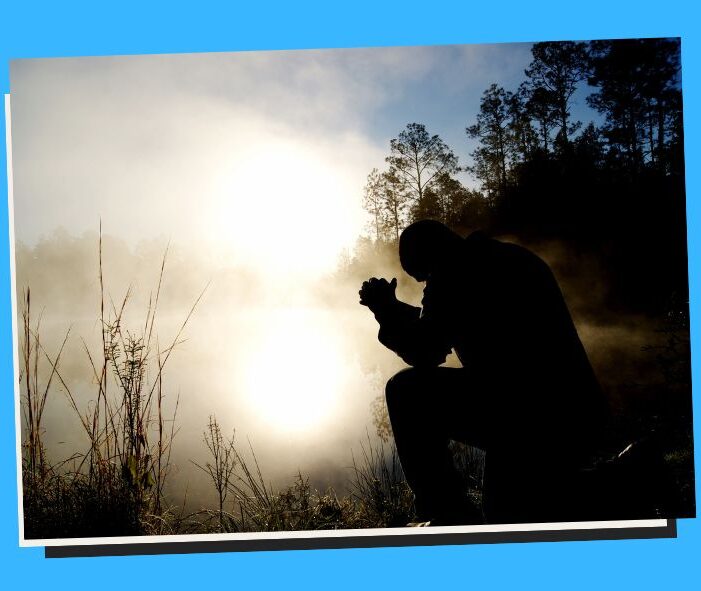
Holy Thursday Traditions in the Philippines You Should Know
Discover how Filipinos honor the Last Supper through age-old traditions and spiritual journeys. ✨🙏
🙏 How to Meaningfully Celebrate Holy Thursday in the Philippines 🇵🇭
Holy Thursday, also known as Maundy Thursday, holds profound significance in the Philippines — a predominantly Catholic nation known for its deeply rooted religious traditions. Falling on the Thursday before Easter, this day commemorates the Last Supper of Jesus Christ with His apostles. Across the archipelago, Holy Thursday is a time of reflection, reverence, and ritual. But how do you actually celebrate or observe this sacred day in a meaningful way?
Whether you’re a local rediscovering tradition or a tourist looking to immerse yourself in Filipino culture, this how-to guide will walk you through the steps to honor Holy Thursday with respect and authenticity. 💡
📜 A Quick Overview of Holy Thursday
Holy Thursday marks the beginning of the Easter Triduum — the three most sacred days of the Catholic calendar: Holy Thursday, Good Friday, and Easter Sunday. The highlight of this day is the Mass of the Lord’s Supper, which recalls:
- The washing of the feet 👣
- The institution of the Eucharist 🍞🍷
- The commandment to love one another ❤️
🛐 How to Celebrate Holy Thursday in the Philippines: Step-by-Step
1. 🕊️ Begin the Day with a Morning Reflection
Start your Holy Thursday by setting aside quiet time for prayer, reading scripture, or meditating on the events of the Last Supper. 📖
Pro tip: Read John 13:1–17 to reflect on Jesus washing the disciples’ feet — a powerful symbol of humility.
2. ⛪ Attend the Chrism Mass (If Available)
In some cathedrals, the Chrism Mass is held in the morning. This special Mass includes the blessing of oils used in sacraments throughout the year and the renewal of vows by priests.
🛑 Note: Not all churches hold this Mass publicly, so check with your local diocese or cathedral.
3. 🍽️ Participate in the Mass of the Lord’s Supper
Held in the evening, this is the central liturgy of Holy Thursday. It includes:
- The reenactment of the Washing of the Feet
- The institution of the Eucharist
- The procession of the Blessed Sacrament for adoration
⏰ Arrive early — churches can get crowded, especially in provinces where tradition is strong.
4. 👣 Witness or Join the “Washing of the Feet”
This moving ritual demonstrates humility and service, as priests wash the feet of selected parishioners — just as Jesus did.
💡 You don’t need to be selected to be moved — observe with reverence and reflect on how you can serve others.
5. 🕯️ Join the “Visita Iglesia” Tradition
One of the most iconic Filipino Holy Week traditions is Visita Iglesia — the practice of visiting seven churches to pray and reflect on the Stations of the Cross.
🚶♀️🚶♂️ Tip: Wear comfortable shoes and bring water if you’re walking or commuting around your area.
📍 Suggested route if you’re in Metro Manila:
- Manila Cathedral
- San Agustin Church
- Binondo Church
- Quiapo Church
- Malate Church
- Santa Cruz Church
- San Sebastian Basilica
6. 🌃 Participate in the Adoration of the Blessed Sacrament
After the Mass, the Eucharist is transferred to an altar of repose. The church remains open late for adoration and silent prayer.
✨ Bring a candle or flashlight, especially in rural areas where lighting may be minimal.
7. 🧺 Share a Simple Meal
Holy Thursday is not a feast day in the festive sense — it’s a time for a simple, meaningful meal with family or friends, often meatless.
🍽️ Suggested menu:
- Boiled sweet potatoes or cassava
- Grilled fish
- Fresh vegetables or ginisang gulay
- Pandesal with peanut butter or jam
8. 🎶 Join in “Pabasa ng Pasyon”
The Pabasa is a non-stop chanting or singing of the Pasyon — a poetic narration of Christ’s passion and death in Filipino verse.
📚 Find a neighborhood that holds Pabasa or stream one online to follow along and reflect.
9. 🧘 Practice a Digital Detox
Unplug from distractions and social media to fully immerse yourself in the day’s sacredness.
📵 Use the time to connect with your faith, your family, and your community.
10. ❤️ Commit to Acts of Service
Follow Jesus’ commandment to love one another by volunteering or helping someone in need.
Ideas:
- Donate to a parish soup kitchen
- Help clean your local church
- Offer groceries to a neighbor in need
✅ Benefits of Celebrating Holy Thursday in the Philippines
- Deepens Spiritual Life 🧘♀️
Strengthens your connection to your faith through prayer and reflection. - Connects You to Tradition 🕯️
Join centuries-old practices that link Filipinos across generations. - Promotes Community Unity 🤝
Share in collective rituals like Visita Iglesia or Pabasa with neighbors. - Fosters Gratitude and Humility 🧼
The Washing of the Feet teaches service above self. - Encourages Digital Detox 📴
Take a break from the online world to focus on inner peace. - Supports Cultural Appreciation 🌍
Learn about Filipino customs and how they shape the local identity. - Nurtures Family Bonds 👨👩👧👦
Celebrate with loved ones through prayer, meals, and church visits. - Boosts Mental Well-being ☀️
Silence, prayer, and reflection can reduce stress and increase clarity. - Offers Opportunity for Service 💖
Practice compassion and generosity in your community. - Prepares the Heart for Easter 🐣
Holy Thursday sets the tone for Good Friday and the joy of Easter Sunday.
🧳 For Tourists: How to Respectfully Join Holy Thursday Traditions
Visiting the Philippines during Holy Week? Here’s how to observe Holy Thursday with cultural sensitivity:
✅ Dress modestly when entering churches
✅ Stay silent during liturgies and prayers
✅ Ask permission before taking photos, especially during sacred moments
✅ Be mindful of local traffic and closures — some roads may be blocked for processions
✅ Support local vendors selling candles, rosaries, and refreshments
💡 Bonus Tips for a Meaningful Experience
- 🕊️ Start a Holy Week Journal: Write your reflections and experiences throughout the Triduum.
- 🎨 Craft a DIY prayer altar: Set up a small table with candles, crucifix, and scripture at home.
- 👨👩👧 Involve kids: Share Bible stories or do simple crafts like making crosses from palm fronds.
- 🎧 Listen to sacred music: Play Filipino or Latin chants to set the tone.
- 📅 Plan ahead: Check Mass schedules and nearby churches for Visita Iglesia.
🔟 Pros and Cons of Holy Thursday in the Philippines
✅ Pros
- Deep Spiritual Reflection ✨
Encourages millions to pause and reflect on their lives and spiritual journey. - Cultural Heritage 🏛️
Maintains centuries-old religious and cultural traditions passed down generations. - Community Bonding 🫂
Families and neighbors gather for prayers and processions, strengthening ties. - Artistic Expression 🎭
Through Senakulo (passion plays) and altar decorations, creativity flourishes. - Economic Boost for Local Vendors 🛍️
Religious events attract pilgrims and tourists, creating small business opportunities. - Tourist Attraction ✈️
International and local tourists come to witness traditions like the Visita Iglesia. - Charitable Activities 💝
Many churches and communities hold outreach programs and feeding missions. - Promotion of Peace and Silence 🕊️
The quietness of towns offers a break from the usual hustle and bustle. - Environmental Rest 🌿
Less traffic and fewer commercial operations give nature a breather. - Strengthened Faith 💒
Participation deepens spiritual conviction among the faithful.
❌ Cons
- Traffic Congestion in Religious Sites 🚗
Popular churches and pilgrimage areas become extremely crowded. - Commercialization Risks 💸
Some vendors take advantage of the occasion for profit, straying from its spiritual intent. - Health Risks During Reenactments 🤕
Practices like flagellation can lead to injuries or infections. - Weather Challenges ☀️⛈️
April heat or rain can make outdoor activities uncomfortable or unsafe. - Limited Emergency Services 🚑
Some hospitals and clinics operate on a skeleton force during Holy Week. - Business Downtime 🏢
Many establishments are closed, which may be inconvenient for some. - Religious Pressure 🙇
Non-practicing individuals may feel obligated to participate. - Risk of Misinformation 📜
Some traditions blend folk beliefs with doctrine, causing confusion. - Environmental Impact 🗑️
Improper disposal of waste during large gatherings can pollute sacred spaces. - Accidents in Processions 🧯
Overcrowded processions have led to heat strokes or minor stampedes in the past.
🔟 Real Case Studies 📚
- Quiapo Church, Manila
The Visita Iglesia route here sees thousands walking barefoot, offering prayers at every station. - San Fernando, Pampanga
Famous for Senakulo and actual crucifixion reenactments—controversial yet a major tourist draw. - Antipolo Cathedral
Pilgrims hike up to this church as a form of panata (vow), bringing families together. - Cebu City’s Basilica del Sto. Niño
Devotees attend foot-washing rites reenacting Christ’s humility. - Ilocos Norte Processions
Townsfolk prepare detailed and grand pasos (floats), passed down for generations. - Marinduque’s Moriones Festival
A fusion of Holy Week observance and cultural pageantry that lasts all week. - Bohol Island’s Quiet Observance
Small coastal towns hold candle-lit processions in reverent silence. - Davao City Churches
Emphasize inclusivity with multilingual services for diverse communities. - Tagaytay’s Pink Sisters Convent
Offers peaceful contemplation ,attracting both locals and tourists. - Aklan’s Community Outreach
Residents use Holy Thursday as a time for food drives and medical missions.
🔟 Key Takeaways 🧠
- Holy Thursday is more than a tradition—it’s a cultural and spiritual milestone for Filipinos.
- Religious rituals vary per region, offering a colorful tapestry of Filipino faith.
- The Visita Iglesia is a popular devotion where participants visit seven churches.
- Foot-washing ceremonies symbolize humility and service.
- Some regions integrate passion plays and dramatic reenactments of the Passion of Christ.
- The day marks the institution of the Eucharist—a central tenet of Catholic belief.
- Many Filipinos practice fasting and abstinence as part of their sacrifice.
- Communities showcase hospitality and generosity through free meals and open churches.
- There’s a fine line between devotion and spectacle—especially in popular tourist spots.
- It’s a time of renewal, both personally and communally.
📌 FAQs about Holy Thursday in the Philippines
1. What is the difference between Holy Thursday and Maundy Thursday?
They are the same! “Maundy” comes from the Latin mandatum, meaning commandment — referring to Jesus’ command to love one another.
2. Is it a public holiday in the Philippines?
Yes, it’s part of the Holy Week holidays, and most establishments are closed or on shortened hours.
3. Do all Filipinos celebrate it the same way?
No — customs vary by region, but the themes of prayer, service, and reflection are consistent.
4. Can tourists attend Mass or Visita Iglesia?
Absolutely! Just be respectful of the customs and sacred atmosphere.
5. Are restaurants and malls open on Holy Thursday?
Some may be open until early evening, but many close to observe the day.
6. What do people usually wear on Holy Thursday?
Modest, light-colored clothes. Avoid flashy outfits, especially in church.
7. What is the role of food during Holy Thursday?
Meals are typically simple and meatless — a way to show penance and solidarity.
8. Is there fasting involved?
Not required, but many choose to fast or eat lightly as a spiritual practice.
9. What happens to the Blessed Sacrament after Mass?
It is placed on the Altar of Repose for adoration — symbolizing Jesus’s agony in the garden.
10. How is it different from Good Friday?
Holy Thursday focuses on the Last Supper and Jesus’ teachings, while Good Friday commemorates His crucifixion.
🧭 Conclusion
Holy Thursday in the Philippines isn’t just a day off from work—it’s a powerful expression of faith, family, and Filipino culture. Whether you’re lighting candles in a rural church or witnessing a grand procession in the city, you’ll immerse yourself in an atmosphere of reverence and reflection. 💫
From foot-washing’s solemnity to street dramas’ vibrancy, the Filipino observance of Holy Thursday is both soulful and spectacular. And while it’s rooted in Christian tradition, its values of sacrifice, community, and compassion resonate universally. 🌍
📌 What’s Your Holy Thursday Experience?
Have you ever joined a Visita Iglesia? Witnessed the Moriones Festival? Or maybe just spent the day in prayer with your family? Share your story in the comments below! 💬
✅ Link Resources
- CBCP Online: Holy Week Resources
- National Commission for Culture and the Arts (NCCA)
- Wikipedia: Holy Week in the Philippines
- The Catholic Bishops’ Conference of the Philippines (CBCP)
✅ Key Phrases
- Holy Thursday traditions Philippines
- Visita Iglesia guide
- Filipino Holy Week rituals
- Maundy Thursday customs
- Filipino Catholic faith
- Church visitation Holy Week
- Filipino Last Supper tradition
- Lenten season in the Philippines
- Holy Thursday foot washing
- Filipino devotion and faith
✅ Best Hashtags
#HolyThursdayPH
#VisitaIglesia
#MaundyThursday
#FilipinoFaith
#LentenSeason
#HolyWeekTraditions
#FaithInThePhilippines
#CatholicPH
#FilipinoCulture
#PinoyHolyWeek

Oliver Bugarin – A blog writer with over a decade of experience in WordPress website creation and management, and creating articles on lifestyle, travel, technology, business, finance, and wellness. He is known for producing clear, engaging articles that resonate with readers and add value to any blog or website.
Contact him for collaborations or content writing opportunities. Facebook – LinkedIn
.
Save/Share this story with QR CODE
Disclaimer
This article is for informational purposes only and does not constitute endorsement of any specific technologies or methodologies and financial advice or endorsement of any specific products or services.
Contact Lead Media News
📩 Feel free to Contact Lead Media News for suggestions, collaborations, reviews, or anything else.





