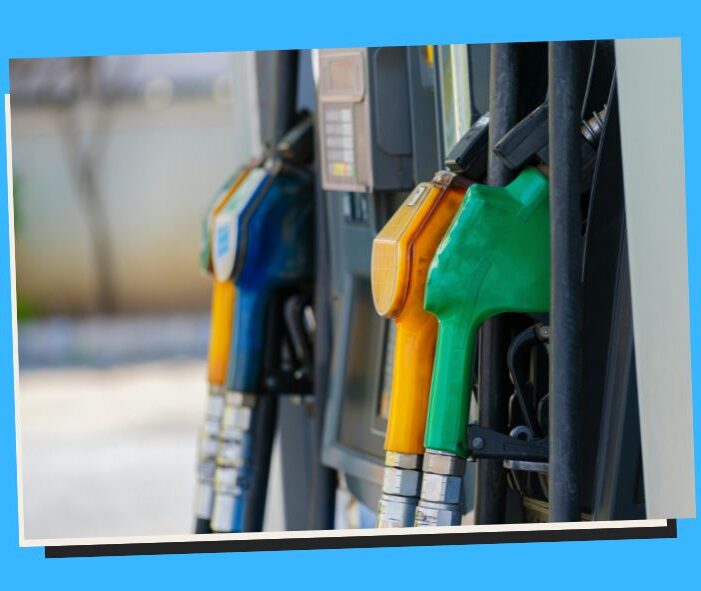
Fuel Hike Alert: Prepare for Higher Pump Prices Across the Philippines
Fuel prices rise again in the Philippines! Learn what’s behind the ₱1+ hike and how to cope with it.
Fuel Price Hike Alert: What Filipinos Need to Know About the Over ₱1 Per Liter Increase Set This Tuesday
In another swing of the pump price pendulum, oil firms across the Philippines have announced fuel price hikes starting Tuesday, just a week after substantial rollbacks. Major players Caltex, Shell, Seaoil, Petro Gazz, Cleanfuel, and Jetti confirmed that gasoline will rise by ₱1.35 per liter, diesel by ₱1.30, and kerosene by ₱1.10 per liter.
This announcement follows last week’s generous reductions, which saw gasoline decrease by ₱3.60 per liter, diesel by ₱2.90, and kerosene by ₱3.30. Despite those cuts, the overall trend remains concerning for consumers navigating volatile energy prices in a post-pandemic, inflation-sensitive economy.
According to the Department of Energy (DOE), the year-to-date net increase as of this week now stands at ₱0.95 per liter for gasoline and ₱1.55 for diesel, while kerosene remains at a net decrease of ₱2.90. Though still manageable in historical terms, the sudden reversal signals uncertainty in global oil prices, largely influenced by geopolitical instability, supply chain constraints, and global demand fluctuations.
This price adjustment will affect nearly every Filipino household, especially those relying on private vehicles, public transportation, or kerosene for cooking and lighting. With fuel cost as a core inflation driver, even a small hike ripples through the entire economy, from food prices to transportation fares.
So, how can ordinary citizens, businesses, and commuters prepare for, understand, and manage the impact of these price fluctuations?
Let’s break it all down.
Practical Tips to Cope with Fuel Price Hikes
- Carpool or Ride-Share: Save on gas by commuting with friends or coworkers or using services like GrabShare or Angkas.
- Use Fuel-Efficient Routes – Use apps like Waze or Google Maps to avoid traffic-heavy areas and reduce fuel consumption.
- Avoid Unnecessary Trips – Consolidate errands and appointments to reduce fuel usage.
- Maintain Your Vehicle—To maximize mileage, regularly tune up your engine, properly inflate tires, and replace filters.
- Monitor Fuel Prices Weekly – Stay updated via DOE advisories to plan fueling before hikes.
- Choose Budget-Friendly Gas Stations – Compare local fuel prices and opt for the lowest-priced, reputable providers.
- Switch to Public Transport – Buses, jeepneys, trains, and UV Express can offer cheaper alternatives.
- Use Loyalty Cards – Gas stations like Shell, Caltex, and Petron offer points and discounts with regular use.
- Plan Longer Commutes Strategically – Avoid peak hours to lessen idle time in traffic.
- Work from Home if Possible – Remote work reduces commuting expenses for flexible roles altogether.
Key Insights on the Price Hike
- Fuel prices are highly volatile and reflect global oil market conditions, not just local supply and demand.
- The rollback last week did not indicate a long-term trend; short-term fluctuations are still expected.
- Kerosene remains the only fuel type with a year-to-date net price decrease, which could benefit households that rely on it.
- The net increase in fuel prices in 2024 has been relatively low compared to 2022’s energy crisis levels.
- Diesel users, particularly transport sectors, will feel the squeeze as they have just experienced a rollback.
- Fuel hikes can trigger domino effects, higher delivery costs, increased fares, and pricier goods.
- Geopolitical tensions in the Middle East and Ukraine continue to affect crude oil benchmarks globally.
- As an oil-importing country, the Philippines is vulnerable to global supply shocks.
- Inflationary pressure may rise in the coming weeks if prices keep surging.
- The government may reintroduce fuel subsidies or “ayuda” for vulnerable sectors like PUV drivers.
FAQs About the Fuel Price Hike
1. Why are fuel prices going up again after a rollback?
Because of shifts in the global oil market, particularly increased demand or reduced supply.
2. How often do fuel prices change in the Philippines?
Usually, every Tuesday, based on global trading data and local supply factors.
3. Who sets the prices?
Oil companies adjust prices independently, but follow global oil price trends and import costs.
4. What role does the Department of Energy play?
The DOE monitors and reports fuel price trends but does not control pricing.
5. Can the government impose a price freeze?
Only during calamities or states of emergency, under strict conditions.
6. What can commuters expect?
There may be higher jeepney, bus, and taxi fares, especially if fuel price hikes continue.
7. Will fuel subsidies return?
Possibly. The government has previously issued ayuda or fuel vouchers for PUV drivers.
8. Does this affect LPG too?
No, LPG adjustments follow a separate pricing cycle and supply chain.
9. How does this impact inflation?
Fuel price hikes typically lead to increased transportation and food costs, fueling inflation.
10. Will prices go back down soon?
It depends on global conditions; oil prices are influenced by war, trade policies, and OPEC+ decisions.
Conclusion
As fuel prices surge again, Filipinos recalibrate daily routines, budgets, and strategies to manage rising costs. The more than ₱1 hike on gasoline, diesel, and kerosene highlights a broader reality: fuel pricing is not just a market number but a pulse point of the economy.
Despite recent relief, this return to elevated fuel prices reinforces the importance of energy literacy and personal adaptation. Every household, driver, and commuter has a role in responding wisely. From strategic fueling to embracing carpooling or public transport, there are ways to reduce both dependence and expense.
The role of the government cannot be understated either. Monitoring fuel prices, ensuring transparency, offering subsidies when necessary, and pushing for alternative energy sources will help alleviate the long-term impact of such cyclical shocks.
For now, vigilance, planning, and collective adaptation are key. Understanding fuel prices and being ready for their impact is no longer optional; it’s essential for survival in today’s economic landscape.
Let’s stay informed, alert, and empowered because fuel may fluctuate, but our resilience should not.
Link Resources
- Department of Energy – Fuel Price Updates
- Philippine News Agency
- Cleanfuel Official Page
- Shell Philippines
- Oil Price Tracker – Trading Economics
Key Phrases
- Philippines fuel price hike April 2025
- Gasoline and diesel price increase this Tuesday
- Oil firms fuel adjustment
- DOE fuel price advisory
- Gasoline up ₱1.35 per liter
- Diesel price update Philippines
- Why fuel prices are rising again
- Fuel-saving tips 2025
- How to beat fuel price hike
- PH kerosene price increase
Best Hashtags
#FuelPriceUpdate
#GasolineHike
#DieselPriceAlert
#PumpPricePH
#EnergyWatchPH
#OilPricePH
#SaveOnFuel
#CommuterTips
#PHGasUpdate
#InflationAlertPH

Oliver Bugarin – A blog writer with over a decade of experience in WordPress website creation and management, and creating articles on lifestyle, travel, technology, business, finance, and wellness. He is known for producing clear, engaging articles that resonate with readers and add value to any blog or website.
Contact him for collaborations or content writing opportunities. Facebook – LinkedIn
.
Save/Share this story with QR CODE
Disclaimer
This article is for informational purposes only and does not constitute endorsement of any specific technologies or methodologies and financial advice or endorsement of any specific products or services.
Contact Lead Media News
📩 Feel free to Contact Lead Media News for suggestions, collaborations, reviews, or anything else.





