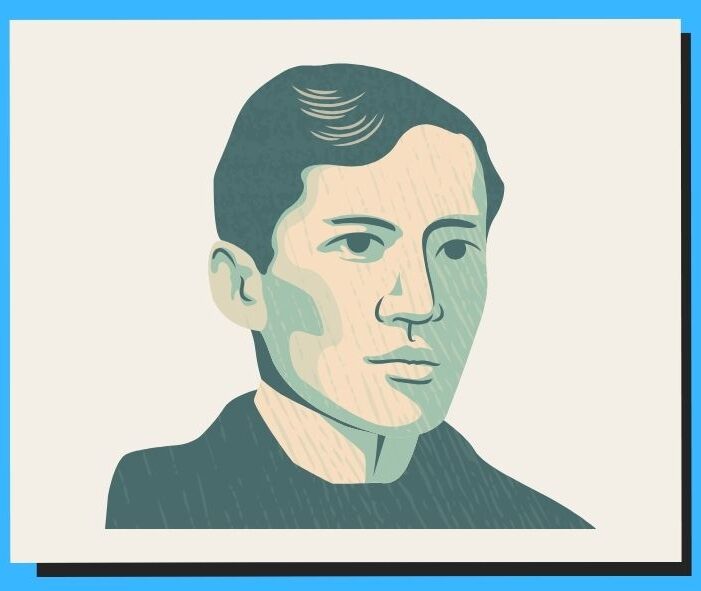
Filipino National Heroes: Timeless Leadership Lessons for the Modern World
Discover the leadership principles of Filipino heroes — and how you can apply them in your life.
🇵🇭 Filipino National Heroes: Leadership Lessons for Today 💡🦸♂️
Leadership isn’t just about titles but influence, purpose, and courage. Throughout Philippine history, national heroes have exemplified remarkable leadership traits that remain relevant in today’s fast-paced, tech-driven world. 🇵🇭💪 Whether you’re leading a business, a student group, or a community project, there’s so much to learn from the lives of Jose Rizal, Andres Bonifacio, Gabriela Silang, and other Filipino heroes.
In this blog post, we’ll explore how to apply timeless leadership lessons from Filipino heroes to modern life, including 10 powerful benefits and real-life applications. 🚀
✨ Why Learn Leadership from Filipino National Heroes?
Our heroes weren’t just freedom fighters but visionaries, reformers, educators, and risk-takers. Studying their actions gives us a compass for navigating modern leadership challenges: injustice, inequality, misinformation, and apathy. 📜➡️📲
They stood firm in the face of adversity, and so can we. 🙌
🔟 Benefits of Applying Heroic Leadership in Modern Times
- Purpose-Driven Decision-Making 🧭
Lead with a mission, not just metrics. - Resilience Under Pressure 💪
Stay grounded in tough times like our heroes did. - Authentic Influence 👥
Inspire through example, not authority. - Empowerment of Others 🤝
Help others rise with you. - Innovative Problem Solving 🧠💡
Use creativity and courage to find bold solutions. - Social Responsibility 🌏
Balance personal success with the collective good. - Cultural and Historical Awareness 📚
Lead with identity, pride, and respect for roots. - Unity in Diversity 🧑🤝🧑
Embrace inclusion like many revolutionaries did. - Moral Integrity ✊
Do what’s right, even when it’s not easy. - Long-Term Legacy Thinking 🏛️
Build something meaningful that lasts.
🛠️ How-To: Apply Filipino Heroes’ Leadership Lessons Today
Let’s break it down into actionable steps inspired by iconic figures:
1. Lead with Purpose like Jose Rizal 📝🇵🇭
Rizal’s life was centered on education, reform, and nonviolent resistance. He led with his pen, not a sword, proving that ideas can change the world.
Modern Tip:
Define your mission. Whether you’re starting a social media movement or building a business, be clear on your why.
📌 Ask yourself: “What am I really fighting for?”
2. Be Brave Like Andres Bonifacio 🔥🗡️
Bonifacio rose from humble beginnings to lead a revolution. He wasn’t the most educated, but he had courage, conviction, and a vision for an independent nation.
Modern Tip:
Don’t wait for permission to lead. Step up, speak out, and organize when needed — especially in your school, workplace, or community.
💬 “Ang tunay na pag-ibig sa bayan ay nasa pawis ng gawa.”
3. Stay Resilient Like Gabriela Silang 🏇👸
Gabriela led a resistance movement after her husband’s assassination — in a time when women were rarely allowed to lead.
Modern Tip:
Push forward even when the odds are stacked against you. Embrace resilience, and don’t fear standing out.
🌟 Leadership knows no gender.
4. Educate and Empower Like Apolinario Mabini 📚🧠
Known as the “Brains of the Revolution,” Mabini overcame physical disability to shape political strategy. His intellect was his weapon.
Modern Tip:
Invest in continuous learning. Read, research, and mentor others. Empower your team through knowledge.
👨🏫 Wisdom will always be your edge.
5. Stand for Justice Like Melchora Aquino (Tandang Sora) 🏠🍲
She gave shelter and food to wounded revolutionaries. She was selfless, brave, and respected by all.
Modern Tip:
Practice servant leadership. Use your position to protect and uplift others, not just yourself.
❤️ Even quiet acts of kindness can be revolutionary.
6. Speak Truth Like Marcelo H. del Pilar 🗞️📣
A fearless journalist, Del Pilar fought colonial abuse through the written word and founded revolutionary publications.
Modern Tip:
Use your voice to challenge injustice through blogs, social media, or peaceful protests. Communicate boldly but respectfully.
🖊️ Words have power. Use them wisely.
7. Organize Like Emilio Aguinaldo 📌📜
Though controversial, Aguinaldo’s organizational ability was critical in mobilizing resistance forces and founding the first Philippine Republic.
Modern Tip:
Master planning, delegation, and execution. If you have a vision, create a clear structure to make it happen.
🗂️ Good intentions need great systems.
8. Be Globally Minded Like Graciano Lopez Jaena 🌍📣
Through La Solidaridad, Lopez Jaena advocated for Filipino rights while in Spain. He understood both local and international dynamics.
Modern Tip:
Think globally, act locally. Stay informed on global issues and learn how they affect your community.
📡 Today’s leaders are digital citizens too.
9. Unite Diverse Voices Like Lapu-Lapu ⚔️🛡️
As the first Filipino to resist foreign colonization, Lapu-Lapu united his tribe to protect their land and culture.
Modern Tip:
Champion collaboration. Bring together people from different backgrounds for one cause.
🌈 Strength lies in unity.
10. Leave a Legacy Like Ninoy Aquino 🕊️🎤
Ninoy stood firm against dictatorship, believing that “the Filipino is worth dying for.” His sacrifice sparked a movement for democracy.
Modern Tip:
Think long-term. Build something that outlasts your role — a culture, system, or idea that helps others thrive.
🏛️ Legacy is the true measure of leadership.
💬 Real-World Applications: How Modern Leaders Practice Heroic Values
📍 Social Entrepreneurship
Young Filipinos are launching eco-friendly startups, inspired by Rizal’s vision of reform through peaceful, intelligent means.
📍 Grassroots Organizing
Community pantry initiatives — sparked during the pandemic — echo Bonifacio’s spirit of collective action.
📍 Digital Advocacy
Online movements against disinformation channel Del Pilar’s mission to speak the truth through the press.
📍 Educational Innovation
Teachers mentoring out-of-school youth carry Mabini’s torch, believing in the power of the mind over physical strength.
✅ Pros of Leadership Lessons from Filipino Heroes
- Vision-Driven Leadership 🌅
National heroes always worked with a long-term vision for the country’s freedom and welfare. - Moral Integrity 🧭
Leaders like Rizal, Mabini, and Del Pilar showed integrity in thought and action — never swayed by personal gain. - Courage in Adversity 🛡️
From Bonifacio to Gabriela Silang, courage was never optional — it was essential. - Empowering the People 🙌
Many heroes believed in people-led movements, not top-down control. - Sacrifice for a Cause 💔
They gave up comfort, careers, and even life — the ultimate leadership commitment. - Strategic Thinking 🧠
Emilio Aguinaldo and Antonio Luna displayed battlefield and political strategy. - Intellectual Rigor 📚
Rizal’s books and Mabini’s constitutional ideas came from disciplined scholarship. - Non-Violent Advocacy ✍️
Rizal led a revolution with his words, not weapons. - Organizational Skills 🏛️
Bonifacio’s Katipunan and Melchora Aquino’s support networks were well-organized. - Inspirational Legacy 💫
Their leadership continues to inspire movements, literature, and public service today.
❌ Cons and Challenges of Heroic Leadership Models
- Martyrdom Pressure ⚰️
Not every leader today should be expected to “die” for a cause — it’s unsustainable. - Romanticized History 📖
Over-glorifying heroes can lead to unrealistic expectations of leaders. - Limited Female Recognition 👩🦱
Except for a few like Gabriela Silang, female leadership was often overlooked in historical narratives. - Fragmented Unity 🤝❌
Even heroes disagreed (e.g., Bonifacio vs. Aguinaldo), causing internal conflicts. - Colonial-Centric Metrics 📏
Leadership was often defined by anti-colonial actions rather than nation-building strategies. - Lack of Economic Focus 💵
Most hero stories revolve around political freedom, not economic reform or sustainability. - Hierarchical Structures 🧱
Secret societies like the Katipunan were still rooted in hierarchical leadership. - Outdated Methods 📜
Some strategies may not translate well into the digital, decentralized modern world. - Hero Worship Culture 🛐
Idolizing individuals may hinder collaborative, team-based leadership. - Regional Bias 🌍
Luzon-based heroes often overshadow Visayas and Mindanao leaders.
🔍 Case Studies: Filipino Heroes in Leadership Action
1. Jose Rizal – Transformational Leader 📖🖋️
Used education and the written word to inspire change. “Noli Me Tangere” and “El Filibusterismo” awakened national consciousness.
2. Andres Bonifacio – Grassroots Organizer 💥📜
Founded the Katipunan, built a revolutionary network, and believed in mass mobilization for liberation.
3. Emilio Aguinaldo – Tactical General
Led successful battles, declared independence in 1898, and was the first president of the Philippines.
4. Apolinario Mabini – The Brains of the Revolution 🧠🏛️
Despite being paralyzed, Mabini shaped government policies and wrote pivotal political essays.
5. Gabriela Silang – The Warrior Woman 🏇🔥
Led a resistance movement in Ilocos after her husband Diego Silang was assassinated — a symbol of empowered female leadership.
6. Antonio Luna – Strategic Warrior ⚔️🎖️
Organized one of the most disciplined revolutionary armies, focused on discipline and defense strategy.
7. Melchora Aquino – “Tandang Sora” 🧓💪
Sheltered, fed, and healed revolutionaries; an example of behind-the-scenes leadership.
8. Marcelo H. del Pilar – Communication Leader 🗞️📬
Wrote under pen names to criticize colonial rule through newspapers like La Solidaridad.
9. Juan Luna – Artistic Influence 🖼️🇵🇭
Used his art to stir nationalism and inspire pride among Filipinos.
10. Diego Silang – Federalist Visionary ⚖️🌅
Fought not only for independence but for autonomous governance and federal-style regions.
🧠 Key Takeaways for Modern Leaders
- Lead with Purpose, Not Ego.
Always connect your actions to a bigger cause, just like our heroes did. 🎯 - Education is Power.
Rizal proved that knowledge can be revolutionary. Read. Write. Share. 📚 - Empower Others.
Great leaders create more leaders, not followers. 🙋♂️🙋♀️ - Courage Over Comfort.
Stand firm even when it’s inconvenient or risky. 🛡️ - Communicate Effectively.
Use your voice, writing, and digital tools to influence positive change. 📱✍️ - Stay Grounded in Values.
Integrity, humility, and love for your country should be your compass. 🧭 - Learn from Conflict.
Even our heroes had disagreements. Don’t fear a healthy debate. 🤔🗣️ - Adapt With the Times.
Combine traditional values with modern tools — the perfect formula. 🧰💻 - Champion Inclusivity.
Support gender equality and regional voices in leadership. 🌏👥 - Legacy Over Popularity.
Focus on long-term impact, not likes or followers. 👣✨
🙋 FAQs with Answers
1. Who is the most influential Filipino hero in terms of leadership?
Answer: Jose Rizal, for his intellectual approach, moral compass, and non-violent advocacy.
2. Why should we learn leadership from historical figures?
Answer: Because their stories are rich with tested lessons in vision, resilience, and community empowerment.
3. How can I apply hero leadership in my job or business?
Answer: Lead with integrity, empower your team, and think long-term — traits that heroes like Mabini or Del Pilar exemplify.
4. Are these leadership traits still relevant today?
Answer: Absolutely! Courage, empathy, and accountability are timeless traits — just now applied in tech startups, schools, and public service.
5. Is hero worship dangerous in leadership?
Answer: It can be. While heroes inspire, it’s best to focus on their values and actions, not just their personalities.
6. Which modern Filipino leaders reflect these hero traits?
Answer: Leaders like Leni Robredo, Efren Peñaflorida, and Chel Diokno show purpose-driven leadership grounded in service.
7. How can youth embrace hero-inspired leadership?
Answer: Start local — volunteer, organize cleanups, lead student councils, or use social media for good causes.
8. Are female heroes less visible in history books?
Answer: Unfortunately, yes. But today, voices like Gabriela Silang’s are being reclaimed and celebrated more actively. 💪👩
9. What’s the role of storytelling in leadership?
Answer: Storytelling builds trust, creates movements, and helps people remember core values — just like our heroes’ lives continue to do.
10. How can I become a modern-day hero in my own way?
Answer: Lead with courage, be authentic, take action for others, and always work for a better community — big or small. 💖🌱
✨ Conclusion
Leadership doesn’t have to mean holding power — it can mean holding hope, holding hands, and holding fast to truth. Our Filipino national heroes have given us more than historical pride — they’ve handed us a roadmap to leadership that is honorable, empathetic, and impactful.
You don’t need to be a statue to become a hero. You just need vision, courage, and a heart that serves others. 💖🇵🇭
🔗 Link Resources
- National Historical Commission of the Philippines (NHCP)
- Official Gazette: Profiles of National Heroes
- Jose Rizal Biography – NCCA
- Bonifacio and the Katipunan – NHCP Resources
- Apolinario Mabini: The Sublime Paralytic – National Commission for Culture and the Arts
- Museo ni Emilio Aguinaldo Virtual Tour
- Araw ng mga Bayani Commemorations
- Learning Resources on Philippine History – DepEd Commons
- Leadership Reflections from Philippine History – Rappler
- Heroism in Modern Context – GMA News Feature
🔑 Key Phrases
- Filipino national heroes
- Leadership from history
- Rizal’s leadership lessons
- Heroic leadership in the Philippines
- Modern leadership values
- Filipino traits of a leader
- Historical leadership examples
- Lessons from the Philippine Revolution
- Heroic leadership principles
- Filipino role models for leadership
📲 Best Hashtags
- #FilipinoHeroes
- #LeadershipLessons
- #RizalWisdom
- #LeadLikeAHero
- #PinoyLeadership
- #KatipunanSpirit
- #HeroicLeadership
- #FilipinoPride
- #LegacyOfLeadership
- #BayaniNgBayan

Oliver Bugarin – A blog writer with over a decade of experience in WordPress website creation and management, and creating articles on lifestyle, travel, technology, business, finance, and wellness. He is known for producing clear, engaging articles that resonate with readers and add value to any blog or website.
Contact him for collaborations or content writing opportunities. Facebook – LinkedIn
.
Save/Share this story with QR CODE
Disclaimer
This article is for informational purposes only and does not constitute endorsement of any specific technologies or methodologies and financial advice or endorsement of any specific products or services.
Contact Lead Media News
📩 Feel free to Contact Lead Media News for suggestions, collaborations, reviews, or anything else.





