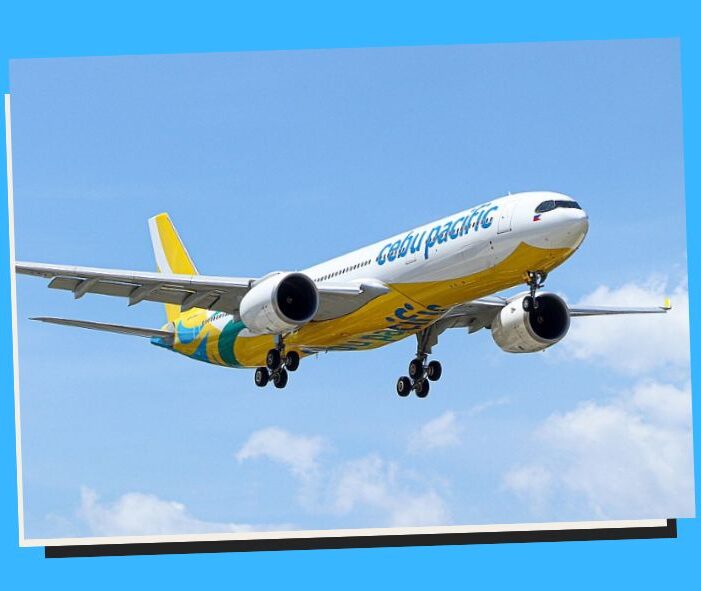
Holiday Travel Just Got Better: Inside Cebu Pacific’s Plan to Double Seat Capacity
Travel to your favorite destinations just got easier. Learn how Cebu Pacific is expanding its fleet to meet holiday demand and fuel growth.
Taking Flight: How Cebu Pacific’s Capacity Boost is a Catalyst for Philippine Tourism and Local Economies
In an archipelago like the Philippines, air travel is more than just a convenience; it is the lifeblood that connects its islands, fuels its economy, and brings communities closer together. The recent announcement by low-cost carrier Cebu Pacific (CEB) to double its seat capacity on key domestic routes to Bohol, Iloilo, and Puerto Princesa is a significant development that resonates far beyond the airline industry. This strategic move, which involves deploying the larger, more efficient 459-seater A330neo aircraft, is a powerful signal of a recovering and thriving tourism sector, a growing economy, and a commitment to making travel more accessible for every Filipino.
This article provides a comprehensive look into the implications of this expansion. For business owners in the tourism and hospitality sectors, it’s a direct indicator of increased foot traffic and opportunity. For marketing professionals, it offers a new canvas to promote destinations and local products. For students of business and sustainability, it’s a case study in strategic fleet management and its economic ripple effects. And for all Filipinos, it’s an exciting promise of more affordable and comfortable travel, especially with the festive holiday season just around the corner.
Expounding on the News: The Strategic Play of Cebu Pacific
Cebu Pacific’s decision to replace its smaller A320 and A321 aircraft with the widebody A330neo on routes to Bohol, Iloilo, and Puerto Princesa is a masterclass in strategic business and operational planning. Currently, these routes are served by aircraft with capacities of up to 180 and 236 seats. The switch to the A330neo, with its 459-seat configuration, effectively doubles the available seats. This is not just a simple swap; it’s a calculated response to the burgeoning demand for air travel, especially to these popular tourist destinations. As CEB President Xander Lao noted, this move is designed to offer more seats, which in turn allows for lower fares and a more comfortable travel experience.
The timing of this expansion is also crucial. The new flights are set to begin in the coming months, with Manila to Iloilo starting on October 26, Manila to Puerto Princesa on November 2, and Manila to Bohol on November 16. This aligns perfectly with the peak holiday season in the Philippines, a period of high travel demand for both domestic tourists and Filipinos returning home from abroad. By increasing capacity just before this surge, Cebu Pacific is positioning itself to capture a larger share of the market while simultaneously helping to manage demand, which can lead to a more stable and competitive fare environment.
The economic ripple effect of this expansion is immense. Increased capacity on these routes directly translates to a higher volume of tourists and visitors. This influx of travelers stimulates economic activity in the destination provinces, from local businesses like hotels, restaurants, and tour operators to small-scale vendors and transport providers. The statement from Cebu Pacific’s president, highlighting that the expansion will “help drive tourism and stimulate economic activity, creating opportunities for local communities and further supporting the growth of Philippine tourism,” is not an exaggeration. The tourism sector is a major contributor to the Philippine GDP, and an increase in air travel capacity is a direct catalyst for its growth.
Furthermore, Cebu Pacific’s status as the largest operator of A330neo aircraft in Asia Pacific, with a fleet of 12 of these modern jets, speaks to its forward-thinking strategy. The A330neo is a next-generation aircraft that provides not only high passenger capacity but also significant fuel efficiency. The airline notes that the A330neo burns up to 25% less fuel per flight, which translates to a corresponding reduction in carbon emissions. This move is a testament to the airline’s dual commitment to commercial viability and environmental sustainability. By optimizing its fleet to serve both long-haul and busy domestic routes with a cost-efficient aircraft, CEB is setting a new standard for the industry.
The expansion to these three destinations, which are already popular domestic hubs, confirms their importance in the Philippine tourism landscape. Iloilo, with its rich history and vibrant culinary scene, Bohol, with its iconic Chocolate Hills and pristine beaches, and Puerto Princesa, a gateway to Palawan’s world-renowned natural wonders, are all prime examples of how air travel directly contributes to local prosperity. This move is a clear investment in these local economies and an acknowledgment of their growing appeal to travelers.
10 Key Benefits of Increased Flight Capacity
- Lower Airfares: Increased seat supply often leads to a more competitive pricing environment, making travel more affordable.
- Increased Tourism Flow: More available seats will encourage a higher number of tourists and visitors to these destinations.
- Economic Stimulation: A surge in visitors directly boosts local businesses, including hotels, restaurants, and tour companies.
- Job Creation: Increased tourism and economic activity can lead to new job opportunities in the service and hospitality sectors.
- Enhanced Travel Convenience: The larger aircraft provide a more comfortable flying experience for passengers.
- Direct Investment in Regional Economies: The airline’s commitment to these routes is a form of direct investment in their local economies.
- Support for Local Producers: As tourism grows, the demand for local products and services increases, benefiting small-scale businesses.
- Improved Connectivity: The expansion reinforces the connection between the capital and key regional centers, vital for an archipelago.
- Fuel Efficiency and Sustainability: The use of modern, fuel-efficient aircraft like the A330neo contributes to a reduced carbon footprint per passenger.
- Anticipates Holiday Demand: The timely capacity increase helps manage the expected surge in travel during the upcoming holiday season.
10 Actionable Tips for Leveraging the Airline Expansion
- For Business Owners (in Bohol, Iloilo, and Puerto Princesa): Prepare for an influx of customers by optimizing your services, increasing staff, and stocking up on supplies.
- For Marketing Professionals: Develop targeted campaigns that highlight the ease and affordability of travel to these destinations, leveraging Cebu Pacific’s expanded capacity.
- For Local Government Units: Partner with the airline and tourism stakeholders to ensure local infrastructure and services can accommodate the increased tourist traffic.
- For Aspiring Entrepreneurs: This is a perfect time to launch new ventures in the tourism and hospitality sectors in these key provinces.
- For Students of Tourism: Conduct case studies on the economic impact of this expansion to better understand the dynamics of air travel and local economies.
- For Travelers: Plan your trips to these destinations by booking flights in advance to take advantage of potentially lower fares.
- For Local Communities: Engage with tourists and showcase local culture and heritage to enhance their travel experience.
- For Online Content Creators: Create travel guides, vlogs, and social media content that highlights new attractions and experiences in the expanded routes.
- For Hospitality Managers: Train your teams on upselling, customer service, and local knowledge to provide a high-quality experience for the expected increase in guests.
- For Sustainable Tourism Advocates: Promote responsible travel practices to ensure that the increased tourism does not negatively impact the delicate ecosystems of these destinations.
Insights into the Air Travel and Tourism Sector
- The “LCC Effect”: Low-cost carriers (LCCs) like Cebu Pacific have been instrumental in democratizing air travel, making it accessible to a much wider segment of the population and acting as a primary driver of domestic tourism.
- Fleet Modernization as a Strategy: Investing in modern, fuel-efficient aircraft is a dual-pronged strategy for airlines to manage operational costs and address growing environmental concerns.
- Demand-Driven Expansion: Airlines strategically deploy larger aircraft on routes where there is proven high demand, a key indicator of a route’s profitability and importance to the network.
- The Holiday Rush: The period leading up to and during the holiday season is a high-yield period for airlines. Maximizing capacity during this time is a crucial revenue-generation strategy.
- Tourism is a Local Economic Engine: Tourism’s impact extends far beyond the airline and hotel industries; it creates a cascade effect that supports a wide range of local businesses, from farmers and artisans to transport providers.
- The Importance of Destination Marketing: Increased flight capacity must be paired with effective destination marketing to convert available seats into actual bookings and tourist arrivals.
- Sustainability in Aviation: The use of new-generation aircraft, while reducing emissions, is only one part of the sustainability puzzle. Airlines are also exploring sustainable aviation fuels (SAFs) and operational efficiencies.
- Connectivity for Local Communities: Beyond tourism, these routes are vital for connecting local communities to the capital, facilitating business, family visits, and access to essential services.
- Infrastructure as a Bottleneck: While airlines are increasing capacity, the real bottleneck could be the airport infrastructure in these provinces, which must be able to handle the increased passenger volume.
- Tourism as a Catalyst for National Pride: Promoting domestic tourism not only boosts the economy but also fosters a deeper appreciation among Filipinos for their own culture, heritage, and natural wonders.
Frequently Asked Questions (FAQ)
1. What is the difference between an A320 and an A330neo? The Airbus A320 is a narrow-body aircraft primarily used for short- to medium-haul routes, typically seating up to 180 passengers. The A330neo is a wide-body, long-haul aircraft with a significantly higher capacity, seating up to 459 passengers for Cebu Pacific.
2. Why is Cebu Pacific using a wide-body aircraft on domestic routes? Cebu Pacific is utilizing the A330neo on these busy domestic routes to maximize seat capacity, meet high travel demand, and leverage the aircraft’s fuel efficiency on short hauls to keep fares competitive.
3. Will this expansion lead to lower airfares for all flights? While the increased seat capacity generally puts downward pressure on fares for these specific routes, it may not affect all other domestic and international flights. Fares are influenced by a combination of supply, demand, and other market factors.
4. When will the new A330neo flights to Bohol, Iloilo, and Puerto Princesa start? The new A330neo flights to Iloilo will begin on October 26, to Puerto Princesa on November 2, and to Bohol on November 16.
5. How does this expansion help local communities? The influx of tourists and visitors will stimulate economic activity for local businesses, create jobs, and increase demand for local products and services, benefiting the entire community.
6. What is Cebu Pacific’s standing in the Asia Pacific region? Cebu Pacific is the largest operator of the Airbus A330neo aircraft in the Asia Pacific, highlighting its commitment to modern and fuel-efficient fleet management.
7. Is the A330neo an environmentally friendly aircraft? The A330neo is considered a next-generation aircraft that is more fuel-efficient and produces less noise than older models, leading to a reduced carbon footprint per passenger.
8. How can travelers contribute to sustainable tourism in these destinations? Travelers can contribute by supporting local businesses, respecting local culture and environment, minimizing waste, and choosing tours and activities that are environmentally responsible.
9. What other destinations does Cebu Pacific’s A330neo fly to? Cebu Pacific currently utilizes the A330neo for flights to Cebu, Davao, and General Santos, as well as several international destinations across Asia, Australia, and the United Arab Emirates.
10. What is the significance of the expansion happening before the holiday season? The expansion is strategically timed to meet the expected surge in travel demand during the holiday season, ensuring more people can travel and that the airline can maximize its operational efficiency during this peak period.
Conclusion
Cebu Pacific’s strategic decision to double its seat capacity on flights to Bohol, Iloilo, and Puerto Princesa is a powerful statement of confidence in the future of Philippine tourism. This move not only promises more affordable and accessible travel for Filipinos but also serves as a critical economic engine for these vibrant regional hubs. For business owners, this is an invitation to innovate and grow. For students, it’s a living lesson in market dynamics and sustainable business practices. And for every Filipino, it’s a testament to the nation’s resilience and a reminder that our beautiful islands are more connected than ever before.
Let us embrace this new era of air travel with optimism and purpose. By supporting local economies, promoting responsible tourism, and leveraging these new opportunities, we can ensure that this expansion is a catalyst for shared prosperity and sustainable growth. The future is taking flight, and we are all on board. 🌍✈️
Link Resources
- Cebu Pacific
- Philippine Department of Tourism (DOT)
- Airbus Official Website (A330neo information)
- Publications on Tourism Market Intelligence
- Tourism Promotions Board Philippines
Key Phrases
- Cebu Pacific seat capacity
- A330neo domestic routes
- Bohol, Iloilo, Puerto Princesa flights
- Cebu Pacific fleet expansion
- Economic impact of tourism
- Low-cost carrier Philippines
- Philippine tourism growth
- Air travel accessibility
- High efficiency aircraft
- Holiday travel Philippines
Best Hashtags
#CebuPacific #CEB #TravelPH #TourismPhilippines #Bohol #Iloilo #PuertoPrincesa #A330neo #FlyCeb #PhilippineTourism

Oliver Bugarin – A blog writer with over a decade of experience in WordPress website creation and management, and creating articles on lifestyle, travel, technology, business, finance, and wellness. He is known for producing clear, engaging articles that resonate with readers and add value to any blog or website.
Contact him for collaborations or content writing opportunities. Facebook – LinkedIn
.
Save/Share this story with QR CODE
Disclaimer
This article is for informational purposes only and does not constitute endorsement of any specific technologies or methodologies and financial advice or endorsement of any specific products or services.
Contact Lead Media News
📩 Feel free to Contact Lead Media News for suggestions, collaborations, reviews, or anything else.





