Your Kitchen, Your Pharmacy: Food as Medicine in Filipino Culture
Discover how traditional Filipino spices function as a form of medicine for enhancing immunity, promoting digestion, and alleviating stress.
Food as Medicine: Filipino Herbs & Spices
Filipino cuisine is not only a feast for the senses. It is also deeply rooted in healing traditions that have been passed down through generations. Long before Western medicine arrived, Filipinos turned to their kitchens and backyards for remedies using herbs and spices that continue to thrive in our dishes today. 🌿
From ginger for sore throats to malunggay for immunity, this article uncovers how Filipino herbs and spices support holistic wellness. Discover how these everyday ingredients double as powerful healing tools.
Benefits of Filipino Herbs and Spices as Medicine
- Boosts Immunity Naturally
Herbs like malunggay and turmeric are packed with antioxidants and vitamins that support your immune system. - Reduces Inflammation
Turmeric and ginger have natural anti-inflammatory compounds that help manage pain and swelling. - Supports Digestion
Lemongrass and bay leaves ease bloating, indigestion, and stomach cramps. - Improves Respiratory Health
Lagundi and sambong are traditional herbs used to treat coughs, colds, and asthma. - Helps Regulate Blood Sugar
Bitter gourd (ampalaya) is widely recognized for its blood sugar-lowering properties. - Detoxifies the Body
Tanglad (lemongrass) helps cleanse the liver and kidneys. - Promotes Heart Health
Garlic and turmeric support cardiovascular function and help reduce cholesterol levels. - Relieves Stress and Anxiety
Pandan and ginger teas calm the nerves and promote relaxation. - Aids in Weight Management
Herbal teas and spices, such as cinnamon and ginger, help boost metabolism. - Prevents Common Illnesses
Using herbs in daily cooking helps protect the body against colds, flu, and minor infections.
Tips to Integrate Healing Spices into Your Diet
- Add turmeric to your rice or soups for added color and health benefits.
- Brew ginger tea after meals to aid digestion.
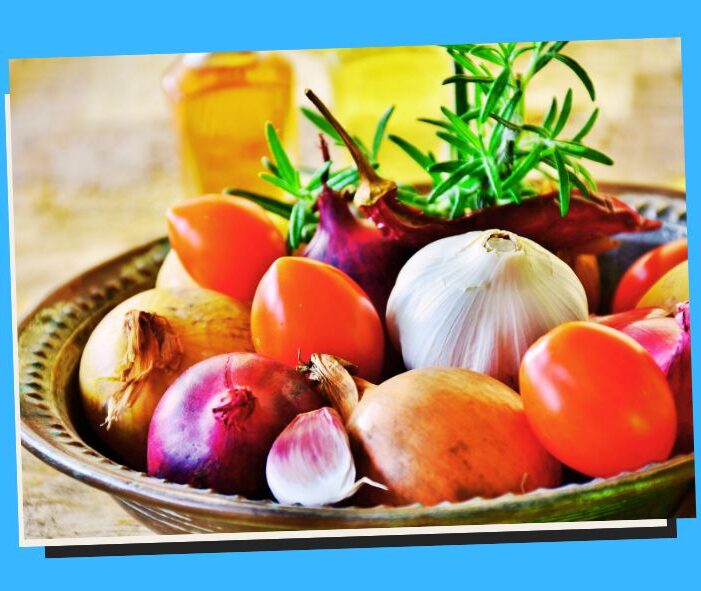
- Use garlic and onion generously in daily sautés.
- Steep lagundi leaves as a homemade cough remedy.
- Cook soups with malunggay leaves for added nutrients.
- Use ampalaya in stir-fries or as juice for diabetes support.
- Flavor dishes with lemongrass to cleanse your palate and liver.
- Incorporate pandan leaves in desserts and teas to soothe anxiety.
- Substitute salt with natural spices like black pepper and chili.
- Make your herb infusions using dried local leaves.
Insights on Filipino Herbal Traditions
- Filipino folk medicine is known as “Hilot,” a blend of herbalism, massage, and spirituality.
- Malunggay is called the “miracle tree” due to its nutrient-rich profile.
- Sambong is approved by the Department of Health in the Philippines as an herbal medicine.
- Many Filipino spices have parallels in Ayurvedic and Chinese medicine.
- Balai ng albularyo (herbalist homes) are still visited in rural areas.
- Traditional herbal teas are given to mothers post-childbirth for recovery.
- Bayabas (guava) leaves are used to treat wounds and mouth sores.
- Tsaang Gubat (wild tea) is used to treat diarrhea and mouth infections.
- Food and medicine are culturally inseparable in Filipino households.
- Filipino elders are often the custodians of herbal knowledge, passing it orally.
Case Studies of Healing through Filipino Herbs
- Maria from Cebu used malunggay daily and saw her anemia improve.
- Carlos in Bohol reversed prediabetes with a diet including ampalaya and turmeric.
- Aling Nena in Cavite cured her cough with lagundi leaves instead of over-the-counter meds.
- An Ilongga chef promotes garlic-rich recipes for heart health in her restaurant.
- A wellness spa in Palawan integrates ginger scrubs for joint relief.
- Davao farmers cultivate sambong for local herbal medicine businesses.
- A hospital in Quezon City partnered with local herbalists to reduce antibiotic use.
- A family in Baguio uses guava leaf rinse as part of dental care.
- Teachers in Iloilo are encouraging the use of malunggay snacks in public schools to combat malnutrition.
- A Batangas retreat center serves turmeric-based menus to boost guest wellness. 🌱
Frequently Asked Questions (FAQs)
1. Are Filipino herbs safe for daily use?
Yes, when used in proper amounts and without contraindications.
2. Can I grow these herbs at home?
Absolutely. Herbs like malunggay, pandan, and ginger grow well in tropical home gardens.
3. Where can I buy Filipino herbs?
Check your local markets, herbal stores, or health food shops that specialize in local produce.
4. Do herbs interact with medication?
Some can. Always consult your doctor before combining herbs with prescribed medicine.
5. Are Filipino herbal remedies scientifically supported?
Many are. The Department of Health has validated several as safe and effective.
6. What’s the best way to consume these herbs?
Steeping in tea, adding to meals, or consuming as capsules or tinctures.
7. Are there age restrictions for herbal remedies?
Infants, pregnant women, and seniors should use them with medical guidance.
8. Can I use herbs instead of antibiotics?
They may help prevent infections, but should not replace antibiotics in serious cases.
9. What are the side effects?
Generally minimal, but overuse of ampalaya or sambong may cause issues in sensitive individuals.
10. Can herbs help with COVID-19 recovery?
They can support immunity, but are not substitutes for vaccines or professional treatment.
Conclusion
Filipino herbs and spices are more than just culinary treasures. They are tools of wellness, carriers of ancestral wisdom, and protectors of health. As we return to natural ways of living, let us embrace our heritage not just in taste, but in the way we heal. 🌺
Incorporate these herbs into your meals, grow them in your garden, or share their stories with loved ones. Every pinch of turmeric or leaf of malunggay connects us to centuries of healing knowledge.
Let your kitchen be a sanctuary of both flavor and health. Begin today. One herb at a time.
Link Resources
- Philippine Institute of Traditional and Alternative Health Care (PITAHC)
- DOST Herbal Medicines
- National Library of Medicine (Malunggay)
- PubMed – Scientific studies on Filipino plants
- Rappler – How Filipino food heals
Key Phrases
- Filipino herbal medicine
- Healing with food
- Traditional Filipino herbs
- Food as medicine
- Herbal remedies in the Philippines
- Benefits of malunggay and turmeric
- Natural Filipino health tips
- Medicinal spices in Filipino cooking
- Filipino home remedies
- Pinoy kitchen healing secrets
Best Hashtags
#FilipinoHerbs
#FoodAsMedicine
#WellnessCuisine
#TraditionalHealing
#PinoyHealth
#HerbalRemediesPH
#NaturalHealing
#MalunggayPower
#HealingSpices
#PhilippineWellness

Oliver Bugarin – A blog writer with over a decade of experience in WordPress website creation and management, and creating articles on lifestyle, travel, technology, business, finance, and wellness. He is known for producing clear, engaging articles that resonate with readers and add value to any blog or website.
Contact him for collaborations or content writing opportunities. Facebook – LinkedIn
.
Save/Share this story with QR CODE
Disclaimer
This article is for informational purposes only and does not constitute endorsement of any specific technologies or methodologies and financial advice or endorsement of any specific products or services.
Contact Lead Media News
📩 Feel free to Contact Lead Media News for suggestions, collaborations, reviews, or anything else.





