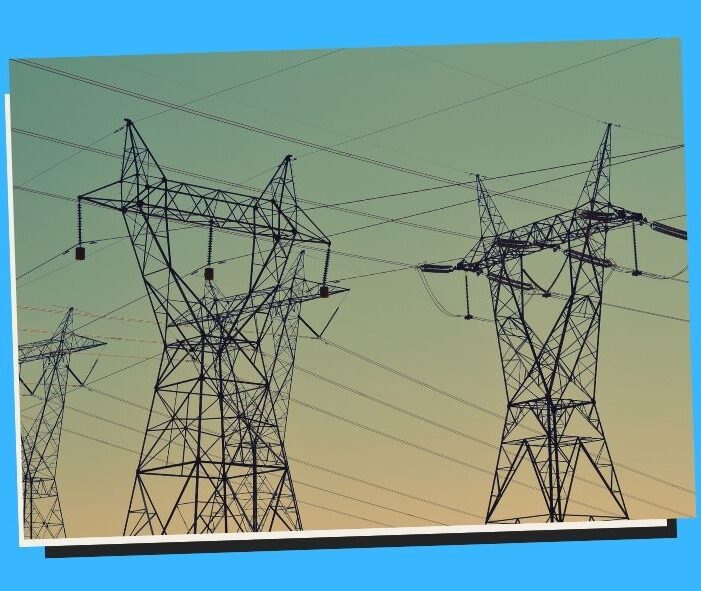
Why the Philippines Needs Nuclear Power: A Path to Energy Independence
Nuclear power isn’t just about the future; it’s about securing energy today. Here’s how the Philippines can embrace this technology for long-term benefits.
Towards a Secure, Sustainable Energy Future: The Role of Nuclear Power in the Philippines’ Energy Landscape
In the rapidly changing global energy environment, the Philippines has a pressing need to rethink and reimagine its energy future. With energy demand rising and climate change becoming an ever-looming threat, finding reliable, low-carbon energy solutions is more imperative than ever. This is precisely where Meralco’s launch of the Nuclear Energy Strategic Transition (NEST) program takes center stage, presenting nuclear energy as a promising solution for a secure and sustainable energy future. Through collaboration, government support, and forward-thinking vision, this initiative has the potential to propel the country towards a more stable, cost-effective, and environmentally friendly energy system.
The Vision for NEST: A Commitment to Long-Term Energy Security
The NEST program, announced during the Giga Summit 2025, is a pioneering initiative from Meralco aimed at integrating nuclear energy into the Philippines’ power supply mix. According to Meralco Chairperson and CEO Manuel V. Pangilinan (MVP), NEST represents the company’s flagship initiative to bring nuclear energy into the fold of the country’s long-term, low-carbon energy strategy. Nuclear power, with its potential for high efficiency and low emissions, stands as a viable solution to meet the country’s growing energy demand while tackling the existential threat of climate change.
Meralco’s bold plan includes a phased approach to incorporating nuclear energy, with several key strategies in place. The company is exploring large-scale greenfield projects through partnerships with international nuclear agencies such as the International Atomic Energy Agency (IAEA), Nuclear Energy Agency (NEA), and nuclear operators from countries like France and South Korea. Moreover, Meralco is investigating the deployment of small modular reactors (SMRs) in collaboration with the United States, alongside the possibility of rehabilitating the mothballed Bataan Nuclear Power Plant. These efforts aim to diversify the energy mix and bolster energy security in the face of rising energy demand.
A Steady Path Toward a Sustainable Energy Future
Meralco’s approach is methodical and ensures due diligence when evaluating the feasibility of nuclear energy in the Philippines. This careful evaluation process includes the extensive study of safety measures, regulatory readiness, and public engagement. It is crucial that the public’s concerns about nuclear energy are addressed transparently. Adopting atomic energy needs to be supported by a comprehensive policy framework that guarantees the highest safety standards and regulatory oversight. Meralco’s partnership with international experts and agencies is a significant step in ensuring that the Philippines adopts best practices from countries with advanced nuclear power programs.
In 2023, Meralco took another critical step by launching the Filipino Scholars and Interns on Nuclear Engineering (FISSION) program. Through FISSION, Meralco has already sent five young Filipino scholars abroad to study nuclear engineering, preparing the next generation of Filipino scientists and engineers to lead the country’s nuclear energy future. These efforts are essential for the country’s energy security and equipping the Filipino workforce with the skills necessary to operate and maintain nuclear energy technologies.
Overcoming Public Concerns: Learning from Global Best Practices
Despite the numerous benefits that nuclear energy can bring, it is understandable that the word “nuclear” may still elicit concern from many people, especially in light of historical events like Chernobyl and Fukushima. The fear surrounding nuclear energy, often exacerbated by these past disasters, is a significant challenge that must be addressed. However, it is essential not to allow fear to paralyze the country’s progress in energy innovation.
Countries like France, South Korea, and the United States have successfully integrated nuclear energy into their power supply mix, and the Philippines can learn from their experiences. France, for example, derives over 70% of its electricity from nuclear power, making it one of the most successful models of nuclear energy adoption worldwide. South Korea, meanwhile, has become a global leader in nuclear technology and has established strict safety regulations that ensure the safe operation of its nuclear plants. By studying these international models and adopting the best practices from countries with established nuclear programs, the Philippines can avoid potential pitfalls and mitigate the risks associated with nuclear power.
The Need for Public-Private Collaboration
A key takeaway from the launch of NEST is the importance of collaboration. Achieving a secure and sustainable energy future is not something that any single entity or sector can accomplish. It requires the combined efforts of government, private companies, international agencies, and the general public. As energy security is a shared responsibility, involving all stakeholders in the conversation is critical. This can be achieved through public-private partnerships, knowledge-sharing, and transparent communication.
Meralco’s role in the NEST program exemplifies how the private sector can contribute to the country’s energy security. However, the government also plays a vital role in establishing policies that support the adoption of nuclear energy. The regulatory framework should be robust, transparent, and geared towards ensuring public safety. This includes regular safety checks, constant monitoring, and engagement with the public to foster trust and understanding. Public consultations, town hall meetings, and educational campaigns are essential to ensuring citizens are informed about the benefits and risks of nuclear energy.
Moving Forward: A Call to Action
The road to a sustainable energy future will not be without challenges. However, the Philippines can overcome these challenges through active and open collaboration, combined with a long-term, thoughtful approach. Introducing nuclear power through the NEST program is just the beginning of a transformative journey towards energy security. It is essential for policymakers, industry experts, regulators, academics, and the public to continue working together to ensure that nuclear energy is adopted safely and responsibly.
Adopting nuclear power offers a promising path towards a secure and sustainable energy future for the Philippines. The country must embrace this opportunity with careful planning, international collaboration, and open public engagement. By doing so, the Philippines will meet its rising energy demands and contribute to the global fight against climate change.
Benefits of Nuclear Energy for the Philippines
- Low-Carbon Power: Nuclear energy is a clean energy source that produces virtually no greenhouse gas emissions during operation.
- Energy Security: Diversifying the energy mix with nuclear power will reduce dependence on imported fossil fuels, enhancing national energy security.
- Reliable Base Load Power: Nuclear power plants provide consistent and reliable electricity 24/7, unlike some renewable sources like wind or solar.
- Long-Term Sustainability: Nuclear energy offers a long-term solution to the growing demand, providing stable energy for future generations.
- Economic Growth: The development of nuclear energy infrastructure creates engineering, construction, and operations jobs.
- Reduced Air Pollution: Nuclear power significantly reduces air pollution compared to coal and natural gas plants.
- Energy Independence: Utilizing nuclear energy will reduce the Philippines’ reliance on imported oil and gas, strengthening energy independence.
- Technological Advancement: Nuclear energy brings cutting-edge technology to the country, promoting innovation and research.
- Public-Private Collaboration: Nuclear power development fosters collaboration between government, private industry, and international partners.
- Climate Change Mitigation: Nuclear energy can play a key role in reducing carbon emissions and meeting international climate goals.
Tips for the Successful Adoption of Nuclear Energy
- Implement Strict Safety Standards: Ensure nuclear facilities meet the highest international safety standards.
- Engage the Public: Regularly educate the public about nuclear energy and its benefits.
- Foster Public-Private Partnerships: Encourage government, private sector, and international partners to collaborate.
- Invest in Research and Development: Focus on developing new nuclear technologies such as small modular reactors (SMRs).
- Build Infrastructure Gradually: Start with pilot projects and scale up as the technology matures.
- Involve Local Communities: To address their concerns, include communities near potential nuclear sites in the planning process.
- Monitor and Regulate: Ensure continuous oversight and regulation to maintain safety and efficiency.
- Provide Financial Support: Secure funding for nuclear projects through public and private investment.
- Train Skilled Workforce: Invest in education and training programs for engineers and technicians in nuclear science.
- Review and Improve Policies: Regularly assess nuclear energy policies and make necessary adjustments based on emerging technologies and research.
Insights for Moving Toward a Sustainable Energy Future
- Renewables and Nuclear Together: Nuclear energy should complement, not replace, renewable energy sources in the energy mix.
- Global Collaboration: International cooperation in nuclear energy research and development will accelerate progress.
- Public Trust: Building public trust through transparency and accountability is crucial for successfully adopting nuclear energy.
- Technological Innovation: Advances in nuclear technology, such as SMRs, offer a safer and more flexible energy solution.
- Long-Term Vision: A sustainable energy future requires long-term planning and investment in infrastructure.
- Regulatory Readiness: Governments must establish a robust regulatory framework to ensure the safe deployment of nuclear energy.
- Climate Goals: Nuclear energy is critical in meeting global climate goals by reducing carbon emissions.
- Energy Independence: Nuclear power helps reduce reliance on imported fossil fuels and increases national energy security.
- Economic Benefits: Investing in nuclear energy creates jobs and fosters economic growth through technological innovation.
- Resilience to Climate Change: Nuclear energy provides a stable and reliable power source, even in extreme weather conditions.
FAQ About Nuclear Energy
- Is nuclear energy safe?
Yes, when operated under strict safety regulations, nuclear energy is one of the safest forms of power generation. - How does nuclear energy compare to fossil fuels?
Nuclear energy produces less environmental pollution and fewer greenhouse gases than fossil fuels like coal or oil. - What are Small Modular Reactors (SMRs)?
SMRs are compact nuclear reactors designed to be safer and more cost-effective than large ones. - What happens to nuclear waste?
Nuclear waste is carefully managed and stored in secure facilities to minimize environmental impact. - Is nuclear energy the future of the Philippines?
Given the country’s growing energy demand and climate concerns, nuclear energy is viable for a secure and sustainable energy future. - How much does nuclear energy cost to produce?
While initial costs are high, the long-term cost of nuclear energy is competitive due to its efficiency and low operational costs. - What countries use nuclear energy?
Countries like France, South Korea, and the United States have successfully incorporated nuclear energy into their energy mix. - How do nuclear reactors work?
Nuclear reactors use nuclear fission to heat water, creating steam that drives turbines to produce electricity. - Can nuclear power replace renewable energy?
Nuclear energy can complement renewable sources by providing reliable, base-load power when solar or wind are unavailable. - What is the role of nuclear energy in combating climate change?
Nuclear energy offers a low-carbon alternative to fossil fuels, helping reduce greenhouse gas emissions.
Conclusion
Nuclear power is a promising solution as the world grapples with the urgent need for clean and sustainable energy. Meralco has firmly committed to integrating nuclear energy into the Philippines’ energy mix through the NEST program. With careful planning, public engagement, and international collaboration, nuclear energy can be pivotal in ensuring energy security, reducing carbon emissions, and fostering long-term economic growth. It’s a journey that requires dedication, innovation, and trust, but one that can lead the Philippines towards a brighter and more sustainable energy future.
Link Resources
Meralco Launches Nuclear Energy Strategic Transition (NEST) Program
IAEA Reviews Philippines Nuclear Infrastructure Development
Meralco and USNC Advance Micro-Modular Reactor Development
Meralco to Send 5 Scholars to US, China for Nuclear Engineering Program
Korea to Assess Rehabilitation of Philippine Plant
Key Phrases
Nuclear Energy, Sustainable Future, Energy Security, Meralco, Small Modular Reactors, Bataan Nuclear Power Plant, Low-carbon Solutions, Nuclear Power Safety, Greenfield Projects, Philippines Energy Future
Best Hashtags
#NuclearEnergy #SustainableFuture #EnergySecurity #PhilippineEnergy #Meralco #SMRs #CleanEnergy #RenewableEnergy #LowCarbonPower #ClimateAction

Oliver Bugarin – A blog writer with over a decade of experience in WordPress website creation and management, and creating articles on lifestyle, travel, technology, business, finance, and wellness. He is known for producing clear, engaging articles that resonate with readers and add value to any blog or website.
Contact him for collaborations or content writing opportunities. Facebook – LinkedIn
.
Save/Share this story with QR CODE
Disclaimer
This article is for informational purposes only and does not constitute endorsement of any specific technologies or methodologies and financial advice or endorsement of any specific products or services.
Contact Lead Media News
📩 Feel free to Contact Lead Media News for suggestions, collaborations, reviews, or anything else.





