Why the Philippines Is Southeast Asia’s Next Big Tourism Destination?
With its rich history, pristine nature, and booming tourism, the Philippines is poised to become Southeast Asia’s next big tourism hub. Discover what makes this country special.
The Philippines: A Country on the Brink of Transformation with Endless Opportunities
The Philippines, a country with 7,600 islands, is undeniably a land of contrasts, where natural beauty and cultural history intersect to create a unique, dynamic destination. From pristine beaches and lush rainforests to volcanic peaks and rich history, the country is poised for a transformation that could redefine Southeast Asia’s tourism and economy. Despite having long been overshadowed by its regional neighbors like Thailand and Vietnam, the Philippines has a lot to offer. With its remarkable landscapes, vibrant culture, and growing economic prospects, the country is gradually emerging as a key player in the global arena. 🌏🌴
The Beauty and Diversity of the Philippines
The Philippines offers a stunning range of landscapes, from sun-kissed beaches to rugged mountain ranges and bustling cityscapes. The iconic island of Siargao, often compared to Bali, encapsulates the country’s charm. General Luna, Siargao’s commercial hub, is an eclectic blend of laid-back tourism with surfboard rentals, cocktail bars, and local shops selling tie-dyed T-shirts. However, this lively atmosphere only scratches the surface of what the Philippines truly has to offer.
A Rich Cultural Heritage
The Philippines’ culture is a melting pot of indigenous influences, Spanish colonial history, and American rule. The nation’s complicated past has resulted in a unique blend of traditions, language, and religion, making it one of the most culturally diverse countries in Southeast Asia. From the grandiosity of Rizal Park—designed by Daniel Burnham, the same architect behind New York’s Flatiron Building—to the haunting legacy of sugar plantations that shaped the country’s early economy, the Philippines’ history is deeply embedded in its landscapes. The remnants of colonial-era architecture, like the opulent mansions in Silay City, tell the stories of a time when the country’s wealth was tied to the sugar industry.
The Philippines Beyond Manila
While Manila, the capital, offers a bustling urban experience, it is the country’s countryside that truly represents the heart and soul of the Philippines. Cities like Silay, nestled in the north, are home to architectural treasures that stand as reminders of a time when sugar farming was a lucrative business. But the story of the Philippines is not just told through its architecture. The country’s vibrant agricultural practices, sustainable farming efforts, and rich natural resources paint a picture of resilience and innovation.
A Growing Tourism Hub
Tourism in the Philippines has hit record highs in recent years, especially after the end of President Rodrigo Duterte’s regime in 2022. However, despite its rapid growth, the country still lags behind other Southeast Asian tourism giants like Thailand and Vietnam. Many travelers are just beginning to discover the Philippines’ vast array of offerings.
One of the key regions attracting tourists is the Visayas, where unique culinary experiences await. In one particular region, local chef Torno serves up a feast consisting of fresh local ingredients, from bruschetta topped with mangrove clams to ceviche-like sea-bass kinilaw, showcasing the country’s rich culinary heritage. This farm-to-table movement, particularly in rural areas, highlights the Philippines’ growing focus on sustainability and locally sourced food.
Indigenous Practices and Sustainable Agriculture
The Philippines is not just a place for tourists to visit. The country’s agricultural landscape is evolving with innovative, sustainable practices. Indigenous farmers like Canete, from the Panay-Bukidnon tribe, are leading the charge in sustainable farming practices. These farmers interplant crops like coffee with fruit-bearing trees such as bananas and rambutan to prevent soil erosion, reduce disease, and provide additional income for their communities. The Philippines’ indigenous communities, particularly in farming, are working to preserve their culture while adapting to modern agricultural practices.
The Potential for Transformation
The Philippines stands on the cusp of a transformation that could reshape its role in the global economy and tourism industry. The country is embracing its natural beauty, rich cultural heritage, and unique way of life, making it a prime destination for eco-tourism, sustainable agriculture, and immersive travel experiences. However, the true potential of the Philippines lies in its ability to balance development with the preservation of its ecosystems and traditional way of life.
The country’s tourism industry, while growing, must focus on increasing infrastructure and better management of natural resources. The islands’ pristine beaches, lush rainforests, and rich cultural heritage are powerful assets, but they need to be protected from over-exploitation to ensure that future generations can also experience their beauty.
Benefits of the Philippines’ Transformation
- Economic Growth: Increased tourism and international investment can drive economic growth in local communities.
- Cultural Preservation: The Philippines’ transformation can result in more efforts to preserve its rich cultural heritage.
- Employment Opportunities: Tourism and agriculture industries will create more jobs, particularly in rural areas.
- Sustainable Practices: The focus on sustainable agriculture and eco-tourism promotes environmental protection and sustainability.
- Improved Infrastructure: As tourism grows, the country will benefit from better roads, airports, and public services.
- Global Reputation: The Philippines can strengthen its position as a top travel destination and attract international visitors.
- Increased Investment: The country’s unique culture and natural beauty are attractive to foreign investors in real estate, hospitality, and other sectors.
- Empowerment of Indigenous Communities: Indigenous farmers like Canete can lead sustainable practices that benefit their communities and the environment.
- Diversification of Tourism: The Philippines will attract a diverse range of tourists, from adventure seekers to cultural enthusiasts.
- Education and Awareness: The rise in eco-tourism fosters education about sustainability and environmental conservation.
Tips for Enjoying the Philippines
- Explore Beyond Manila: While Manila has its charm, explore the rich history and landscapes beyond the capital to experience the true essence of the Philippines.
- Support Local Communities: Visit rural areas where you can support sustainable farming practices and buy local products.
- Respect Local Culture: Learn about and respect the traditions and customs of indigenous communities.
- Travel Off-Season: For a more serene experience, avoid peak tourist seasons, especially in popular destinations like Boracay and Palawan.
- Be Eco-Conscious: Respect the environment by reducing waste, conserving water, and supporting eco-friendly businesses.
- Indulge in Filipino Cuisine: Don’t miss out on traditional dishes like lechon, adobo, and kinilaw, which offer an authentic taste of Filipino culture.
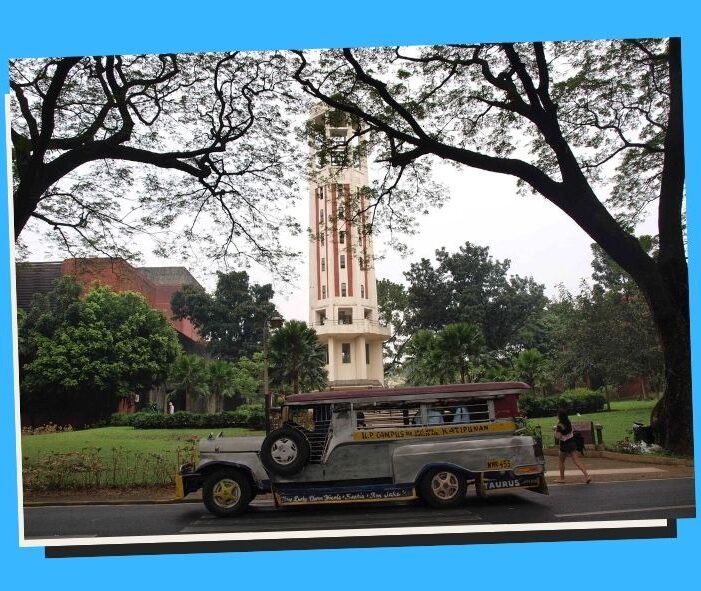
- Embrace Local Transportation: Rent a bike or take a jeepney to experience the country like a local.
- Learn the Language: Basic knowledge of Filipino or Cebuano will help you connect more deeply with locals.
- Dive into the Surf Scene: Siargao, Baler, and La Union are just a few of the Philippines’ best surfing spots.
- Stay in Eco-Friendly Resorts: Choose accommodations that prioritize sustainability and minimize environmental impact.
Insights Into the Philippines’ Potential
- Tourism is the backbone of future growth: Sustainable tourism could be the key to economic prosperity.
- Rural areas are key to preserving culture: Indigenous practices and farm-to-table food are driving the sustainable movement.
- Siargao is the Philippines’ next Bali: With its surf culture and pristine beauty, Siargao is becoming the next top destination for travelers.
- Eco-tourism is on the rise: As global tourism trends shift towards sustainability, the Philippines is in the perfect position to capitalize on eco-tourism.
- The country’s agricultural practices are evolving: Sustainable farming, like intercropping, is becoming the future of Filipino agriculture.
- Filipino cuisine is gaining global recognition: From street food to gourmet dishes, Filipino food is becoming internationally renowned.
- The Philippines’ history is rich and complex: The legacies of Spanish and American colonization are still evident in the country’s culture and architecture.
- The country’s beaches are among the world’s best: Boracay, Palawan, and Siargao offer some of the most beautiful beaches globally.
- Digital transformation is underway: The country is adapting rapidly to the digital age with a growing tech-savvy population.
- The Philippines is more than a beach destination: The diverse landscapes—from volcanoes to rainforests—offer an adventure beyond just sun and sand.
Frequently Asked Questions (FAQs)
- What are the best regions to visit in the Philippines?
Popular destinations include Palawan, Boracay, Siargao, Cebu, and Bohol for their stunning natural beauty and unique experiences. - What is the best time to visit the Philippines?
The dry season from December to May is ideal for exploring the islands and enjoying outdoor activities. - How can I support sustainable tourism in the Philippines?
Opt for eco-friendly accommodations, reduce plastic use, and support local businesses that prioritize sustainability. - Is the Philippines safe for travelers?
The Philippines is generally safe for tourists, though it’s essential to stay informed about local conditions and follow common travel safety guidelines. - What are the must-try dishes in the Philippines?
Try local favorites such as adobo, lechon, sinigang, and halo-halo. - Can I surf in the Philippines?
Yes, the Philippines offers some of the best surfing spots in Southeast Asia, particularly in Siargao and Baler. - Are there any indigenous communities in the Philippines?
Yes, the Philippines is home to various indigenous groups who maintain rich cultural traditions and practices. - What types of activities are available in the Philippines?
The Philippines offers a wide range of activities, including surfing, hiking, diving, island hopping, and exploring historical sites. - How can I get around the Philippines?
You can travel by domestic flights, buses, ferries, or jeepneys. For a more authentic experience, rent a motorbike or bicycle. - Is the Philippines an affordable destination?
Yes, the Philippines is generally affordable for tourists, with budget-friendly accommodations, food, and transportation options available.
Conclusion: The Philippines’ Bright Future Awaits
The Philippines is on the brink of a transformation that could redefine its place in the global tourism and economic landscape. With its diverse culture, breathtaking natural beauty, and growing focus on sustainability, the country is well-positioned for a prosperous future. As it balances development with environmental preservation and cultural respect, the Philippines has the potential to become one of Southeast Asia’s top destinations for travelers and investors alike. 🌴✨
Link Resources
- Philippine Department of Tourism
- Siargao Surfing Spots
- Department of Agriculture – Philippines
- Rizal Park Luneta, Through the Years
- Philippine Statistics Authority
Key Phrases
- Sustainable tourism
- Eco-friendly resorts
- Filipino cuisine
- Indigenous agriculture
- Siargao surfing
- Historical sites Philippines
- Beach destinations
- Cultural heritage
- Digital transformation Philippines
- Sustainable farming
Best Hashtags
- #ExplorePhilippines
- #EcoTourismPH
- #PhilippinesBeaches
- #SiargaoSurf
- #FilipinoCuisine
- #SustainableTravel
- #IndigenousPhilippines
- #TravelPH
- #VisitPalawan
- #PhilippineHistory

Oliver Bugarin – A blog writer with over a decade of experience in WordPress website creation and management, and creating articles on lifestyle, travel, technology, business, finance, and wellness. He is known for producing clear, engaging articles that resonate with readers and add value to any blog or website.
Contact him for collaborations or content writing opportunities. Facebook – LinkedIn
.
Save/Share this story with QR CODE
Disclaimer
This article is for informational purposes only and does not constitute endorsement of any specific technologies or methodologies and financial advice or endorsement of any specific products or services.
Contact Lead Media News
📩 Feel free to Contact Lead Media News for suggestions, collaborations, reviews, or anything else.





