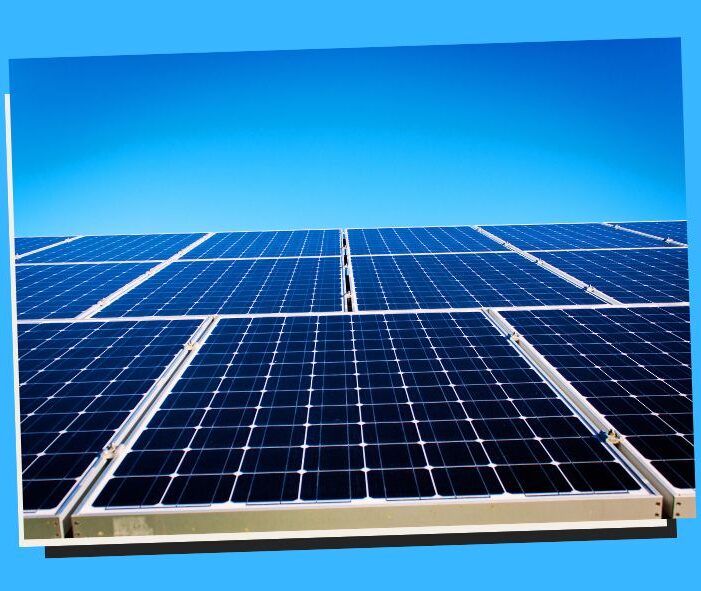
The Future of Power is on Your Roof: A Deep Dive into the Coming Solar Revolution
The future is bright! Discover how the DOE, Meralco, and other agencies are making rooftop solar accessible to every Filipino family. #RenewableEnergyPH
The Power is Yours: A Digital Revolution is About to Unleash Rooftop Solar Across the Philippines
For years, the dream of harnessing the power of the Philippine sun has felt just out of reach for the average homeowner. The promise of lower electricity bills, energy independence, and a cleaner environment was often trapped behind a mountain of paperwork, confusing requirements, and frustrating delays. That is all about to change. A new dawn for renewable energy is breaking, and it will be powered by a digital revolution.
Next month, in a landmark move that directly answers President Ferdinand R. Marcos Jr.’s call for streamlined public services, the government and its private sector partners are set to launch a digital net metering application platform. This is more than just a new website; it is the key that will unlock the immense potential of rooftop solar for millions of Filipinos. Spearheaded by the Department of Energy (DOE) and the country’s largest distribution utility, Meralco, this initiative will transform a once-daunting process into one that is simple, fast, and transparent. Get ready to take control of your power. ☀️
Decoding the Revolution: What is Net Metering and Why Was It So Hard?
Before we dive into the digital solution, let’s demystify the concept at its heart: Net Metering.
Imagine your home is connected to the Meralco grid with a special two-way meter. During the day, your rooftop solar panels are generating a flood of clean electricity. You use this power to run your air conditioner, refrigerator, and lights. But on a bright, sunny afternoon, you might be producing more power than you are using. With net metering, this excess power is not wasted. It flows out of your house and into the grid, supplying your neighbors and earning you credits on your bill. Your meter literally spins backward.
Then, at night, when your panels are dormant, you draw power from the grid as you normally would. At the end of the month, your Meralco bill is calculated based on the “net” amount of electricity you consumed: the power you bought minus the power you sold. The result is a dramatically lower electricity bill and a home powered by clean energy.
The problem? The application process to get this system approved has been notoriously difficult. As DOE Assistant Secretary Mylene Capongcol highlighted, homeowners faced a maze of challenges, including different and often confusing policies among local government units (LGUs). Some would require sanitary permits, others planning permits, creating a web of red tape that could take months to navigate. This “soft cost” of bureaucracy, not the price of solar panels, has been the single biggest barrier to widespread adoption.
The Game-Changing Solution: A Unified Digital Platform
Recognizing this critical bottleneck, the government is taking decisive action. A powerful coalition of agencies, including the DOE, the Energy Regulatory Commission (ERC), the Department of the Interior and Local Government (DILG), and the National Electrification Administration (NEA), is partnering with Meralco to build a unified, digital-first solution.
The new platform, targeted for a September launch, aims to achieve three core objectives:
- Standardization: The DILG will work with LGUs to standardize the requirements. This means the checklist of permits will be the same whether you live in Quezon City, Makati, or Paranaque, eliminating confusion and guesswork.
- Speed: The goal is to slash the entire processing time to less than 30 days. What once took several months of follow-ups will be a swift, efficient, and predictable process.
- Transparency: The digital platform will allow applicants to track the status of their application in real-time. No more wondering where your papers are stuck; you will have full visibility from submission to approval.
Meralco, given the size of its franchise area, will take the lead in this digitalization effort. As Assistant Secretary Capongcol put it, “This is aimed to enable the faster and more transparent processing by Meralco of net metering applications.” This public-private partnership is a testament to a shared vision of empowering consumers and building a greener energy future.
10 Key Benefits of the Digital Net Metering Platform
This single initiative will unlock a cascade of benefits for individuals and the nation.
- Lower Electricity Bills: Empowers Filipino families to significantly reduce their monthly energy expenses.
- Increased Renewable Energy Adoption: By removing the biggest barrier, it will spur a surge in residential solar installations.
- Empowerment of Consumers: Transforms passive electricity consumers into active “prosumers” who produce their own clean energy.
- A More Stable Power Grid: Thousands of rooftop solar systems acting as mini power plants help boost electricity supply and improve grid resilience.
- Reduced Reliance on Fossil Fuels: Every home that goes solar lessens our nation’s dependence on imported, price-volatile fossil fuels.
- Creation of Green Jobs: The growth in solar installations will create thousands of jobs for engineers, technicians, and installers.
- Streamlined Government Services: Serves as a model for how digitalization can cut red tape in other public services.
- Environmental Protection: Directly contributes to reducing our country’s carbon footprint and fighting climate change.
- Increased Property Value: Homes equipped with solar panel systems are often more attractive to potential buyers.
- A Culture of Energy Consciousness: Promotes greater public awareness and education on energy efficiency and sustainability.
Actionable Tips to Prepare for the Solar Revolution
With the launch just around the corner, here’s how you can get ready.
- For Homeowners: Start your research now. Look into different types of solar panel systems and get preliminary quotes from reputable installers.
- Gather Your Documents: Have a recent Meralco bill and a valid ID ready. These will likely be the first documents you’ll need for the online application.
- Watch for the Launch: Keep an eye on announcements from the DOE and Meralco in September for the official launch of the platform.
- For Solar Installation Companies: Prepare your teams for a potential surge in inquiries and projects. Your ability to guide clients through the new digital process will be a key selling point.
- For LGU Officials: Proactively coordinate with the DILG and DOE to ensure your city or municipality is ready to implement the new standardized policies.
- For Real Estate Developers: Consider integrating “solar-ready” features into your new projects to make it even easier for future homeowners to adopt net metering.
- For Marketing Professionals: This is a huge opportunity to launch campaigns around energy independence, savings, and sustainability. The government’s push provides a powerful tailwind.
- For Students of Sustainable Tech: This is a landmark case study. Analyze the platform’s user experience (UX), its impact on the energy grid, and the policy changes that made it possible.
- Spread the Word: Share this article and talk to your friends and family about the upcoming changes. Awareness is the first step to adoption.
- Calculate Your Potential Savings: Use an online solar calculator to get a rough estimate of how much you could save on your electricity bills. This will help you make an informed decision. 💡
Insights into This Energy Milestone
Beyond the immediate benefits, this initiative has deeper, strategic implications.
- Attacking the “Soft Costs”: For years, the industry has focused on falling panel prices. This platform correctly identifies that the real barrier in the Philippines has been “soft costs”: bureaucracy, permits, and delays. This is a surgical strike on the root problem.
- The Dawn of Distributed Energy: This is a crucial step towards building a modern, decentralized grid. A network of thousands of small, residential power sources (Distributed Energy Resources or DERs) is more resilient than one reliant on a few large, distant power plants.
- Meralco as a “Gold Standard” Setter: Having the nation’s largest utility lead the charge is strategic. A successful, user-friendly platform by Meralco will become the benchmark that smaller electric cooperatives across the country can later adopt and replicate.
- The Unsung Hero: LGU Standardization: The work of the DILG to standardize LGU requirements is the most complex, yet most critical, part of this reform. If successful, it will be a monumental victory for good governance and a template for other national programs.
- A Data Goldmine for Policymakers: The platform will generate a wealth of data on solar adoption rates, system sizes, and locations. This data is invaluable for future energy planning and designing the next wave of renewable energy incentives.
- From Monopoly to Marketplace: This marks a philosophical shift, viewing the grid not just as a one-way delivery system, but as a two-way marketplace where consumers can also be producers.
- A Powerful Deflationary Tool: By empowering households to lower their single biggest utility expense, this program acts as a powerful, long-term tool against inflation at the grassroots level.
- Digitalization as a Trust-Building Exercise: A transparent, efficient digital platform for a critical public service helps build trust between citizens, utilities, and the government.
- Unlocking New Financial Models: A simplified process will make it easier for banks and financial institutions to offer attractive “solar loans,” further accelerating adoption.
- This is an Energy Security Initiative: Every watt of power generated on a Filipino rooftop is a watt we do not have to import in the form of coal or gas, making our nation more energy independent and secure.
Frequently Asked Questions (FAQ)
1. How much can I really save with net metering? Savings can be significant, ranging from 30% to as high as 100% of your monthly bill, depending on the size of your solar panel system and your electricity consumption habits.
2. How much does it cost to install solar panels? The cost has dropped significantly over the years. A typical system for a medium-sized household can range from PHP 120,000 to PHP 200,000, but prices vary. The investment is typically recovered through bill savings in 5-8 years.
3. Will the digital platform be available outside the Meralco area? The initial launch is being led by Meralco for its franchise area. However, the involvement of the National Electrification Administration (NEA) signals that the long-term plan is to roll out similar systems for electric cooperatives nationwide.
4. Do I still need to get permits from my local government? Yes, but the process will be much simpler. The digital platform will guide you through a standardized and streamlined set of requirements agreed upon with the DILG.
5. What happens during a brownout? For safety reasons, standard grid-tied solar systems automatically shut down during a power outage to protect utility workers making repairs. If you need backup power, you would require a more advanced system with batteries.
6. Is my roof suitable for solar panels? Most modern roofs are suitable. The ideal roof is one that is in good condition and receives direct sunlight for most of the day, with minimal shading from trees or other buildings.
7. How long do solar panels last? Solar panels are incredibly durable and typically come with a 25-year performance warranty.
8. What is the first step I should take? The first step is to get a solar consultation from a reputable, accredited installer. They can assess your roof, analyze your electricity bill, and recommend the right system size for your needs.
9. Can I apply if I am renting my home? Typically, you need to be the property owner to apply for a net metering system, as it is a permanent fixture to the house.
10. What is the role of the Energy Regulatory Commission (ERC) in this? The ERC is the regulator that sets the rules and pricing mechanisms for the net metering program, ensuring fairness for both consumers and the utility.
Your Invitation to a Brighter Future
The upcoming launch of the digital net metering platform is more than just a government tech project. It is an act of empowerment. It is a declaration that the power to lower our bills, to clean our air, and to build a more sustainable future belongs to all of us. It is an invitation to every Filipino homeowner to look up at the sun and see not just a source of light, but a source of personal and national power.
The government is cutting the red tape. The technology is ready. The sun is shining. The only question left is: are you ready to make the switch?
Link Resources
- Department of Energy (DOE) – Net Metering Page
- Energy Regulatory Commission (ERC)
- Meralco – Solar Net Metering
- Department of the Interior and Local Government (DILG)
- Philippine Solar and Storage Energy Alliance (PSSEA)
Key Phrases
- Digital net metering platform Philippines
- Streamlining solar panel applications
- Department of Energy (DOE) renewable energy
- Meralco net metering process
- Lowering electricity bills in the Philippines
- Rooftop solar adoption
- Standardized LGU permits
- Distributed Energy Resources (DER)
- Public-private partnership in energy
- Consumer empowerment in energy
Best Hashtags
- #SolarPH
- #NetMeteringPH
- #RenewableEnergyPH
- #GoSolarPH
- #DigitalPhilippines
- #EnergyIndependence
- #Meralco
- #DOEph
- #CleanEnergy
- #PowerToThePeople

Oliver Bugarin – A blog writer with over a decade of experience in WordPress website creation and management, and creating articles on lifestyle, travel, technology, business, finance, and wellness. He is known for producing clear, engaging articles that resonate with readers and add value to any blog or website.
Contact him for collaborations or content writing opportunities. Facebook – LinkedIn
.
Save/Share this story with QR CODE
Disclaimer
This article is for informational purposes only and does not constitute endorsement of any specific technologies or methodologies and financial advice or endorsement of any specific products or services.
Contact Lead Media News
📩 Feel free to Contact Lead Media News for suggestions, collaborations, reviews, or anything else.





