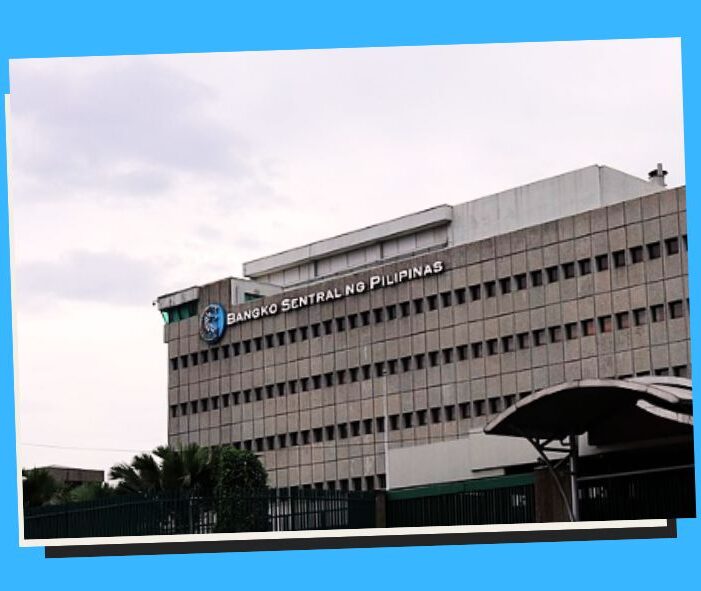
The BSP’s Balancing Act: Why Low Inflation is Paving the Way for a Rate Cut
Cheaper loans could be just days away. Discover the reasons behind the expected BSP rate cut and its impact on the Philippine economy. #BSP
The Pulse of the Economy: Why the BSP is Poised to Give the Philippines a Timely Boost
All eyes in the Philippine business and financial community are fixed on a single date: Thursday, August 28. On this day, the Bangko Sentral ng Pilipinas (BSP) Monetary Board will convene for its policy-setting meeting, and the consensus is building towards a significant decision. Leading economists are forecasting another cut to our country’s key policy rates, a move that would act as a deliberate and timely “shot in the arm” for the national economy.
This is not a decision made in a vacuum. It is a calculated response to the current economic climate, a delicate balancing act between managing inflation and stimulating growth. With inflation now tamed to its lowest levels in years and signs of sluggish economic activity, the BSP has the crucial leeway to deploy one of its most powerful tools. For business owners, aspiring homeowners, investors, and every Filipino, the decision made this Thursday could directly impact your loans, your investments, and the overall pace of our economic recovery. Let’s dive into the expert analysis and unpack what this anticipated move truly means. 📈
Deconstructing the Forecast: The Case for a Rate Cut
The primary analysis comes from Rizal Commercial Banking Corporation (RCBC) chief economist Michael Ricafort, who predicts a 25-basis-point cut to the BSP’s policy rates. This would continue the central bank’s “easing cycle,” which began earlier this year. But why is this the likely move? The decision rests on two fundamental pillars of the BSP’s mandate.
Pillar 1: The Victory Over Inflation. The BSP’s primary mission is to maintain price stability. For the past year, it has been spectacularly successful. Inflation has not just been managed; it has decelerated to a nine-year low of 0.9 percent in July. With economists like Ricafort forecasting that inflation will remain “benign” and likely average just 1.7 percent for all of 2025, the threat of rapidly rising prices is firmly in the rearview mirror. This success gives the BSP what economists call “policy space” or “room to maneuver.” With inflation well under control, the central bank can pivot its focus to its other critical mandate: supporting economic growth.
Pillar 2: The Need to Stimulate Growth. While inflation is low, recent data suggest that overall economic growth has been slower than desired. This is where monetary policy becomes a powerful tool. By cutting the policy rate, the BSP makes it cheaper for commercial banks to borrow money. This saving is then passed on to consumers and businesses in the form of lower interest rates on loans.
This creates a powerful ripple effect:
- Businesses find it more attractive to borrow for expansion, to buy new equipment, or to hire more staff.
- Consumers find it cheaper to take out mortgages to buy a home, loans to purchase a car, or even to use their credit cards.
This increase in borrowing and spending stimulates demand, encourages investment, and ultimately, helps to accelerate economic growth. Ricafort notes that amid global risk factors that could slow the world economy, supporting local growth has become a clear “policy priority.”
A Proactive Stance in a Global Context
The BSP’s decision is not just about domestic conditions. It is also a strategic maneuver on the global stage. Ricafort points out that the BSP’s actions will likely “match future Fed rate cuts for the rest of 2025.” This is a crucial point.
The US Federal Reserve (the Fed) is the world’s most influential central bank. Its decisions impact global capital flows. By aligning our rate cuts with those of the Fed, the BSP helps to maintain a stable interest rate differential, which prevents volatile outflows of foreign investment and helps keep the Philippine peso stable.
Furthermore, the BSP is signaling its long-term strategy. The mention of a possible cut to banks’ Reserve Requirement Ratio (RRR) in 2026 is another form of “forward guidance.” A lower RRR would free up more money that banks are required to hold in reserve, injecting even more liquidity into the financial system to be lent out, further supporting growth in the long run.
10 Potential Benefits of a Policy Rate Cut
What would a 25-basis-point cut on Thursday mean for you?
- Cheaper Business Loans: Encourage entrepreneurs and companies to invest in expansion and job creation.
- Lower Mortgage Rates: Make it more affordable for Filipino families to buy their dream home.
- More Affordable Car and Personal Loans: Reduce the cost of financing for major consumer purchases.
- Increased Consumer Spending: When borrowing is cheaper, people have more confidence to spend, boosting retail and service industries.
- A Potential Boost to the Stock Market: Lower interest rates can make stocks look more attractive than bonds, potentially driving the market higher.
- Stimulated Real Estate Sector: Cheaper financing directly fuels activity in the construction and real estate markets.
- Enhanced Economic Growth: The cumulative effect of increased investment and spending can lift the country’s overall GDP growth.
- Positive Market Sentiment: A rate cut is a signal of confidence from the BSP that inflation is under control and that they are proactively supporting the economy.
- A More Stable Peso: By moving in concert with global trends (like the Fed), the BSP helps to ensure a stable and predictable exchange rate.
- Increased Liquidity in the Financial System: Ensures that there is ample money flowing through the banking system to support economic activity.
10 Actionable Tips in a Lowering Interest Rate Environment
This is the time to be proactive. Here’s how you can prepare to take advantage of the anticipated move.
- For Business Owners: Dust off those expansion plans. This could be the perfect time to secure financing for new projects at a lower cost.
- For Aspiring Homebuyers: Start your conversations with banks now. Lock in a favorable mortgage rate as soon as the rate cuts are passed on.
- For those with Credit Card Debt, look into consolidating your high-interest credit card debt into a personal loan, which will likely have a much lower interest rate.
- For Investors: Re-evaluate your portfolio. Rate-sensitive sectors like real estate, banking, and consumer discretionary stocks often perform well after a rate cut.
- For Car Buyers: Dealerships will likely offer more attractive financing deals. This could be the right time to make that purchase.
- For Savers: Be aware that interest rates on savings accounts and time deposits may also decrease. Consider diversifying into other investment instruments to get better returns.
- For Marketing Professionals: Anticipate a rise in consumer confidence. Tailor your campaigns to capture this renewed interest in spending on big-ticket items.
- For Students of Finance: Watch the market’s reaction on Thursday and Friday. This is a real-time lesson in how monetary policy impacts financial markets.
- For All Loan Holders: If you have an existing loan with a variable interest rate, check your terms. You might see your monthly payments go down.
- Stay Informed: Keep watching the news from the BSP. This cut may be the first of several, so understanding the trend is key to making smart financial decisions. 💰
Insights into the BSP’s Strategy
Let’s look beyond the headlines for a deeper understanding of the central bank’s playbook.
- The BSP is ‘Data-Driven, Not Date-Driven’: While the market expects a cut, the BSP always emphasizes that its decisions are based on the latest economic data. The extremely low July inflation figure is the key piece of data enabling this move.
- Managing the ‘Real Interest Rate’: With inflation near 1% and the policy rate higher, the “real interest rate” (policy rate minus inflation) is quite high. A cut is needed to bring this real rate down to a level that is more supportive of growth.
- The Art of ‘Forward Guidance’: By signaling the possibility of 50 basis points in cuts this year and an RRR cut next year, the BSP is using “forward guidance” to manage market expectations. This helps to boost confidence even before the actions are taken.
- A Delicate Balancing Act: The BSP’s core challenge is always the “dual mandate”: controlling inflation while promoting growth. This move shows a clear, temporary pivot in priority towards growth, made possible only by its earlier success against inflation.
- RRR as a Long-Term Tool: The policy rate is a short-term tool. Mentioning the RRR cut for 2026 is a signal that the BSP has a long-term vision for ensuring the banking system has ample liquidity to support the economy’s structural growth.
- Insulating the Domestic Economy: This is a proactive measure to shield the Philippine economy from a potential global slowdown. By stimulating domestic demand, we become less reliant on external growth drivers.
- Consistency Builds Credibility: By following through on its signals and acting in a predictable, data-driven manner, the BSP builds immense credibility, which is a central bank’s most valuable asset.
- The Lag Effect of Monetary Policy: The BSP knows that the full impact of a rate cut is not felt for several months. Acting now ensures the stimulus will be working its way through the economy in late 2025 and early 2026.
- The Peso is Not the Primary Target, But a Key Consideration: The BSP’s main focus is inflation. However, the stability of the peso is a crucial secondary consideration, which is why its moves are often coordinated with an eye on the US Fed.
- A Vote of Confidence: Ultimately, this anticipated cut is a vote of confidence from our monetary authorities. It’s a signal that they believe the inflation beast has been tamed and that the economy’s foundations are strong enough to handle a new wave of growth.
Frequently Asked Questions (FAQ)
1. What is a “policy rate”? It is the main interest rate set by the central bank (BSP) that it uses to influence all other interest rates in the economy, from mortgages to savings accounts.
2. What is a “basis point”? One basis point is equal to 0.01%. So, a 25-basis-point cut means the policy rate is being lowered by 0.25%.
3. What is an “easing cycle”? This is a period when the central bank is progressively lowering interest rates to stimulate the economy. The opposite is a “tightening cycle,” when it raises rates to fight inflation.
4. What is the RRR (Reserve Requirement Ratio)? This is the percentage of a bank’s deposits that it is legally required to hold in reserve and cannot lend out. Lowering the RRR frees up more money for banks to lend.
5. Why is inflation so low? Several factors contribute, including stable food prices, lower global oil prices compared to previous years, and the BSP’s earlier success in raising rates to cool down the economy.
6. Who is the Monetary Board? The Monetary Board is the powerful, seven-person body that directs the policies and operations of the BSP. It is chaired by the BSP Governor.
7. Who is the “Fed”? The “Fed” is the nickname for the Federal Reserve, which is the central bank of the United States. Its decisions have a major impact on the global economy.
8. Is a rate cut good for my savings? A rate cut is generally not good for cash savings, as the interest you earn on deposits will likely go down. This encourages people to invest their money in more productive assets to seek higher returns.
9. How certain is this rate cut? While economists are very confident, it is not 100% certain until the Monetary Board officially makes its announcement on August 28.
10. Where can I get the official announcement? The official press release and decision will be published on the Bangko Sentral ng Pilipinas website (bsp.gov.ph) on the afternoon of August 28.
Awaiting the Green Light for Growth
The stage is set for a pivotal decision. The evidence is clear, the expert consensus is strong, and the economic conditions are ripe for the Bangko Sentral ng Pilipinas to give the Philippine economy a welcome green light. An interest rate cut on Thursday would be a powerful signal of confidence and a proactive step to ensure our nation’s growth story continues with renewed vigor.
This is a testament to the prudent and forward-looking management of our economy. By conquering inflation first, our central bank has earned the ability to now focus on reigniting growth. Let us watch with optimism as our economic leaders prepare to adjust the pulse of the nation, steering us towards a more dynamic and prosperous second half of the year.
Link Resources
- Bangko Sentral ng Pilipinas (BSP)
- Rizal Commercial Banking Corporation (RCBC)
- Department of Finance (DOF)
- National Economic and Development Authority (NEDA)
- Bloomberg – Philippines Peso Spot
Key Phrases
- BSP policy rate cut
- Monetary Board meeting August 28
- Philippine economic growth
- Benign inflation environment
- Accommodative monetary policy
- Reserve Requirement Ratio (RRR)
- Matching Fed rate cuts
- Bangko Sentral ng Pilipinas (BSP)
- Lowering interest rates
- Stimulating the Philippine economy
Best Hashtags
- #BSP
- #PhilippineEconomy
- #InterestRates
- #MonetaryPolicyPH
- #InvestPH
- #PhilippineBusiness
- #EconomicGrowth
- #InflationPH
- #FinancialLiteracyPH
- #BangkoSentral

Oliver Bugarin – A blog writer with over a decade of experience in WordPress website creation and management, and creating articles on lifestyle, travel, technology, business, finance, and wellness. He is known for producing clear, engaging articles that resonate with readers and add value to any blog or website.
Contact him for collaborations or content writing opportunities. Facebook – LinkedIn
.
Save/Share this story with QR CODE
Disclaimer
This article is for informational purposes only and does not constitute endorsement of any specific technologies or methodologies and financial advice or endorsement of any specific products or services.
Contact Lead Media News
📩 Feel free to Contact Lead Media News for suggestions, collaborations, reviews, or anything else.





