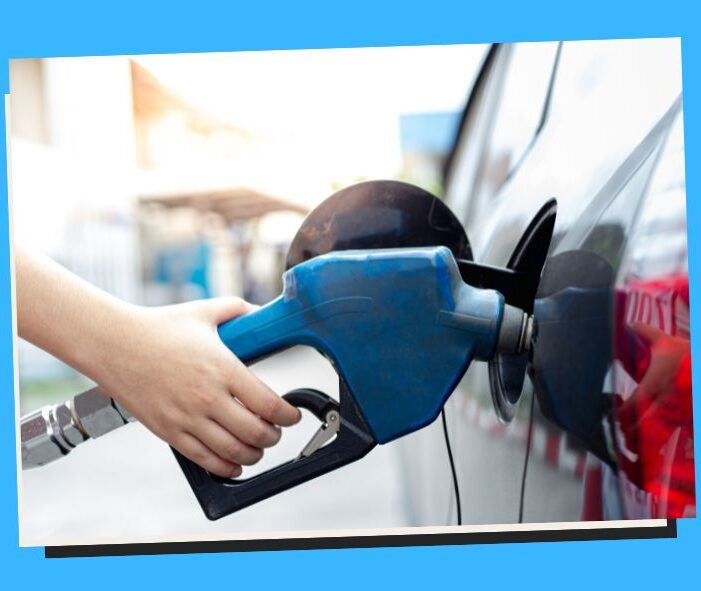
Philippine Oil Prices Drop This Week: A Much-Needed Relief for Motorists
Motorists and consumers will enjoy a price rollback on gasoline, diesel, and kerosene starting May 6. Learn how this will affect your spending and the economy.
Oil Price Rollback Set for May 6: A Break for Consumers Amidst Global Oversupply
In a welcome move for motorists and consumers, oil companies in the Philippines have announced a price rollback for gasoline, diesel, and kerosene, set to take effect on May 6, 2025. This reduction follows two consecutive weeks of price hikes and offers a much-needed reprieve for consumers burdened by rising fuel costs.
The Announcement
Leading oil companies such as Caltex, Seaoil, and Shell have revealed that gasoline prices will be reduced by PHP0.55 per liter starting Tuesday, while diesel prices will drop by PHP0.65 per liter. Additionally, kerosene prices will be slashed by PHP0.90 per liter. Other oil companies are expected to follow suit in implementing similar reductions.
Insights into the Market Dynamics
The decision to reduce oil prices comes after two weeks of consecutive price hikes, where gasoline and diesel costs increased significantly. According to the Department of Energy (DOE), the price cut is attributed to the oversupply of oil in the global market, which has helped push prices downward. The price rollback provides a much-needed relief, particularly for consumers in the transportation and logistics sectors who have been heavily affected by rising fuel prices.
As of the latest update, year-to-date statistics indicate that gasoline and diesel prices have experienced a net increase of PHP3.65 per liter each, while kerosene has a net decrease of PHP1.10 per liter.
Benefits of the Oil Price Rollback
- Relief for Consumers: A direct reduction in fuel prices will ease the financial strain on everyday consumers.
- Reduced Transportation Costs: Lower fuel costs result in cheaper transportation, benefiting both public and private vehicle owners.
- Positive Impact on Logistics: Companies in the logistics and transportation industries can expect lower operational costs.
- Boost for the Economy: Cheaper oil means consumers have more disposable income, potentially stimulating local businesses.
- Decreased Inflationary Pressures: Lower transportation costs will reduce the price of goods and services, easing inflationary pressures.
- Encouragement for Businesses: Small businesses that rely on fuel for transportation will benefit from reduced costs, increasing their profit margins.
- Improved Public Sentiment: The rollback is seen as a sign of stability in the fuel market, boosting public confidence.
- Environmental Benefits: Reduced fuel consumption may indirectly lead to less pollution, supporting green initiatives.
- Better Economic Forecasts: Lower fuel prices could lead to better forecasts for sectors dependent on transportation.
- Government Support: The rollback shows that the government and oil companies are responsive to consumer needs, fostering positive public relations.
Tips for Consumers
- Refuel Early: Take advantage of the rollback by filling up your vehicle when the price cut takes effect.
- Monitor Oil Prices Regularly: Monitor fuel price trends to plan your refueling and take advantage of further discounts.
- Maintain Your Vehicle: Ensuring your vehicle runs efficiently can maximize the benefits of lower fuel costs.
- Consider Bulk Buying: If you use kerosene or diesel regularly, purchasing in bulk at low prices may save you money in the long run.
- Use Fuel-Efficient Vehicles: Switch to more fuel-efficient cars or vehicles that use alternative energy sources to minimize fuel expenses.
- Carpool and Share Rides: Reduce fuel consumption by sharing rides with others when possible.
- Check for Promotions: Some oil companies may have additional promotions with the rollback.
- Plan Your Routes: Minimize unnecessary driving by planning your routes efficiently to save on fuel.
- Use Public Transport: When possible, consider using public transport to reduce your dependency on oil-based fuels further.
- Look for Alternative Fuels: Keep an eye on emerging fuel alternatives like electricity or natural gas, which may provide even more savings.
Insights into Oil Price Movements
- Global Oversupply: The global oversupply of oil has led to a price dip, offering a unique opportunity for consumers in the Philippines.
- Fluctuating Market Conditions: Oil prices are subject to global market conditions, making them highly volatile.
- Price Hikes Followed by Rollbacks: The past few weeks have been marked by price increases, but the rollback signals some stability.
- Government Monitoring: The DOE has been closely monitoring market conditions to ensure that price adjustments align with global trends.
- Year-to-Date Price Movements: Despite the price rollback, fuel prices have still seen a net increase this year.
- Consumer Demand: Oil price movements often follow the demand and supply curve, with oversupply pushing prices down.
- Impact on Inflation: Fuel price reductions are typically followed by lower prices in goods and services, reducing inflationary pressures.
- Increased Competition: Oil companies are competing to offer the best prices to consumers, which may lead to even lower rates.
- Environmental and Policy Considerations: The DOE’s focus on environmental impacts and energy policies shapes fuel pricing.
- Market Adaptations: Oil companies adapt to global market changes, and the rollback reflects their response to the worldwide supply scenario.
FAQ
- Why are oil prices going down now?
Oil prices have decreased due to an oversupply in the global market, reducing the demand for oil in some regions. - How much is the price rollback?
Gasoline prices will drop by PHP0.55 per liter, diesel by PHP0.65 per liter, and kerosene by PHP0.90 per liter. - When will the rollback take effect?
The price rollback will be implemented on May 6, 2025. - Is this price rollback a permanent change?
No, oil prices fluctuate based on global supply and demand, so future rollbacks or increases are possible. - What caused the recent price hikes before the rollback?
The previous hikes were likely due to global supply constraints and increased demand. - Will all oil companies lower their prices?
While Caltex, Seaoil, and Shell have already announced their price cuts, other oil companies are expected to follow suit. - How do oil price changes affect the economy?
Price changes impact consumer spending, transportation costs, inflation, and economic stability. - Is this rollback a sign of lower oil prices for the long term?
The rollback is based on current market conditions, but the long-term trend is uncertain and can change rapidly. - Can I expect lower prices for other goods and services?
Lower fuel prices typically lead to reduced transportation costs, which can decrease the prices of goods and services. - How can I take advantage of the rollback?
By refueling early, monitoring prices, and reducing fuel consumption through efficient vehicle use.
Conclusion: A Step Toward Stability
This week’s oil price rollback is a welcome development for consumers feeling the pinch from rising fuel prices. While modest, the reduction in gasoline, diesel, and kerosene prices offers some relief amidst global oil supply adjustments. Moving forward, the Department of Energy and oil companies will continue monitoring market conditions and adjusting prices to ensure a balance between consumer needs and industry profitability.
Link Resources
Pump price rollback set
Oil prices drop in first week of May
Oil price rollback set May 6
Key Phrases
- Oil price rollback
- Fuel price reduction
- Gasoline price cut
- Diesel rollback
- Kerosene price drop
- Global oil supply
- Philippine oil market
- DOE price monitoring
- Consumer relief
- Transportation costs
Best Hashtags
#oilprices #fuelrollback #Philippineeconomy #gasolineprices #dieselprices #energynews #oilmarket #pricecuts #consumerrelief #Philippines

Oliver Bugarin – A blog writer with over a decade of experience in WordPress website creation and management, and creating articles on lifestyle, travel, technology, business, finance, and wellness. He is known for producing clear, engaging articles that resonate with readers and add value to any blog or website.
Contact him for collaborations or content writing opportunities. Facebook – LinkedIn
.
Save/Share this story with QR CODE
Disclaimer
This article is for informational purposes only and does not constitute endorsement of any specific technologies or methodologies and financial advice or endorsement of any specific products or services.
Contact Lead Media News
📩 Feel free to Contact Lead Media News for suggestions, collaborations, reviews, or anything else.





