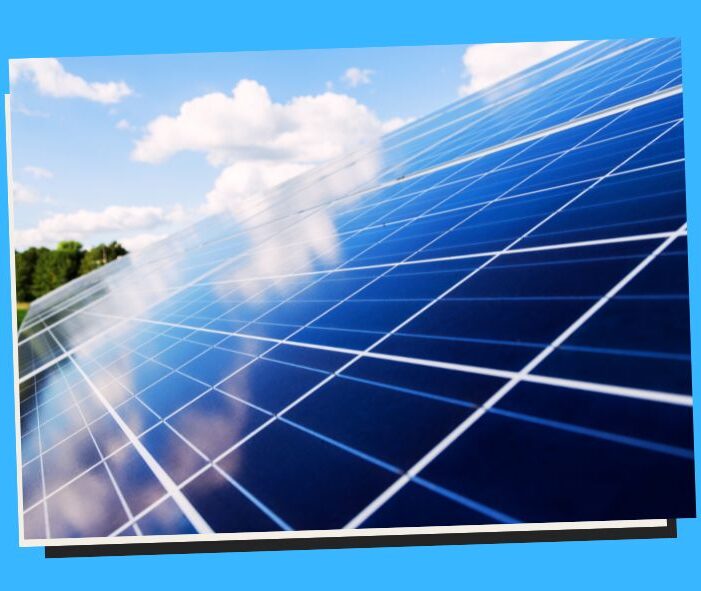
No Grid, No Problem: Meralco’s P143M Solar Plan to Power 3,000 Homes in Protected Forests
Meralco is investing P143M in solar to power 3,000 homes in protected zones. Discover how this changes lives and sets a new standard for progress.
Beyond the Grid: How Meralco’s New Solar Initiative is Powering a Sustainable Future for the Philippines
Imagine a world where progress does not come at the cost of our planet’s most treasured and fragile ecosystems. Picture communities, long nestled in the heart of protected natural landscapes, finally gaining access to a resource many of us take for granted: electricity. This is not a distant dream; it is the bold new reality taking shape in the Philippines. In a landmark move, the Manila Electric Company (Meralco) is set to illuminate the lives of thousands of households within protected environmental zones, not with disruptive power lines, but with the clean, quiet power of the sun. This article delves into this pioneering initiative, exploring how this fusion of corporate responsibility, sustainable technology, and community empowerment offers a powerful blueprint for the future. For business owners, marketing professionals, students of sustainable tech, and every Filipino invested in our nation’s progress, this story is a beacon of what’s possible.
Powering Progress, Protecting Paradise: The Heart of the Initiative
At its core, the news is both simple and profound. Meralco, the Philippines’ largest electric distribution utility, has committed approximately PHP143 million to energize around 2,000 to 3,000 households located in areas protected by the Department of Environment and Natural Resources (DENR). These communities, situated in the scenic and ecologically sensitive regions of Tanay, Rizal, and Mauban, Quezon, have remained off-grid due to legal and environmental restrictions that prevent the construction of traditional electrical posts and transmission lines.
The solution? A forward-thinking approach that respects the integrity of these protected lands: the Solar Home System.
Starting as early as 2026, pending approval from the Energy Regulatory Commission (ERC), Meralco will begin installing individual solar panel and battery systems for each household. This “plug-and-play” model is a game-changer. Rather than connecting to a central grid, each home becomes its own mini-power plant. The project is designed for households with an average monthly consumption of 20 to 30 kilowatts (kW), sufficient for essential needs like lighting, charging small devices, and powering small appliances, thereby transforming daily life.
What makes this initiative particularly noteworthy is the proposed payment structure. Meralco’s Chief Revenue Officer, Ferdinand Geluz, explained that beneficiaries will be charged a fixed rate, rather than a fee based on consumption. This innovative model provides financial predictability for residents and ensures that the power of the sun is accessible to all, regardless of fluctuating usage patterns. This project isn’t just about flipping a switch; it’s about pioneering a model of electrification that is inclusive, sustainable, and scalable. It stands as a powerful testament to how modern corporations can drive national development while acting as dedicated stewards of the environment. ☀️
Key Benefits of Meralco’s Solar Electrification Project
- Energy Access for All: It brings the life-changing benefits of electricity to marginalized, off-grid communities for the first time.
- Environmental Preservation: It provides power without disturbing the delicate ecosystems of DENR-protected areas.
- Economic Empowerment: Access to electricity unlocks opportunities for home-based livelihoods and small businesses.
- Educational Advancement: Children can study at night, and communities gain access to digital educational resources.
- Enhanced Safety and Security: Well-lit homes and pathways significantly reduce accidents and deter crime.
- Promotion of Renewable Energy: This large-scale project champions the adoption of clean energy on a national level.
- Improved Health and Well-being: It eliminates the health risks associated with kerosene lamps and enables the use of small medical devices.
- Community Resilience: Decentralized power makes communities less vulnerable to widespread outages affecting the main grid.
- Financial Predictability: The fixed-rate payment model allows low-income households to budget for electricity effectively.
- A Scalable Model for Sustainability: This project serves as an inspiring and practical blueprint for electrifying other remote areas in the Philippines and beyond.
Actionable Tips Inspired by the News
- Business Owners: Explore CSR Synergy. Align your company’s Corporate Social Responsibility goals with sustainable initiatives like rural solar electrification for impactful, brand-building partnerships.
- Marketing Professionals: Craft Authentic Green Narratives. Use stories like this to build campaigns around sustainability and corporate citizenship, which resonate strongly with modern consumers.
- Tech Students: Focus on Sustainable Solutions. Specialize your studies in renewable energy and microgrid systems; you are the future architects of projects like this.
- Local Government Units: Identify Your Protected Zones. Proactively map out unelectrified communities in sensitive areas and begin conversations with potential private sector partners.
- Entrepreneurs: Innovate for Off-Grid Markets. Develop and market low-power, high-efficiency appliances (e.g., DC-powered fans, TVs, refrigerators) perfect for solar home systems.
- Community Leaders: Organize for Energy Readiness. Prepare your communities by conducting energy literacy programs to ensure residents can maximize the benefits of their new power systems.
- Filipino Families: Embrace Energy Conservation. Even if you are on the main grid, adopt an “off-grid mindset” by investing in energy-efficient appliances and reducing consumption.
- Investors: Look into Green Bonds and ESG Funds. Channel your investments towards companies and funds that actively support environmental, social, and governance (ESG) projects.
- Policymakers: Streamline Green Project Approvals. Work to create clearer, faster regulatory pathways for renewable energy projects, especially those with high social impact.
- Everyone: Champion the Cause. Share this news and be a vocal supporter of sustainable development and inclusive growth in the Philippines.
Insights from an Industry Perspective
- Beyond Electrification, It’s About Energy Independence: This model fosters true energy independence at the household level, a powerful concept for remote communities.
- The “Fixed Rate” is a Socialized, Inclusive Mechanism: This isn’t just a pricing strategy; it’s a form of socialized financing that prioritizes access over pure profit, making it sustainable for the community.
- A Direct Answer to the Microgrid Systems Act (RA 11646): This project is a perfect real-world application of the new law, encouraging private sector participation in electrifying “unserved and underserved areas.”
- De-risking Investment in Protected Areas: By successfully navigating the complexities of working within DENR sites, Meralco is creating a replicable framework that other companies can follow.
- A Shift in the Utility Business Model: This signals a move for traditional utilities from simply being distributors to becoming integrated energy service providers, offering bespoke, decentralized solutions.
- Data is the Next Frontier: The project will generate invaluable data on real-world energy consumption patterns in off-grid homes, which can inform future national energy planning.
- The Socio-Economic ROI Will Exceed the Financial Cost: The PHP143 million investment is just the beginning. The long-term return on investment in terms of improved health, education, and economic activity will be manifold.
- Minimal Environmental Impact is Key: The choice of individual solar home systems over even a community-scale solar farm minimizes land clearing and preserves the natural landscape.
- This is a Climate Adaptation Strategy: Empowering communities with resilient, independent power sources is a crucial step in building national resilience against climate-related disasters that can disrupt the central grid.
- The Real Challenge is Sustainable Maintenance: The long-term success will hinge on creating a robust community-based maintenance and repair program to ensure the systems last for their full lifespan. 🔋
Frequently Asked Questions (FAQ)
- What exactly is a Solar Home System? It’s a small, self-contained power station for one household. It typically includes one or more solar panels to capture sunlight, a battery to store energy for use at night or on cloudy days, and a controller to manage the system.
- What can a household power with a 20-30 kWh monthly system? This can comfortably power several LED lights for 8-10 hours, charge mobile phones and radios, and run a small television or an electric fan for a few hours each day.
- Why can’t Meralco just build power lines to these areas? The communities are located within DENR-protected landscapes. Environmental laws strictly prohibit the construction of infrastructure like electric posts and transmission lines to preserve the area’s biodiversity and natural state.
- How is a “fixed rate” different from a regular electricity bill?Instead of paying based on the exact kilowatt-hours consumed (which can vary), families will pay a consistent, predictable monthly fee, making it easier to budget. This often works like an amortization or lease-to-own model for the solar equipment.
- What is the role of the Energy Regulatory Commission (ERC)? The ERC must approve the project, including the technical plans and the proposed fixed-rate charging model, to ensure it is fair for consumers and viable for the utility.
- Will the communities own the solar systems? The exact ownership structure will depend on the final agreement, but often these models lead to community or household ownership over time after the initial cost has been recovered through the fixed monthly payments.
- What happens if a system breaks down? A critical part of the project’s success will be establishing a local support system, likely involving training community members to perform basic maintenance and creating a clear process for more complex repairs.
- Is this project related to Meralco’s wider social responsibility efforts? Yes. This aligns perfectly with the work of One Meralco Foundation, which has a long history of providing solar power to off-grid schools and indigenous communities, such as the Aeta and Mangyan peoples.
- Could this model be used to power all remaining unelectrified areas in the Philippines? While it’s a fantastic solution for many, the best approach depends on the location. Some areas might be better served by community microgrids or, where feasible, connection to the main grid. This adds a powerful tool to the nation’s electrification toolkit.
- How can this project benefit Filipino businesses not directly involved? It sets a powerful precedent for sustainable business practices. It inspires a new wave of products and services for off-grid markets and enhances the Philippines’ reputation as a nation committed to innovative, inclusive, and green development. 🌏
Conclusion: A Brighter, Greener Dawn for the Nation
Meralco’s initiative to electrify households in protected areas is more than just a corporate project; it is a profound statement of intent. It demonstrates that economic progress and environmental stewardship can, and must, go hand in hand. By harnessing the limitless power of the sun, this project will bring light, opportunity, and hope to thousands, proving that the most remote corners of our nation are never beyond the reach of innovation and compassion.
This is a call to action for all of us. It challenges business leaders to think creatively about their impact, inspires students to build a more sustainable world, and reminds every Filipino that our nation’s greatest assets—our people and our planet—can be nurtured together. The light that will soon dawn on the homes in Tanay and Mauban is a light of a brighter, greener, and more inclusive future for the entire Philippines. Let’s all work to make that future a reality.
Link Resources
- Department of Environment and Natural Resources (DENR): For official information on protected areas in the Philippines.
- Energy Regulatory Commission (ERC): To understand the regulatory framework for energy projects.
- Meralco – One Meralco Foundation: To explore similar social responsibility and electrification projects.
- Republic Act No. 11646 – Microgrid Systems Act: For legal context on the national push for microgrid development.
- Institute for Climate and Sustainable Cities (ICSC): A Philippine-based organization providing expert analysis on climate and energy policy.
Key Phrases
- Meralco solar home system
- Electrification in protected areas
- Sustainable development Philippines
- DENR-protected sites Tanay and Mauban
- Fixed-rate solar energy
- Off-grid communities empowerment
- Corporate social responsibility energy sector
- Renewable energy for rural development
- Energy Regulatory Commission (ERC) approval
- Plug-and-play solar technology
Best Hashtags
- #SustainablePH
- #Meralco
- #SolarEnergyPH
- #RenewableEnergy
- #InclusiveGrowth
- #ProtectedAreasPH
- #CSRAngatBuhay
- #CleanEnergy
- #RuralElectrification
- #FilipinoInnovation

Oliver Bugarin – A blog writer with over a decade of experience in WordPress website creation and management, and creating articles on lifestyle, travel, technology, business, finance, and wellness. He is known for producing clear, engaging articles that resonate with readers and add value to any blog or website.
Contact him for collaborations or content writing opportunities. Facebook – LinkedIn
.
Save/Share this story with QR CODE
Disclaimer
This article is for informational purposes only and does not constitute endorsement of any specific technologies or methodologies and financial advice or endorsement of any specific products or services.
Contact Lead Media News
📩 Feel free to Contact Lead Media News for suggestions, collaborations, reviews, or anything else.





