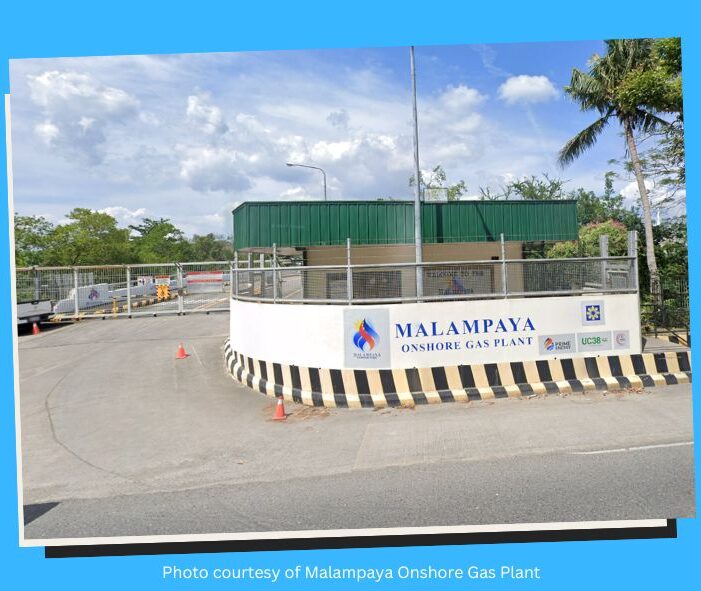
Behind the Scenes of Malampaya’s Biggest Expansion: Drilling Set to Begin Soon
Learn why Phase 4 of the Malampaya project is vital for extending the domestic natural gas supply and stabilizing electricity prices.
Malampaya Drillship Arrival Set for June 2025, Launching Phase 4 Expansion to Strengthen Philippines’ Energy Future ⚓️🌊
MANILA – The highly anticipated Phase 4 expansion of the Malampaya gas-to-power project is moving forward as the drillship Noble Viking is scheduled to arrive off northwest Palawan in the second half of June 2025. This marks a crucial step in extending the lifespan and output of the Philippines’ most important domestic natural gas source.
The Department of Energy (DOE) officially announced that the rig’s arrival has been slightly delayed from the original late-May schedule due to ongoing drilling activities in Malaysia. The Noble Viking and three supporting vessels are currently docked in Labuan, Malaysia, undergoing final inspections and loading essential materials for the drilling campaign.
Drilling Operations: Key Details and Expectations
Once the drillship reaches the Malampaya offshore site, operations will commence on drilling three wells, two dedicated to production and one focused on exploration. DOE Undersecretary Alessandro Sales shared in a recent press briefing that the entire drilling process is expected to take approximately 150 days, aiming to conclude by the last quarter of 2025.
If the wells prove successful, the output from these new sources could extend Malampaya’s operational life to 2034, pushing back the current estimate of 2029 by five years. This extension is critical in ensuring the Philippines’ continued access to stable, affordable, and clean energy.
Following drilling, the next phase involves hooking up and pipelining the two new production wells to existing infrastructure. This connection work will begin immediately after drilling concludes, reinforcing Malampaya’s gas supply capabilities.
Current Production and Future Potential
Malampaya supplies approximately 1.2 to 1.3 gigawatts (GW) of electricity, although this figure has declined from previous levels due to dwindling reserves. The DOE is optimistic that with the successful completion of Phase 4, natural gas production can be boosted to between 1.5 and 1.7 GW.
Undersecretary Sales highlighted the significance of the exploration well, dubbed Bagong Pag-asa (New Hope), as a potential game-changer that could unlock additional gas volumes and further sustain the field’s productivity.
Meanwhile, the country’s shortfall in natural gas supply is currently met by imported liquefied natural gas (LNG) delivered through two terminals in Batangas, underscoring the importance of strengthening domestic production capacity.
Natural Gas in the Philippines’ Energy Transition
The current administration, led by President Marcos, recognizes natural gas as a cornerstone of the country’s energy transition strategy. It is a vital “transition fuel,” bridging the gap from coal-based power generation to a more sustainable mix that includes renewables.
Data from 2023 shows that natural gas accounted for 22 percent of the nation’s power generation mix. However, the Philippines still relies heavily on imported energy, with more than half (54 percent) of its total primary energy supply coming from abroad, according to DOE Secretary Raphael Lotilla.
Coal dominates the power generation sector, comprising 63 percent of the energy mix. Of this coal supply, 83 percent is imported, mostly from Indonesia. This reliance on imported coal and energy sources makes fuel diversification and local resource development essential to ensure energy security and price stability.
Secretary Lotilla emphasized the importance of expanding renewable energy, increasing natural gas production, and exploring future options such as nuclear power to create a resilient and sustainable energy landscape.
Broader Exploration Efforts
Beyond Malampaya, the DOE is intensifying exploration efforts in other promising regions, such as the East Palawan and Sulu Sea basins. Up to five service contracts are in different award stages, signaling a broader push to diversify and increase the country’s indigenous energy supply.
Benefits of the Malampaya Phase 4 Expansion
- Extended Gas Supply – Potentially extends Malampaya operations to 2034, securing long-term energy.
- Energy Security – Reduces dependence on imported fuels and volatile international markets.
- Stable Electricity Prices – Domestic gas production can stabilize power costs.
- Cleaner Energy Source – Natural gas emits less CO2 than coal, aiding environmental goals.
- Economic Growth – Reliable energy supports industrial and economic development.
- Job Creation – Offshore drilling and associated activities generate local employment.
- Technology Advancement – Enhances the country’s capability in advanced offshore drilling.
- Energy Transition Support is a bridge fuel in shifting to renewable energy.
- Infrastructure Utilization – Optimizes existing Malampaya facilities and pipelines.
- Investment Confidence – Signals commitment to expanding domestic energy resources.
Practical Tips for Understanding and Supporting the Malampaya Project
- Stay updated through official DOE announcements.
- Learn about the energy mix in the Philippines.
- Understand how natural gas impacts electricity pricing.
- Follow developments on LNG imports and their role.
- Advocate for sustainable energy policies.
- Support renewable energy initiatives alongside gas projects.
- Engage with community consultations on energy projects.
- Encourage transparency and accountability in energy development.
- Explore educational resources on energy transition.
- Promote energy conservation at home to complement supply efforts.
Insights on the Malampaya Phase 4 and Philippine Energy Sector
- Delays in rig deployment are common in offshore drilling but are closely managed.
- Exploration wells like Bagong Pag-asa are critical for finding new reserves.
- Natural gas can significantly lower emissions compared to coal.
- Domestic production helps shield consumers from global energy price shocks.
- Energy transition is complex and requires balancing various fuel sources.
- Import reliance poses economic and geopolitical risks.
- The Philippines is positioning itself to meet rising energy demands sustainably.
- Expanding exploration outside Malampaya is vital for future energy security.
- Infrastructure readiness is crucial for the rapid deployment of new gas wells.
- Policy support and public awareness drive successful energy projects.
Frequently Asked Questions (FAQs)
- What is the Malampaya project?
A major offshore natural gas field supplying power to the Philippines. - Why is Phase 4 important?
It aims to extend Malampaya’s production and delay depletion. - When will the new drillship arrive?
Expected in the second half of June 2025. - How long will drilling take?
Approximately 150 days. - What is Bagong Pag-asa?
The name of the exploration well in Phase 4. - How much electricity does Malampaya supply?
Currently about 1.2 to 1.3 GW, with plans to increase. - Why does the Philippines import LNG?
To fill supply gaps due to declining domestic gas reserves. - What role does natural gas play in the energy transition?
Acts as a cleaner alternative to coal and supports renewables. - Is coal still the dominant energy source?
Yes, making up 63% of power generation. - What other exploration areas are being developed?
East Palawan and Sulu Sea basins are under active consideration.
Conclusion
The arrival of the Noble Viking drillship in June 2025 signals a significant step forward for the Malampaya gas-to-power project and the Philippines’ energy security. This Phase 4 expansion supports economic growth, environmental responsibility, and the nation’s broader energy transition goals by extending the lifespan and output of the country’s vital domestic gas supply. As the Philippines continues to diversify its energy mix, fostering greater independence and sustainability, Malampaya remains central to powering the future.
Link Resources
- Department of Energy Philippines
- Malampaya Consortium
- International Energy Agency – Philippines
- Energy Development Corporation – Philippines
- Asian Development Bank – Energy Sector
Key Phrases
- Malampaya Phase 4 drilling
- Noble Viking drillship arrival
- Philippines natural gas expansion
- Bagong Pag-asa exploration well
- Energy transition fuel
- LNG import Batangas terminals
- Philippine energy security
- Domestic gas production extension
- Coal to renewable energy shift
- DOE energy diversification efforts
Best Hashtags
#MalampayaPhase4 #NobleViking #PhilippinesEnergy #NaturalGasPH #EnergyTransition #CleanEnergyPH #LNGImport #EnergySecurity #RenewableEnergyPH #BagongPagAsa

Oliver Bugarin – A blog writer with over a decade of experience in WordPress website creation and management, and creating articles on lifestyle, travel, technology, business, finance, and wellness. He is known for producing clear, engaging articles that resonate with readers and add value to any blog or website.
Contact him for collaborations or content writing opportunities. Facebook – LinkedIn
.
Save/Share this story with QR CODE
Disclaimer
This article is for informational purposes only and does not constitute endorsement of any specific technologies or methodologies and financial advice or endorsement of any specific products or services.
Contact Lead Media News
📩 Feel free to Contact Lead Media News for suggestions, collaborations, reviews, or anything else.





