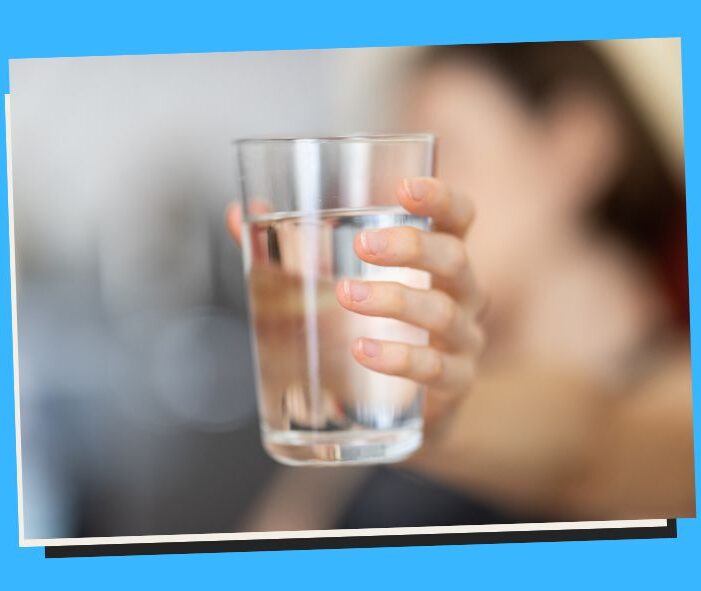
New Study Reveals the Surprising Link Between Hydration and Heart Health
Discover the groundbreaking research showing that higher sodium levels, even in the normal range, can elevate the risk of hypertension and heart failure. Learn how staying hydrated might help reduce these risks.
Study Finds: More Water Intake May Reduce Risk of Hypertension and Heart Failure 💧❤️
A recent study conducted by Israeli scientists reveals that increasing water intake could significantly reduce the risk of developing high blood pressure and heart failure, especially for individuals with elevated sodium levels. This breakthrough research, published in the European Journal of Preventive Cardiology, presents compelling evidence that staying well-hydrated is crucial for chronic disease prevention.
In a large-scale study led by Prof. Jonathan Rabinowitz of Bar-Ilan University’s Weisfeld School of Social Work, researchers examined 20 years of electronic health records from over 407,000 healthy adults enrolled in Leumit Healthcare Services, one of Israel’s largest health providers. The study’s findings challenge traditional views about sodium levels, suggesting that even within the “normal” range, higher sodium levels can increase the risk of hypertension and heart failure. But there’s good news: hydration may be the key to mitigating these risks.
Hydration’s Critical Role in Health
Traditionally, sodium levels between 135–146 mmol/L were considered normal, with little clinical concern unless levels fell outside this range. However, the Bar-Ilan study uncovered that sodium levels at the higher end of this spectrum (140–146 mmol/L) were linked to significantly higher risks of cardiovascular issues. Specifically, the research found that individuals with sodium levels above 143 mmol/L had a 29% increased risk of hypertension and a 20% higher risk of heart failure.
Key Findings from the Study
- Hydration and Sodium Levels: Hydration is crucial in managing sodium concentrations. The study used blood sodium levels as an indirect marker of hydration, revealing that low hydration leads to increased sodium concentrations in the blood, heightening the risk of heart disease.
- Widespread Issue: Nearly 60% of the study’s participants had sodium levels within the risk-associated range, highlighting how common this issue is, even among generally healthy individuals.
- Overlooked Health Factor: The study emphasized the often-overlooked importance of hydration in chronic disease prevention. As Prof. Rabinowitz pointed out, “Hydration is often overlooked in chronic disease prevention. This study adds compelling evidence that staying well-hydrated may help reduce the long-term risk of serious conditions like hypertension and heart failure.”
Why Hydration Matters
Sodium concentration in the blood rises when the body is underhydrated because insufficient water dilutes the sodium. This condition can lead to an imbalance that triggers hypertension and heart failure. Despite the importance of hydration, it is frequently neglected in medical practices and daily health habits.
Drinking enough water dilutes the sodium in the bloodstream, helping maintain balance and reducing the risk of developing severe health conditions over time. The study’s findings underscore the critical need for greater public awareness about hydration’s role in cardiovascular health.
Benefits of Staying Hydrated
- Reduces the risk of hypertension – Well-hydrated individuals are less likely to experience elevated sodium levels that contribute to high blood pressure.
- Prevents heart failure – Adequate hydration can help prevent the buildup of sodium that leads to heart failure.
- Improves kidney function – Hydration supports kidney function by flushing excess sodium and waste out of the body.
- Supports overall cardiovascular health – Hydration helps maintain fluid balance, essential for healthy circulation and heart function.
- Improves physical performance – Hydration is crucial for muscle function and endurance during physical activities.
- Boosts metabolism – Staying hydrated helps optimize metabolic functions, aiding in weight management.
- Enhances cognitive function – Proper hydration is linked to better focus, memory, and mental clarity.
- Prevents headaches – Dehydration is a common cause of headaches, and staying hydrated can mitigate this problem.
- Aids digestion – Water helps break down food and move waste through the digestive tract.
- Promotes skin health – Proper hydration keeps skin moisturized and prevents dryness.
Hydration Tips for Better Heart Health
- Drink water consistently throughout the day – Sipping water steadily helps maintain hydration.
- Use reminders to drink water – Set hourly reminders to help you remember to hydrate.
- Track your water intake – Use apps or simple notes to monitor your daily water consumption.
- Adjust water intake for activity level – Increase your water intake when you exercise or engage in physical activity.
- Pay attention to weather conditions – Drink more water in hot and humid conditions to prevent dehydration.
- Avoid excessive caffeine and alcohol – These substances can increase water loss from the body.
- Eat water-rich foods – Incorporate fruits and vegetables like cucumbers, oranges, and watermelon, which are high in water content.
- Balance hydration with electrolytes – In cases of heavy exercise, use electrolyte drinks to help balance hydration.
- Listen to your body – Thirst is a sign that your body needs more water, so don’t ignore it.
- Monitor your urine color – Clear to light yellow urine is a good indicator of proper hydration.
Frequently Asked Questions (FAQs)
- How much water should I drink daily?
The recommended daily fluid intake is about 3.7 liters for men and 2.7 liters for women, though individual needs vary. - Can drinking too much water be harmful?
Yes, excessive water intake can lead to hyponatremia, where sodium levels in the blood become dangerously low. - What is the best time to drink water?
Drink water throughout the day, especially after waking up, meals, and physical activity. - Does hydration affect weight loss?
Yes, proper hydration supports metabolism and can help control appetite, aiding in weight management. - How does dehydration affect the heart?
Dehydration increases sodium concentration in the blood, which can strain the heart and raise blood pressure. - Can drinking water lower my blood pressure?
Hydration can help maintain healthy sodium levels, which can help regulate blood pressure. - What are the signs of dehydration?
Thirst, dry mouth, dark-colored urine, and fatigue are common signs of dehydration. - Does hydration help with kidney function?
Yes, staying hydrated helps the kidneys filter waste and regulate fluid balance. - What other lifestyle changes can reduce my risk of hypertension?
A balanced diet, regular exercise, and reducing stress can also help lower blood pressure. - Can hydration prevent heart failure?
While hydration alone isn’t a cure-all, it can reduce the risk of heart failure by balancing sodium levels in the body.
Conclusion
In conclusion, this groundbreaking study underscores the importance of hydration in preventing chronic cardiovascular conditions like hypertension and heart failure. The findings challenge long-held assumptions about sodium levels and offer a simple but powerful preventive measure: drink more water. As Prof. Rabinowitz stated, a slight lifestyle adjustment, such as increasing water intake, could be a game-changer in the fight against heart disease. We can take proactive steps toward better heart health and overall wellness by staying well-hydrated.
Link Resources
- Water: How much should you drink every day? – Mayo Clinic
- European Journal of Preventive Cardiology
- It’s Great to Hydrate Infographic | American Heart Association
- Cardiovascular diseases
- Not Just Thirst What a 20-Year Study Just Revealed About Heart Health
Key Phrases
- Hydration and heart health
- Sodium and hypertension
- Chronic disease prevention
- Cardiovascular health risks
- Hydration guidelines for adults
- Water intake and heart failure
- Healthy hydration habits
- Sodium concentration in the blood
- Preventing heart disease
- Role of hydration in health
Best Hashtags
- #HydrationMatters
- #HeartHealth
- #WaterIntake
- #PreventionIsKey
- #HealthyLifestyle
- #ChronicDiseasePrevention
- #SodiumAndHeartHealth
- #StayHydrated
- #HydrationForHealth
- #HealthyHabits

Oliver Bugarin – A blog writer with over a decade of experience in WordPress website creation and management, and creating articles on lifestyle, travel, technology, business, finance, and wellness. He is known for producing clear, engaging articles that resonate with readers and add value to any blog or website.
Contact him for collaborations or content writing opportunities. Facebook – LinkedIn
.
Save/Share this story with QR CODE
Disclaimer
This article is for informational purposes only and does not constitute endorsement of any specific technologies or methodologies and financial advice or endorsement of any specific products or services.
Contact Lead Media News
📩 Feel free to Contact Lead Media News for suggestions, collaborations, reviews, or anything else.





