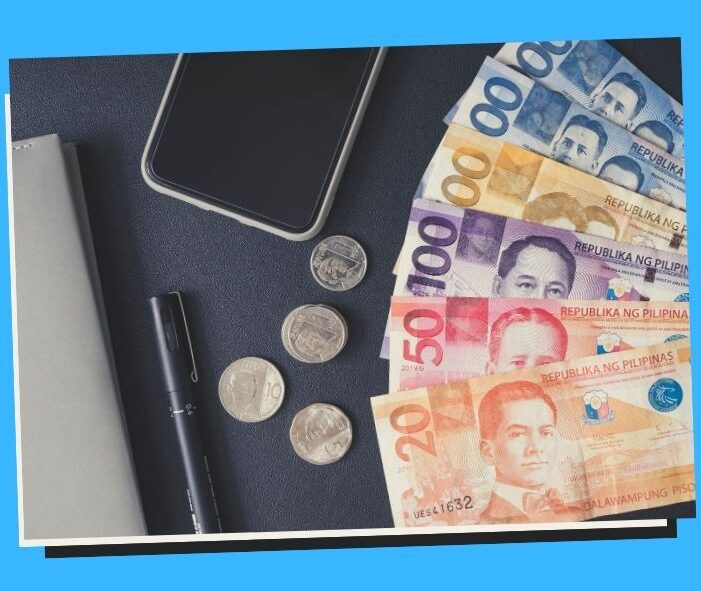
How to Teach Your Family to Manage Remittances in the Philippines
Learn how to teach your family to manage remittances in the Philippines. Build lasting wealth with our practical step-by-step financial guide.
Teaching Philippine Families Remittance Management: A Practical Guide
For millions of households across the Philippines, monthly remittances sent from family members working abroad or in major urban centers serve as an indispensable financial lifeline. These transfers cover daily living costs, pay for educational expenses, fund medical care, and keep family households running smoothly. However, a common challenge faced by remittance senders is that money received is often spent immediately without a structured plan for long-term savings, investments, or emergency reserves.
Teaching your family in the Philippines how to manage remittances effectively is one of the most transformative gifts you can give them. Without clear communication and a structured budgeting system, hard-earned money can easily slip away on non-essential lifestyle expenses, leaving the family vulnerable to sudden economic shocks. By taking a proactive approach to financial education, setting clear boundaries, and introducing modern digital tools, you can help your family transition from living month-to-month on transfers to building true financial resilience and long-term stability. 🏠
How to Teach Your Family to Manage Remittances in the Philippines
Helping your family develop strong financial habits requires patience, empathy, and a clear methodology. Here is a practical, step-by-step guide to teaching your family in the Philippines how to handle remittances responsibly.
Step 1: Initiate an Open and Empathetic Family Money Conversation
Begin by scheduling a dedicated time to discuss household finances openly with key family members. Frame the discussion around shared long-term goals rather than criticism. Explain the physical and financial effort involved in earning and sending money, and express your desire to see the family build lasting security, purchase assets, or start a local business together.
Step 2: Track Monthly Household Expenses and Categorize Spending
Work with your family to document all recurring monthly household expenses. Have them record every purchase for at least one to two months using a notebook, a spreadsheet, or a budgeting app. Group these expenses into clear categories: essential fixed costs (utilities, food, rent, tuition), variable daily needs, and discretionary non-essential spending. Seeing where money goes creates immediate financial awareness.
Step 3: Co-Create a Balanced Monthly Remittance Budget
Establish a structured budget framework before sending the next transfer. A popular framework is splitting the remittance into dedicated portions: 50 percent for essential living costs, 20 percent for savings and emergency funds, 20 percent for long-term investments or debt repayment, and 10 percent for personal discretionary spending. Tailor these percentages to fit your family’s real living requirements in their specific province or city.
Step 4: Separate Remittance Funds into Functional Bank Accounts
Avoid keeping all remitted cash in a single checking account or physical wallet where it can be spent impulsively. Guide your family to open separate accounts for distinct purposes. For instance, establish a primary transaction account for bill payments and routine shopping, and a high-yield digital bank account reserved strictly for emergency reserves and short-term savings targets.
Step 5: Transition to Direct Digital Bill Payments and Remittance Services
Reduce human handling of cash by adopting modern digital banking and payment platforms available in the Philippines. Instead of sending raw cash for utilities or tuition, use bank apps or fintech wallets like GCash and Maya to pay bills directly, or send funds directly to educational institutions and service providers. This minimizes cash temptation and provides clear digital receipts.
Step 6: Set Up an Emergency Fund and Insurance Protection
Teach your family the critical role of an emergency fund, which should ideally cover three to six months of basic household expenses. Encourage them to direct a fixed portion of every remittance into this fund before making optional purchases. Additionally, explore affordable micro-insurance plans or health coverage options like PhilHealth to ensure unexpected medical bills do not wipe out household savings.
Step 7: Introduce Micro-Investing and Local Income-Generating Opportunities
Once basic savings are secured, help your family explore simple, low-risk investment vehicles in the Philippines. Teach them about government-backed programs such as the Pag-IBIG MP2 fund, local mutual funds, or digital money market funds accessible via mobile apps. Alternatively, discuss small local business ideas that the family can operate to generate supplementary local income, reducing their total reliance on foreign transfers over time. 💡
Benefits
- Builds long-term financial security and resilience for your household in the Philippines.
- Reduces total reliance on foreign remittances by encouraging local income generation.
- Protects family members from sudden financial crises through dedicated emergency funds.
- Prevents money conflicts and misunderstandings between senders and receivers.
- Minimizes waste on non-essential lifestyle expenses through structured budgeting.
- Accelerates the accumulation of family assets such as property, land, or business capital.
- Enhances the financial literacy and confidence of family members managing the household.
- Eliminates late payment penalties on utility bills and tuition through organized scheduling.
- Encourages disciplined saving habits across multiple generations of the family.
- Gives overseas senders peace of mind knowing their hard-earned money is managed wisely.
Costing
Implementing a structured remittance management system involves minimal costs, primarily related to money transfer fees, banking minimums, and connectivity expenses.
Sending money to the Philippines using modern digital remittance services usually costs between $1 and $5 per transaction, or a small percentage of the total transfer amount, which is significantly cheaper than traditional wire services or pawnshop cash pickups.
Setting up local bank accounts in the Philippines generally requires minimal initial deposits. Traditional commercial banks may require maintaining balances ranging from ₱1,000 to ₱10,000 to avoid low-balance fees, whereas digital banks regulated by the Bangko Sentral ng Pilipinas (BSP) often require zero initial deposit and zero maintaining balance.
Essential budget considerations for setting up this system include:
- Transfer and Exchange Rate Fees: Allocating ₱200 to ₱500 per month to cover transfer fees and minor currency conversion spreads.
- Local Connectivity and Data Plans: Budgeting ₱500 to ₱1,500 per month for home internet or mobile data so family members can access digital banking apps and attend online budgeting check-ins.
- Initial Savings Deposits: Setting aside an initial ₱2,000 to ₱5,000 to open high-yield savings sub-accounts or Pag-IBIG MP2 accounts for the household.
Pros and Cons
Pros
- Empowers family members to take personal ownership of household financial decisions.
- Creates clear visibility into exactly how remitted money is utilized every month.
- Maximizes the purchasing power of transfers through strategic budget allocation.
- Encourages family members to build high-yield savings rather than holding physical cash.
- Fosters open, healthier communication lines regarding family money matters.
- Protects the sender from constant unscheduled requests for additional financial assistance.
- Allows the family to fund long-term goals like home ownership or university education.
- Teaches children and young relatives healthy financial habits early in life.
- Smooths out monthly household consumption despite fluctuating currency exchange rates.
- Strengthens overall family harmony by eliminating money-related misunderstandings.
Cons
- Can meet initial emotional resistance or pushback from family members accustomed to unmonitored cash.
- Requires significant patience, time, and ongoing communication to establish new habits.
- Depends heavily on reliable mobile internet access for digital banking tasks in rural areas.
- May cause temporary friction if spending boundaries are perceived as distrust.
- Digital bank adoption can present a learning curve for older or less tech-savvy relatives.
- Inflation can reduce the real purchasing power of saved funds over extended periods.
- Unforeseen family medical emergencies can disrupt budget allocations temporarily.
- Managing systems remotely requires constant coordination across different time zones.
- Initial setup of bank accounts and digital verification can involve paperwork and delays.
- Requires firm personal discipline from the sender to maintain agreed boundaries consistently.
Case Studies
- Educational Fund Allocation: An OFW in Dubai instituted a rule where 30 percent of the monthly transfer was sent directly to a school account for tuition, while the remainder went into a shared household wallet, ensuring education costs were never compromised.
- Digital Bank Stash Creation: An overseas worker in Singapore guided her mother in Laguna to open a digital bank account with customized savings pockets, allowing her to auto-split money for groceries, utilities, and emergency funds instantly upon receiving the remittance.
- Pag-IBIG MP2 Wealth Building: A family in Cebu agreed to invest ₱5,000 from their monthly remittance into a government-backed Pag-IBIG MP2 account, accumulating a substantial tax-free dividend reserve over five years.
- Transition to Local Sari-Sari Store: An overseas nurse helped his spouse in Cavite allocate a portion of remittances over six months to launch a neighborhood sari-sari store, creating a steady local income stream that reduced their monthly remittance requirement by 30 percent.
- Direct Utility Auto-Pay: A seafarer set up direct bill payments via local banking apps for his family’s water, electric, and internet bills in Pampanga, eliminating late payment disconnections completely.
- Budget Tracking Notebook Adoption: A mother in Iloilo began recording daily market expenditures in a simple ledger, identifying ₱3,000 in monthly non-essential snacks and impulse purchases that were subsequently redirected into an emergency fund.
- Health Insurance Protection: A family in Davao designated a small fraction of their quarterly remittance to purchase micro-health insurance, protecting their accumulated savings when a relative required unexpected outpatient care.
- Emergency Fund Establishment: A family in Bulacan set aside 15 percent of every transfer into a separate high-interest account, successfully building a ₱100,000 buffer that covered house repairs after a major typhoon without needing extra emergency remittances.
- Debt Elimination Roadmap: An overseas worker partnered with her family in Pangasinan to list all local informal debts, using a structured snowball method funded by remittances to clear all high-interest liabilities within 18 months.
- Shared Family Financial Meetings: A family in Cagayan de Oro scheduled a monthly video call every payday to review their budget spreadsheet together, celebrating savings milestones and adjusting allocations for upcoming local expenses.
Key Takeaways
- Financial education transforms remittances from temporary support into permanent wealth.
- Open, empathetic communication is essential for overcoming family money taboos.
- Categorizing expenses into fixed, variable, and discretionary items creates clear financial clarity.
- Digital banks and mobile wallets simplify budgeting and lower money transfer costs.
- Direct bill payments reduce the temptation associated with managing large amounts of cash.
- Establishing an emergency fund protects household savings from unexpected life events.
- Micro-investing in local Philippine assets helps money grow faster than basic inflation.
- Encouraging local income generation reduces long-term reliance on overseas workers.
- Consistency and firm boundary-setting ensure budgeting plans are followed long-term.
- Celebrating financial milestones together builds momentum and strengthens family unity.
Frequently Asked Questions
How do I bring up the topic of remittance management without offending my family?
Approach the topic with empathy and frame the conversation around shared long-term dreams, such as buying land, building a house, or preparing for retirement, rather than framing it as a critique of past spending.
What is the best way to handle family members who ask for money outside the budget?
Establish a clear, agreed-upon emergency fund and define strictly what constitutes a real emergency. Firmly politely refer non-essential requests back to the agreed monthly budget allocation.
Are digital banks safe for families living in the provinces of the Philippines?
Yes. Digital banks regulated by the Bangko Sentral ng Pilipinas (BSP) and insured by the Philippine Deposit Insurance Corporation (PDIC) up to legal limits are secure and accessible via mobile smartphones.
How much of a monthly remittance should be set aside for savings?
A good starting benchmark is to save 10 to 20 percent of every remittance. However, any consistent amount—even 5 percent—helps establish a healthy saving habit.
Should I send money directly to providers or give cash to my family?
Sending payments directly for tuition, utilities, and medical care reduces administrative friction and prevents money from being inadvertently redirected to non-essential items.
What low-risk investment options are suitable for remittance receivers in the Philippines?
The Pag-IBIG MP2 program, retail treasury bonds, and money market funds available on local fintech platforms offer accessible, low-risk options for growing savings.
How can I help older relatives who are not tech-savvy use digital banking apps?
Walk them through basic app navigation step by step, write down simple guidelines for cash-in and cash-out procedures at local partner outlets, or involve a trusted younger family member to assist.
What should we do if inflation makes our regular remittance budget insufficient?
Review household spending together to identify non-essential areas that can be trimmed, or explore small local micro-enterprise ideas to supplement household purchasing power.
How long does it take to establish good remittance management habits in a family?
It typically takes three to six months of consistent budgeting, monthly check-ins, and open dialogue for new financial habits to become natural for a household.
Is it necessary to open multiple bank accounts for remittance management?
Having at least two separate accounts—one for routine spending and one reserved strictly for emergency savings—is highly recommended to prevent accidental overspending.
Conclusion
Teaching your family to manage remittances effectively is one of the most impactful steps you can take toward securing your household’s financial future in the Philippines. By moving away from informal, unmonitored cash distribution and embracing structured budgets, digital tools, emergency reserves, and low-risk investments, you convert daily transfers into lasting security. The journey requires patience, transparent dialogue, and consistent effort from both senders and receivers. Start by having an open financial conversation before your next transfer, guide your family toward digital banking solutions, and build a resilient financial foundation together that will benefit your family for generations to come.
Link Resources
Bangko Sentral ng Pilipinas (BSP) Financial Inclusion
Pag-IBIG Fund Official Website
Commission on Filipinos Overseas (CFO)
Philippine Deposit Insurance Corporation (PDIC)
Department of Migrant Workers (DMW) Philippines
Key Phrases
how to teach family to manage remittances in the philippines
remittance management strategies for philippine households
OFW family financial literacy guide
budgeting remittances in the philippines
building savings from overseas remittances
digital banking for philippine remittance receivers
setting financial boundaries with family in the philippines
how to invest remittances in pag ibig mp2
reducing dependence on foreign remittances
overseas worker family money management tips
Best Hashtags
#RemittanceManagement #OFWFinances #PhilippinePersonalFinance #FamilyBudgetingPH #FinancialLiteracyPH #EmpowerOFWFamilies #DigitalBankingPH #BuildWealthPH #OFWLife #SmartMoneyPH

Oliver Bugarin – A blog writer with over a decade of experience in WordPress website creation and management, and creating articles on lifestyle, travel, technology, business, finance, and wellness. He is known for producing clear, engaging articles that resonate with readers and add value to any blog or website.
Contact him for collaborations or content writing opportunities. Facebook – LinkedIn
.
Save/Share this story with QR CODE
Disclaimer
This article is for informational purposes only and does not constitute endorsement of any specific technologies or methodologies and financial advice or endorsement of any specific products or services.
Contact Lead Media News
📩 Feel free to Contact Lead Media News for suggestions, collaborations, reviews, or anything else.





