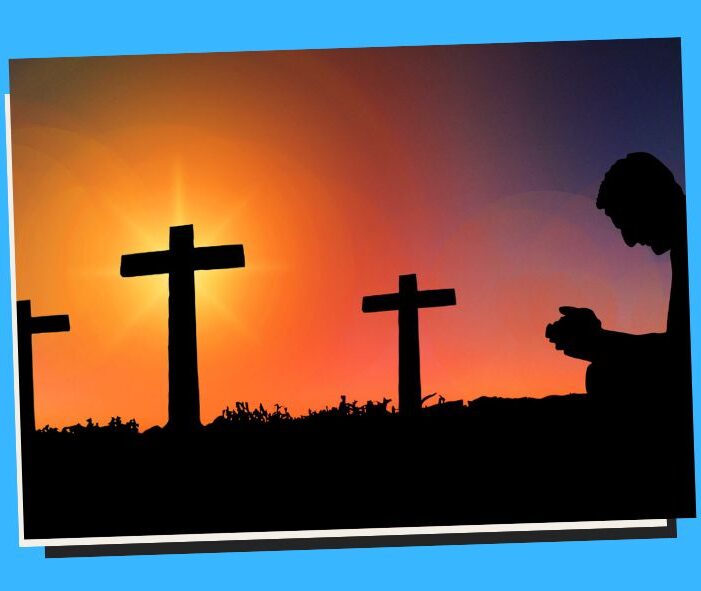
Holy Friday Traditions in the Philippines: Most Sacred Day for Filipinos
Discover how faith and tradition come alive on Holy Friday in the Philippines.
🇵🇭 How to Meaningfully Observe Holy Friday in the Philippines: A Guide to Faith, Reflection & Community 🌿
Holy Friday, also known as Good Friday, is one of the most solemn and spiritually significant days in the Philippines. For many Filipinos, it’s not just a day off; it’s a deeply meaningful time for reflection, sacrifice, and connection with their faith. This guide will walk you through how to observe Holy Friday meaningfully in the Philippines, whether you’re a devout Catholic, a curious traveler, or someone seeking spiritual renewal. 🙏
✝️ What is Holy Friday?
Holy Friday commemorates the crucifixion and death of Jesus Christ. It falls on the Friday before Easter Sunday and is part of the Christian Holy Week. In the Philippines, a predominantly Catholic nation, this day is marked by various religious rituals, solemn processions, and traditional practices that blend centuries-old Spanish influences with indigenous customs.
It’s a time when cities and towns seem to pause, with quiet streets, closed shops, and the sound of church bells echoing through the air. Many Filipinos take this time to reflect on their lives, pray, and reconnect with their spiritual roots.
🛐 How to Observe Holy Friday in the Philippines
Here’s a step-by-step guide to fully immersing yourself in the Holy Friday experience:
1. 🔇 Embrace Silence and Simplicity
Holy Friday in the Philippines is a day of mourning and contemplation. Most TV and radio stations switch to religious programming, and upbeat music is avoided. Try to keep noise to a minimum and spend time in silence. Reflect on life, relationships, and your spiritual journey.
Tip: Turn off unnecessary electronics for the day and create a peaceful space in your home with candles, a cross, or religious icons.
2. 🏠 Attend the “Seven Last Words” Reflection
Many churches hold the Siete Palabras (Seven Last Words) service around noon. This is a meditative reflection on the final words of Jesus on the cross, shared through sermons, songs, and personal testimonies.
Where: Local parishes, livestreamed online, or televised nationally
When: Usually from 12 PM to 3 PM
3. 🚶 Join a Procession or Watch a Senakulo
In many towns, especially in provinces, you’ll find dramatic reenactments of the Passion of Christ called Senakulo, or solemn processions featuring life-sized statues of saints and scenes from the Passion.
Top places to experience this:
- San Fernando, Pampanga
- Baliuag, Bulacan
- Marinduque (for the Moriones Festival)
⚠️ Note: Some towns also practice extreme acts like self-flagellation and even crucifixion (especially in Pampanga). These are controversial and not endorsed by the Catholic Church, but still practiced by some devotees.
4. 🌿 Fast and Abstain
Catholics aged 18–59 are expected to fast (eat only one full meal and two small ones) and abstain from meat on Good Friday. It’s a form of penance and solidarity with the suffering of Christ.
Alternative meals: Try local Lenten favorites like lugaw, ginataang bilo-bilo, or tortang talong.
5. 📿 Pray the Stations of the Cross
Whether at home, outdoors, or at a parish, many Filipinos pray the Stations of the Cross—14 stops that commemorate Jesus’ path to Calvary. This is often done through a physical walk or meditation.
Pro tip: Create your own Stations at home with simple drawings or printed images and reflect quietly as a family.
6. 🕯️ Participate in the Veneration of the Cross
In the afternoon, many churches hold a Veneration of the Cross ceremony. Worshippers approach the altar, bow, kneel, or kiss a wooden cross in reverence. This act symbolizes gratitude and respect for Jesus’ sacrifice.
What to bring: A small crucifix if you can’t attend in person
7. 🌄 Disconnect and Reflect in Nature
If you’re in a rural area or province, take a reflective walk in nature. Holy Friday is perfect for stillness, and many Filipinos go on “Visita Iglesia” or mini pilgrimages on foot to various churches.
Good options: Early morning hikes, visiting nearby chapels, or beachside prayer
8. 🕊️ Meditate or Journal
Use the quiet time to write down your thoughts, prayers, or intentions. Journaling is a powerful way to process emotions and deepen spiritual insight.
Prompt idea: “What am I willing to let go of to grow closer to God?”
9. 📺 Watch a Religious Film
If you’re spending the day indoors, many Filipinos watch classic religious movies like The Passion of the Christ or Jesus of Nazareth. These films help set a reflective tone and educate younger family members about the significance of the day.
10. 🕯️ Light a Candle at Sundown
As night falls, lighting a candle is a peaceful and symbolic act of hope and resilience. Even though Holy Friday ends in sorrow, it leads to the joy of Easter Sunday.
🌟 Benefits of Observing Holy Friday in the Philippines
- Spiritual Renewal – You reconnect with your faith and values. 🧘♂️
- Mental Clarity – Silence and reflection clear the mind and reduce stress. 🧠
- Cultural Immersion – You experience deep traditions and rich Filipino heritage. 🇵🇭
- Family Bonding – Time together in reflection fosters stronger relationships. 👨👩👧👦
- Community Connection – Processions and services unite people in shared beliefs. 🤝
- Detox from Technology – A digital break refreshes the soul. 📵
- Fasting Benefits – Light eating gives your digestive system a rest. 🥗
- Humility Practice – Reflecting on sacrifice fosters gratitude and humility. 🤲
- Creative Expression – Many express their devotion through art, poetry, or drama. 🎨
- Inspiration for Change – It’s a chance to evaluate life’s direction and seek renewal. 🔄
🇵🇭 Unique Filipino Traditions You Might Witness
- Pabasa ng Pasyon – A continuous chanting of Christ’s Passion narrative, sometimes lasting days!
- Moriones Festival – In Marinduque, locals wear Roman soldier masks and parade in the streets.
- Flagellation and Real-life Crucifixions – Especially in San Pedro Cutud, Pampanga—controversial but deeply symbolic for some penitents.
🧳 Tips for Travelers in the Philippines During Holy Friday
- Plan Ahead: Major establishments are closed; stock up on food and water. 🍞
- Respect Traditions: Dress modestly, avoid loud music or parties. 🕊️
- Be a Witness, Not a Spectator: Engage respectfully with local customs and avoid turning processions into photo ops. 📷🙅
- Transportation Can Be Sparse: Check ferry, bus, and flight schedules early. 🚌✈️
🌟 Pros and Cons of Holy Friday in the Philippines
✅ Pros:
- Spiritual Renewal 🙏
People pause their busy lives to reflect, pray, and reconnect with their faith. - Family Bonding 👨👩👧👦
Entire families spend the day together attending processions and religious services. - Community Unity 🤝
Towns and barangays unite in shared traditions like the Senakulo and Pabasa. - Cultural Preservation 🎭
Rituals passed down for centuries are kept alive through reenactments and songs. - Tourism Boost (Religious) ✈️
Pilgrimages and Holy Week tourism see an increase, especially in places like Pampanga and Marinduque. - Time for Reflection 🧘
The solemn nature of the day encourages introspection and gratitude. - Promotion of Filipino Values ❤️
Respect, sacrifice, and compassion are front and center during this day. - Economic Support through Vendors 🍢
Local vendors benefit from the influx of people attending church events. - Creative Expression 🎨
Theatrical portrayals like the Senakulo allow creative interpretations of biblical events. - Health Consciousness (No Meat) 🥦
The no-meat tradition promotes plant-based eating for a day.
❌ Cons:
- Extreme Acts of Devotion 🔨
Practices like self-flagellation and crucifixions can be dangerous. - Public Health Risks 🩸
Open wounds from penance rituals may lead to infections. - Traffic and Congestion 🚗
Religious processions often cause heavy traffic and road closures. - Disruption of Business Operations 🏢
Almost all establishments shut down, affecting daily routines and businesses. - Commercialization 🛍️
Vendors sometimes overshadow the spiritual tone with aggressive selling. - Misinformation 📜
Some practices deviate from official Church teachings, leading to confusion. - Emotional Toll 😢
The sorrowful atmosphere can be emotionally heavy, especially for children. - Overcrowding 👥
Major events draw large crowds, which can be overwhelming and unsafe. - Environmental Impact 🌱
Trash left behind after processions harms the environment. - Cultural Misinterpretations 🌍
Tourists sometimes misunderstand the depth of the rituals, viewing them as a spectacle.
📚 Real-Life Case Studies: Stories from the Ground
- San Fernando, Pampanga – The Crucifixions
Ruben Enaje has been voluntarily nailed to the cross every Good Friday for over 30 years as a form of thanks for surviving a fall. - Marinduque – The Moriones Festival
A blend of devotion and theater, locals don Roman soldier masks and reenact the story of Longinus. - Quiapo, Manila – Procession Overload
The church handles thousands of devotees in silent prayer and massive processions despite urban congestion. - Antipolo City – Alay Lakad Pilgrimage
Thousands walk overnight to Antipolo Cathedral as an act of faith, many barefoot. - Baliuag, Bulacan – Gigantic Processions
More than a hundred lavishly decorated carrozas (floats) roll through the streets. - Lucban, Quezon – Quiet Holy Friday
Known for vibrant festivals like Pahiyas, Lucban becomes an eerily serene ghost town on Good Friday. - Tagaytay Retreat Houses – Silent Reflection
Retreat centers offer silent spiritual retreats for those avoiding large crowds. - Cavite Towns – Traditional Senakulo
Street plays with full costumes retell the passion of Christ in public squares. - Online Devotion (Post-2020) – Virtual Holy Week
Since the pandemic, churches like Baclaran Church stream Holy Week services on Facebook and YouTube. - Zamboanga Peninsula – Christian-Muslim Harmony
Local interfaith groups ensure Holy Friday observances are respected across diverse communities.
🧠 Key Takeaways from Holy Friday in the Philippines
- Faith remains central to Filipino identity, transcending generations.
- Holy Friday is both a religious and cultural experience.
- Not all practices are endorsed by the Church, but many are respected as expressions of faith.
- Modernity and tradition coexist, from online services to traditional reenactments.
- Devotion comes in many forms: prayer, silence, theater, and even physical pain.
- Communal rituals reinforce bonds among families and communities.
- Solemnity marks the day, but expressions vary across regions.
- The Filipino spirit of sacrifice echoes the message of Good Friday.
- Art and faith are intertwined, especially in the Senakulo and Moriones.
- Respect and understanding are key, especially for observers and tourists.
❓ Frequently Asked Questions (FAQs)
1. Why is it called Holy or Good Friday?
Though it commemorates Christ’s crucifixion, it’s called “Good” because of the salvation it represents in Christian theology.
2. What do Filipinos do on Holy Friday?
Attend church, participate in processions, reflect in silence, and refrain from meat and merrymaking.
3. Is it true that people get crucified in the Philippines?
Yes, particularly in Pampanga. It’s a voluntary act and not officially sanctioned by the Catholic Church.
4. Can tourists witness these events?
Yes, but they are encouraged to be respectful and observe quietly. No selfies during sacred moments, please!
5. Are businesses closed?
Most are. Even major malls pause operations on Holy Friday, though some essentials like pharmacies may stay open.
6. Is there public transportation?
Limited. Many transport services take a break or operate on shortened schedules.
7. What is the Senakulo?
A passion play that dramatizes Jesus’ final days. It’s like biblical theater in the streets.
8. Do all Filipinos participate?
Not all, but many do in some form, whether through mass, reflection, or abstaining from festivities.
9. Is it safe to attend processions?
Generally, yes. However, big cities can get crowded. Stay hydrated and watch your belongings.
10. What food is typically eaten?
Fish, vegetables, and root crops. Meat is avoided in observance of the day’s penitential tone.
💭 Conclusion
Holy Friday in the Philippines is more than a religious observance, it’s a national moment of deep reflection, humility, and hope. It invites people of all ages and beliefs to pause and think about what truly matters: faith, family, community, and compassion.
Holy Friday offers a sacred opportunity to reset your spirit, whether you’re attending a solemn procession, joining a household prayer, or quietly journaling in your room. It reminds us that even in the darkest of times, light is coming, and with it, renewal. 🌅
So when Holy Friday comes around, don’t just treat it like a long weekend. Embrace its stillness, respect its rituals, and open your heart to its message. ❤️
Did you find this guide helpful? Share it with a friend or family member preparing for Holy Week! 🙌
Got your own Holy Friday tradition in the Philippines? Tell us in the comments! 👇
🔗 Resource Links
- Philippine Passion Plays and Holy Week
- Penitensya Traditions in Pampanga
- Marinduque’s Moriones Festival
- YouTube: Moriones Festival Procession
- National Commission for Culture and the Arts (NCCA)
- BBC Documentary: Holy Week
🔑 Key Phrases
- Filipino Holy Friday traditions
- Moriones Festival
- Penitensya rituals
- Way of the Cross Philippines
- Lenten Season practices
- Black Friday processions
- Holy Week in the Philippines
- Passion of Christ reenactments
- Catholic devotion in the Philippines
- Fasting and reflection traditions
🔥 Best Hashtags
- #HolyFridayPH
- #SemanaSanta
- #FaithInThePhilippines
- #PinoyTradition
- #LentenSeason
- #MorionesFestival
- #Penitensya
- #CatholicFaith
- #PassionOfChrist
- #HolyWeek2025

Oliver Bugarin – A blog writer with over a decade of experience in WordPress website creation and management, and creating articles on lifestyle, travel, technology, business, finance, and wellness. He is known for producing clear, engaging articles that resonate with readers and add value to any blog or website.
Contact him for collaborations or content writing opportunities. Facebook – LinkedIn
.
Save/Share this story with QR CODE
Disclaimer
This article is for informational purposes only and does not constitute endorsement of any specific technologies or methodologies and financial advice or endorsement of any specific products or services.
Contact Lead Media News
📩 Feel free to Contact Lead Media News for suggestions, collaborations, reviews, or anything else.





