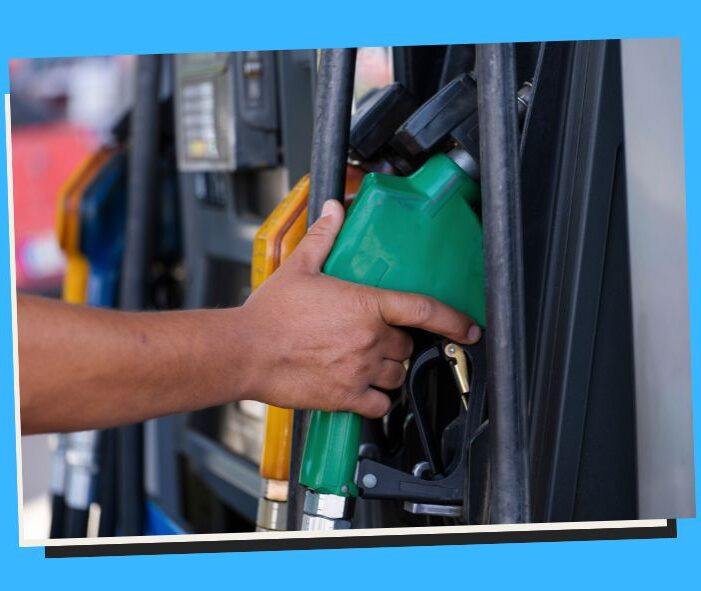
Fuel Price Trends in Metro Manila: Understanding the May 27 Adjustments
Stay updated on the latest fuel price changes in the Philippines. Learn how the May 27 adjustment affects your budget.
Minimal Oil Price Adjustment Set for May 27: What Consumers Need to Know ⛽📈
MANILA, Philippines — Consumers and motorists should prepare for slight changes in fuel prices starting Tuesday morning, May 27, as several major oil companies announced a minimal adjustment in pump prices.
In statements released separately, leading oil firms Caltex, Cleanfuel, and Seaoil declared that gasoline prices will increase by 10 centavos per liter, while diesel prices will experience a modest reduction of 20 centavos per liter. Furthermore, Caltex and Seaoil confirmed a rollback of kerosene prices by 40 centavos per liter.
Industry watchers expect other oil players to follow this trend closely, aligning with the adjustments. These changes come after a significant fuel price increase implemented just last week, when gasoline and kerosene prices surged by PHP 1.20 per liter, and diesel prices rose by PHP 1.70 per liter.
This marks the second consecutive week of gasoline price hikes, a trend that has stirred various economic and social conversations in the country.
Current Price Landscape According to the Department of Energy
The Department of Energy (DOE) reports that retail prices in Metro Manila currently range widely due to market fluctuations:
- Gasoline prices: PHP 44.00 to PHP 73.20 per liter
- Diesel prices: PHP 44.00 to PHP 67.47 per liter
- Kerosene prices: PHP 67.70 to PHP 82.94 per liter
These variations reflect global crude oil trends, currency exchange rates, and local supply-demand dynamics.
Benefits of Understanding Oil Price Adjustments
- Better Budget Planning: Consumers can forecast transportation and household energy expenses accurately.
- Informed Fuel Choices: Awareness of price shifts encourages choosing more cost-efficient fuel types.
- Economic Insight: Knowing how prices move aids in understanding the broader economic environment.
- Energy Conservation: Price awareness often leads to more prudent fuel use and energy-saving habits.
- Investment Decisions: Businesses relying on fuel can adjust operations or pricing strategies accordingly.
- Improved Market Competition: Price transparency fosters healthy competition among oil companies.
- Government Policy Engagement: Consumers can better assess the impact of government policies on fuel prices.
- Support for Public Transport: Higher fuel prices may increase the use of public transportation, easing traffic congestion.
- Environmental Benefits: Shifts in fuel consumption can impact pollution levels positively.
- Empowered Consumers: Knowledge builds confidence in navigating fuel-related economic decisions.
Practical Tips for Managing Fuel Expenses Amid Price Changes
- Monitor Price Updates: Follow announcements from the DOE and oil companies regularly.
- Use Fuel-Efficient Vehicles: Consider vehicles with better mileage to reduce fuel consumption.
- Plan Trips Wisely: Combine errands to minimize unnecessary driving.
- Maintain Vehicles Properly: Regular tune-ups improve fuel efficiency.
- Adopt Eco-driving Techniques: Avoid rapid acceleration and excessive idling.
- Consider Alternative Transportation: Carpooling, biking, or walking when possible.
- Use Fuel Loyalty Programs: Maximize discounts and rewards offered by fuel stations.
- Track Fuel Consumption: Use apps or logs to understand personal usage patterns.
- Limit Non-Essential Travel: Reduce trips during periods of high fuel prices.
- Support Renewable Energy Initiatives: Explore investments in electric or hybrid technologies.
Insights into the Philippine Oil Market and Pricing
- Global Crude Oil Volatility: Local prices reflect changes in international crude oil markets.
- Currency Exchange Impact: The peso’s strength against the US dollar directly affects pump prices.
- Government Taxation: Excise taxes and value-added tax add to the retail cost of fuels.
- Supply Chain Dynamics: Import logistics and storage costs influence prices.
- Refinery Capacity: The country relies heavily on imported refined petroleum products.
- Competition Among Oil Firms: Price adjustments may be competitive responses.
- Seasonal Demand Shifts: Weather and holidays affect fuel consumption patterns.
- Regulatory Environment: DOE policies aim to balance consumer protection and industry viability.
- Consumer Behavior: Public sensitivity to price changes shapes market responses.
- Technological Advances: Emerging alternative fuels and energy-efficient vehicles may alter future demand.
Frequently Asked Questions (FAQs)
- Why are gasoline prices still increasing despite a slight diesel price drop?
Gasoline and diesel markets are influenced by different supply and demand factors, resulting in distinct price movements. - How do global oil prices affect local fuel prices?
Local pump prices often mirror trends in global crude oil prices, adjusted by exchange rates and local taxes. - Will these price changes affect public transportation fares?
Public transport operators may adjust fares depending on fuel cost changes, but it varies by route and company. - Are these fuel price changes permanent?
Prices are subject to frequent revision based on market conditions and policy directives. - What can consumers do to mitigate the impact of rising fuel prices?
Adopting fuel-saving habits, using efficient vehicles, and planning travel can help reduce fuel expenses. - Do all oil companies follow the same price adjustments?
While major companies often follow similar trends, some may set different prices based on their strategies. - How often does the DOE update fuel price data?
The DOE typically releases weekly fuel price monitors reflecting current market status. - What factors cause large swings in fuel prices?
Geopolitical events, supply disruptions, and changes in crude oil prices often cause price volatility. - How does the price of kerosene affect households?
In some areas, kerosene is commonly used for cooking and lighting; price changes can impact household budgets. - Is the government doing anything to stabilize fuel prices?
The government monitors prices closely and may intervene through policies or subsidies when necessary.
Conclusion
The minimal oil price adjustment set for May 27 signals a cautious approach by oil companies to balance operational costs and consumer affordability. Although gasoline prices will see a slight increase, the reduction in diesel and kerosene prices provides some relief to consumers, especially in sectors reliant on these fuels.
Understanding these price dynamics empowers individuals and businesses to make better decisions in managing fuel expenses and energy consumption. By staying informed, adopting practical strategies, and supporting sustainable alternatives, Filipinos can navigate the challenges of fluctuating fuel prices with confidence and resilience.
Link Resources
- Department of Energy – Fuel Price Monitor
- Philippine Statistics Authority – Consumer Price Index
- International Energy Agency – Global Oil Market Reports
- World Bank – Energy Sector Data and Analysis
- ASEAN Centre for Energy
Key Phrases
- Oil price adjustment Philippines
- Gasoline price increase May 2025
- Diesel price rollback Philippines
- Kerosene price reduction
- Fuel price impact on economy
- Department of Energy fuel updates
- Oil companies price announcement
- Metro Manila fuel prices
- Managing fuel expenses
- Sustainable energy alternatives
Best Hashtags
#FuelPricesPH #OilPriceUpdate #GasolinePrices #DieselPriceDrop #KeroseneRollback #EnergyCosts #DOEPhilippines #FuelEfficiency #SustainableEnergy #PhilippinesEconomy

Oliver Bugarin – A blog writer with over a decade of experience in WordPress website creation and management, and creating articles on lifestyle, travel, technology, business, finance, and wellness. He is known for producing clear, engaging articles that resonate with readers and add value to any blog or website.
Contact him for collaborations or content writing opportunities. Facebook – LinkedIn
.
Save/Share this story with QR CODE
Disclaimer
This article is for informational purposes only and does not constitute endorsement of any specific technologies or methodologies and financial advice or endorsement of any specific products or services.
Contact Lead Media News
📩 Feel free to Contact Lead Media News for suggestions, collaborations, reviews, or anything else.





