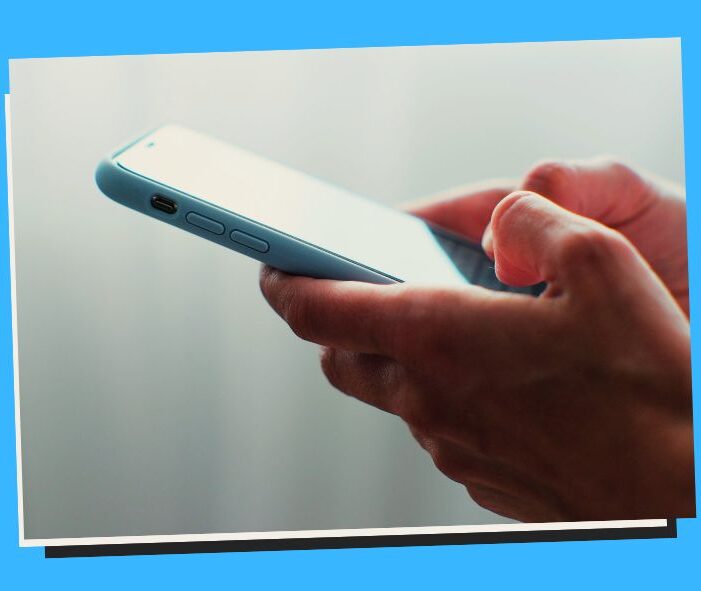
Empowering the Unbanked: The Rise of Mobile Wallets in the Philippines
Discover how mobile wallets are transforming the lives of millions of Filipinos who’ve been left out of traditional banking.
How Mobile Wallets Are Empowering Unbanked Filipinos
Helping millions access digital finance one tap at a time
In the Philippines, financial inclusion remains a pressing challenge. Despite the rapid rise of digital infrastructure, nearly half of Filipino adults still don’t have a formal bank account. The reasons range from a lack of documentation and banking access to financial literacy barriers and economic hardships. For many, managing money has always meant dealing in cash, which is risky, inefficient, and limiting.
But things are changing.
Thanks to mobile technology, digital financial tools are now reaching places where traditional banks never could. One standout innovation is the mobile wallet, a smartphone-based application that allows users to send, receive, and manage money digitally. Mobile wallets are more than just a convenient payment method; they are powerful financial tools that empower the unbanked population to participate in the economy, build savings, pay bills, and even grow small businesses.
With just a mobile number, an ID, and basic internet access, a person can take control of their finances, even without a bank account. Whether it’s buying load, receiving remittances, paying tuition, or accessing microloans, mobile wallets are now central to everyday life for millions of Filipinos.
So, how do they work? And how can they be used to their full potential?
To start, let’s break down the basics.
A mobile wallet is an app installed on a smartphone that holds funds electronically. It allows users to store money securely and perform transactions without using cash or cards. Popular mobile wallet providers in the Philippines include GCash, Maya, Coins.ph, and GrabPay. These platforms are designed for accessibility, requiring only a verified mobile number, a valid ID, and an internet connection.
Getting started is simple. First, choose a mobile wallet app that suits your needs. Most people prefer GCash or Maya because they are widely accepted and easy to use. Next, download the app from the Google Play Store or Apple App Store and install it on your phone.
Once installed, register using your mobile number. The system will send you a one-time PIN (OTP) to confirm your number. Enter your personal information, including your full name and birthdate. For full access to the app’s features, like higher wallet limits and interbank transfers, you’ll need to complete the Know-Your-Customer (KYC) verification. This involves uploading a valid ID (such as a UMID or Driver’s License) and taking a quick selfie.
After your identity is verified, it’s time to fund your wallet. You can add money through over-the-counter partners like 7-Eleven, SM Bills Payment, Palawan Express, or even by linking a bank account or debit card. Some users also receive funds via remittance partners or transfers from other users.
Once your wallet has funds, you’re ready to go. You can now pay for goods at local stores, settle your Meralco or water bill, load your mobile data, buy online, donate to charities, or send money to family anywhere in the country, all within a few taps.
Let’s dive into the real value these wallets bring, especially to those who need it most.
Benefits of Digital Wallet
1. Financial inclusion for all
Mobile wallets break down the barriers that have long excluded millions from the financial system. No bank account? No problem. You’re in as long as you have a smartphone and an ID. This creates massive potential for social equity and economic participation.
2. Convenience
You can pay bills, shop online, send money, and top up your account all without stepping out of the house. This is a game-changer, especially for people in rural areas or those with mobility challenges. It also saves time spent commuting or lining up at payment centers.
3. Access to credit and microloans
Many mobile wallets offer users access to microloans and credit lines. For example, GCash provides “GLoan” and “GGives,” while Maya offers flexible credit limits. These features empower users to handle emergencies, fund small businesses, or bridge day-to-day expenses without going through the bureaucracy of traditional banking.
4. Lower remittance costs
Families who rely on remittances from OFWs or relatives in other regions benefit from faster, cheaper, and more direct fund transfers. Users can receive money instantly via mobile wallets instead of using pawnshops or remittance centers that charge high fees.
5. Improved financial security
Carrying large sums of cash increases the risk of theft. With a mobile wallet, users can safely store money digitally. Apps use PIN codes, biometrics, and OTP security, making them more secure than physical cash.
6. Bill payment and digital transactions
Electric bills, water, internet, tuition, and government contributions can be paid through mobile wallets. This is especially helpful in areas with limited banks or bill payment centers access.
7. Supporting small entrepreneurs
Small business owners like sari-sari store operators, food stall vendors, and delivery riders can now accept QR code payments. It gives them access to more customers, helps them track transactions, and even opens up opportunities for business loans or online selling.
8. Income generation opportunities
Mobile wallets can also be a source of income. Users can register as community agents or “Pera Outlets,” earning commission by providing cash-in, cash-out, and bill payment services to neighbors. Referral programs also offer bonuses for inviting new users.
9. Budgeting and financial literacy
These apps usually include simple budgeting tools. Users can track spending, set saving goals, and receive reminders. For many first-time digital users, this introduces the concept of financial planning in a practical way.
10. Resilience during crises
Whether it’s a typhoon, a pandemic, or an unexpected personal emergency, mobile wallets allow users to continue making essential transactions when traditional services are disrupted. They provide resilience and continuity, especially in times of need.
What’s remarkable is how quickly Filipinos have embraced this transformation. As of recent data, mobile wallet usage has surpassed 50 million active users across platforms. Vendors in public markets now display GCash and Maya QR codes. Local governments use them for cash aid distribution. Even small community schools accept tuition through digital payment.
Of course, some challenges remain. Internet access is still unreliable in some areas, especially in remote provinces. Digital literacy also varies, and some older or lower-income users may feel intimidated by the technology. But continuous government and private sector efforts are helping to bridge these gaps through digital inclusion programs and tech education campaigns.
Security is another concern.
Scams, phishing, and account hacking are common threats. That’s why users are encouraged to use strong passwords, enable biometric security features, and never share OTPs or account details with anyone, even people claiming to be from customer support. Wallet providers are also improving security systems, with fraud detection and customer support hotlines available to assist users.
The shift toward mobile wallets is not just about technology—it’s about empowerment. It gives people who were once excluded from the formal economy the chance to build a safer, more stable financial future. With each cashless transaction, unbanked Filipinos are stepping into a world of possibilities—more connected, more included, and more in control of their money.
Whether you’re a student saving for your tuition, a vendor growing a business, or a parent managing household bills, mobile wallets put the power of digital finance in your hands. It’s time to make the most of it.
✅ Pros of Mobile Wallets for Unbanked Filipinos
- Financial Inclusion Without Bank Accounts
Anyone with a mobile phone can access digital financial services. - Easy Access to Government Aid
Programs like Ayuda and Pantawid Pamilyang Pilipino Program (4Ps) are now disbursed digitally. - Cashless Convenience
Send money, pay bills, or shop online without carrying physical cash. - No Minimum Balance Requirements
Unlike traditional banks, mobile wallets don’t require maintaining a minimum balance. - Wider Reach in Remote Areas
Mobile wallets can work in areas underserved by banks or ATMs. - Micro-Savings and Insurance Features
Apps like GCash offer “GSave” and microinsurance options even to the unbanked. - Empowers Small Businesses
Vendors and micro-entrepreneurs can accept digital payments and access credit. - Low Transaction Fees
Many mobile wallet transactions are either free or cheaper than bank charges. - Multi-Language Support
Apps are accessible in Tagalog, Cebuano, and other local languages. - 24/7 Accessibility
Transactions can be made anytime without visiting a branch.
⚠️ Cons of Mobile Wallets for Unbanked Filipinos
- Dependence on the Internet or a Mobile Signal
Connectivity is still an issue in many rural areas. - Digital Literacy Barriers
Some users, especially the elderly, struggle to navigate apps. - Limited Cash-In Points in Remote Areas
Not all barangays have a nearby outlet or agent. - Fraud and Scams
Mobile wallets are targets for phishing, fake SMS, and social engineering attacks. - Data Privacy Concerns
Lack of education about personal data sharing poses risks. - Overreliance on One Platform
Monopoly issues if only one e-wallet dominates a region. - Transaction Limits
Unverified accounts have strict cash-in and transfer limits. - Hidden Fees in Cash-Out Transactions
Some agents charge higher-than-standard fees. - Battery Dependency
Users must have a charged mobile device to transact. - Customer Service Issues
Resolution of disputes or technical issues can be slow.
📊 Case Studies: Real-Life Impact Across the Philippines
- GCash Padala for a Market Vendor in Tondo
A 55-year-old vendor uses GCash Padala to receive weekly remittances from her son in Dubai, skipping long lines at remittance centers. - Coins.ph for Crypto-Savvy Fishermen in Palawan
Local cooperatives use Coins.ph to distribute crypto-based incentives for sustainable fishing practices. - Maya for a Street Food Vendor in Davao
A vendor boosts sales by accepting QR payments, attracting tech-savvy students and professionals. - DiskarTech in Bacolod for Micro-Savings
A sari-sari store owner earns interest by depositing daily sales into DiskarTech, rather than keeping cash on hand. - GCash Forest Incentive in Laguna
Users are rewarded for transactions that lead to tree planting, motivating eco-conscious savings habits. - PeraHub Integration for Overseas Remittances in Ilocos
Families receive remittances straight to their wallets, no need for physical pickup. - PalawanPay Expansion to Far-Flung Islands
PalawanPay allows island residents to cash in/out via mobile, reducing the need for boat travel to the mainland. - Maya Loans for Small Enterprises in Cavite
A tricycle driver expanded his fleet with a small loan accessed through the Maya app. - Coins.ph for Tuition Payments in Bicol
Schools accept tuition via Coins.ph, helping students from low-income families keep up with fees. - Ayuda Distribution in Quezon Province
LGUs use mobile wallets for safer, faster aid disbursement during natural calamities.
🧠 Key Takeaways
- Mobile wallets break barriers for the unbanked.
- Digital payments promote safer, cashless transactions.
- Micro-entrepreneurs benefit from instant, traceable payments.
- Government and NGOs are adopting mobile wallet-based aid.
- Digital identity is the new key to financial empowerment.
- Financial education is crucial to combat fraud.
- Tech infrastructure is still uneven across the country.
- E-wallet services must improve customer support.
- More partnerships between telcos, LGUs, and banks are needed.
- Mobile wallets are an essential part of the future of inclusive finance.
❓ Frequently Asked Questions (FAQs)
- Q: What is a mobile wallet?
A: It’s a digital platform that allows users to send money, pay bills, and save using their phone. - Q: Do I need a bank account to use a mobile wallet?
A: No, many mobile wallets in the Philippines are designed for unbanked users. - Q: Are mobile wallets safe?
A: Generally yes, if you follow safety protocols like enabling 2FA and not sharing OTPs. - Q: What is the best mobile wallet for unbanked Filipinos?
A: GCash, Maya, and DiskarTech are among the most accessible and widely used. - Q: Can I use a mobile wallet without internet?
A: Some wallets offer USSD or SMS-based services, but most features need internet. - Q: How do I cash in without a bank account?
A: Through convenience stores, remittance centers, and authorized agents. - Q: Is there a limit to how much I can keep in a wallet?
A: Yes, usually ₱50,000 for unverified users and ₱100,000 for verified ones. - Q: Can mobile wallets be used to apply for loans?
A: Yes, Maya and DiskarTech offer microloans to verified users. - Q: What happens if I lose my phone?
A: Your wallet can be locked remotely and recovered using your registered ID and number. - Q: How can senior citizens use mobile wallets?
A: They can be assisted by family members or LGU programs offering digital literacy.
🔗 Resource Links
- Bangko Sentral ng Pilipinas (BSP) on Digital Finance
Learn about policies supporting financial inclusion. - GCash Website
Check services, limits, and verification procedures. - Maya Official Site
Offers details on e-wallet, bank, loans, and savings. - Coins.ph
Discover how Coins.ph supports unbanked users and crypto transactions. - DiskarTech by RCBC
Learn about their Taglish interface and interest-bearing deposits. - PalawanPay
See how this app connects island communities. - Philippine Statistics Authority (PSA)
Explore statistics on unbanked populations and digital access. - Department of Social Welfare and Development (DSWD)
Learn about cash aid disbursement via mobile wallets. - Better Than Cash Alliance – Philippines
Global insights on mobile wallets improving lives in the Philippines. - Teach for the Philippines – Financial Literacy
Education-based programs on digital finance for communities.
✨ Conclusion
Mobile wallets are redefining what it means to be “banked” in the Philippines. For millions of unbanked Filipinos, these apps are not just tools—they’re gateways to opportunity. While challenges exist, the benefits far outweigh the risks. With the right policies, partnerships, and education, mobile wallets can unlock a future of inclusive, digital-first prosperity.
Whether you’re a student, an OFW family, a micro-entrepreneur, or a barangay captain, the power to thrive financially may already be in your pocket.
So if you haven’t tried it yet, download one today. The future of finance is not in your pocket—it’s in your palm. 📱💸🇵🇭
🔑 Key Phrases
- Mobile wallets in the Philippines
- Financial inclusion for unbanked Filipinos
- Digital wallet adoption in rural areas
- GCash and Maya financial empowerment
- Mobile banking without a bank account
- Fintech solutions for the unbanked
- Empowering Filipino communities
- Smart financial tools for the poor
- Inclusive finance in the digital age
- Technology for financial equality
🏷️ Best Hashtags
- #FinancialInclusion
- #MobileWalletsPH
- #EmpowerFilipinos
- #GCashForAll
- #BankTheUnbanked
- #DigitalInclusion
- #TechForGood
- #FintechPH
- #WalangIwanan
- #SmartMoneyPH

Oliver Bugarin – A blog writer with over a decade of experience in WordPress website creation and management, and creating articles on lifestyle, travel, technology, business, finance, and wellness. He is known for producing clear, engaging articles that resonate with readers and add value to any blog or website.
Contact him for collaborations or content writing opportunities. Facebook – LinkedIn
.
Save/Share this story with QR CODE
Disclaimer
This article is for informational purposes only and does not constitute endorsement of any specific technologies or methodologies and financial advice or endorsement of any specific products or services.
Contact Lead Media News
📩 Feel free to Contact Lead Media News for suggestions, collaborations, reviews, or anything else.





