Livelihood over Loans: Empowering distressed migrants in the Ilocos Region
What happens when an OFW returns due to a crisis? Explore the interagency support system between OWWA, DMW, and LGUs designed to stabilize and secure the future of returning heroes.
OWWA reinforces reintegration support for returning OFWs
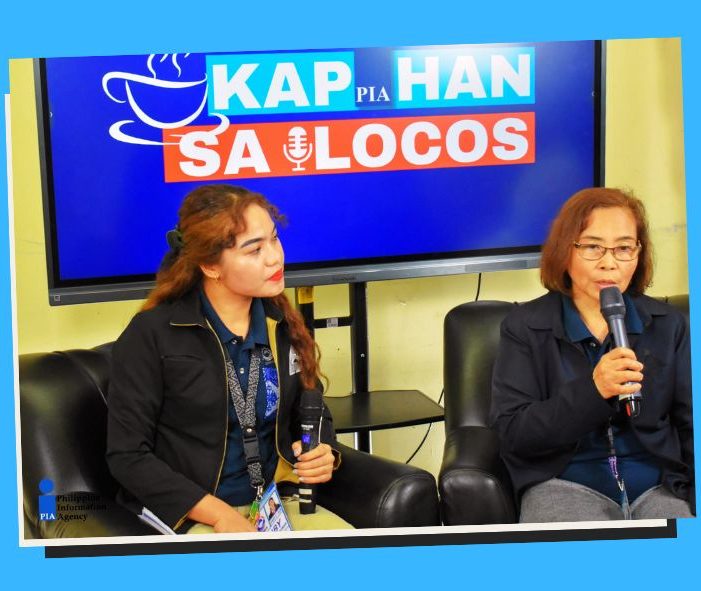
The transition from working abroad to settling back in the Philippines is often a journey fraught with uncertainty, especially for those who return under duress. Recognizing this, the Overseas Workers Welfare Administration (OWWA) has significantly strengthened its regional outreach as of early 2026. During the “Kapihan sa Ilocos” session hosted by the Philippine Information Agency on January 28, officials detailed a comprehensive strategy to catch displaced and distressed overseas Filipino workers (OFWs) before they fall through the cracks of the local economy. 📈
The focus in the Ilocos Region, led by Officer-in-Charge Regional Director Marivic Mondina, is on the “full migration cycle.” This philosophy ensures that an OFW is not just assisted when they leave, but is actively monitored and supported upon their return. For the thousands of workers affected by global conflicts, employer abuse, or sudden illness, the reinforced regional presence of OWWA acts as a vital frontline defense, transforming national welfare policies into immediate, community-level action. 🇵🇭
Balik Pinas, Balik Hanapbuhay: A Livelihood Lifeline
At the center of this reintegration push is the Balik Pinas, Balik Hanapbuhay Program. This initiative is specifically designed for vulnerable returnees who faced contract disruptions or medical emergencies. Rather than just a one-time cash grant, the program provides a holistic “starter kit” for financial recovery. Beneficiaries are required to undergo business orientation and basic bookkeeping training, ensuring that the capital they receive is not just spent, but invested in a sustainable livelihood.
Labor communications officer Rubylyn Munar emphasized that the goal is to bridge the gap between abrupt unemployment and local economic re-entry. By combining immediate medical-related financial aid with longer-term enterprise financing—backed by government banks—OWWA is shifting the narrative of the returning OFW from a “victim of circumstance” to a “local entrepreneur.” This interagency support system, involving the Department of Migrant Workers (DMW) and Local Government Units (LGUs), ensures that no distressed worker is left without a roadmap for their future.
10 Benefits of Strengthened Reintegration Support
- Immediate Financial Relief: Provides quick cash assistance for distressed returnees to cover basic needs.
- Sustainable Livelihoods: Livelihood kits help OFWs start small businesses like sari-sari stores or farm ventures.
- Business Literacy: Mandatory bookkeeping training prevents the mismanagement of start-up capital.
- Health Support: Access to medical-related financial aid for OFWs returning due to verified diagnoses.
- Logistical Assistance: Coordination of airport pickup and transportation back to home provinces.
- Low-Interest Financing: Access to bank-backed loans for those looking to expand existing family businesses.
- Social Protection: Burial and disability assistance for active members and their families.
- Interagency Synergy: Seamless referral to DMW and LGUs for cases requiring legal or local specialized help.
- Psychological Security: Knowing there is a “safety net” reduces the trauma associated with forced repatriation.
- Economic Re-entry: Encourages returnees to contribute to the local economy rather than remaining unemployed.
Pros and Cons of Reintegration Programs
Pros
- Strong focus on the entire migration lifecycle, not just departure.
- Localized service delivery via regional offices like Ilocos.
- Integration of financial literacy training with capital grants.
- Partnership with government banks for larger enterprise loans.
- Immediate response to global crises and conflict-driven returns.
Cons
- Livelihood grants may be insufficient for high-cost business ventures.
- Documentation and verification processes can be rigorous for distressed workers.
- Limited coverage for “inactive” members who failed to renew their contributions.
- Sustainability of businesses depends heavily on local market conditions.
- Potential for long waiting times during mass repatriation events.
Case Studies in Reintegration
- The Displaced Domestic Worker: An OFW from Ilocos Sur returns after employer abuse and uses a livelihood grant to start a thriving poultry farm.
- Medical Repatriation: A worker from La Union diagnosed with a chronic illness receives medical aid and stays home to run a small retail shop.
- Conflict Survivor: A seafarer displaced by maritime conflict uses enterprise financing to buy a passenger jeepney for local transport.
- The Bookkeeping Breakthrough: A returnee avoids bankruptcy by applying the financial training provided during her OWWA orientation.
- Airport Coordination: A group of distressed OFWs from the Middle East is met at NAIA and safely transported back to Ilocos Norte.
- LGU Collaboration: A local municipality provides a free market stall to an OWWA beneficiary to support their new business.
- Micro-Financing Success: A former caregiver uses a low-interest loan to open a successful bakery that now employs three neighbors.
- The Resilient Sari-Sari Store: An OFW uses the “Balik Pinas” kit to restock a family store, turning it into the neighborhood’s main hub.
- Social Benefit Claim: A grieving family receives burial assistance within a week of their breadwinner’s accidental death abroad.
- Pre-Departure Prep: A first-time OFW adjusts their savings plan after attending a pre-departure talk on the importance of reintegration.
Key Takeaways
- OWWA Ilocos is prioritizing “full migration cycle” support for all OFWs.
- The Balik Pinas, Balik Hanapbuhay program is the primary tool for distressed returnees.
- Livelihood assistance includes both financial grants and mandatory business training.
- Regional offices now provide direct medical, burial, and emergency financial aid.
- Government banks are backing enterprise loans with flexible repayment terms for OFWs.
- The government is committed to protecting workers from the effects of global conflict and abuse.
- Reintegration services include airport assistance and provincial transportation.
- Interagency cooperation between OWWA, DMW, and LGUs is now standard practice.
- Frontline regional offices are critical for translating national policies into local help.
- Financial stability for returnees is viewed as a key component of national economic health.
FAQs
- What is the Balik Pinas, Balik Hanapbuhay program?
- It is a livelihood support program for displaced or distressed OFWs returning to the Philippines.
- Who is considered a “distressed” OFW?
- Those who lost jobs due to abuse, employer bankruptcy, medical issues, or war.
- Do I need training to get the grant?
- Yes, beneficiaries must attend business orientation and bookkeeping sessions.
- Is there medical financial aid?
- Yes, OWWA provides aid based on verified medical diagnoses and membership status.
- Can I get a loan to start a bigger business?
- Yes, enterprise financing is available through partner government banks.
- Does OWWA help with transportation?
- They coordinate airport assistance and transport to the OFW’s home province.
- What if my problem is legal?
- OWWA refers legal cases to the Department of Migrant Workers (DMW).
- What social benefits are available?
- These include disability and burial assistance for qualified active members.
- How does OWWA support the “migration cycle”?
- By providing help before departure, while on-site, and after returning.
- Where can I apply in Ilocos?
- You can visit the OWWA Regional Office in San Fernando City, La Union.
Conclusion
The renewed focus on reintegration by OWWA Ilocos signifies a mature approach to labor migration. By acknowledging that the return journey is as critical as the departure, the government is ensuring that our modern-day heroes do not become victims of the very system they support. Programs like Balik Pinas, Balik Hanapbuhay are not just welfare; they are investments in the resilience of the Filipino family. As more OFWs return to a stabilizing support system in 2026, the goal of turning a forced return into a fresh start becomes a reality for Every Juan. 🚀
Link Resources
- OWWA Official Website
- Department of Migrant Workers (DMW)
- Philippine Information Agency (PIA) Ilocos
- Balik Pinas, Balik Hanapbuhay Guidelines
- Land Bank of the Philippines: OFW Reintegration Program
Key Phrases
- OWWA reintegration support Ilocos 2026
- Balik Pinas Balik Hanapbuhay program details
- Distressed OFW livelihood assistance
- Marivic Mondina OWWA Ilocos briefing
- Migration cycle protection Philippines
- OFW business orientation and bookkeeping
- Emergency repatriation support OWWA
- Enterprise financing for returning OFWs
- Interagency support for migrant workers
- Frontline welfare services Ilocos Region
Best Hashtags
#OWWA #Ilocos #OFWReintegration #BalikPinas #BagongPilipinas #MigrantWelfare #FinancialLiteracy #PinoyPride #GovPH #PublicService

Oliver Bugarin – A blog writer with over a decade of experience in WordPress website creation and management, and creating articles on lifestyle, travel, technology, business, finance, and wellness. He is known for producing clear, engaging articles that resonate with readers and add value to any blog or website.
Contact him for collaborations or content writing opportunities. Facebook – LinkedIn
.
Save/Share this story with QR CODE
Disclaimer
This article is for informational purposes only and does not constitute endorsement of any specific technologies or methodologies and financial advice or endorsement of any specific products or services.
Contact Lead Media News
📩 Feel free to Contact Lead Media News for suggestions, collaborations, reviews, or anything else.





