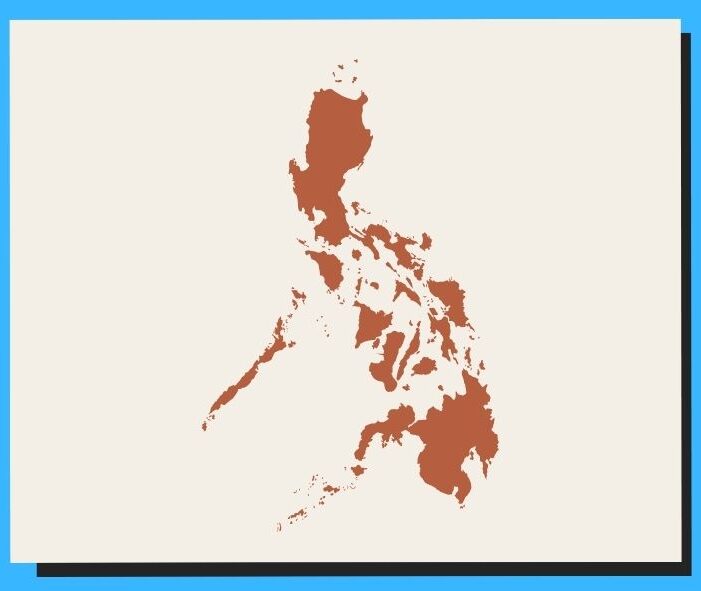
Empowering Citizens: The Rise of Open Governance in the Philippines
Discover how the Philippines is embracing technology and civic participation to revolutionize government transparency.
🇵🇭 How the Philippines is Advancing Open Governance: A How-To Guide for Citizens, Leaders, and Change-Makers 💡
In an era where transparency is power and participation is key, open governance is revolutionizing how governments and citizens work together. The Philippines has stepped up as a shining example of how digital innovation, civic engagement, and policy reforms can foster a more inclusive and accountable government. 💻📣
But how exactly is the Philippines doing it? And how can YOU, whether you’re a student, public official, or NGO worker be part of the movement?
In this guide, we’ll break down the how-to of advancing open governance in the Philippines, unpack the benefits, and give you practical steps for engaging effectively. Let’s dive in! 🏊♂️
🌱 What is Open Governance?
Open governance refers to a system where governments are transparent, participatory, and accountable. It means making data available, encouraging citizen input, and ensuring government decisions reflect public interests.
🔑 Key Pillars of Open Governance
- Transparency – Making data and information public and understandable
- Participation – Encouraging citizen input in decision-making
- Accountability – Ensuring public officials and institutions are answerable
🔧 How the Philippines is Making It Happen (Step-by-Step)
1. Developing a National Open Government Plan 📃
The Philippines, as a founding member of the Open Government Partnership (OGP), crafts a multi-year action plan. This includes commitments like:
- Fighting corruption
- Improving public services
- Enhancing fiscal transparency
🔄 How You Can Contribute: Participate in public consultations for the OGP Action Plan. Visit OGP Philippines to submit your suggestions.
2. Creating Digital Platforms for Transparency 💻
The government has launched several open data platforms, such as:
- Open Data Philippines
- Budget ng Bayan
- PhilGEPS (Procurement Transparency)
📥 How You Can Use Them:
- Track where your taxes go
- Access government spending reports
- Download datasets for research or advocacy
3. Institutionalizing Participatory Budgeting 💸
Participatory budgeting lets citizens directly decide how parts of the public budget are spent seen in LGUs like Naga City and Bohol.
🤝 Get Involved:
- Join barangay budget consultations
- Propose community projects
- Vote on budget allocations
4. Empowering Citizens Through Civic Tech 📲
Civic tech tools like:
- CheckMySchool (for education feedback)
- Bantay Panahon (disaster monitoring)
- Report-a-Red-Tape apps
📡 How to Engage:
- Submit reports on poor service delivery
- Provide school or barangay feedback
- Suggest improvements via mobile apps
5. Enabling Access to Justice and Legal Information ⚖️
Efforts to publish laws, decisions, and case statuses online are making justice more accessible. The Supreme Court and DOJ are enhancing online legal portals.
🧠 What You Can Do:
- Learn your rights via government portals
- Track public case data or FOI requests
- Use online tools to access free legal advice
6. Launching the Freedom of Information (FOI) Program 📬
FOI allows citizens to request data from government agencies. While currently under Executive Order No. 2, the goal is to institutionalize it through law.
📝 Your Step:
Request public documents at foi.gov.ph
7. Engaging Youth and Grassroots Voices 👩🏫
Through programs like Youth Parliament, SK Reform Law, and Open Gov Town Halls, young Filipinos are shaping national policies.
🚀 How Young People Can Contribute:
- Start local advocacy projects
- Join youth policy-making programs
- Collaborate with NGOs for grassroots campaigns
8. Strengthening Local Government Transparency 🏘️
Local governments are adopting dashboards, procurement tracking, and performance scorecards.
📍 What You Can Do Locally:
- Check your LGU’s transparency seal
- Request your barangay’s financial report
- Attend Sangguniang Bayan sessions
9. Making Disaster and Climate Data Accessible ☁️🌊
Projects like Project NOAH and HazardHunterPH provide free access to hazard maps and weather risks.
🌦️ Take Action:
- Use the data to create community preparedness plans
- Advocate for local climate transparency
- Share tools with your neighborhood
10. Building Capacity Through Partnerships 🤝
The Philippines works with NGOs, tech groups, and international organizations to build better tools and public awareness.
📣 Your Role:
Volunteer for open governance campaigns or partner with local NGOs like CODE-NGO or G-Watch.
🌟 Benefits of Advancing Open Governance in the Philippines
- Greater Public Trust 🤝
Transparency builds citizen confidence in government. - Reduced Corruption 💥
Open data allows public scrutiny of funds and transactions. - Smarter Policies 🎯
Citizen input leads to more relevant and effective policies. - Faster Feedback Loops 🔄
Real-time public reporting enables quick government response. - Youth Empowerment 👨🎓
More opportunities for youth participation in policymaking. - Increased Accountability 🧾
Officials are more cautious when actions are visible to the public. - Civic Innovation 🚀
Tech startups and NGOs build new tools for public engagement. - Budget Efficiency 💰
Participatory budgeting ensures funds are allocated where needed. - Disaster Preparedness 🌋
Open climate data improves local risk planning. - Inclusive Decision-Making 🧑🤝🧑
Marginalized groups get a seat at the table, influencing policies that impact them.
📌 Pro Tips: How You Can Support and Promote Open Governance
✅ Join citizen consultations – Participate in town halls or online surveys
✅ Follow government social media pages – Stay informed on new tools
✅ Use data responsibly – Share accurate insights, not just stats
✅ Volunteer in civic tech projects – Code, design, or promote
✅ Promote awareness in schools and barangays – Teach others about open data
✅ Use transparency tools – File FOI requests, access government portals
✅ Report inefficiencies – Use red-tape and feedback apps
✅ Advocate for FOI Law – Push for a stronger, institutionalized FOI
✅ Support organizations advancing transparency – Join groups like Bantay Bayan or G-Watch
✅ Celebrate wins – Share open governance success stories online 🎉
✅ Pros of Open Governance in the Philippines
- Empowered Citizens 🗳️
- Citizens have more say in policies through participatory platforms like the Open Government Partnership (OGP).
- Transparency in Budgeting 💰
- Tools like Budget ng Bayan make national budgets accessible and understandable to the public.
- Digitized Government Services 💻
- Government agencies are shifting to e-governance, reducing red tape and inefficiency.
- Increased Public Trust 🤝
- Transparent practices rebuild faith in public institutions, especially post-pandemic.
- Faster Information Access 🔍
- The Freedom of Information (FOI) portal makes data available with fewer bureaucratic hurdles.
- Enhanced Anti-Corruption Mechanisms 🚨
- Citizens can report anomalies through channels like Citizen Participatory Audit.
- Data-Driven Policies 📊
- Open data helps in crafting evidence-based policies in health, education, and disaster response.
- Boost to Innovation and Startups 🚀
- Developers and innovators use open data for civic tech apps like CheckMySchool and TrackMate.
- Strengthened Civil Society Engagement 🧑🤝🧑
- NGOs and advocacy groups play key roles in monitoring and feedback.
- Global Recognition 🌍
- The Philippines ranks among the top contributors to the OGP, gaining international partnerships and funding.
⚠️ Cons and Challenges
- Digital Divide 📵
- Many rural areas lack internet access, limiting participation.
- Low Awareness Among Citizens 🤷
- Despite efforts, many Filipinos are still unaware of open governance tools.
- Data Privacy Risks 🔐
- Balancing transparency and citizen privacy remains a tightrope walk.
- Resistance from Traditional Bureaucracy 🧱
- Some agencies resist reforms due to fear of exposure or extra work.
- Limited Budget Allocation 💸
- Open governance initiatives often compete for limited government funds.
- Cybersecurity Threats 🛡️
- As platforms go digital, they become targets for cyberattacks.
- Short-Term Political Will 🕒
- Changes in administration can disrupt long-term open governance plans.
- Incomplete Data Sets 🧩
- Not all government units provide consistent or quality data.
- Tokenism in Participation 👥
- Some consultations are held merely for show without real influence.
- Complex Legal Framework ⚖️
- Laws governing transparency are still evolving and often ambiguous.
📚 Case Studies: Real-World Applications
- Budget ng Bayan
- Visualizes the national budget and allows citizen feedback. Used by teachers and parents to advocate for education funds.
- CheckMySchool
- A crowdsourced platform where users verify school facilities and report missing textbooks or infrastructure issues.
- Participatory Budgeting in Naga City
- Citizens are involved in prioritizing local government spending, improving waste management and education.
- eFOI Portal
- Over 500 national agencies onboarded. Journalists use it to uncover irregularities in public spending.
- Citizen Participatory Audit
- In Quezon City, citizens helped audit the use of pandemic relief funds and discovered misallocations.
- Barangay Transparency Boards
- Display income and expenses at the village level. Reduced corruption in barangay projects in Davao.
- Sugbo Konek in Cebu
- A local platform integrating complaint tracking and updates. Enhanced LGU response time by 50%.
- Open Data Philippines Portal
- Offers over 3,000 datasets. Entrepreneurs use this for market research and product development.
- DOST Project NOAH
- Makes disaster risk data publicly available. Used in flood-prone areas to plan evacuations and school closures.
- Public Transport Route Mapping
- Citizens helped map informal jeepney routes, influencing national discussions on mass transport planning.
🧠 Key Takeaways
- Open governance is about people first, not just technology.
- Local governments can be innovation hubs for transparency.
- Public feedback loops must go beyond surveys, action must follow.
- Access to internet and education is key to inclusive participation.
- Government buy-in is crucial for sustainability.
- Open data isn’t useful unless it’s understandable.
- Transparency must balance with ethical data use.
- NGOs and civil society are vital watchdogs and collaborators.
- Success stories often come from collaboration, not competition.
- Open governance is a journey, not a one-time fix.
❓ FAQs About Open Governance in the Philippines
1. What is open governance?
Open governance refers to a model of government that prioritizes transparency, participation, and accountability.
2. When did the Philippines start implementing open governance?
The country became a founding member of the Open Government Partnership in 2011 and has since launched numerous initiatives.
3. Is there a law supporting transparency?
Yes. The Freedom of Information (FOI) Executive Order was signed in 2016, requiring agencies to disclose public records.
4. How can citizens participate?
Through platforms like eFOI, public consultations, community town halls, and participatory budgeting.
5. Are local governments involved?
Absolutely! Cities like Naga, Iloilo, and Cebu have pioneered local-level transparency projects.
6. What is the role of technology?
Tech enables faster data access, digital reporting, and citizen feedback channels.
7. Are there risks in open governance?
Yes, such as data misuse, cyberattacks, and performative transparency (tokenism).
8. What agencies are leading the charge?
The Department of Budget and Management (DBM), Department of Information and Communications Technology (DICT), and Commission on Audit (COA) are major players.
9. Can the private sector contribute?
Yes! Tech firms and civic startups are instrumental in building platforms and analyzing public data.
10. Where can I learn more?
Visit www.opengovph.gov.ph or explore local government websites and transparency boards.
✨ Conclusion
Open governance in the Philippines is still evolving, but the strides made in the past decade are undeniable. 🇵🇭 From local barangays to national agencies, the push toward greater transparency is shaping a more responsive, inclusive, and accountable public sector. Citizens, too, are learning to raise their voices, not just during elections, but every day through data, dialogue, and digital engagement. 📢💡
With the right policies, tech infrastructure, and public commitment, the Philippines is poised to lead not just in Southeast Asia but globally in the pursuit of open government.
Let’s keep the conversation open. Let’s keep the governance open. 🔓🌐
🔗 Link Resources on Open Governance in the Philippines
- Open Government Partnership – Philippines Country Page
Explore the Philippines’ commitments, action plans, and milestones under the Open Government Partnership.
👉 https://www.opengovpartnership.org/members/philippines/ - Open Data Philippines
Government-run platform providing public access to datasets across different sectors.
👉 https://data.gov.ph/ - Commission on Audit (COA) – Citizen Participatory Audit Project
Learn how ordinary citizens are involved in auditing government projects and spending.
👉 https://cpa.coa.gov.ph/
✅ Key Phrases
- Open governance in the Philippines
- Transparency and accountability
- Digital public services
- Civic engagement innovation
- Participatory government
- Open Data Philippines
- Anti-corruption efforts
- Freedom of information
- Government technology reforms
- Empowering Filipino citizens
✅ Best Hashtags
- #OpenGovernancePH
- #TransparencyMatters
- #DigitalGovernance
- #GovTechPH
- #CitizenEngagement
- #GoodGovernance
- #OpenDataPH
- #AccountableGovernment
- #InnovatePH
- #BetterPhilippines

Oliver Bugarin – A blog writer with over a decade of experience in WordPress website creation and management, and creating articles on lifestyle, travel, technology, business, finance, and wellness. He is known for producing clear, engaging articles that resonate with readers and add value to any blog or website.
Contact him for collaborations or content writing opportunities. Facebook – LinkedIn
.
Save/Share this story with QR CODE
Disclaimer
This article is for informational purposes only and does not constitute endorsement of any specific technologies or methodologies and financial advice or endorsement of any specific products or services.
Contact Lead Media News
📩 Feel free to Contact Lead Media News for suggestions, collaborations, reviews, or anything else.





