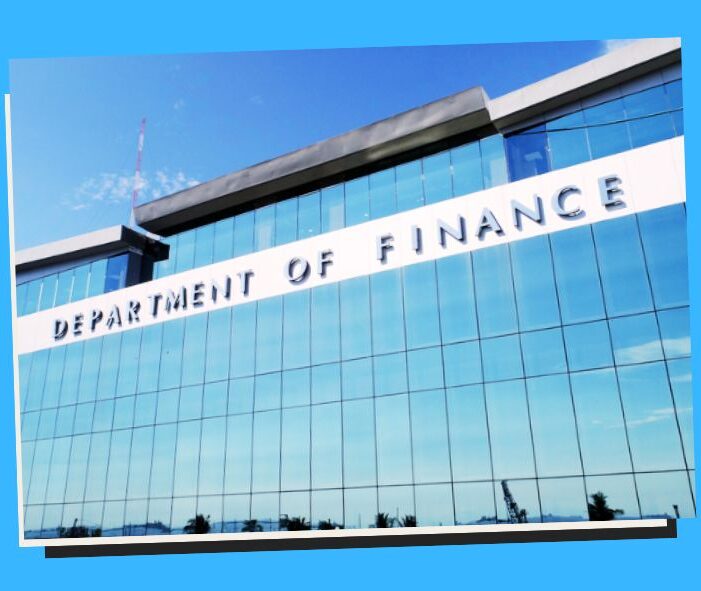
DOF Launches Simplified Tax Breaks to Supercharge Philippine Education
Better schools, better skills, better future—thanks to the DOF’s new tax regulation.
DOF Simplifies Tax Breaks for Education: A Game Changer for Human Capital Development
The Department of Finance (DOF) has taken a bold step toward transforming the Philippine education landscape by simplifying the availment of tax breaks for education and training initiatives. With the release of Revenue Regulations (RR) No. 13-2025, the DOF is making it easier for public and private stakeholders to invest in education, ensuring that more Filipinos have access to quality learning from primary to tertiary levels, including technical and vocational skills.
This landmark regulation, signed by Finance Secretary Ralph Recto and BIR Commissioner Romeo Lumagui Jr., took effect on April 17, 2025, promising to remove bureaucratic roadblocks and foster a more inclusive, workforce-responsive education system.
What Is RR No. 13-2025 All About?
Revenue Regulations No. 13-2025 aims to:
- Simplify procedures for availing of tax incentives related to education.
- Unify guidelines under existing laws (such as the CREATE Law, TESDA Act, and others).
- Encourage investments in education, particularly by private institutions and industry training centers.
- Support the Philippine Development Plan (PDP) 2023–2028 goals.
- Enhance public-private partnerships (PPPs) in the education sector.
By easing compliance and paperwork burdens, the regulation hopes to increase education-focused investments, creating more learning opportunities and strengthening the nation’s human capital development.
Why It Matters: Investing in the Future
In a knowledge-driven global economy, nations rise or fall based on how well they equip their people. Education isn’t just a right—it’s an investment with long-term returns. Tax incentives can encourage the private sector to contribute meaningfully, especially in areas like:
- STEM education
- Skills training and TVET
- Teacher development
- Infrastructure (classrooms, digital facilities)
- Scholarships and training grants
This move aligns with the Marcos administration’s push to build a resilient and inclusive economy, starting with quality education.
Actionable Tips for Education Institutions and Investors
- Review RR No. 13-2025 in Detail
Ensure your finance and legal teams understand the provisions to avoid missed opportunities. - Streamline Your Own Processes
Align your organization’s internal systems with the simplified DOF procedures for faster compliance. - Partner with Accredited TVET Providers
Collaborate with institutions recognized by TESDA or CHED for co-branded programs. - Track Eligible Expenses
Maintain accurate records of education-related expenditures eligible for tax incentives. - Leverage PPP Models
Form strategic partnerships with LGUs, NGOs, and tech providers to maximize the benefits. - Invest in Digital Infrastructure
Expand e-learning, LMS, and virtual classrooms to qualify for tech-focused tax breaks. - Promote Scholarship Programs
Donations and grants for education may be tax-deductible—promote them actively. - Integrate CSR with Education
Corporate Social Responsibility (CSR) programs focusing on education can now be tax-efficient. - Consult BIR-accredited Tax Experts
Get help to interpret how your organization can apply the new rules to your advantage. - Share Your Success Stories
Inspire other organizations to follow suit by publishing outcomes from your tax-aided education programs.
Key Insights from the Regulation
- Procedural Simplification: Less paperwork and faster processing times make participation more attractive.
- Consolidation of Guidelines: Reduces confusion from scattered regulations across different laws.
- Wider Scope of Benefits: Covers primary to tertiary education, and even TVET and lifelong learning.
- Support for Human Capital Development: A national strategy to build a more competitive workforce.
- Increased PPP Engagement: Encourages collaboration between the government and private institutions.
- Education as a Strategic Investment: Recognized as a cornerstone of national economic development.
- Promotes Equity: Tax incentives make it easier to provide access to education for underserved sectors.
- Aligned with PDP 2023–2028: Reflects long-term national development goals.
- Private Sector Empowerment: Provides tools and incentives for businesses to contribute to education.
- Boost to Inclusive Growth: Education investments support poverty alleviation and job creation.
Frequently Asked Questions (FAQ)
1. Who can avail of the tax incentives under RR No. 13-2025?
Private schools, NGOs, foundations, companies with CSR education projects, and public-private partnerships.
2. What kinds of education programs are covered?
Programs from primary to tertiary, technical-vocational training, and skills development initiatives.
3. Are donations to schools covered?
Yes. Donations to accredited institutions or scholarship funds may qualify for tax deductions.
4. How do we apply for the incentives?
Through simplified procedures outlined in the BIR’s revised forms and guidelines under the new RR.
5. When did the regulation take effect?
April 17, 2025, fifteen days after publication on the BIR website.
6. Does this regulation replace older ones?
It consolidates and updates older, scattered regulations to reduce redundancy and confusion.
7. Is there a cap on how much can be claimed?
Limits depend on the type of expense or donation—refer to specific clauses in the RR.
8. Can startups or edtech firms benefit from this?
Yes, especially those involved in training or educational technology initiatives.
9. What’s the link to the PDP 2023–2028?
The PDP emphasizes human capital development, inclusive education, and private sector engagement.
10. Where can we find the full regulation?
On the BIR official website.
Conclusion: A Bold Step Toward Education for All
The DOF’s move to simplify tax incentives under RR No. 13-2025 is more than an administrative change—it’s a national investment strategy. With better access to tax breaks, more schools, companies, and nonprofits will be encouraged to invest in education, transforming lives and creating a more inclusive and empowered Philippines.
This regulation makes it easier to do the right thing—and in this case, the right thing is to uplift the Filipino people through education. As we move toward a digital-first, innovation-driven economy, human capital will be our greatest resource, and this is the spark that ignites that potential.
Link Resources
- Department of Finance – Official Website
- BIR Revenue Regulations Archive
- Philippine Development Plan 2023–2028
- TESDA Programs and Services
- CHED Official Website
Key Phrases
- DOF tax incentives for education
- RR No. 13-2025 simplified
- tax breaks for schools Philippines
- education investment Philippines 2025
- skills training tax benefits
- BIR education-related deductions
- PPP in Philippine education
- Marcos PDP 2023–2028 education
- DOF education initiative
- finance reform for learning
Best Hashtags
#EducationPH
#InvestInLearning
#TaxBreaksPH
#HumanCapitalDev
#EdReform2025
#DOFUpdates
#PDP2028
#InclusiveEducation
#BIRUpdates
#TrainingForAll

Oliver Bugarin – A blog writer with over a decade of experience in WordPress website creation and management, and creating articles on lifestyle, travel, technology, business, finance, and wellness. He is known for producing clear, engaging articles that resonate with readers and add value to any blog or website.
Contact him for collaborations or content writing opportunities. Facebook – LinkedIn
.
Save/Share this story with QR CODE
Disclaimer
This article is for informational purposes only and does not constitute endorsement of any specific technologies or methodologies and financial advice or endorsement of any specific products or services.
Contact Lead Media News
📩 Feel free to Contact Lead Media News for suggestions, collaborations, reviews, or anything else.





