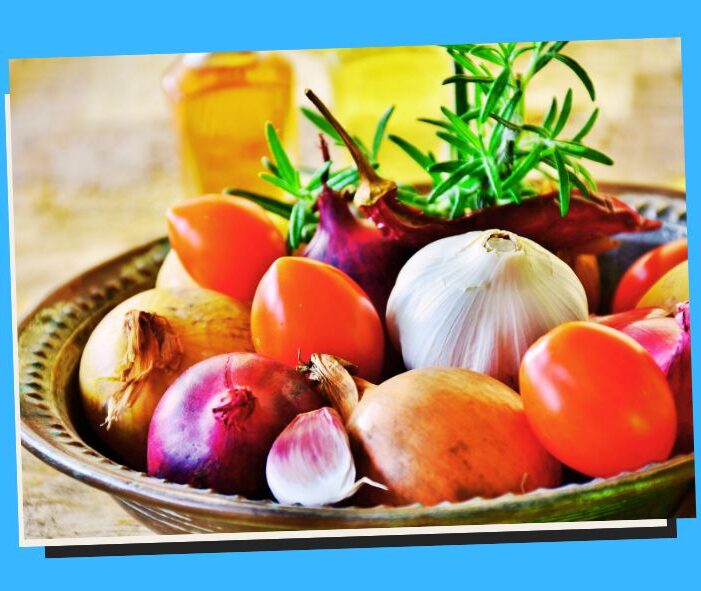
Discover the Power of Indigenous Ingredients in Filipino Cuisine
Filipino food is more than just delicious – it celebrates local, indigenous ingredients that have nourished generations. Discover the unique benefits these ingredients offer to your meals.
Indigenous Ingredients in Filipino Cuisine: A Celebration of Tradition, Taste, and Sustainability
Filipino cuisine is a vibrant fusion of indigenous and colonial influences, drawing inspiration from Southeast Asia, Spain, and beyond. However, at its core, it is the indigenous ingredients, deeply rooted in the history and culture of the Philippines, that truly define the flavors of Filipino dishes. In this blog, we explore how indigenous ingredients have shaped Filipino cuisine, their incredible benefits, and how they continue to play a pivotal role in modern cooking. 🌱🍽️
The Heart of Filipino Flavors
At the heart of Filipino food are a variety of indigenous ingredients that have been used for centuries. These ingredients not only add unique flavors and textures but also reflect the country’s diverse geography and culture. From the coastal regions to the mountains, the Philippines is blessed with abundant locally grown crops, herbs, and spices that provide sustenance and tradition.
Benefits of Indigenous Ingredients in Filipino Cuisine
- Nutrient-Rich: Many indigenous Filipino ingredients contain vitamins, minerals, and antioxidants, promoting better health.
- Cultural Heritage: Using indigenous ingredients preserves traditional cooking methods and honors the Philippines’ culinary history.
- Sustainability: Local ingredients reduce the carbon footprint associated with transporting food over long distances.
- Natural Flavors: Ingredients such as siling labuyo (bird’s eye chili) and bagoong (fermented shrimp paste) offer intense and distinct flavors that elevate any dish.
- Biodiversity: The use of diverse indigenous plants and animals supports biodiversity by promoting the cultivation of local species.
- Economic Support for Local Farmers: Buying locally grown ingredients supports the livelihood of Filipino farmers and communities.
- Health Benefits: Many indigenous ingredients, like malunggay (moringa), are known for their medicinal properties, such as boosting immunity and improving digestion.
- Culinary Creativity: These ingredients encourage chefs and home cooks to innovate while staying true to Filipino culinary traditions.
- Connection to Land and Culture: Indigenous ingredients connect people to their roots, fostering a sense of pride in Filipino culture and cuisine.
- Minimal Processing: Many indigenous ingredients are minimally processed, preserving their natural taste and health benefits.
The Top Indigenous Ingredients Shaping Filipino Cuisine
Here are some indigenous ingredients that you’ll find in many Filipino kitchens:
- Siling Labuyo: A small but fiery chili that adds spice to almost every dish, from sinigang to adobo.
- Bagoong: A fermented shrimp paste that adds depth of flavor to dishes like binagoongan and kare-kare.
- Tamarind: Used in sinigang and other sour dishes, tamarind provides the tangy base for many Filipino soups.
- Malunggay (Moringa): Known for its health benefits, malunggay is commonly added to soups and stews.
- Calamansi: This tiny citrus fruit adds zest to Filipino marinades, dressings, and drinks.
- Kalamay: A sweet treat made from glutinous rice and coconut, a staple in Filipino desserts.
- Ube: This purple yam is used in everything from ice cream to halaya and brings a unique color and flavor to Filipino sweets.
- Sago: Often used in Filipino desserts and drinks, sago pearls are a starchy ingredient that adds texture to dishes like sago’t gulaman.
- Coconut: From the meat to the milk, coconut is central to Filipino cooking, providing flavor and richness to countless dishes.
- Rice: While not always considered “indigenous” in the strictest sense, rice is native to Southeast Asia and forms the staple of Filipino meals.
Tips for Cooking with Indigenous Ingredients
If you want to incorporate more indigenous ingredients into your cooking, here are some tips to help you get started:
- Start Small: If you’re new to indigenous ingredients, add a small amount of siling labuyo or bagoong to your dishes for added flavor.
- Use Fresh Ingredients: Fresh kalamansi or malunggay can make a huge difference in the taste and nutrition of your dishes.
- Mix and Match: Combine different indigenous ingredients like sago, coconut milk, and tamarind to create layered, complex flavors.
- Preserve the Natural Flavors: Many indigenous ingredients don’t need heavy seasoning. Let their natural flavors shine through.
- Experiment with Sweets: Indigenous ingredients like ube and kalamay are great for creating Filipino-inspired desserts.
- Utilize the Whole Plant: When using ingredients like coconut, make sure to use both the meat and the milk for a full flavor profile.
- Sustainability First: Always try to source your indigenous ingredients from local, sustainable farmers.
- Pair with Protein: Many indigenous ingredients, like bagoong and siling labuyo, pair wonderfully with meat or seafood.
- Go Beyond the Basics: Experiment with regional ingredients and try dishes from different parts of the Philippines to get a taste of the diversity.
- Share the Knowledge: To keep the culinary heritage alive, teach others about the versatility and significance of these indigenous ingredients.
Insights into the Modern Use of Indigenous Ingredients
As Filipino cuisine evolves, these indigenous ingredients remain central to creating authentic dishes celebrating the country’s rich heritage. Here are some key insights into how they are being used in contemporary cooking:
- Modern Fusion: Indigenous ingredients are increasingly being used in fusion dishes, marrying traditional flavors with international cooking styles.
- Health Trends: Ingredients like malunggay and siling labuyo are gaining attention for their health benefits, making them popular in health-conscious cooking.
- Eco-Friendly Cooking: Many consumers prioritize sustainability, and indigenous ingredients are a great way to support local agriculture and reduce food miles.
- Rebirth of Filipino Street Food: Street foods like isaw and kwek-kwek often incorporate indigenous ingredients, and these foods are being reimagined in upscale restaurants.
- Cultural Revival: There’s a growing interest in preserving traditional Filipino recipes that feature indigenous ingredients, ensuring that they remain part of the national identity.
- Organic and Natural: The trend toward organic and minimally processed foods aligns perfectly with using fresh and unadulterated indigenous ingredients.
- Local Sourcing: There is an increasing push for sourcing ingredients locally, ensuring that indigenous crops are grown and harvested in ways that support environmental health.
- Gastronomy and Storytelling: Chefs and food writers are incorporating the story of each indigenous ingredient into their dishes, offering diners a deeper connection to the flavors they’re experiencing.
- Farm-to-Table Movement: With the rise of farm-to-table restaurants, indigenous ingredients are being celebrated for their purity and taste.
- Sustainability in Cooking: Emphasizing the use of indigenous ingredients allows cooks to embrace a sustainable and responsible approach to food preparation.
Case Studies of Indigenous Ingredients in Filipino Cuisine
- Adobong Manok with Siling Labuyo: A classic Filipino chicken adobo dish, elevated with the fiery heat of siling labuyo for an unforgettable kick.
- Sinigang na Baboy with Tamarind: The traditional Filipino pork sour soup, where tamarind provides the signature sour taste that defines the dish.
- Bagoong Rice: A delicious combination of sautéed rice, shrimp paste, and vegetables, showcasing the bold flavor of bagoong.
- Kare-Kare with Bagoong: The rich peanut stew is served with fermented shrimp paste to balance the dish’s flavors.
- Pinakbet with Malunggay: A vegetable medley commonly cooked with malunggay leaves for an extra nutritional boost.
- Puto made with Ube: Traditional rice cakes infused with the vibrant flavor of purple yam.
- Taho with Sago: A classic Filipino breakfast dessert made from silken tofu, syrup, and sago pearls.
- Coconut-based Laing: A dish made from taro leaves simmered in coconut milk, demonstrating the versatility of coconut.
- Adobong Baboy with Calamansi: A version of adobo where calamansi is added to the marinade for a tangy citrus twist.
- Suman with Kalamay: A sticky rice dessert wrapped in banana leaves and served with a sweet coconut paste.
Frequently Asked Questions
- What are the most common indigenous ingredients in Filipino cuisine?
Siling labuyo, bagoong, tamarind, malunggay, kalamansi, coconut, and rice are among the most widely used indigenous ingredients in Filipino cooking. - Are indigenous ingredients good for health?
Yes, many indigenous ingredients like malunggay and tamarind offer numerous health benefits, including improved digestion and boosted immunity. - How do indigenous ingredients affect the taste of Filipino dishes?
Indigenous ingredients add depth, complexity, and authenticity to Filipino dishes, contributing unique flavors that are hard to replicate with imported ingredients. - Can I find indigenous Filipino ingredients outside of the Philippines?
Many of these ingredients are available in Filipino or Asian supermarkets worldwide, especially in communities with large Filipino populations. - Why is bagoong important in Filipino cuisine?
Bagoong is a fermented shrimp paste that provides a salty, umami flavor essential to many traditional Filipino dishes like kare-kare and binagoongan. - What is sinigang, and why is it a staple in Filipino cooking?
Sinigang is a sour soup, traditionally made with tamarind, and is beloved for its ability to comfort and refresh. - Can I use siling labuyo in cooking if I don’t like spicy food?
You can use it sparingly or opt for milder varieties of chili to still add a hint of spice without overwhelming your taste buds. - How can I cook with ube outside of desserts?
While commonly used in sweets, ube can be added to savory dishes for a unique flavor twist. - What makes kalamansi different from other citrus fruits?
Kalamansi has a distinct flavor, slightly sweeter and more fragrant than lemon or lime, and is often used in Filipino marinades and dipping sauces. - How do indigenous ingredients support Filipino agriculture?
By using indigenous ingredients, we support local farmers and help preserve biodiversity by ensuring the continued cultivation of native crops.
Conclusion: A Taste of Tradition
Incorporating indigenous ingredients into your kitchen isn’t just about elevating your dishes—it’s about honoring Filipino history and supporting local communities. These ingredients embody the rich, diverse culture of the Philippines and offer an incredible variety of flavors that cannot be replicated by mass-produced, imported goods. Whether you’re cooking traditional recipes or experimenting with new flavors, using indigenous ingredients connects you to the land, the people, and the heritage of the Philippines. Let these ingredients inspire your cooking and deepen your appreciation for Filipino cuisine.
Link Resources
- Visit Filipino Culinary Heritage
- Sustainability in Filipino Cuisine
- The Power of Malunggay
- Understanding Bagoong
- Filipino Street Food Culture
Key Phrases
- Indigenous ingredients in Filipino cuisine
- Traditional Filipino flavors
- Health benefits of Filipino food
- Sustainable Filipino ingredients
- Filipino food culture and heritage
- Local Filipino crops and spices
- Authentic Filipino cooking methods
- Boosting immunity with Filipino ingredients
- Filipino food sustainability
- Exploring Filipino street food
Best Hashtags
- #FilipinoCuisine
- #IndigenousIngredients
- #SustainableCooking
- #PinoyFood
- #LocalProduce
- #TraditionalFlavors
- #FilipinoFoodCulture
- #HealthyFilipinoFood
- #CulturalCuisine
- #FoodFromThePhilippines

Oliver Bugarin – A blog writer with over a decade of experience in WordPress website creation and management, and creating articles on lifestyle, travel, technology, business, finance, and wellness. He is known for producing clear, engaging articles that resonate with readers and add value to any blog or website.
Contact him for collaborations or content writing opportunities. Facebook – LinkedIn
.
Save/Share this story with QR CODE
Disclaimer
This article is for informational purposes only and does not constitute endorsement of any specific technologies or methodologies and financial advice or endorsement of any specific products or services.
Contact Lead Media News
📩 Feel free to Contact Lead Media News for suggestions, collaborations, reviews, or anything else.





