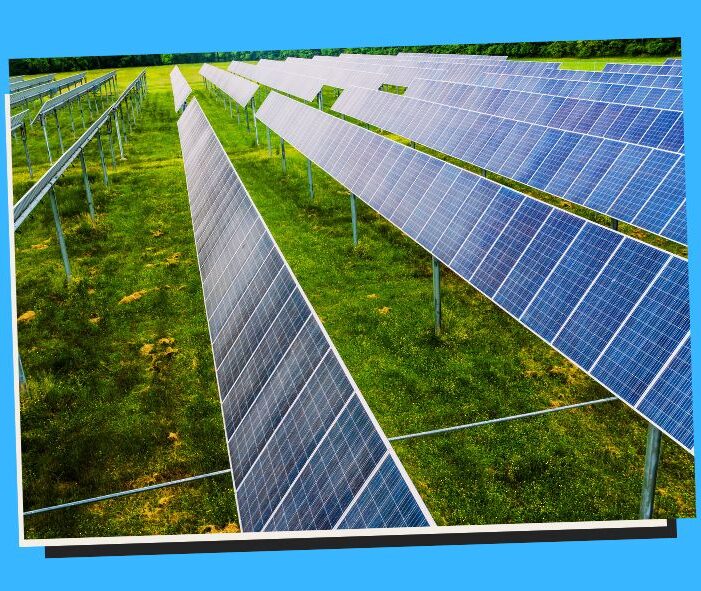
Clean Energy Revolution: DOE Forecasts 56.9% RE Mix by 2040
DOE reveals a roadmap to a cleaner, greener, and more energy-secure Philippines.
DOE Optimistic to Meet 50% Clean Energy Share by 2040: A Greener Future for the Philippines
The Philippines is at a turning point in its energy evolution. With the global shift towards sustainability and carbon neutrality, the Department of Energy (DOE) is setting ambitious targets, a 35% renewable energy (RE) share in the power mix by 2030 and 50% by 2040. Recent projections from the DOE indicate that not only is this target achievable, but the country may even surpass it, hitting an impressive 56.9% renewable energy share by 2040.
This article explores the details behind this goal, what it means for Filipinos, and how we can all contribute to this energy transition.
A Clear Vision: The Numbers Behind the DOE’s Goal
During the Power 101 media seminar organized by Aboitiz Power Corporation and the DOE, Mark Christian Marollano of the Electric Power Industry Management Bureau reported optimistic figures:
- Generation capacity by 2040 is expected to hit 279.19 terawatt-hours (TWh), up 150% from 2022’s 111.52 TWh.
- By mid-2028, the DOE will have already received 14,624.84 MW of committed power projects, 11,063.56 MW of which are RE-based.
- In 2025 alone, 4,339.76 MW of the 6,180.50 MW committed capacity will come from renewable sources.
- 480 MW of battery energy storage systems have also been committed, enhancing reliability and efficiency.
This isn’t just about hitting numbers. It’s about energy security, climate resilience, and creating a better, cleaner environment for generations to come.
Tips to Support the Philippines’ Clean Energy Future
- Switch to solar panels – Rooftop solar is more affordable than ever and reduces dependency on fossil fuels.
- Use energy-efficient appliances – Look for the Energy Efficiency Label when buying home electronics.
- Support clean energy initiatives – Participate in community solar or support local wind and hydro projects.
- Reduce consumption – Simple habits like unplugging idle devices can cut your energy use significantly.
- Push for policy awareness – Encourage your barangay to adopt renewable-friendly ordinances.
- Explore net metering – Sell your excess solar energy back to the grid and reduce your bills.
- Use electric transport – Consider shifting to e-bikes, e-scooters, or EVs.
- Promote green building design – Advocate for eco-friendly architecture in local developments.
- Invest in green companies – Put your money where your values are by supporting RE-based firms.
- Educate others – Awareness creates momentum; share what you know about clean energy.
Key Insights About the DOE’s Clean Energy Push
- Ambitious but realistic – The 50% RE target by 2040 aligns with global climate goals.
- Private sector engagement is high – Thousands of MWs have been committed through private-public collaboration.
- Battery storage is a game changer – It solves the intermittency problem of solar and wind.
- Green Energy Auction Program (GEAP) is key – It ensures projects are selected competitively and transparently.
- DOE oversight ensures accountability – Projects are closely monitored to avoid delays.
- Job creation potential is immense – Renewable energy industries open doors for local employment.
- Energy security improves – Local RE reduces dependence on imported fossil fuels.
- Environmental impact is reduced – Less pollution, less carbon, healthier communities.
- Local governments play a role – Decentralized efforts matter in implementing sustainable practices.
- Technology adoption is rising – Smart grids, AI-based monitoring, and digital tools enhance efficiency.
Frequently Asked Questions (FAQ)
1. What is the current RE share in the Philippines’ energy mix?
As of 2022, RE accounted for around 22-24% of the total energy mix.
2. What sources are considered renewable in the Philippines?
Solar, wind, hydro, biomass, and geothermal.
3. Is 50% RE by 2040 realistic?
Yes. Based on DOE simulations, we may even exceed it, reaching 56.9%.
4. What is the Green Energy Auction Program (GEAP)?
A DOE-led initiative to accelerate RE deployment through competitive bidding.
5. How does battery energy storage help?
It stores excess power during low demand and supplies it during peak periods, stabilizing the grid.
6. Can households benefit directly?
Yes, through solar rooftop programs and net metering policies.
7. Are there incentives for clean energy use?
Yes. Tax incentives, financing programs, and subsidies are available.
8. Will electricity costs go down?
In the long term, yes. RE sources have lower operational costs compared to fossil fuels.
9. What challenges does the DOE face?
Project delays, regulatory bottlenecks, and infrastructure limitations.
10. How can individuals support this goal?
By adopting energy-saving habits, using RE where possible, and promoting clean energy policies.
Conclusion
The DOE’s optimism about reaching a 50% clean energy share by 2040 isn’t just wishful thinking, it’s backed by numbers, technology, and a clear vision. With over 14,000 MW of committed projects and a growing appetite for clean power, the Philippines is well on its way to a sustainable energy future.
But this isn’t just the government’s job. Every Filipino has a role to play, from switching to solar, to spreading awareness, to pushing for greener policies. As we face the realities of climate change, now is the time to act.
The journey to a cleaner Philippines is underway. Are you part of it?
Resource Links for Further Reading
- DOE Philippines – Renewable Energy Roadmap
- Green Energy Auction Program
- National Renewable Energy Board (NREB)
- AboitizPower – Sustainability Initiatives
- Philippine Energy Plan 2020-2050
Key Phrases
- Renewable energy transition
- DOE 2040 clean energy target
- Green Energy Auction Program
- Battery energy storage systems
- Energy mix of the Philippines
- Committed RE projects in PH
- Future of Philippine electricity
- Marcos administration energy goals
- Sustainable energy in Southeast Asia
- Clean energy roadmap for the Philippines
Best Hashtags
- #RenewableEnergyPH
- #CleanEnergy
- #GreenPhilippines
- #DOEPhilippines
- #EnergyRevolution
- #SolarPowerPH
- #WindEnergy
- #SustainablePH
- #ClimateActionPH
- #EnergySecurity

Oliver Bugarin – A blog writer with over a decade of experience in WordPress website creation and management, and creating articles on lifestyle, travel, technology, business, finance, and wellness. He is known for producing clear, engaging articles that resonate with readers and add value to any blog or website.
Contact him for collaborations or content writing opportunities. Facebook – LinkedIn
.
Save/Share this story with QR CODE
Disclaimer
This article is for informational purposes only and does not constitute endorsement of any specific technologies or methodologies and financial advice or endorsement of any specific products or services.
Contact Lead Media News
📩 Feel free to Contact Lead Media News for suggestions, collaborations, reviews, or anything else.





