Building Resilient Education Systems in the Philippines
Learn how education in emergencies is crucial for children’s protection and future during crises in the Philippines.
Education in Emergencies Matters for the Philippines: A Vital Lifeline for Children in Crisis
From April 28 to May 5, 2025, the Philippines joins the global community in observing the Global Action Week for Education (GAWE) 2025. With the theme “Education Saves Lives: Protect Education in Emergencies,” this year’s celebration highlights the urgent need to ensure access to education even in times of crisis. The reality of the Philippines’ vulnerability to natural disasters and crises demands that we prioritize education, not just as a right but as a lifeline for children who face disruption to their learning, health, and well-being.
The Role of Education in Emergencies
Education in Emergencies (EiE), as defined by the Inter-Agency Network for Education in Emergencies (INEE, 2018), refers to providing quality learning opportunities for individuals of all ages during crises. Whether in the form of early childhood care and development, primary and secondary education, or adult learning, EiE is an essential part of recovery efforts. In times of crisis—whether armed conflict, forced displacement, natural disasters, or public health emergencies—education offers more than just cognitive development. It provides psychosocial support, emotional stability, and protection, which are all vital for children’s resilience.
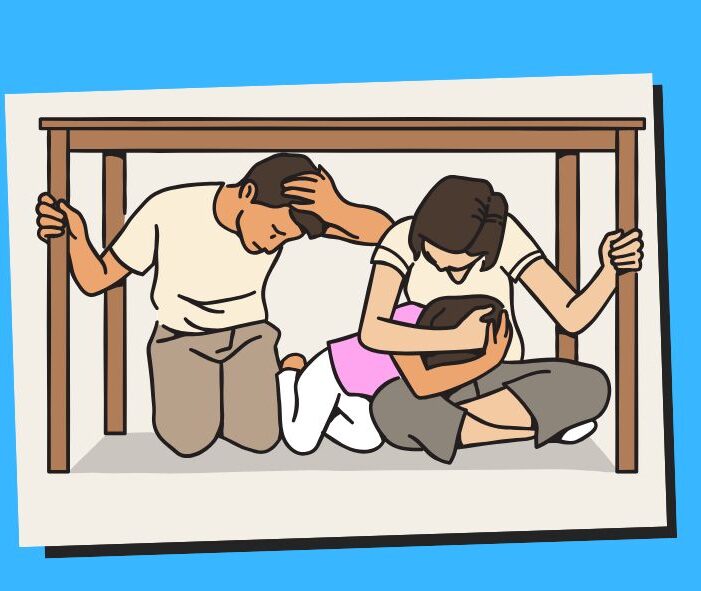
For the Philippines, a nation regularly ravaged by natural disasters, education in emergencies takes on an even more profound significance. With its geographical position along the Pacific Ring of Fire and typhoon belt, the country faces multiple hazards each year, from typhoons, volcanic eruptions, and earthquakes, to more recent challenges like extreme heatwaves and floods. These disasters often lead to school closures, displacement, and loss of learning, threatening the future of Filipino children.
A History of Disruption
One of the most tragic examples of how natural disasters affect education in the Philippines is Super Typhoon Yolanda (Haiyan), which struck the Visayas region on November 8, 2013. This devastating disaster, the strongest tropical cyclone ever recorded at landfall, claimed over 6,000 lives, displaced millions, and destroyed thousands of schools. In the aftermath, children were left without classrooms, textbooks, or any access to education for extended periods.
According to the World Bank, between 2021 and 2023, around 4,000 schools were damaged due to various disasters, affecting two million children. The Philippines ranks as one of the most disaster-prone countries globally, with over 78 percent of public schools and 96 percent of students facing multiple hazards. In 2024 alone, a school in the Cordillera Administrative Region (CAR) lost 48 percent of its school days due to weather-related disruptions. These statistics emphasize the growing need for the Philippine education system to be more resilient, to withstand emergencies, and to protect education during crises.
The Philippines’ Response
The Second Congressional Commission on Education (EDCOM 2) has highlighted the recurring issue of typhoons and other natural disasters disrupting education in the Philippines. These disruptions are not just about losing school days but also affect the mental health of students, teachers, and families. The COVID-19 pandemic and the ongoing natural disasters have created additional challenges, particularly as students face the stress of adjusting to distance learning and coping with technological limitations.
The Department of Education’s Disaster Risk Reduction and Management Service (DepEd-DRRMS) plays a pivotal role in responding to emergencies. The service has been instrumental in preparing and sustaining education during crises. It leads the charge in pre-positioning emergency education supplies, conducting rapid damage assessments, and facilitating the setup of temporary learning spaces when schools are damaged or converted into evacuation centers. Importantly, DepEd-DRRMS integrates disaster preparedness and climate resilience into the curriculum, helping foster a culture of safety and adaptability among learners.
Through alternative learning modalities such as modular and blended learning, DepEd ensures that education continues, even when physical classrooms are unavailable. They also provide psychosocial support to help students, teachers, and staff cope with the trauma of disasters. In all of these efforts, education becomes more than just a subject—it becomes a safe space for students to heal, learn, and grow.
The Importance of Civil Society Organizations
The role of civil society organizations (CSOs) in supporting Education in Emergencies cannot be overstated. Groups like E-Net Philippines work tirelessly to promote resilient, inclusive, and rights-based education systems. These organizations partner with government agencies, local communities, and international stakeholders to address the needs of students during crises. Initiatives include distributing emergency education kits, creating temporary learning spaces, and training teachers to handle crises effectively.
A shining example of this grassroots-level response is Kalambag, a youth-led program that emerged during the pandemic. This initiative, in collaboration with Education Out Loud (EOL), provides a platform for Filipino children and youth to express their voices during difficult times. Kalambag encourages young people to participate in shaping education policies and ensures their needs are heard in decision-making processes. Through dialogues, school-based engagements, and community-led activities, Kalambag empowers the youth to push for educational reforms that better respond to emergencies and build a more resilient education system.
Moving Towards a Resilient Education System
Education in emergencies is not just about responding to crises as they happen—it’s also about building a future where disasters do not disrupt education. A resilient education system can withstand shocks and continue to operate even in the face of adversity. This requires investment in infrastructure that is built to last, support for educators through training and resources, and ensuring that every student has access to the materials and services they need to learn.
As the Philippines grapples with ongoing challenges—from climate change to public health crises—the need to prioritize education in emergency preparedness and response plans becomes clearer. We must ensure that education is not the first casualty in times of crisis but remains a cornerstone of recovery and resilience.
Benefits of Education in Emergencies for the Philippines
- Protection and Stability: Provides a sense of normalcy and emotional stability for children during crises.
- Psychosocial Support: Helps children process trauma and build resilience.
- Continued Learning: Ensures that learning does not stop during emergencies.
- Long-Term Development: Prevents disruptions in academic progress that can affect long-term development.
- Community Empowerment: Engages communities in the recovery and rebuilding process.
- Disaster Preparedness: Fosters a culture of preparedness among students and teachers.
- Strengthens Social Cohesion: Promotes unity and collaboration in times of crisis.
- Reduces Dropout Rates: Keeps students engaged and reduces the dropout risk.
- Builds Resilient Future Generations: Prepares future leaders who can handle and overcome challenges.
- Restores Hope: Gives children and their families a reason to believe in the future.
Tips for Ensuring Education Continues During Emergencies
- Strengthen Disaster Risk Reduction in Schools.
- Implement Alternative Learning Modalities.
- Build Resilient Education Infrastructure.
- Train Teachers in Crisis Management.
- Establish Temporary Learning Spaces.
- Distribute Emergency Education Kits.
- Incorporate Psychosocial Support in the Curriculum.
- Enhance Community Involvement in Educational Recovery.
- Foster Partnerships with Civil Society Organizations.
- Promote Digital Literacy for Distance Learning.
Insights into the Future of Education in Emergencies
- Technology will play a critical role in ensuring continuous learning during emergencies.
- Youth-led initiatives like Kalambag will drive the conversation about resilient education systems.
- Schools must evolve into safe spaces that provide both education and psychosocial care.
- Governments must prioritize investment in disaster-resistant infrastructure.
- Multi-stakeholder collaboration will be essential for an effective response to education crises.
- Early intervention is crucial in preventing long-term educational setbacks during emergencies.
- Education policies must adapt to incorporate disaster preparedness and response.
- Post-disaster recovery programs should include specific measures for education continuity.
- Education in emergencies must be inclusive, addressing the needs of all learners, including those with disabilities.
- Long-term climate resilience strategies must consider the impact on education systems.
Frequently Asked Questions (FAQ)
- What is Education in Emergencies?
EiE refers to the provision of quality education during crises, including disasters, conflicts, and health emergencies. - Why is Education in Emergencies important?
It offers stability, protection, and hope during times of crisis, ensuring that learning continues despite disruptions. - How does Education in Emergencies help children?
It provides psychological support, maintains educational progress, and helps children recover from trauma. - What are the major challenges in providing Education in Emergencies in the Philippines?
Natural disasters, conflict, and inadequate infrastructure are significant barriers to delivering education during emergencies. - How can schools remain operational during a disaster?
Implement disaster-resilient infrastructure, provide alternative learning methods, and establish temporary learning spaces. - What role do civil society organizations play in Education in Emergencies?
CSOs work with governments to provide resources, training, and support to continue education during crises. - What is Kalambag?
Kalambag is a youth-led initiative that gives children and youth a platform to voice their concerns about education during emergencies. - How can the community support Education in Emergencies?
By actively participating in recovery efforts, providing resources, and supporting local schools. - What steps should the Philippine government take to ensure education continuity?
Strengthening disaster risk reduction measures, investing in resilient infrastructure, and improving crisis response strategies. - Can technology help in Education in Emergencies?
Yes, digital platforms and tools can facilitate distance learning, enabling students to continue their education even when schools are closed.
Conclusion: Education is Key to Resilience
The theme of GAWE 2025, “Education Saves Lives: Protect Education in Emergencies,” is a powerful reminder that education is not just a privilege but a fundamental right, especially in times of crisis. We provide children with the tools they need to build a better future by ensuring that education continues even during the most challenging times. For the Philippines, investing in resilient education systems is not just about overcoming today’s challenges; it is about safeguarding the future of our children, communities, and nation.
Link Resources
Key Phrases
education in emergencies, resilient education systems, education continuity, emergency response, Philippines education, disaster risk reduction, alternative learning modalities, psychosocial support, youth-led initiatives, disaster-resilient infrastructure
Best Hashtags
#EducationInEmergencies #GAWE2025 #PhilippineEducation #DisasterResilience #YouthVoices #EmergencyEducation #ResilientSchools #EducationForAll #CrisisResponse #EducationSavesLives

Oliver Bugarin – A blog writer with over a decade of experience in WordPress website creation and management, and creating articles on lifestyle, travel, technology, business, finance, and wellness. He is known for producing clear, engaging articles that resonate with readers and add value to any blog or website.
Contact him for collaborations or content writing opportunities. Facebook – LinkedIn
.
Save/Share this story with QR CODE
Disclaimer
This article is for informational purposes only and does not constitute endorsement of any specific technologies or methodologies and financial advice or endorsement of any specific products or services.
Contact Lead Media News
📩 Feel free to Contact Lead Media News for suggestions, collaborations, reviews, or anything else.





