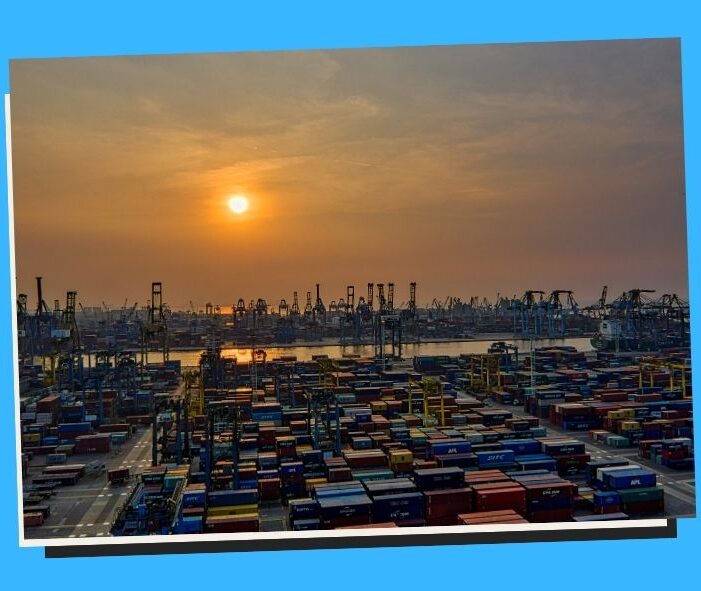
British Funding for PH Infrastructure: Game-Changer or Missed Opportunity?
Learn how the UKEF-backed infrastructure deal could support the Philippines’ “Build Better More” program.
PH-UK Close to Sealing £5-Billion Infrastructure Deal: A Game-Changer for Philippine Development
The Philippines and the United Kingdom are on the brink of signing a landmark government-to-government (G2G) agreement that could reshape the nation’s infrastructure landscape. With £5 billion in funding from the UK Export Finance (UKEF), this partnership signals a new era of strategic collaboration and economic opportunity.
British Ambassador to the Philippines Laure Beaufils revealed that a memorandum of understanding (MOU) is being finalized to unlock this substantial financing facility. Once completed, it will allow the Philippines to access a flexible, diversified funding package to support its flagship infrastructure projects, including railways, ports, roads, and bridges.
This article unpacks the potential impact of the deal, explores the benefits of G2G financing, and provides practical insights for stakeholders, industry leaders, and the public alike.
Understanding the PH-UK G2G Infrastructure Deal
The UK Export Finance (UKEF) funding facility is designed to promote British exports by financing international projects that include UK content. In this case, only 20% of the total project value must originate from the UK, yet the Philippines can enjoy up to 100% financing for qualifying projects.
This financing could come in different forms:
- Direct loans
- Export credit guarantees
- Bank loan support
- Supplier credit arrangements
The end goal is twofold: boost UK-Philippines trade and accelerate Philippine infrastructure development.
Strategic Importance for the Philippines
President Ferdinand Marcos Jr.’s administration is pushing forward its “Build Better More” program, an evolution of the “Build, Build, Build” initiative, emphasizing resilient and sustainable infrastructure. Access to UKEF’s £5-billion facility provides much-needed capital to fast-track strategic transport and connectivity projects.
In addition to national development, this move is also expected to stimulate foreign direct investment, create jobs, and drive inclusive growth across various regions.
Practical Tips to Maximize the PH-UK Deal’s Impact
- Identify UK-compliant suppliers early – Work with UK exporters to meet the 20% sourcing requirement.
- Leverage UKEF knowledge sessions – Attend UKEF seminars and briefings to better understand financing terms.
- Prioritize shovel-ready projects – Focus on infrastructure that can begin immediately after funding approval.
- Engage local government units (LGUs) – Coordinate with LGUs to ensure right-of-way and permitting are addressed early.
- Invest in feasibility studies – Well-researched projects have a better chance of securing financing.
- Ensure environmental compliance – UKEF prefers projects that follow sustainable practices.
- Use third-party consultants wisely – UK-aligned consultants can streamline compliance and reduce delays.
- Diversify project types – Don’t just focus on roads: explore bridges, urban rail, ports, and logistics hubs.
- Prepare digital documentation – Ensure proposals and compliance forms are digitized for faster review.
- Track the MOU timeline – The three-month target window is short; monitor updates closely.
Key Insights on the PH-UK Infrastructure Partnership
- This is one of the largest bilateral finance deals in PH-UK history.
- Only 20% UK content is needed for full project financing, making it highly accessible.
- UK funding will improve project bankability, especially for transport and public works.
- Public-private partnerships (PPP) can complement G2G projects, enhancing scalability.
- UK financing offers competitive interest rates compared to commercial loans.
- Export-oriented British firms are keen to enter the Philippine market.
- Philippine infrastructure quality ranks low in global indexes, this deal can help close the gap.
- Strong infrastructure attracts investors from other sectors, like manufacturing and tourism.
- Digital and smart infrastructure can be bundled into traditional projects.
- This partnership strengthens UK-PH diplomatic and trade relations.
Frequently Asked Questions (FAQ)
1. What is UKEF?
The UK Export Finance (UKEF) is the UK’s export credit agency that helps overseas buyers access finance to purchase UK goods and services.
2. How much is the available funding?
Up to £5 billion (approximately PHP 350 billion) is available to finance infrastructure projects in the Philippines.
3. What types of infrastructure projects qualify?
Roads, bridges, railways, ports, and potentially digital infrastructure, as long as 20% of the project value is sourced from the UK.
4. How is this different from private financing?
It’s government-backed, offering better terms, lower interest rates, and longer repayment periods.
5. When will the MOU be signed?
Expected within the next three months, according to the British Embassy.
6. Is local government involved?
Yes. LGUs are critical for land acquisition, permitting, and community integration.
7. Can private firms participate?
Yes. Private contractors may join as implementers or partners if the project meets UK content requirements.
8. What are the risks?
Delays in MOU signing or project approvals, and potential underutilization due to compliance gaps.
9. Who monitors project performance?
Joint oversight by Philippine agencies (DPWH, DOTr, PPP Center) and UK technical partners.
10. How does this help ordinary Filipinos?
Improved transportation, job creation, better logistics, and enhanced public services.
Conclusion
The PH-UK £5-billion infrastructure partnership is more than just a financial agreement; it’s a strategic leap forward for a country eager to modernize its backbone systems and cement its place in the global investment landscape. With only a 20% UK content requirement, the Philippines gains access to world-class infrastructure solutions with maximum financing flexibility.
If executed well, this partnership will serve as a blueprint for future G2G collaborations and signal to the world that the Philippines is open for high-quality, transparent, and sustainable development projects.
Now is the time for policymakers, local government units, engineers, financiers, and community leaders to prepare and align to seize this historic opportunity.
Link Resources
- UK Export Finance (UKEF)
- Philippine Department of Public Works and Highways (DPWH)
- Philippine PPP Center
- British Embassy Manila
- National Economic and Development Authority (NEDA)
Key Phrases
- UK Export Finance Philippines
- G2G infrastructure deal PH-UK
- Philippine infrastructure funding
- British loans for roads and bridges
- Marcos infrastructure projects
- UKEF 5 billion pounds
- Build Better More program
- UK-Philippines bilateral trade
- Export financing UK content
- Public works investment Philippines
Best Hashtags
- #BuildBetterMore
- #UKPhilippines
- #InfrastructurePH
- #G2Gpartnership
- #BritishFunding
- #UKEF
- #SustainableDevelopment
- #PublicWorksPH
- #UKPHRelations
- #InvestInPH

Oliver Bugarin – A blog writer with over a decade of experience in WordPress website creation and management, and creating articles on lifestyle, travel, technology, business, finance, and wellness. He is known for producing clear, engaging articles that resonate with readers and add value to any blog or website.
Contact him for collaborations or content writing opportunities. Facebook – LinkedIn
.
Save/Share this story with QR CODE
Disclaimer
This article is for informational purposes only and does not constitute endorsement of any specific technologies or methodologies and financial advice or endorsement of any specific products or services.
Contact Lead Media News
📩 Feel free to Contact Lead Media News for suggestions, collaborations, reviews, or anything else.





