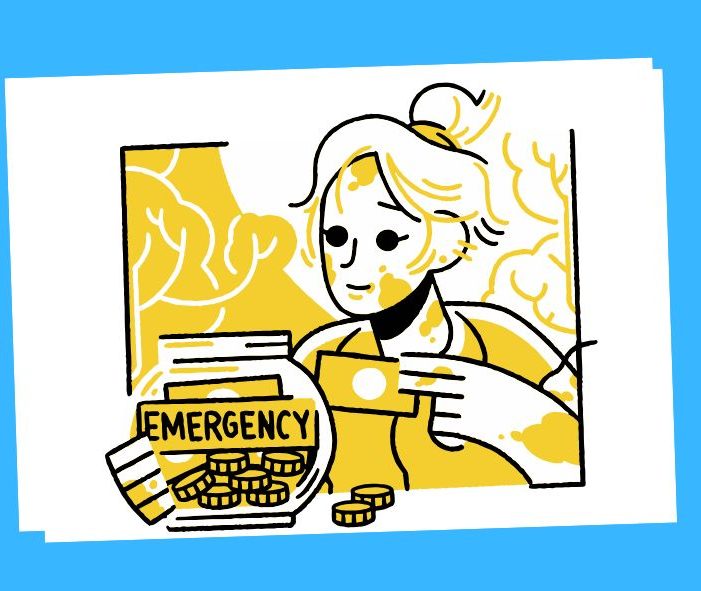
Emergency Fund vs. Savings Account: Why You Need Both to Survive
Confused about where to put your extra cash? Learn the vital differences between an emergency fund and a savings account to protect your future.
The Great Financial Divide: Understanding the Emergency Fund vs. the Savings Account
Financial stability is often compared to building a house. You need a solid foundation before you can start decorating the rooms. In the world of personal finance, two of the most critical components of that foundation are the emergency fund and the savings account. While many people use these terms interchangeably, they serve vastly different purposes. Confusing the two is like using your fire extinguisher to water your garden plants. It might work in the short term, but you will be in significant trouble when a real fire starts.
A savings account is a broad category. It is a financial tool where you keep money for specific goals, whether that is a new laptop, a trip to Japan, or a down payment on a condominium. An emergency fund, on the other hand, is a specific amount of money set aside strictly for life’s “what ifs.” It is your insurance policy against the unknown. Understanding the nuance between these two is the secret to moving from financial anxiety to absolute confidence. 🚀+2
What is an Emergency Fund?
The emergency fund is your “Break Glass in Case of Emergency” money. Its sole purpose is to provide a safety net when the unexpected happens. This includes sudden job loss, a medical crisis, or urgent home repairs that cannot wait. Experts generally suggest that this fund should cover three to six months of your essential living expenses. It should be liquid, meaning you can access it quickly, but it should also be separate enough from your daily spending that you aren’t tempted to use it for a “sale” at your favorite mall.+1
What is a Savings Account?
A savings account is your “Growth and Goal” money. This is where you store funds for things you want or planned expenses you know are coming. Savings accounts are often subdivided into “sinking funds.” For example, you might have a savings account for your annual car insurance, another for Christmas gifts, and another for a future wedding. Unlike the emergency fund, which is defensive, a savings account is offensive. It helps you acquire the things you desire without resorting to high interest credit card debt.+1
10 Benefits of Maintaining Both Separately
- Psychological Security: Knowing you have a dedicated emergency fund reduces the “scarcity mindset” and allows you to sleep better at night.
- Protection of Long Term Goals: When a car tire blows out, you won’t have to “borrow” from your travel fund to fix it.
- Debt Avoidance: You will no longer need to rely on high interest credit cards or personal loans to cover sudden crises.
- Improved Budgeting: Separating these funds forces you to be more honest about your actual monthly expenses.
- Increased Interest Earnings: By keeping your long term savings in high yield accounts, you can outpace inflation.
- Financial Independence: You become your own bank, which gives you leverage in negotiating your career and life choices.
- Crisis Management: During a job loss, an emergency fund provides the “runway” you need to find the right next job rather than the first one available.
- Clarity of Purpose: Every peso has a name and a job, which eliminates the guilt often associated with spending.
- Opportunity Readiness: Having general savings allows you to take advantage of investment opportunities or sudden discounts.
- Stress Reduction in Relationships: Money is a leading cause of divorce; having clear buckets for spending and emergencies reduces conflict.
Pros and Cons of Common Strategies
Pros:
- High yield savings accounts offer better interest rates than traditional passbook accounts.
- Automatic transfers ensure that you save before you have a chance to spend.
- Digital banks provide easy “stashes” or “envelopes” to separate emergency funds from goal savings.
- Keeping an emergency fund in a separate bank reduces the temptation to touch it.
- Sinking funds make large annual payments feel like small monthly ones.
- Tiered emergency funds (starting with one month of expenses) make the goal feel achievable.
- Goal based savings provide a sense of reward and accomplishment.
- Financial apps help track the progress of both funds in real time.
- Liquid assets provide more flexibility than tied up investments during a recession.
- Proper separation allows you to be more aggressive with your investments elsewhere.
Cons:
- Keeping too much cash in an emergency fund means you lose out on potential stock market gains.
- Inflation can slowly eat away at the purchasing power of cash sitting in a bank.
- Managing multiple accounts can be overwhelming for some individuals.
- Low interest rates in traditional banks can make saving feel unproductive.
- Accessing an emergency fund too easily can lead to “emergency” redefined as a new iPhone.
- It takes a long time to build a full six month cushion, which can lead to discouragement.
- Separating funds requires a higher level of financial discipline and tracking.
- Some banks charge maintenance fees if the balance drops below a certain level.
- Interest earned on these accounts is often subject to withholding taxes.
- Over-saving for emergencies can sometimes delay the start of an important retirement fund.
Case Studies: The Difference in Action
- The Medical Crisis: Maria had an emergency fund of 100,000 pesos. When her father needed an urgent procedure, she paid the bill instantly without touching her “Dream Wedding” savings account.
- The Career Pivot: Juan lost his corporate job in Makati. Because he had six months of expenses in an emergency fund, he spent three months looking for a better position instead of settling for a lower salary.
- The Car Breakdown: Sarah’s car transmission failed. She used her emergency fund to fix it, then spent the next four months “refilling” that fund while her vacation savings stayed intact.
- The Unexpected Travel: David’s best friend announced a wedding in Boracay. David used his “Leisure Savings” account to pay for the flight, knowing his emergency fund was safe for real crises.
- The Freelancer’s Lean Month: Elena, a graphic designer, had a month with zero clients. Her emergency fund covered her rent and groceries, preventing her from going into debt.
- The Roof Leak: During typhoon season, the Santos family discovered a major leak. Their dedicated home maintenance savings account covered the repair, so their children’s tuition fund remained untouched.
- The Investment Opportunity: Mark saw a stock market dip. He used his “General Savings” to buy shares, but he never touched his emergency fund, ensuring he was still protected if he lost his job.
- The Laptop Failure: Kevin’s laptop died in the middle of a project. He used his emergency fund to buy a replacement immediately, as the laptop was essential for his income.
- The Holiday Splurge: Clarisse wanted to buy expensive gifts. She checked her “Holiday Savings” account and realized she only had 5,000 pesos. She stayed within that budget to avoid dipping into her safety net.
- The Pet Emergency: When Bella’s dog got sick, the vet bill was 15,000 pesos. The emergency fund covered it, proving that “emergencies” come in all shapes and sizes. 🐾
Key Takeaways
- An emergency fund is for needs; a savings account is for wants and planned needs.
- Aim for 3 to 6 months of expenses in your emergency fund.
- Keep your emergency fund in a high yield account that is easy to access but hard to spend.
- Use sinking funds within your savings account for predictable yearly expenses.
- Never use your emergency fund for a “good deal” on a luxury item.
- If you use your emergency fund, make refilling it your number one financial priority.
- Start small; even a 10,000 peso starter emergency fund provides a massive psychological boost.
- Review your expense levels annually to ensure your emergency fund is still sufficient.
- Automate your savings so you don’t have to rely on willpower every month.
- Financial peace comes from knowing exactly where your money is and what its job is.
Frequently Asked Questions (FAQs)
1. Should I pay off debt or build an emergency fund first?
Build a “starter” emergency fund of at least one month’s expenses first. This prevents you from taking on new debt when something goes wrong while you are paying off the old debt.
2. Can I keep both in the same bank account?
Technically yes, but it is not recommended. It is too easy to accidentally spend your emergency fund if the numbers are all in one pile.
3. Is a credit card a good emergency fund?
No. In a crisis, you want to eliminate stress, not add a high interest bill to your future self.
4. Where should I put my emergency fund?
Look for a high yield savings account (HYSA) or a reputable digital bank that offers at least 3% to 6% interest.
5. How do I calculate my emergency fund?
Total your monthly “survival” costs: rent, utilities, food, insurance, and minimum debt payments. Multiply that by the number of months you want to cover.
6. When is it okay to use the emergency fund?
Use it when an event is unexpected, necessary, and urgent. A “sale” is not an emergency. A broken refrigerator is.
7. Should I invest my emergency fund in the stock market?
No. The stock market is too volatile. You don’t want your safety net to drop by 20% right when you lose your job.
8. What if I am a freelancer?
Freelancers should aim for a larger emergency fund, closer to 6 to 12 months, due to the unpredictable nature of their income.
9. Can I use my savings account for an emergency?
If your emergency fund is empty, yes. But the goal is to have the emergency fund stand as the first line of defense.
10. How do I stop feeling guilty for spending my savings?
If you have a dedicated emergency fund and you are spending from a “Goal” savings account, the guilt should disappear because that money was born to be spent on that goal.
Conclusion
The journey to financial freedom is not about how much you earn, but how well you manage what you have. By distinguishing your emergency fund from your savings account, you create a strategic barrier between your daily life and the chaos of the world. Your savings account allows you to dream and achieve, while your emergency fund ensures those dreams aren’t shattered by a single bad break. Start today by opening a separate account for your safety net. Your future self will thank you for the clarity, the security, and the peace of mind. 📈
Link Resources
- Bangko Sentral ng Pilipinas (BSP) Financial Inclusion
- Investopedia: Emergency Fund Basics
- Moneymax Guide to Digital Banks
- The Balance: Sinking Funds Explained
- NerdWallet: Savings vs. Emergency Funds
Key Phrases
- difference between emergency fund and savings
- how much should be in an emergency fund
- best high yield savings accounts
- building a financial safety net
- sinking funds for beginners
- financial planning for Filipinos
- avoiding debt with emergency funds
- liquidity in personal finance
- managing multiple bank accounts
- emergency fund for freelancers
Best Hashtags
#FinancialFreedom #EmergencyFund #SavingsAccount #MoneyManagement #FinancialLiteracy #SmartSaving #DebtFreeJourney #PinoyFinance #WealthBuilding #PersonalFinanceTips

Oliver Bugarin – A blog writer with over a decade of experience in WordPress website creation and management, and creating articles on lifestyle, travel, technology, business, finance, and wellness. He is known for producing clear, engaging articles that resonate with readers and add value to any blog or website.
Contact him for collaborations or content writing opportunities. Facebook – LinkedIn
.
Save/Share this story with QR CODE
Disclaimer
This article is for informational purposes only and does not constitute endorsement of any specific technologies or methodologies and financial advice or endorsement of any specific products or services.
Contact Lead Media News
📩 Feel free to Contact Lead Media News for suggestions, collaborations, reviews, or anything else.





