From 5.6 Million to a Trillion-Peso Receipt: The Resilient Return of Travel
From the UNESCO streets of Iloilo to the high-stakes B2B tables of PHITEX, the TPB is stepping up. Read about the PHP 1.3 billion marketing push for 2026.
Philippines Steps up Tourism Marketing in Asia
The Philippine tourism landscape is witnessing a strategic metamorphosis in 2026. After two years of falling short of ambitious arrival targets—ending 2025 with 5.6 million foreign visitors against a goal of 8.4 million—the Philippine Tourism Promotions Board (TPB) is pivoting toward high-growth Asian markets. The focus is no longer just on volume, but on reinvigorating the “potentially big” markets of India and China through aggressive policy shifts and a record PHP 1.3 billion promotions budget. 📈
Maria Margarita Nograles, the TPB Chief Operating Officer, highlighted that while traditional powerhouses like South Korea, the US, and Japan remain top source markets, the real “exponential” growth is expected from the West and the East. Since June 2025, Indian nationals have enjoyed 14-day visa-free entry for tourism, a policy bolstered by Air India’s nonstop flights from Delhi to Manila. Meanwhile, the resumption of the e-Visa service for Chinese travelers in late 2025 is expected to finally bridge the gap left by the slow recovery of what was once the Philippines’ primary source of inbound traffic. 🇵🇭
The Michelin Moment: Gastronomy as a Global Magnet
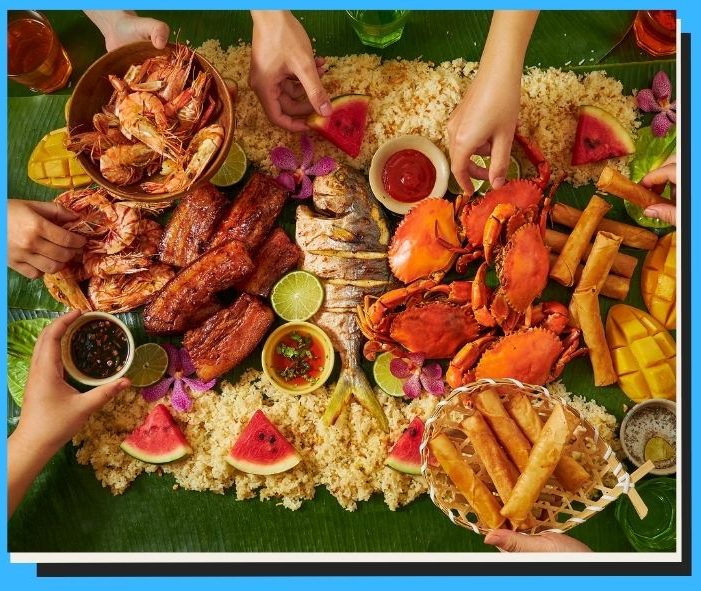
Perhaps the most significant shift in the 2026 marketing playbook is the elevation of Filipino cuisine. The Philippines has officially been named one of the Michelin Guide’s “Most Exciting Food Destinations” for 2026. This prestigious recognition is a game-changer for the TPB, allowing it to market the country not just for its white-sand beaches but as a world-class culinary destination.
Iloilo City, already a UNESCO Creative City of Gastronomy, is at the forefront of this movement. Its unique heirloom dishes and festive banquets are gaining unprecedented traction, particularly in the US market. By integrating gastronomy into “fam trips” for media and B2B events like MICECONnect, the TPB is ensuring that “Destination Philippines” appeals to the modern traveler’s palate. The strategy is clear: those who come for the food stay longer and spend more, reflected in the surging inbound tourism receipts that reached PHP 760 billion in late 2025.
10 Benefits of the Stepped-Up Tourism Marketing
- Economic Diversification: Reducing reliance on just one or two source markets protects the economy from regional downturns.
- Higher Spending: Gastronomy-focused travelers traditionally spend significantly more than budget beach-goers.
- Connectivity Boost: Increased demand leads to more direct international flights, lowering costs for all travelers.
- Cultural Preservation: Promoting local food and heritage (like in Iloilo) provides funding to preserve indigenous traditions.
- MSME Growth: More tourists mean more business for local artisans, tour guides, and small-scale restaurateurs.
- Investor Confidence: A thriving tourism sector signals a stable and attractive environment for foreign hotel developers.
- Simplified Entry: Visa-free policies for India and e-Visas for China drastically reduce the “friction” of travel.
- Digital Transformation: The shift toward e-Visas and online travel agencies modernizes the Philippine arrival experience.
- Global Prestige: Michelin Guide recognition elevates the Philippines’ brand to the level of Japan, France, and Italy.
- Sustainable Dispersal: Focusing on cities like Iloilo helps decongest Metro Manila and Boracay, spreading wealth to the provinces.
Pros and Cons of the Current Tourism Strategy
Pros
- Aggressive 1,200% increase in the promotions budget for 2026.
- Strategic visa-free entry for the rapidly growing Indian middle class.
- Michelin Guide endorsement provides high-level third-party credibility.
- Reintroduction of the e-Visa for China targets a crucial pre-pandemic market.
- Strong focus on high-value segments like MICE (Meetings, Incentives, Conferences, Exhibitions).
Cons
- Missed arrival targets for two consecutive years may dampen immediate optimism.
- China-Philippines flight capacity remains at only 45% of pre-pandemic levels.
- Infrastructure gaps, such as airport congestion, continue to hamper the arrival experience.
- Intense competition from regional peers like Vietnam and Thailand who have higher arrival numbers.
- Geopolitical tensions in the region can occasionally affect travel sentiment for certain markets.
Case Studies in Tourism Rejuvenation
- The India “Corridor”: Indian arrivals grew past 60,000 in early 2025 following the June visa-free announcement.
- Iloilo’s US Traction: Marketing Iloilo as a UNESCO Gastronomy City led to a surge in Filipino-American “heritage” tours.
- Air India’s Direct Route: The Delhi-Manila nonstop flight (5x weekly) has revolutionized last-minute business and leisure travel.
- The “Michelin Effect”: Restaurants in Manila and Cebu seeing a 30% increase in foreign bookings after the 2026 Guide announcement.
- PHITEX 2026: The premier travel exchange event successfully linked 200+ global buyers with Philippine sellers.
- China e-Visa Pilot: A 15% uptick in Chinese business travelers was recorded within the first 60 days of the e-Visa resumption.
- MICECONnect Iloilo: Hosting large-scale B2B events in the Visayas showcased the region’s readiness for global conventions.
- Digital Nomad Hubs: Siargao and La Union were successfully marketed to the European market as premier remote-work destinations.
- Boracay Sustainability: Strict carrying capacities and eco-promotions have attracted higher-spending, eco-conscious travelers.
- Bacolod Slow Food: Leveraging the “Terra Madre” event to position the Negros region as the organic food capital of Asia.
Key Takeaways
- The TPB is focusing on India and China as “reinvigorated” growth markets for 2026.
- Indian tourists now enjoy 14-day visa-free entry, leading to an “exponential” growth forecast.
- China’s e-Visa service is back online, aiming to restore pre-pandemic arrival levels (2 million).
- Gastronomy is now a core pillar of tourism marketing following Michelin Guide recognition.
- The Philippines missed its 8.4 million arrival target for 2025, ending at 5.6 million.
- A PHP 1.3 billion budget is set for 2026 promotions—a massive increase from previous years.
- South Korea, the US, and Japan remain the top three source markets for the Philippines.
- Direct flights (like Air India’s Delhi route) are seen as critical for market recovery.
- B2B events like PHITEX and MICECONnect are being refined to link local LGUs with global agents.
- Iloilo is a standout performer, leveraging UNESCO status to attract high-value US travelers.
FAQs
- Who can enter the Philippines visa-free?
- Indian nationals can enter for 14 days for tourism purposes as of mid-2025.
- Is the e-Visa available for Chinese citizens?
- Yes, the e-Visa service for business and tourism was resumed in late 2025.
- What is the Michelin Guide recognition?
- The Philippines is officially listed as a “Most Exciting Food Destination” for 2026.
- Why did the Philippines miss its 2025 target?
- Factors included limited flight capacity from China and “high-friction” arrival experiences at airports.
- What is Iloilo’s tourism claim?
- It is a UNESCO Creative City of Gastronomy and a World Heritage Site.
- How much is the 2026 promotions budget?
- PHP 1.3 billion, which is a 1,200% increase from the 2025 promotions fund.
- What is PHITEX?
- The Philippine Travel Exchange is the country’s largest government-organized travel trade event.
- Are there direct flights from India?
- Yes, Air India operates nonstop from Delhi to Manila five times a week.
- What are the top 3 source markets?
- South Korea, the United States, and Japan.
- Is gastronomy good for tourism?
- Yes, it encourages longer stays and higher spending compared to traditional leisure travel.
Conclusion
The Philippine tourism strategy for 2026 is one of calculated resilience. By acknowledging the missed targets of the past and doubling down on high-potential markets like India and China, the TPB is laying the groundwork for a more sustainable and diverse inbound sector. The addition of gastronomy as a primary marketing pillar—validated by the Michelin Guide—transforms the country’s image from a simple island getaway into a sophisticated cultural destination. While infrastructure and connectivity challenges remain, the combination of visa liberalization, record-breaking marketing budgets, and world-class culinary recognition suggests that the “Digital Filipino” tourism experience is ready to go global. 🚀
Link Resources
- Tourism Promotions Board (TPB) Official Website
- Department of Tourism (DOT) Philippines
- MICHELIN Guide Philippines
- Official Gazette: Philippine Visa Policies
- Iloilo City Government Gastronomy Hub
Key Phrases
- Philippine tourism marketing Asia 2026
- Visa-free entry for Indian tourists Philippines
- Michelin Guide Most Exciting Food Destination 2026
- TPB Maria Margarita Nograles briefing
- China e-Visa resumption Philippines 2025
- Iloilo UNESCO Creative City of Gastronomy
- Philippine Travel Exchange PHITEX 2026
- Air India Delhi to Manila nonstop
- Department of Tourism arrival targets 2026
- Gastronomy tourism Philippines promotions
Best Hashtags
#LoveThePhilippines #TourismPH #InvestPH #MichelinPH #IndiaToPH #ChinaToPH #IloiloGastronomy #PHITEX2026 #TravelAsia #PhilippineTourism

Oliver Bugarin – A blog writer with over a decade of experience in WordPress website creation and management, and creating articles on lifestyle, travel, technology, business, finance, and wellness. He is known for producing clear, engaging articles that resonate with readers and add value to any blog or website.
Contact him for collaborations or content writing opportunities. Facebook – LinkedIn
.
Save/Share this story with QR CODE
Disclaimer
This article is for informational purposes only and does not constitute endorsement of any specific technologies or methodologies and financial advice or endorsement of any specific products or services.
Contact Lead Media News
📩 Feel free to Contact Lead Media News for suggestions, collaborations, reviews, or anything else.





