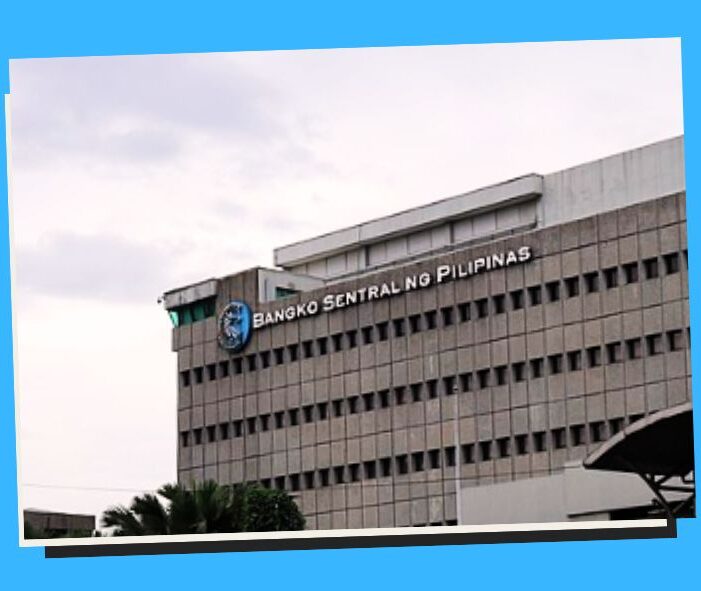
PH Recorded a $167M Deficit: Why the BSP Isn’t Worried (And You Shouldn’t Be Either)
The Philippines posted a BOP deficit for July 2025. We break down what this means, why it happened, and why our economy remains resilient.
Navigating the Tides: Understanding the Philippines’ Latest Economic Health Report
In the vast and often turbulent ocean of the global economy, every nation is a ship charting its course. The captain’s log, filled with data on speed, direction, and conditions, is vital for understanding the journey. This week, the Bangko Sentral ng Pilipinas (BSP) released a key page from our country’s economic logbook: the Balance of Payments (BOP) position for July 2025. The headline figure was a deficit, a term that can sound alarming. But a true navigator knows that a single reading never tells the whole story.
The Philippines recorded a USD167 million BOP deficit in July, a reversal from a surplus a year ago. Before we jump to conclusions, it is crucial to look beyond the headline. This is not a signal to panic; it is an invitation to understand. This figure is a reflection of responsible government actions, the persistent realities of global trade, and most importantly, the incredible resilience of the Philippine economy’s core strengths. This article will break down what these numbers truly mean, explore the powerful forces keeping our ship steady, and offer a clear-eyed perspective on the voyage ahead. 🚢
Decoding the Data: A Clear-Eyed Look at the Numbers
To understand the journey, we must first understand the instruments. The Balance of Payments is essentially the nation’s financial scorecard with the rest of the world. It tracks all the money that flows in and out. A surplus means more money came in than went out, while a deficit means the opposite.
The July Story: A Tale of Prudent Management. The BSP was very clear about the primary reason for the USD167 million deficit in July: the national government used its foreign currency deposits to service its external debt obligations. Let’s translate this. The government made scheduled payments on its foreign loans. This is an act of fiscal responsibility, like a household prioritizing paying its mortgage on time. While it results in a temporary outflow of dollars, it is a sign of prudent financial management that maintains the country’s good standing with international creditors.
The Year-to-Date Picture: The Trade Winds The July deficit brought the cumulative BOP level for the first seven months of 2025 to a deficit of USD5.8 billion. The BSP attributes this wider trend to the country’s continuing trade-in-goods deficit. This simply means that, as a growing and developing nation, we currently import more physical goods (like fuel, machinery, and raw materials) than we export.
However, even here, there is a silver lining. Data from the Philippine Statistics Authority (PSA) shows that the trade deficit from January to June 2025 was actually smaller than in the same period last year (USD24 billion vs. USD25.1 billion). This indicates a subtle but positive trend of improvement in our trade balance.
The Unsung Heroes: Our Economic Shock Absorbers
A deficit is only one part of the equation. What truly defines an economy’s strength is its ability to counterbalance these outflows. The Philippines has several powerful, reliable engines that provide this stability. The BSP highlighted three key sources of sustained inflows:
- Personal Remittances from Overseas Filipinos: This is the heart of the Philippine economic story. The steady, unwavering flow of remittances from millions of our modern-day heroes abroad is a powerful and stable source of foreign currency. This is not volatile investment capital; it is a testament to the enduring connection between Filipinos and their homeland.
- Foreign Borrowings by the National Government: While the government is paying down old debts, it also continues to secure new financing. This shows that international financial institutions retain strong confidence in the Philippines’ economic management and its ability to pay back its loans.
- Foreign Portfolio Investments: These are investments in our local stock market and government securities. While sometimes volatile, continued net inflows show that international investors still see the Philippines as a promising market with attractive returns.
Our Fortress: The Gross International Reserves (GIR)
If the BOP is the monthly flow of funds, the Gross International Reserves (GIR) is our national savings account in foreign currency. This is our ultimate safety net. As of the end of July 2025, our GIR stood at a formidable USD105.4 billion.
While this is a slight dip from the previous month, the BSP provides crucial context to show just how strong this position is. This level is:
- An Adequate External Liquidity Buffer: The USD105.4 billion is enough to cover 7.2 months’ worth of our country’s imports and payments. This is well above the international standard of 3-4 months, giving us a very comfortable cushion.
- More Than Enough to Cover Short-Term Debt: The GIR is about 3.4 times the country’s total short-term external debt. This means we could pay off all our short-term foreign obligations more than three times over with our reserves.
This robust GIR is our fortress, protecting the value of the peso, assuring investors of our stability, and giving the government the flexibility to navigate any external economic shocks.
10 Key Takeaways & Silver Linings
Let’s reframe the narrative from the deficit and focus on the underlying strengths.
- Responsible Debt Servicing: The July deficit was primarily caused by the government responsibly paying its debts, a sign of good governance.
- Improving Trade Balance: The year-on-year trade deficit is actually narrowing, showing positive progress in our export-import balance.
- Unyielding Strength of Remittances: OFW remittances remain the steadfast anchor of our foreign currency inflows.
- Sustained International Confidence: The ability to secure foreign borrowings and attract portfolio investments shows the world still trusts the Philippine economy.
- A Fortress of Reserves: The GIR at over USD100 billion is a massive buffer against external shocks and a source of significant stability.
- Ample Import Coverage: With 7.2 months of import cover, our economy is well-insulated from short-term global supply chain disruptions.
- Low Short-Term Debt Risk: Our reserves vastly outweigh our short-term foreign debt, indicating a very low risk of a financial crisis.
- The Economy is Normalizing: BOP positions fluctuate. A small deficit in a developing, import-heavy economy is a normal part of the economic cycle.
- A Transparent Central Bank: The BSP’s clear and detailed explanations provide confidence and transparency in their management of the economy.
- A Resilient Economic Structure: The diverse sources of inflows (remittances, investments, BPO revenues) create a resilient structure that is not dependent on a single factor.
Actionable Tips for Navigating the Economic Climate
For businesses and individuals, understanding the economic climate can inform better decisions.
- For Exporters: Now is a great time to be aggressive. A stable to slightly weaker peso can make your products more competitive in the global market.
- For Importers: The strong GIR helps stabilize the peso, but it’s always wise to manage foreign exchange risk. Consider hedging strategies for large purchases.
- For Business Owners: Focus on efficiency and local sourcing where possible to mitigate the impact of import costs on your bottom line.
- For OFWs and Their Families: Continue using formal remittance channels. This ensures your hard-earned money is safely received and officially counted in the nation’s inflows.
- For All Consumers: Support local. Every purchase of a Filipino-made product is a small but meaningful contribution to improving our trade balance. 🇵🇭
- For Investors: Look beyond short-term fluctuations. The economy’s strong fundamentals, like the GIR and steady remittances, point to long-term stability.
- For Marketing Professionals: Emphasize quality and value in your campaigns. In a thoughtful economic climate, consumers appreciate brands that offer lasting worth.
- For Students of Economics: Use this as a real-world case study. Analyze the interplay between the trade deficit, remittances, and the GIR.
- For Entrepreneurs: Look for opportunities in import substitution. What products can be created or grown locally to reduce our reliance on foreign goods?
- For Everyone: Stay informed through credible sources like the BSP and PSA. A calm, informed public is a key component of a stable economy.
Insights into the BOP Report
Let’s read between the lines for a deeper understanding.
- A BOP Deficit is Not a Recession: It’s crucial to distinguish the two. A BOP deficit is an external account metric. The country’s overall economic growth, measured by GDP, can still be strong even with a temporary deficit.
- The ‘Current Account’ vs. ‘Financial Account’: The BOP has two main parts. The deficit in the current account (driven by the trade deficit) is being partially offset by a surplus in the financial account (driven by investments and borrowings). A healthy economy manages the balance between the two.
- The Trade in Services is a Hidden Strength: This report focuses on the trade in goods. The Philippines typically runs a large surplus in the trade of services (led by the BPO industry), which is a vital positive contributor to the overall BOP.
- Debt Servicing with Deposits is a Strategic Choice: The government could have taken a new short-term loan to pay its old one. Using its existing dollar deposits was a strategic choice to avoid new interest payments, demonstrating prudent cash management.
- The GIR Level is a Powerful Deterrent: A high GIR acts as a deterrent against speculative attacks on the Philippine peso. Speculators know the BSP has more than enough firepower to defend the currency.
- Global Factors Matter: The trade deficit is influenced by global factors like high oil prices (a major import) or a slowdown in global demand for our exports. It’s not solely a reflection of the domestic economy.
- Attracting FDI is the Next Frontier: While portfolio investments are welcome, the long-term goal is to attract more Foreign Direct Investment (FDI), which involves building factories and creating long-term jobs. FDI is a more stable and impactful source of inflows.
- The Peso’s Performance is the Real-Time Indicator: The stability of the Philippine peso against the US dollar in the weeks following this report is a real-time indicator of how the market is interpreting this data. So far, the market remains confident.
- Monetary Policy Implications: A persistent BOP deficit could influence the BSP’s monetary policy. However, the current manageable level and strong GIR give the central bank flexibility to focus on its inflation targets.
- The Narrative of Resilience is Strong: The key takeaway for any analyst is that despite the deficit headline, the underlying story is one of resilience. The economy’s shock absorbers are working effectively.
Frequently Asked Questions (FAQ)
1. What is the Balance of Payments (BOP) in simple terms? It’s the record of all economic transactions between the Philippines and the rest of the world over a period. It’s like a country’s statement of cash flows.
2. What is a trade deficit? This happens when the total value of the goods a country imports is greater than the total value of the goods it exports.
3. What are Gross International Reserves (GIR)? This is the country’s savings in foreign currencies, gold, and other foreign assets, held by the central bank. It’s a crucial safety net.
4. Is a BOP deficit always bad? Not necessarily. For a growing country that needs to import machinery and materials to build its future, temporary deficits are normal. The key is whether the country has the reserves and steady inflows (like remittances) to manage it.
5. How do OFW remittances help the BOP? Remittances are a major source of foreign currency (like US dollars) flowing into the Philippines, which directly counteracts the money flowing out to pay for imports.
6. Will this deficit make the Philippine peso weaker? A large, persistent deficit can put downward pressure on a currency. However, our strong GIR allows the BSP to intervene in the currency market to prevent excessive volatility, keeping the peso stable.
7. What is the difference between a BOP deficit and a budget deficit? A BOP deficit relates to the country’s transactions with the rest of the world. A budget deficit relates to the government’s own finances, where it spends more than it earns in taxes. They are two different things.
8. What are foreign portfolio investments? These are investments made by foreigners in a country’s financial assets, such as stocks and bonds. They are sometimes called “hot money” because they can be moved in and out of a country relatively quickly.
9. Why is 7.2 months of import cover considered good? The international rule of thumb is that a country should have enough reserves to cover at least 3 months of imports. At 7.2 months, the Philippines has more than double the standard buffer, which is a sign of great stability.
10. Where can I get official data on the Philippine economy? The best sources are the official websites of the Bangko Sentral ng Pilipinas (bsp.gov.ph) and the Philippine Statistics Authority (psa.gov.ph).
Charting a Steady Course
The latest Balance of Payments report is a valuable snapshot of our economic journey. It shows a ship that is skillfully managed, with its captain making prudent decisions to pay its dues. While the trade winds require us to import more than we export for now, our powerful engines of remittances and investments are running strong, and our vessel is protected by the formidable hull of our Gross International Reserves.
Let us not be swayed by the single word “deficit.” Instead, let us look at the complete picture with understanding and confidence. The currents of the global economy will always shift, but the Philippine ship is well-equipped, well-managed, and sailing with a steady hand on the tiller towards a more prosperous destination.
Link Resources
- Bangko Sentral ng Pilipinas (BSP) – Statistics
- Philippine Statistics Authority (PSA) – International Trade
- Department of Finance (DOF)
- National Economic and Development Authority (NEDA)
- World Bank – Philippines Economic Update
Key Phrases
- Philippine Balance of Payments (BOP)
- Gross International Reserves (GIR)
- Philippine trade deficit
- OFW personal remittances
- Bangko Sentral ng Pilipinas (BSP) report
- Philippine economic stability
- Foreign portfolio investments
- External debt servicing
- Philippine economic analysis
- External liquidity buffer
Best Hashtags
- #PhilippineEconomy
- #BalanceOfPayments
- #BSP
- #GIR
- #OFWRemittances
- #InvestPhilippines
- #EconomicResilience
- #PhilippineBusiness
- #TradeDeficit
- #PHinvestor

Oliver Bugarin – A blog writer with over a decade of experience in WordPress website creation and management, and creating articles on lifestyle, travel, technology, business, finance, and wellness. He is known for producing clear, engaging articles that resonate with readers and add value to any blog or website.
Contact him for collaborations or content writing opportunities. Facebook – LinkedIn
.
Save/Share this story with QR CODE
Disclaimer
This article is for informational purposes only and does not constitute endorsement of any specific technologies or methodologies and financial advice or endorsement of any specific products or services.
Contact Lead Media News
📩 Feel free to Contact Lead Media News for suggestions, collaborations, reviews, or anything else.





