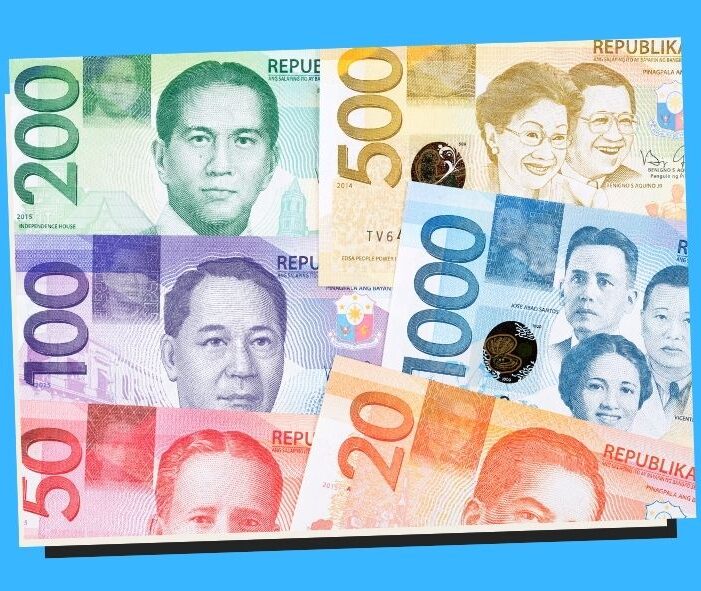
Invisible Money, Real Power: How the Philippines is Banking the Unbanked
Discover the inspiring journeys of ordinary Filipinos gaining access to banking services for the very first time. Their stories will change how you see financial inclusion.
Banking the Unbanked: Real Stories from the Barangay
In the bustling streets of Metro Manila, or the serene landscapes of the provinces, a significant portion of the Philippines’ population remains “unbanked.” These are individuals and communities who, for various reasons, lack access to formal financial services like savings accounts, credit, insurance, and digital payment systems. At LEADMediaNews.com, we believe in highlighting stories of progress and possibility, and there’s immense hope in the ongoing efforts to bring financial inclusion to every barangay. This article delves into the realities of the unbanked, explores the initiatives bridging this gap, and shares compelling real stories of transformation from the heart of our communities.
The Invisible Economy: Understanding the Unbanked in the Philippines
Being unbanked isn’t just about not having a passbook. It often means relying solely on cash for transactions, resorting to informal lenders with exorbitant interest rates, lacking a safe place to store savings, and having limited opportunities for financial growth. In a country prone to natural disasters, the absence of formal financial protection can be devastating. Many factors contribute to this: geographical isolation, lack of understanding about banking services, perceived high costs, stringent requirements, and even a general mistrust in formal institutions. The goal of “banking the unbanked” is to integrate these individuals into the formal financial system, empowering them with tools for economic stability and upward mobility.
Why Financial Inclusion Matters: A Barangay Perspective
From a barangay level, financial inclusion can dramatically improve daily lives. Imagine a small sari-sari store owner who can now receive payments digitally, reducing the risk of theft and making inventory management easier. Or a farmer who can access microloans to invest in better seeds, leading to higher yields and increased income. When residents have access to basic financial services, it fosters:
- Security: A safe place to save money, protecting it from loss or theft.
- Convenience: Easier ways to send and receive money, pay bills, and manage funds.
- Opportunity: Access to credit for business expansion, education, or emergencies, breaking cycles of debt from informal lenders.
- Resilience: The ability to build an emergency fund or access insurance, offering a buffer against life’s uncertainties.
Initiatives Bridging the Gap: Bringing Banks to the Barangays
The Bangko Sentral ng Pilipinas (BSP) and various private sector entities have launched significant initiatives to address financial exclusion. The National Strategy for Financial Inclusion (NSFI) outlines a vision for effective access to a wide range of financial products and services for all Filipinos. Key strategies include:
- Inclusive Digital Finance: Leveraging mobile phones and internet access to deliver financial services.
- Financial Education and Consumer Protection: Empowering Filipinos with knowledge and safeguarding their interests.
- Risk Protection and Social Safety Nets: Promoting mechanisms for financial resilience.
- Agriculture and MSME Financing Ecosystem: Supporting critical sectors with tailored financial solutions.
This has led to the proliferation of digital wallets (like GCash, PayMaya, etc.), partnerships between traditional banks and rural banking institutions, and the establishment of “branch-lite” units and cash agents in remote areas. The national ID system (PhilSys) is also a game-changer, simplifying identity verification for account opening.
10 Tips for Bridging the Financial Inclusion Gap
- Simplify Account Opening: Reduce requirements and make the process user-friendly for all, especially those without traditional IDs.
- Offer Basic Deposit Accounts: Provide accounts with low or no minimum balances and minimal fees.
- Promote Digital Literacy: Conduct workshops in barangays on how to use mobile banking apps and digital wallets safely.
- Leverage Community Leaders: Partner with barangay officials and local organizations to build trust and disseminate information.
- Develop Relevant Products: Create financial products tailored to the needs of specific communities, e.g., micro-insurance for farmers.
- Expand Agent Networks: Establish more cash-in/cash-out points in local stores, pawnshops, and remittance centers.
- Address Connectivity Issues: Advocate for improved internet and mobile network infrastructure in remote areas.
- Prioritize Financial Education: Move beyond basic literacy to practical money management skills.
- Utilize the National ID: Expedite the rollout and acceptance of the PhilID for seamless account onboarding.
- Build Trust and Security: Ensure robust consumer protection measures and educate users on avoiding scams.
10 Benefits of Banking the Unbanked
- Poverty Reduction: Provides pathways for individuals to escape cycles of poverty through savings and credit.
- Economic Growth: Stimulates local economies by enabling more transactions and investments.
- Increased Savings: Offers safe and accessible means for people to save their hard-earned money.
- Empowerment: Gives individuals greater control over their financial lives and decision-making.
- Reduced Informal Lending: Lessens reliance on predatory informal lenders.
- Improved Remittance Flows: Ensures safer and more efficient receipt of remittances from OFWs.
- Enhanced Government Aid Distribution: Facilitates direct and transparent disbursement of social welfare programs.
- Data for Development: Generates financial data that can inform policy-making and product development.
- Greater Financial Resilience: Equips individuals and families to cope with emergencies and economic shocks.
- Inclusive Society: Fosters a more equitable society where everyone has a chance to participate in the formal economy.
10 Pros and Cons of Banking the Unbanked
Pros:
- Wider Reach of Services: Financial services become accessible to remote and underserved populations.
- Increased Economic Participation: More people can engage in formal economic activities.
- Improved Financial Security: Reduces vulnerability to financial crime and loss of cash.
- Stimulates Local Businesses: Micro, Small, and Medium Enterprises (MSMEs) gain access to capital.
- Digital Transformation: Accelerates the adoption of digital payments and financial technology.
- Better Data for Policy: Provides valuable insights for targeted government and private sector initiatives.
- Greater Social Mobility: Enables education, entrepreneurship, and health investments.
- Lower Transaction Costs: Digital transactions can be more affordable than traditional methods.
- Reduced Illicit Activities: Formalizing transactions can help combat money laundering.
- Boosts National GDP: Contributes to a larger, more vibrant formal economy.
Cons:
- Digital Divide: Lack of internet access or smartphone ownership in remote areas can exclude some.
- Low Digital Literacy: Many unbanked individuals may struggle with new technologies, leading to errors or scams.
- Security Concerns: Fear of online fraud, hacking, or identity theft can deter adoption.
- High Operating Costs: Reaching remote areas with physical banking infrastructure remains expensive.
- Lack of Trust: Historical negative experiences or skepticism towards financial institutions.
- Cultural Barriers: Traditional cash-based habits are deeply ingrained.
- Limited Products: Initial offerings might not fully meet the diverse needs of unbanked communities.
- Regulatory Challenges: Ensuring consumer protection and fair practices in a rapidly evolving digital landscape.
- Data Privacy Issues: Concerns over how personal financial data will be used.
- Sustainability of Initiatives: Ensuring long-term viability of financial inclusion programs beyond initial funding.
Case Studies: Real Stories from the Barangay
- Aling Elena’s Sari-Sari Store Goes Digital: In a remote barangay in Rizal, Aling Elena, a sari-sari store owner, was skeptical about accepting digital payments. After a financial literacy seminar, she started accepting GCash. Her sales increased as customers found it more convenient, and she now tracks her daily earnings effortlessly.
- Mang Cardo’s Rice Farm Loan: Mang Cardo, a farmer in Nueva Ecija, traditionally borrowed from informal lenders. Through a microfinance institution partnering with a rural bank, he secured a small, low-interest loan to buy better seeds and fertilizer. His harvest improved significantly, and he repaid the loan on time.
- The Fisherfolk’s Emergency Savings: In a coastal community in Leyte, prone to typhoons, a local cooperative established a community savings fund accessible via mobile. Fishermen like Ben, who used to keep cash under his mattress, now safely deposit small amounts, providing a crucial safety net for their families after a storm.
- Brenda’s Online Selling Venture: Brenda, a stay-at-home mom in Pampanga, started selling homemade pastries online. She struggled with payment and delivery until she opened a digital bank account and learned to use online payment gateways, expanding her customer base far beyond her barangay.
- The Tricycle Driver’s Digital Wallet: In a busy urban barangay, Kuya Jessie, a tricycle driver, now receives payments through a QR code on his phone. This reduces his need to carry large amounts of cash and simplifies sending money home to his province.
- Teacher Liza’s Automated Payments: Teacher Liza in a far-flung school used to travel hours to receive her salary. With a new program, her salary is now directly deposited into her basic deposit account, and she can pay bills and transfer money using her mobile phone.
- The Construction Worker’s Remittance Story: Miguel, a construction worker in Metro Manila, previously sent money home via informal channels with high fees. Now, using a digital remittance service, his family in Antique receives money instantly and securely at a fraction of the cost.
- The Tribal Community’s Cooperative: A remote indigenous community in Mindanao, traditionally reliant on barter, formed a cooperative that opened a collective bank account. They use this for community projects and to sell their crafts, giving them greater financial autonomy.
- Nanay Fe’s Micro-Insurance: Nanay Fe, a vendor in a public market, never considered insurance until a community program introduced affordable micro-insurance policies. When her husband fell ill, the insurance helped cover medical costs, preventing a deeper financial crisis.
- The Youth’s First Bank Account: Through a school-based financial literacy program, high school students in a rural town, like aspiring artist Gabby, are now opening their first basic deposit accounts, understanding the importance of saving from a young age.
Key Takeaways
- Financial inclusion is crucial for equitable development.
- Digitalization is a powerful enabler for banking the unbanked.
- Trust and financial literacy are paramount for adoption.
- Collaboration between the government and the private sector is essential.
- Tailored products meet diverse community needs.
- Every barangay holds potential for financial growth.
- The PhilSys ID simplifies access to formal financial services.
- Addressing connectivity gaps is critical for digital inclusion.
- Real stories demonstrate the tangible impact on lives.
- Continued effort is needed to reach the last mile.
FAQs about Banking the Unbanked
- Who are the “unbanked” in the Philippines?
- Individuals who do not have an account with a formal financial institution like a bank, credit union, or mobile money service provider.
- Why are so many Filipinos unbanked?
- Reasons include geographic distance from banks, lack of required documents, perceived high costs, low financial literacy, and lack of trust.
- What is the role of digital banking in financial inclusion?
- Digital banking, especially mobile wallets, offers a cost-effective way to deliver financial services to remote areas without the need for physical branches.
- What is the National Strategy for Financial Inclusion (NSFI)?
- A comprehensive framework by the BSP and other agencies to promote financial inclusion through various initiatives and policies.
- How does the National ID System (PhilSys) help?
- It provides a universal, verifiable identity, simplifying the Know-Your-Customer (KYC) process for opening bank accounts.
- Are there specific banking products for the unbanked?
- Yes, “basic deposit accounts” (BDAs) offer low or no maintenance balances and minimal fees to encourage account ownership.
- What are cash agents?
- Authorized entities (like pawnshops, remittance centers, or sari-sari stores) that facilitate cash-in and cash-out services for digital financial transactions.
- What are the biggest challenges in banking the unbanked?
- Digital literacy, internet connectivity, security concerns, and overcoming ingrained cash-based habits.
- How can barangays get involved in promoting financial inclusion?
- By hosting financial literacy seminars, endorsing digital payment platforms, and serving as cash agent locations.
- What is the long-term vision for financial inclusion in the Philippines?
- To ensure that every Filipino adult has effective access to a wide range of financial services that empower them economically and build national resilience.
Conclusion
The journey to banking the unbanked is a testament to the Philippines’ unwavering commitment to inclusive growth. Through innovative digital solutions, strategic partnerships, and a deep understanding of community needs, we are steadily transforming the financial landscape from the ground up, one barangay at a time. The stories shared here are not just anecdotes; they are powerful affirmations that with access and education, every Filipino can unlock their financial potential and contribute to a more hopeful and prosperous nation. Let us continue to champion these efforts, ensuring that no Filipino is left behind in the pursuit of financial empowerment.
Link Resources
- Bangko Sentral ng Pilipinas (BSP) Inclusive Finance
- ADB Seads – Expanding Financial Inclusion for Low-Income Women in the Philippines
- The World Bank – Financial Inclusion Overview
- GCash Official Website (For understanding a leading digital wallet)
- PhilSys National ID Official Website
Key Phrases
- Banking the unbanked
- Financial inclusion Philippines
- Barangay financial stories
- Digital financial services
- Micro-finance success
- Financial literacy initiatives
- Philippine unbanked population
- Community financial empowerment
- Access to formal finance
- Inclusive growth Philippines
Best Hashtags
#BankingTheUnbanked #FinancialInclusionPH #BarangayStories #DigitalFinance #PinoyEmpowerment #LEADMediaNews #FinancialLiteracyPH #PhilippinesProgress #InclusiveGrowth #FutureOfFinance

Oliver Bugarin – A blog writer with over a decade of experience in WordPress website creation and management, and creating articles on lifestyle, travel, technology, business, finance, and wellness. He is known for producing clear, engaging articles that resonate with readers and add value to any blog or website.
Contact him for collaborations or content writing opportunities. Facebook – LinkedIn
.
Save/Share this story with QR CODE
Disclaimer
This article is for informational purposes only and does not constitute endorsement of any specific technologies or methodologies and financial advice or endorsement of any specific products or services.
Contact Lead Media News
📩 Feel free to Contact Lead Media News for suggestions, collaborations, reviews, or anything else.





