BSP Projects Inflation to Fall Between 0.5% and 1.3% in July – What It Means for Your Wallet
What are the key drivers of inflation in the Philippines? Discover how the BSP plans to keep inflation manageable and maintain economic growth despite external challenges.
BSP Projects July Inflation to Settle Within 0.5% to 1.3%: A Glimmer of Hope for Economic Stability
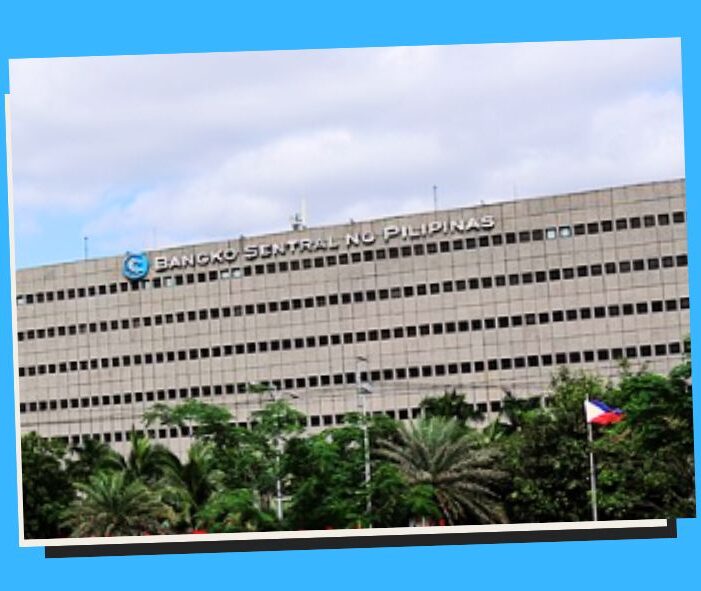
MANILA, Philippines – The Bangko Sentral ng Pilipinas (BSP) has projected that inflation in July 2025 will likely fall within the range of 0.5% to 1.3%. This forecast is based on the observation of various factors that influence the inflation rate in the Philippines, offering a hopeful outlook for the country’s economic stability. The BSP’s announcement came in a statement on Thursday, in which they highlighted a number of contributing factors that could shape inflation during the month.
The low inflation rate is primarily attributed to price fluctuations in several key sectors, such as meat, vegetables, and energy costs. The BSP pointed out that upward price pressures in these sectors are expected due to unfavorable weather conditions, which have caused an increase in meat and vegetable prices. Additionally, rising electricity rates, high domestic fuel costs, and the depreciation of the peso are likely to push inflation upward.
However, the BSP also noted a positive trend. The continued decline in rice prices has helped mitigate some of these pressures, offering relief to households that rely on this staple food. Given this balanced mix of price drivers, the BSP expects inflation to remain under control in July, with a potential range between 0.5% and 1.3%. This would be a significant improvement from June 2025, when inflation settled at 1.4%, reflecting the ongoing efforts to stabilize the economy.
The Philippine Statistics Authority (PSA) is set to release the official inflation data for July on August 5, 2025, which will provide more detailed insights into the trends shaping the country’s inflation landscape. As the economy continues to recover from previous challenges, this data will be critical in shaping future monetary policy decisions.
Understanding the Drivers Behind Inflation
The BSP has identified several key factors contributing to the expected inflation trends for July. The most notable of these are:
- Higher Meat and Vegetable Prices: Unfavorable weather conditions, including extreme heat and occasional flooding, have affected crop yields and livestock production. This has resulted in a rise in the prices of meat and vegetables, which typically contribute to higher overall inflation.
- Increased Electricity Rates: Energy costs, which are a significant portion of household expenses, have been climbing due to higher global fuel prices and local supply chain constraints. These price hikes are putting upward pressure on inflation.
- Elevated Domestic Fuel Costs: The price of oil and gas continues to affect transportation costs, energy generation, and the overall cost of goods. The high fuel prices contribute to inflation by raising the costs of production and distribution across various industries.
- Depreciation of the Peso: The weakening of the Philippine peso against the US dollar has made imports more expensive. This has added to inflationary pressures, particularly in sectors that rely on imported goods such as energy and raw materials.
Positive Developments to Counter Inflation
While the pressures from the aforementioned factors are expected to drive inflation upwards, the BSP has pointed to some positive developments that will help mitigate these effects:
- Declining Rice Prices: One of the major contributors to food inflation, rice prices have been on the decline in recent months. This trend is expected to continue in July, providing some much-needed relief for Filipino households who rely heavily on rice as a staple food.
- Government Measures: The Philippine government has implemented several measures to stabilize the prices of basic goods, including rice, through initiatives like the Rice Tariffication Law, which aims to ensure adequate supply and reduce price volatility.
- Monetary Policy Adjustments: The BSP has shown flexibility in its approach, regularly adjusting interest rates and implementing other policy tools to maintain economic stability. This data-dependent approach allows the central bank to respond effectively to inflationary pressures as they arise.
Benefits of Low Inflation for the Philippine Economy
- Improved Purchasing Power: Low inflation helps maintain the purchasing power of consumers, ensuring that Filipinos can afford basic goods and services.
- Stable Economic Environment: When inflation is controlled, businesses can plan and operate more effectively, fostering a stable economic environment conducive to growth.
- Encourages Investment: Low inflation rates reduce uncertainty, making the country more attractive to foreign and domestic investors.
- Lower Interest Rates: With low inflation, the BSP can maintain or reduce interest rates, stimulating borrowing and economic activity.
- Cost of Living Relief: Lower inflation means that the cost of essential goods and services remains manageable for families, reducing financial stress.
- Support for Savings: Stable prices allow consumers to save more, as they can predict future costs and plan for the future.
- Better Public Finance: Low inflation helps the government manage its fiscal policies more effectively, reducing the burden of debt servicing.
- Increased Consumer Confidence: When inflation is under control, consumers feel more confident about their financial future, which can lead to increased spending and investment.
- Wage Stability: With low inflation, wages can be adjusted more predictably, ensuring fair compensation for workers and maintaining living standards.
- Stronger Local Currency: Low inflation can help strengthen the Philippine peso, which supports the country’s ability to import goods at a lower cost.
Tips for Navigating Inflation in the Philippines
- Monitor Price Trends: Stay updated on key price changes, especially for essential goods like rice, meat, and vegetables.
- Budget Wisely: Adjust your spending habits to accommodate potential price increases, focusing on essential purchases.
- Invest in Inflation-Proof Assets: Consider investing in assets that traditionally perform well during inflationary periods, such as gold or real estate.
- Buy in Bulk: For non-perishable items, consider buying in bulk to take advantage of lower prices before inflation drives costs up.
- Shop Smart: Compare prices across different stores or markets to find the best deals and avoid impulse purchases.
- Embrace Digital Payments: Use digital payments and mobile banking apps to track spending and ensure efficient budgeting.
- Support Local Products: Buying locally-produced goods can help reduce the impact of higher import costs due to the weakening peso.
- Save Regularly: Even in times of inflation, it’s important to maintain a regular savings habit to prepare for potential price hikes.
- Use Public Transport: With rising fuel costs, using public transportation or carpooling can help reduce travel expenses.
- Invest in Education: Keep learning about personal finance and investment strategies to stay ahead of inflation’s impact on your wealth.
Insights into Inflation Trends and the BSP’s Role
- Inflation is a Complex Issue: While inflation is influenced by various factors, the BSP’s data-driven approach allows for effective management of the economy.
- Global Influences Matter: External factors like global oil prices and currency exchange rates play a significant role in driving inflation in the Philippines.
- Domestic Factors Count: Local issues, such as weather conditions and agricultural output, directly affect inflation, particularly in food prices.
- Rice as a Key Staple: As one of the main sources of calories for Filipinos, changes in rice prices have a significant impact on overall inflation rates.
- Monetary Policy Tools: The BSP uses tools like interest rate adjustments to control inflation, ensuring the economy remains stable.
- Inflation Drives Cost of Living: High inflation leads to higher costs for everyday goods and services, impacting households’ ability to manage their finances.
- Inflation and Employment: Inflation can erode real wages, leading to challenges in employment and compensation growth.
- Food Security is a Priority: Managing food prices, particularly for essential commodities like rice, is critical to maintaining economic stability in the Philippines.
- Inflation Affects All Sectors: Inflation’s impact is felt across all sectors, from consumer goods to manufacturing and services, making it a broad economic concern.
- BSP’s Data-Dependent Approach: The BSP’s careful monitoring of inflation data allows it to adjust its policies in real-time, ensuring that inflation remains within target levels.
Frequently Asked Questions (FAQ)
Q1: What is the current inflation rate in the Philippines?
A1: The BSP projects that inflation for July 2025 will fall between 0.5% and 1.3%. The official data will be released on August 5.
Q2: What are the main factors affecting inflation in July 2025?
A2: The main factors include higher meat and vegetable prices due to weather conditions, increased electricity rates, higher fuel costs, and the depreciation of the peso.
Q3: How does the depreciation of the peso affect inflation?
A3: A weaker peso makes imported goods more expensive, leading to higher prices for products reliant on imports, such as fuel and energy.
Q4: How is the BSP addressing inflation in the Philippines?
A4: The BSP is using a data-dependent approach to adjust interest rates and other monetary policies to maintain price stability and economic growth.
Q5: How does inflation impact the cost of living in the Philippines?
A5: Inflation raises the prices of essential goods and services, making it harder for families to afford basic necessities, especially food and energy.
Q6: Will the BSP continue cutting interest rates in 2025?
A6: If inflation continues to remain low, the BSP may reduce interest rates further to stimulate economic activity and support growth.
Q7: How does the government address inflation in the food sector?
A7: The government works to stabilize food prices by implementing programs like the Rice Tariffication Law and supporting local agriculture.
Q8: What impact does inflation have on wages?
A8: High inflation can erode the purchasing power of wages, leading to challenges in maintaining the same standard of living.
Q9: How does the BSP forecast inflation?
A9: The BSP forecasts inflation based on a combination of local and international economic factors, including commodity prices, currency exchange rates, and supply chain disruptions.
Q10: How can businesses prepare for inflationary pressures?
A10: Businesses can adjust pricing strategies, improve operational efficiency, and diversify supply chains to mitigate the impact of rising costs.
Conclusion: A Positive Outlook Amid Inflationary Pressures
Despite the expected upward pressure on prices in some sectors, the Philippines’ inflation forecast for July 2025 presents a positive outlook for the country’s economic stability. With inflation projected to remain within a manageable range, there is hope that the BSP’s policies will continue to keep price increases under control. As the country adapts to both local and global economic challenges, the careful monitoring and strategic decision-making of the BSP will be crucial in ensuring continued growth and stability. For businesses and households alike, staying informed and prepared for inflation’s impact will be key to navigating the coming months.
Link Resources
- Bangko Sentral ng Pilipinas (BSP) – Learn more about the BSP’s inflation targets, monetary policy tools, and economic reports.
- Philippine Statistics Authority (PSA) – Access the latest inflation data and trends in the Philippines.
- Department of Finance (DOF) – Stay informed on fiscal policies and government actions to support economic stability in the Philippines.
- National Economic and Development Authority (NEDA) – Read about the Philippine Development Plan and the government’s long-term strategies for economic growth.
- Asian Development Bank (ADB) – Explore ADB’s reports and insights on inflation, economic growth, and policy recommendations for the Philippines.
Key Phrases
- Philippine inflation forecast
- BSP monetary policy
- Inflation drivers in the Philippines
- Peso depreciation and inflation
- Rice price trends in the Philippines
- Domestic fuel costs and inflation
- Inflationary pressures in the food sector
- Impact of weather on food prices
- BSP interest rate adjustments
- Managing inflation through fiscal policies
Best Hashtags
- #PhilippineEconomy
- #BSPInflationTarget
- #InflationControl
- #EconomicGrowth2025
- #PesoDepreciation
- #RicePrices
- #DomesticFuelCosts
- #PhilippineMonetaryPolicy
- #EconomicStability
- #BSPPolicy

Oliver Bugarin – A blog writer with over a decade of experience in WordPress website creation and management, and creating articles on lifestyle, travel, technology, business, finance, and wellness. He is known for producing clear, engaging articles that resonate with readers and add value to any blog or website.
Contact him for collaborations or content writing opportunities. Facebook – LinkedIn
.
Save/Share this story with QR CODE
Disclaimer
This article is for informational purposes only and does not constitute endorsement of any specific technologies or methodologies and financial advice or endorsement of any specific products or services.
Contact Lead Media News
📩 Feel free to Contact Lead Media News for suggestions, collaborations, reviews, or anything else.





