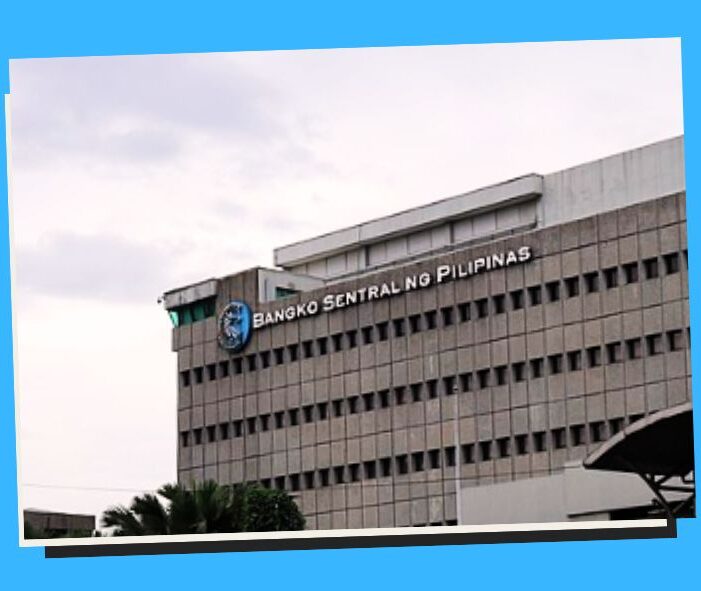
BSP’s June Inflation Forecast: How Rising Prices Are Balanced by Lower Costs
Despite inflationary pressures from higher meat, vegetable, and oil prices, the BSP sees relief from lower electricity rates and food prices.
BSP Projects June Inflation at 1.1% to 1.9%: A Glimpse Into the Economic Outlook 📉💡
The Bangko Sentral ng Pilipinas (BSP) has projected that inflation for June will fall within the range of 1.1% to 1.9%. This forecast comes amidst various economic pressures, including rising costs in certain sectors like meat and vegetables, the impact of elevated oil prices, and the depreciation of the peso. Despite these upward pressures, the BSP notes that other factors, such as lower rice, fish, and fruit prices, along with reduced electricity rates, may help cushion the overall inflation rate.
In its statement on Monday, the BSP highlighted that while certain goods and services are likely to experience price increases, there are other contributing factors that could help mitigate the impact of these price hikes. Specifically, the central bank pointed out that lower prices in key food items such as rice and fish, along with the easing of electricity costs, will likely offset the pressures from rising costs in other areas.
Inflation for May was recorded at 1.3%, which is below the lower end of the government’s target range of 2% to 4% for the year. This indicates a steady but gradual improvement in price stability in the Philippines. The official inflation data for June 2025 will be released by the Philippine Statistics Authority on July 4.
Factors Driving Inflation in June
The BSP’s projection for June inflation reflects both domestic and global economic factors. Among the primary drivers of the expected increase in inflation are:
- Higher Meat and Vegetable Prices: The cost of meat and vegetables is anticipated to rise due to seasonal factors, supply chain challenges, and higher production costs. As the demand for these items increases, prices are expected to follow suit.
- Elevated Oil Prices: The global oil market remains volatile, and higher oil prices are expected to add upward pressure to inflation. Oil is a key driver of costs for transportation, logistics, and various industries, which in turn affect the prices of goods and services across the economy.
- Depreciation of the Peso: The peso’s depreciation against major currencies like the US dollar adds to inflationary pressures. A weaker peso makes imported goods more expensive, leading to higher prices for items like fuel, machinery, and electronics.
Offsetting Factors in June’s Inflation Outlook
While inflation is expected to be pushed upward by certain pressures, there are factors that could mitigate these impacts:
- Lower Prices for Rice, Fish, and Fruits: The availability of rice, fish, and fruits has been favorable recently, and this has contributed to lower prices in these sectors. Since these food items represent a significant portion of household spending, their price reduction will help to keep inflation in check.
- Lower Electricity Rates: A decrease in electricity rates is another factor that could help curb inflationary pressures. Lower electricity bills can ease household expenses and contribute to lower overall price levels.
BSP’s Commitment to Price Stability
The BSP remains committed to ensuring price stability, which is crucial for maintaining the purchasing power of Filipino households and supporting sustainable economic growth. The central bank’s monetary policy settings are designed to safeguard economic stability by balancing inflation control with the need for growth and employment. The BSP’s continued vigilance in managing inflation will help protect consumers from significant price volatility and maintain investor confidence in the Philippine economy.
Inflation’s Impact on the Philippine Economy
Inflation directly affects the economy by influencing the cost of living, business operations, and the overall purchasing power of consumers. When inflation is low and stable, it creates a favorable environment for economic growth, as it encourages consumer spending, business investment, and wage growth. On the other hand, high inflation erodes purchasing power and increases the cost of goods and services, which can have negative consequences for household budgets and economic stability.
In the case of June’s projected inflation rate, the BSP’s proactive stance will likely ensure that price stability is maintained within the target range. By balancing inflationary pressures with factors that provide economic relief, the BSP is working to ensure that inflation does not spiral out of control.
Benefits of BSP’s Inflation Control Efforts
- Stable Purchasing Power: A controlled inflation rate helps preserve the purchasing power of households, allowing consumers to manage their budgets effectively.
- Predictable Economic Environment: Stable inflation rates create a predictable environment for businesses, encouraging investment and growth.
- Lower Cost of Living: By managing inflation, the BSP helps reduce the cost of living, particularly in essential goods and services such as food and energy.
- Increased Consumer Confidence: When inflation is stable, consumers are more likely to feel confident in their ability to purchase goods and services, which boosts economic activity.
- Encouragement of Savings and Investments: Lower inflation rates make it easier for people to save and invest without worrying about the erosion of their savings.
- Affordable Credit: Stable inflation helps keep interest rates lower, which benefits borrowers by reducing the cost of credit.
- Economic Stability: Inflation control contributes to the overall stability of the Philippine economy, promoting sustainable growth and employment.
- Lower Business Costs: Stable prices help businesses plan and budget more effectively, reducing uncertainty in operations.
- Attracts Foreign Investments: A stable inflation rate creates an attractive environment for foreign investors, who seek stable economic conditions for long-term investments.
- Support for Wage Growth: With controlled inflation, workers’ wages are more likely to grow in real terms, improving overall living standards.
Tips for Filipinos to Manage Inflation Pressures
- Monitor Price Trends: Keep an eye on the prices of essential goods, especially meat and vegetables, to make informed purchasing decisions.
- Prioritize Essential Goods: Focus on buying basic necessities and minimizing discretionary spending to cope with inflation.
- Use Public Transport: To counter the rising costs of fuel, consider using public transport or carpooling to save on transportation expenses.
- Utilize Discounts and Promotions: Look for special offers, discounts, or sales events to make the most of your budget.
- Save on Energy Costs: Reduce electricity consumption by switching off unused appliances and using energy-efficient products.
- Consider Bulk Buying: Buying in bulk can help reduce costs, especially for non-perishable items.
- Grow Your Own Produce: If possible, start a small garden to grow vegetables and fruits, which can help reduce grocery expenses.
- Invest in Long-Term Assets: To hedge against inflation, consider investing in assets that appreciate over time, such as real estate or stocks.
- Track Your Budget: Regularly review and adjust your budget to ensure you are prioritizing essential spending.
- Stay Informed: Keep up with inflation forecasts and BSP announcements to stay ahead of price changes.
Insights on June Inflation Forecast
- Inflationary Pressures from Food and Oil: Rising meat and vegetable prices, along with higher oil prices, are likely to push inflation higher in June.
- Impact of Peso Depreciation: A weaker peso will contribute to higher import costs, particularly for goods like oil and machinery.
- Cushioning Effects from Food Prices: Lower rice, fish, and fruit prices will provide some relief for households.
- Electricity Rate Decrease: A reduction in electricity rates could help keep inflation in check, easing household expenses.
- BSP’s Commitment to Stability: The BSP’s focus on price stability ensures that inflation remains within the target range, supporting sustainable growth.
- Inflation Below Government Target: With inflation at 1.3% in May, the government is on track to meet its inflation target for the year.
- Rising Global Commodity Prices: Global price fluctuations, particularly for oil, remain a major factor influencing inflation in the Philippines.
- Domestic Demand Resilience: Despite inflation pressures, domestic demand remains strong, helping stabilize the economy.
- Monetary Policy Adjustments: The BSP’s ongoing monetary policy adjustments are designed to mitigate inflation risks and ensure economic stability.
- Impact on Business Planning: Businesses will need to factor in inflation forecasts when planning their operations and pricing strategies.
Frequently Asked Questions (FAQs)
- What is the projected inflation for June?
The BSP projects June inflation to settle between 1.1% and 1.9%. - What factors are contributing to higher inflation?
Higher meat and vegetable prices, elevated oil prices, and the depreciation of the peso are key contributors. - What factors could offset inflationary pressures?
Lower prices for rice, fish, and fruits, as well as reduced electricity rates, may help counteract inflationary pressures. - What was the inflation rate in May?
Inflation in May was recorded at 1.3%, below the lower end of the government’s 2% to 4% target range. - When will official June inflation data be released?
Official June inflation data will be released by the Philippine Statistics Authority on July 4. - How does inflation affect everyday Filipinos?
Inflation increases the cost of goods and services, impacting household budgets and purchasing power. - Why is the BSP focused on price stability?
Price stability helps maintain the purchasing power of Filipinos and supports sustainable economic growth. - What can Filipinos do to manage inflation?
Filipinos can prioritize essential goods, track spending, and take advantage of promotions to manage inflationary pressures. - How does the BSP manage inflation?
The BSP adjusts monetary policy settings to ensure price stability and support economic growth. - What is the government’s inflation target for 2025?
The government’s target inflation rate is between 2% and 4% for 2025.
Conclusion: Navigating Inflation with Resilience
The BSP’s projection for June inflation offers a balanced view of the economic landscape, with certain pressures expected to push prices higher while other factors provide relief. As inflation remains manageable within the government’s target range, Filipinos can take steps to protect their purchasing power by staying informed and adjusting their spending habits. With the BSP’s commitment to price stability and a favorable economic environment, the outlook remains optimistic for the coming months.
Link Resources
- Bangko Sentral ng Pilipinas
- Philippine Statistics Authority
- Department of Energy
- National Economic and Development Authority
- Philippine News Agency
Key Phrases
- June inflation forecast
- BSP inflation projections
- Rising meat and vegetable prices
- Oil price impact on inflation
- Peso depreciation effects
- Lower electricity rates and inflation
- Philippines inflation control
- Inflationary pressures in the Philippines
- BSP monetary policy actions
- Price stability and economic growth
Best Hashtags
- #JuneInflation
- #BSPForecast
- #InflationControlPH
- #PesoDepreciation
- #OilPricesImpact
- #PhilippineEconomy
- #PriceStability
- #MonetaryPolicyPH
- #FoodPriceChanges
- #PhilippineGrowth

Oliver Bugarin – A blog writer with over a decade of experience in WordPress website creation and management, and creating articles on lifestyle, travel, technology, business, finance, and wellness. He is known for producing clear, engaging articles that resonate with readers and add value to any blog or website.
Contact him for collaborations or content writing opportunities. Facebook – LinkedIn
.
Save/Share this story with QR CODE
Disclaimer
This article is for informational purposes only and does not constitute endorsement of any specific technologies or methodologies and financial advice or endorsement of any specific products or services.
Contact Lead Media News
📩 Feel free to Contact Lead Media News for suggestions, collaborations, reviews, or anything else.





