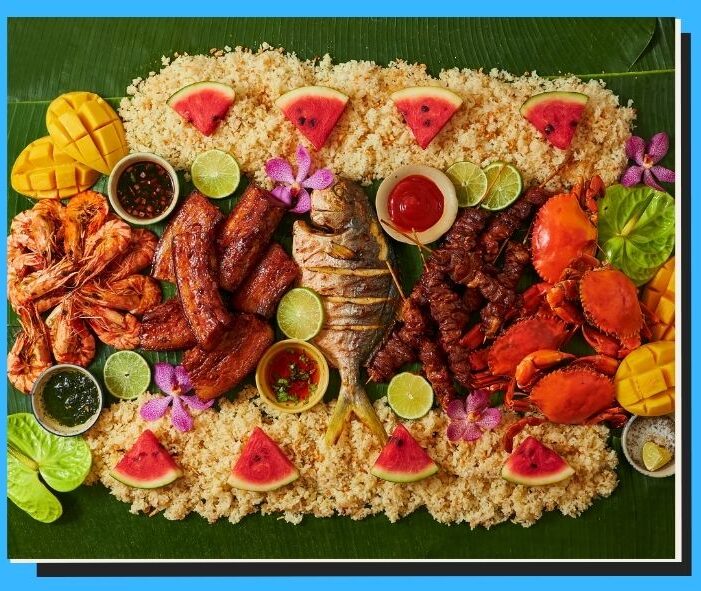
Pinoy Food as Cultural Diplomacy: Connecting the World Through Taste
Learn how the unique flavors of Filipino food can help strengthen international relationships and create lasting cultural connections.
Pinoy Food as Cultural Diplomacy: A Global Culinary Connection
Filipino cuisine, rich with flavors, history, and tradition, has long been an untapped cultural treasure, waiting to be discovered and shared with the world. From the spicy adobo to the sweet halo-halo, Filipino dishes reflect the diverse influences and experiences of the Philippines’ cultural heritage. In recent years, the idea of Pinoy food as a form of cultural diplomacy has gained significant attention. This culinary diplomacy, which involves the sharing of food as a way to promote cross-cultural understanding, has the potential to unite countries, foster goodwill, and elevate Filipino culture on the global stage. In this article, we explore the role of Pinoy food in cultural diplomacy, its benefits, tips for promoting it, and how it has been used effectively across the world.
The Growing Role of Filipino Cuisine in Cultural Diplomacy
Filipino food has always been an integral part of the country’s culture, acting as a reflection of the nation’s diverse history, geography, and people. As a cultural diplomacy tool, food has the unique ability to tell a country’s story in a way that is both personal and universal. Nations communicate shared values, local customs, and rich cultural heritage through food. In this way, Pinoy food bridges cultures, creating a deeper connection between Filipinos and the rest of the world. This approach goes beyond just serving food—it’s about embracing the shared human experience through taste, tradition, and hospitality.
Benefits of Pinoy Food as Cultural Diplomacy
- Promotes National Pride: Showcasing Pinoy food abroad instills pride among Filipinos, especially when others appreciate the unique dishes that represent their heritage.
- Encourages Global Awareness: Sharing Filipino food helps promote awareness of the Philippines and its culture worldwide, building respect and interest.
- Strengthens International Relationships: Food is a universal language. Sharing Pinoy food fosters friendships and mutual understanding between nations.
- Creates Economic Opportunities: As Filipino cuisine gains popularity, it opens doors for Filipino chefs, restaurants, and food exporters to tap into international markets.
- Showcases Filipino Hospitality: Sharing food reflects the traditional Filipino value of hospitality, which is highly appreciated across cultures.
- Celebrates Culinary Diversity: Pinoy food is a melting pot of different influences—from Spanish to Chinese, American, and indigenous flavors—offering a unique culinary experience.
- Supports Local Agriculture: The growing demand for Pinoy food abroad boosts the local agriculture sector, especially for key ingredients used in traditional dishes.
- Encourages Cultural Exchange: Filipino food brings people together, encouraging learning and exchange between various cultures.
- Fosters Creativity: The fusion of Filipino ingredients and global culinary trends leads to innovation in the food industry.
- Improves Global Image: The growing recognition of Filipino cuisine enhances the Philippines’ reputation as a culturally rich and diverse country.
Tips for Promoting Pinoy Food Globally
- Leverage Social Media: Share recipes, cooking videos, and food stories through platforms like Instagram, YouTube, and Facebook to connect with a global audience.
- Collaborate with International Chefs: Partner with well-known chefs from other countries to create fusion dishes highlighting Filipino ingredients and cooking techniques.
- Host Filipino Food Festivals: Organize major cities’ food festivals and culinary events to introduce Filipino cuisine to an international crowd.
- Share the History Behind the Dish: Offer educational content that explains each dish’s history and cultural significance, helping people appreciate the culinary heritage.
- Embrace Food Trucks: Use food trucks to serve Filipino street food at international events, bringing a casual yet authentic experience to the masses.
- Create Filipino Cooking Classes: Teach others how to prepare traditional Filipino dishes, providing them with an authentic culinary experience.
- Partner with Influencers: Collaborate with food bloggers and influencers from different countries to showcase Filipino dishes on their platforms.
- Promote Filipino Ingredients: Educate international consumers on the benefits and unique flavors of Filipino ingredients like malunggay, ube, and calamansi.
- Offer Fusion Recipes: Combine Filipino flavors with popular international cuisines to create dishes that are both innovative and familiar.
- Engage with Food Enthusiasts: Build a community of food lovers who are interested in exploring Filipino cuisine through online forums, cooking workshops, and taste-testing events.
Insights on Pinoy Food and Its Role in Cultural Diplomacy
- Food Tells a Story: Every Filipino dish has a story, whether it’s the historical influence of Spanish colonization in paella or the indigenous roots of sinigang.
- Food Builds Relationships: Sharing food across borders has the power to build friendships and break down cultural barriers.
- Fusion is the Future: Filipino cuisine’s ability to adapt and fuse with other culinary traditions makes it unique and globally appealing.
- Sustainability Matters: Many Filipino ingredients, such as cassava and banana leaves, are sustainable and eco-friendly, promoting global conversations on sustainability in food.
- Culinary Tourism: The rise of culinary tourism has made Pinoy food an attraction in itself, with international travelers seeking authentic Filipino dining experiences.
- Hospitality is Universal: The Filipino concept of bahala na and hospitality shines through every dish, which resonates deeply with cultures worldwide.
- Preserving Heritage: Filipinos can preserve traditional cooking methods through food, ensuring that younger generations remain connected to their roots.
- Pinoy Food is Affordable: Unlike other international cuisines, many Filipino dishes are affordable and can be easily adapted to various price points.
- It’s About the Experience: The joy of eating Filipino food isn’t just about taste—it’s about the experience of gathering around the table with loved ones.
- Food Has Healing Powers: Dishes like sinigang and bulalo have comforting qualities that resonate with people emotionally, making them perfect for diplomatic settings.
Case Studies: Pinoy Food in Cultural Diplomacy
- Sarap Global Food Festival (USA): This event introduced Filipino street food to thousands of attendees, showcasing dishes like tapsilog and lumpia while educating participants on Filipino culture.
- World Expo (Dubai, 2020): The Philippines’ participation in the Dubai Expo included a spotlight on Filipino food, focusing on sustainability and innovation in Filipino culinary practices.
- Adobo Festival (USA): The annual Adobo Festival in California is a cultural celebration where visitors can experience Filipino food and learn about its historical significance.
- Philippine Food and Beverage Expo (Manila): This international event promotes Filipino food products globally, drawing attention from culinary professionals and business investors worldwide.
- Filipino Food Truck in London: A Filipino food truck serves traditional dishes like lechon and sisig, bringing the authentic taste of the Philippines to the streets of London.
- Philippine Embassy Pop-Up Events (Paris): The embassy has hosted numerous pop-up events where Filipino chefs serve traditional dishes to the French public, offering a unique cross-cultural culinary experience.
- Taste of the Philippines (Canada): This event showcases Filipino restaurants in Toronto, emphasizing bringing Filipino flavors to a wider Canadian audience.
- Pinoy Food Week (Australia): Filipino communities across Australia celebrated their cuisine, allowing others to experience the rich diversity of Filipino food.
- Gastro Diplomacy in Indonesia: The Philippine embassy in Jakarta used Filipino food as a diplomatic tool, fostering stronger ties with Indonesia through shared culinary experiences.
- Culinary Tourism in Cebu: Cebu’s culinary tourism initiatives, such as sutukil (sugba, tula, kilaw), attract international visitors, making it a prime example of using food to boost tourism and cultural diplomacy.
Frequently Asked Questions (FAQs)
- What is culinary diplomacy?
Culinary diplomacy is the use of food to promote a country’s culture, build relationships, and foster international understanding. - Why is Filipino food so important in cultural diplomacy?
Filipino food offers a rich mix of history, culture, and flavors that can create meaningful connections with other nations. - How can Filipino food help improve international relations?
By sharing Filipino dishes, countries can build trust, facilitate dialogue, and create opportunities for cultural exchange. - Can Filipino food be easily adapted for global tastes?
Yes, Filipino cuisine is versatile, and many dishes can be adapted to meet the preferences of international audiences. - What are some of the most popular Filipino dishes globally?
Dishes like adobo, sinigang, halo-halo, and lechon are among the most recognized Filipino dishes internationally. - How can I promote Filipino food in my country?
Hosting Filipino food events, partnering with local restaurants, and leveraging social media can help promote Filipino cuisine abroad. - Are there any Filipino food festivals I should attend?
Yes, events like the Adobo Festival in the USA and the Philippine Food and Beverage Expo in Manila offer great opportunities to experience Filipino food firsthand. - How do Filipino food and hospitality go hand in hand?
Filipino cuisine is often shared in the spirit of hospitality, with dishes meant to unite people in communal eating. - What are the health benefits of Filipino food?
Many Filipino dishes feature nutrient-rich ingredients like malunggay, coconut, and fish, contributing to a balanced and healthy diet. - Can Filipino food be incorporated into other cuisines?
Yes, Filipino food can be incorporated into fusion dishes that combine traditional flavors with international culinary trends.
Conclusion
Pinoy food has proven a powerful tool for cultural diplomacy, offering a unique way to connect people, foster relationships, and promote a deeper understanding of Filipino culture. Through the sharing of Filipino dishes like adobo, sinigang, and halo-halo, countries around the world are not only tasting the rich history and flavors of the Philippines. Still, they are also experiencing the Filipino spirit of hospitality, warmth, and community. Filipino cuisine’s ability to adapt and blend with other culinary traditions makes it an ideal ambassador on the global stage.
By strategically using Filipino food in cultural exchanges, food festivals, and international culinary events, the Philippines can continue to elevate its profile worldwide. It’s time to embrace the opportunity to showcase our heritage, build bridges, and foster a deeper cultural understanding through the universal language of food. So let’s get cooking, sharing, and connecting—because Pinoy food is ready to take the world by storm!
Link Resources
- Filipino cuisine: Food that deserves to be known and eaten
- Pinoy on the Plate: Uniting the World Through the Exquisite Taste of Filipino Cuisine
- What Makes Filipino Dishes World-Class?
- Cultivating food customs through gastrodiplomacy and tourism
- Filipino Cuisine: A Rich Tapestry Of Culinary Traditions
Key Phrases
- Filipino culinary diplomacy
- Filipino food culture
- International food exchange
- Filipino food festivals
- Global Filipino cuisine
- Pinoy culinary heritage
- Sharing Filipino food abroad
- Filipino dishes as cultural bridges
- Global culinary influence of Filipino food
- Promoting Filipino flavors worldwide
Best Hashtags
- #PinoyFood
- #CulinaryDiplomacy
- #FilipinoCuisine
- #GlobalFoodMovement
- #FoodAsDiplomacy
- #FilipinoFlavors
- #FoodCulture
- #TasteThePhilippines
- #FilipinoFoodWorldwide
- #FoodConnection

Oliver Bugarin – A blog writer with over a decade of experience in WordPress website creation and management, and creating articles on lifestyle, travel, technology, business, finance, and wellness. He is known for producing clear, engaging articles that resonate with readers and add value to any blog or website.
Contact him for collaborations or content writing opportunities. Facebook – LinkedIn
.
Save/Share this story with QR CODE
Disclaimer
This article is for informational purposes only and does not constitute endorsement of any specific technologies or methodologies and financial advice or endorsement of any specific products or services.
Contact Lead Media News
📩 Feel free to Contact Lead Media News for suggestions, collaborations, reviews, or anything else.





