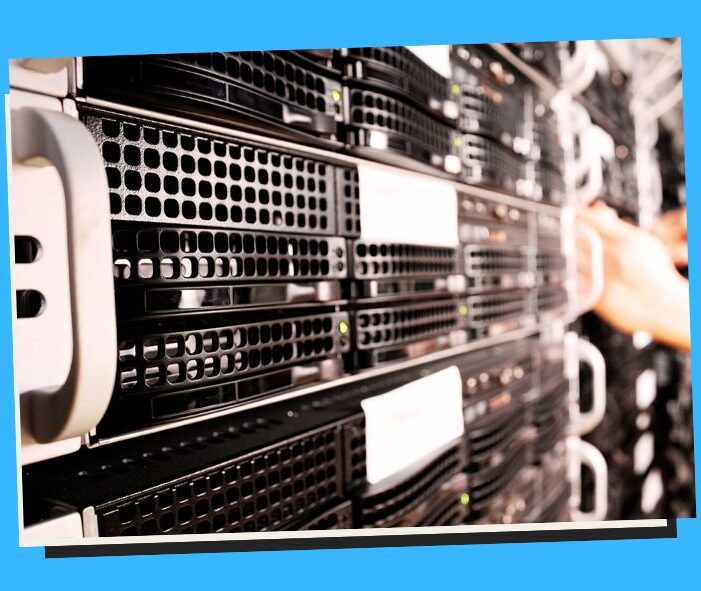
Data Centers and Energy: Crafting a Sustainable Future for the Philippines
Learn about the collaborative efforts between the government and the private sector to meet the power needs of data centers in the Philippines.
Powering Progress: Addressing the Philippines’ Data Center Energy Challenge ⚡🌱
As the Philippines positions itself as a digital powerhouse in Southeast Asia, the country faces an urgent and complex challenge: meeting the rising power demand from its rapidly growing data center industry without jeopardizing household electricity affordability and energy sustainability.
This issue took center stage during the 2025 Executive Roundtable Summit of the Data Center Association of the Philippines (DCAP) held in Makati City. There, Carlos Lorenzo Vega, President and COO of First Gen Energy Solutions, underscored the urgent need for a comprehensive, government-led energy strategy to support the data center sector’s expansion.
The Data Surge: A Double-Edged Sword
Data centers are critical infrastructure. They power cloud computing, support AI development, and host everything from e-commerce platforms to government databases. However, they are notoriously energy-intensive, with some facilities consuming the equivalent power of tens of thousands of homes.
DCAP’s ambitious target of 1 gigawatt (GW) of IT load by 2029 is nearly double the country’s current annual grid expansion of 500 megawatts (MW). Without tailored planning, this demand risks stressing the grid, driving up electricity prices for everyday consumers, and hampering equitable access to energy.
Antonilo Mauricio, co-founder of the Global AI Council Philippines, highlighted another critical concern: energy competition. He warned that prioritizing data centers without broader energy reforms could lead to rural and underdeveloped areas being left behind, undermining inclusive national development.
Benefits of a Strategic Energy Plan for Data Center Growth
- Stable Power Supply – Ensures consistent uptime for data centers.
- Lower Electricity Costs – Prevents sudden hikes in household power bills.
- Attracts Foreign Investment – Global tech firms prefer reliable infrastructure.
- Supports AI and Digital Transformation – Enables faster development and deployment.
- Boosts Job Creation – Opens opportunities in tech, energy, and engineering.
- Encourages Renewable Energy Use – Promotes green data centers.
- Enhances Grid Efficiency – Modernizes national energy infrastructure.
- Reduces Carbon Footprint – Encourages sustainable practices.
- Improves Energy Access Nationwide – Helps rural electrification efforts.
- Fosters Government–Private Collaboration – Builds a resilient, responsive energy policy framework.
Tips to Balance Data Center Growth with Energy Sustainability
- ✅ Establish Dedicated Energy Zones for data centers.
- 🔄 Integrate Renewable Energy Sources such as solar and wind.
- 🏭 Develop Power Plants Specifically for Data Centers.
- 📈 Forecast Demand Using Smart Grid Analytics.
- 🌍 Incorporate Energy-Efficient Cooling Technologies.
- 💼 Incentivize Green Certification for Data Centers.
- 🧑🤝🧑 Encourage Stakeholder Consultations with local communities.
- 💡 Mandate Load Profiling and Energy Audits.
- 🌐 Promote Co-location Facilities to reduce duplication.
- 📊 Regularly Update National Energy Development Plans (NEDP).
Insights on the PH Data Center and Energy Landscape
- 1 GW Data Center Target by 2029 shows aggressive sector expansion.
- USD 18 Billion Investment Required to meet that capacity goal.
- Philippines’ Grid Growth (500 MW/year) is insufficient without intervention.
- Competing Energy Demands from households and industries raise equity issues.
- AI and Data Center Growth Are Interlinked – Both Need Stable Energy.
- Energy Planning Must Be Centralized to Avoid Fragmented Responses.
- Government Role is Crucial in infrastructure coordination.
- Public-Private Partnerships (PPPs) are essential for execution.
- Renewable Energy Must Be a Cornerstone, not an afterthought.
- Infrastructure Expansion is a Prerequisite, not a consequence.
Frequently Asked Questions (FAQs)
1. Why is energy demand from data centers a concern?
Because data centers consume vast amounts of electricity, they can potentially strain the grid and increase costs for everyone.
2. How much power do data centers consume?
Large centers can consume between 10 and 100 MW individually—enough to power a small city.
3. What’s the Philippines’ plan to address this?
Currently, the call is for a dedicated national strategy led by the government.
4. Are renewables part of the solution?
Absolutely. Solar, wind, and hydro must be integrated to balance demand and sustainability.
5. Will this impact residential electricity bills?
Without proper planning, yes—it could increase household power rates.
6. What role does AI play in this equation?
AI applications require high computing power hosted in data centers, hence intensifying energy demand.
7. How can private companies help?
By investing in green technology, efficient design, and dedicated energy sourcing.
8. Can rural areas benefit from this growth?
Only if infrastructure investment includes rural grid modernization and access plans.
9. Is 1 GW by 2029 realistic?
Yes—but only if supported by significant infrastructure and policy backing.
10. What agencies are involved?
The DOE, DICT, NEDA, and private energy firms, such as First Gen, are key players.
Strategic Path Forward
The success of the data center industry in the Philippines hinges not just on ambition but on action. As one of Asia’s most promising digital hubs, the country must now:
- Develop long-term power generation and distribution plans tailored for data centers.
- Promote renewable energy as a core strategy, not a backup.
- Ensure that no Filipino is left behind in the process by addressing equitable energy access.
This isn’t just a tech issue; it’s a national development challenge. As infrastructure scales, energy resilience and sustainability must scale with it.
Conclusion
If the Philippines is to maintain its competitive edge and fulfill its goal of becoming a regional digital hub, then a synchronized, future-forward energy strategy is non-negotiable. The momentum is here—the leadership, investment interest, and innovation ecosystem are all aligned. What’s needed now is power. Reliable, renewable, and resilient power. ⚡🇵🇭
Link Resources
- PH’s Power Demand Needs to Be Addressed as Data Centers Expand – PNA
- PH Eyes Regional Leadership in Data Center with 1GW Target by 2029 – PNA
- Data Centers Driving New Energy Demand – BusinessMirror
- First Gen Energy Solutions
- Global AI Council Philippines
Key Phrases
- Data center energy demand
- Philippines renewable energy
- Sustainable data centers
- Government energy policy
- Private sector collaboration
- Energy infrastructure development
- Balancing growth and sustainability
- Powering digital transformation
- Energy-efficient technologies
- Future of data centers
Best Hashtags
#DataCenterGrowth
#PhilippinesEnergy
#SustainableInfrastructure
#RenewableEnergyPH
#DigitalTransformation
#EnergyPolicy
#GreenTech
#InfrastructureDevelopment
#TechInnovation
#FutureReady

Oliver Bugarin – A blog writer with over a decade of experience in WordPress website creation and management, and creating articles on lifestyle, travel, technology, business, finance, and wellness. He is known for producing clear, engaging articles that resonate with readers and add value to any blog or website.
Contact him for collaborations or content writing opportunities. Facebook – LinkedIn
.
Save/Share this story with QR CODE
Disclaimer
This article is for informational purposes only and does not constitute endorsement of any specific technologies or methodologies and financial advice or endorsement of any specific products or services.
Contact Lead Media News
📩 Feel free to Contact Lead Media News for suggestions, collaborations, reviews, or anything else.





