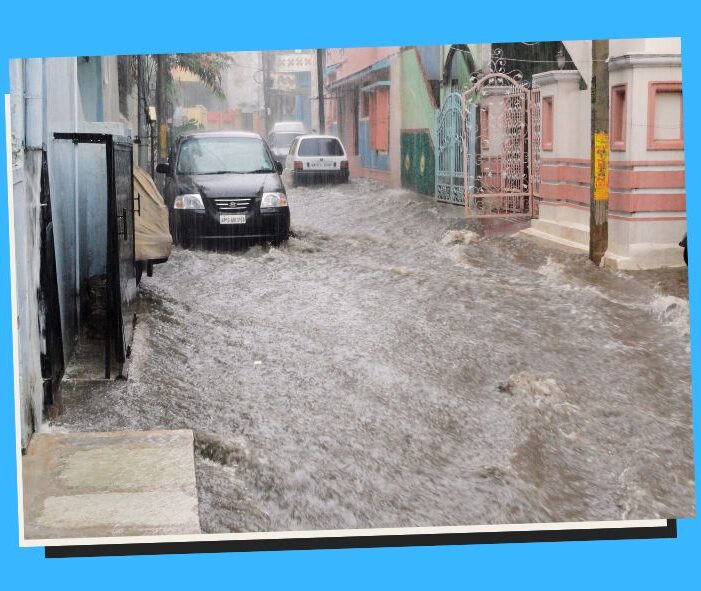
Marikina’s Blueprint for Disaster-Ready Cities in the Philippines
Learn how Marikina built a world-class disaster response model through planning, technology, and community action.
🌧️ How Marikina Built a Disaster-Resilient City: Guide to Flood Preparedness and Community Safety 🛠️🏞️
Marikina City, nestled along the Marikina River in Metro Manila, has long been vulnerable to flooding and natural disasters. However, through strategic planning, community engagement, and innovative infrastructure, Marikina has transformed into a model of disaster resilience. This guide explores the city’s comprehensive approach to disaster risk reduction and offers insights for other communities aiming to enhance their resilience.
🧠 Understanding Disaster Resilience
Disaster resilience refers to a community’s ability to anticipate, prepare for, respond to, and recover from adverse events. In Marikina, this involves a multi-faceted strategy encompassing infrastructure development, community participation, and effective governance.
🛠️ Marikina’s Disaster Resilience Strategy: Step-by-Step
1. Establishing a Dedicated Disaster Risk Reduction and Management Office (DRRMO) 🏢
Marikina institutionalized its DRRMO to coordinate disaster preparedness, response, and recovery efforts. This office plays a pivotal role in planning, training, and mobilizing resources during emergencies. Manila Bulletin
2. Implementing Comprehensive Flood Control Measures 🌊
Given its history of severe flooding, Marikina invested in flood control infrastructure, including:
- River Dredging and Widening: To increase the river’s capacity and prevent overflow.
- Installation of Concrete Pipes: Enhancing drainage systems to facilitate faster water flow during heavy rains. Manila Bulletin
3. Developing Early Warning Systems and Hazard Mapping ⚠️🗺️
The city utilizes historical data and technology to create hazard maps, identifying high-risk areas and informing residents. Early warning systems disseminate timely alerts via SMS and public announcements.
4. Promoting Community Engagement and Education 🧑🤝🧑📚
Marikina emphasizes the importance of citizen participation in disaster preparedness through:
- Regular Drills and Training: Conducting community-based disaster response exercises.
- Educational Campaigns: Raising awareness about disaster risks and safety measures.
5. Integrating Disaster Risk Reduction in Schools 🎒🏫
Public schools in Marikina have implemented Disaster Risk Reduction and Management Plans, focusing on:
- Teacher Training: Equipping educators with knowledge on disaster preparedness.
- Infrastructure Assessment: Evaluating and reinforcing school buildings to withstand disasters.
6. Fostering Public-Private Partnerships 🤝🏢
Collaborations with private entities, such as SM City Marikina, have led to the development of disaster-resilient infrastructure, ensuring business continuity and public safety during calamities.
7. Utilizing Data for Informed Decision-Making 📊
The city analyzes historical flood data to predict potential risks and plan accordingly, enhancing the effectiveness of its disaster response strategies. Philippine Journal of Science
8. Implementing Environmental Management Practices 🌳
Marikina integrates environmental conservation into its disaster resilience strategy by:
- River Rehabilitation: Restoring natural waterways to improve flood management.
- Solid Waste Management: Preventing clogging of drainage systems through proper waste disposal.
9. Establishing Clear Communication Channels 📢
Effective communication between the local government and residents ensures timely dissemination of information during emergencies, fostering trust and cooperation.
10. Continuous Evaluation and Improvement 🔄
Marikina regularly assesses its disaster resilience strategies, incorporating lessons learned from past events to enhance future preparedness and response.
🌟 Benefits of Marikina’s Disaster Resilience Strategy
- Reduced Flood Impact: Enhanced infrastructure minimizes flood-related damages.
- Increased Public Safety: Early warning systems and education programs protect lives.
- Community Empowerment: Active citizen participation strengthens communal bonds and resilience.
- Economic Stability: Business continuity plans and resilient infrastructure safeguard the local economy.
- Educational Continuity: Disaster-ready schools ensure minimal disruption to learning.
- Environmental Preservation: Sustainable practices contribute to long-term ecological balance.
- Improved Governance: Transparent and responsive leadership builds public trust.
- Data-Driven Planning: Informed decisions lead to effective disaster management.
- Enhanced Infrastructure: Robust systems withstand natural calamities, reducing repair costs.
- Model for Other Cities: Marikina serves as a benchmark for disaster resilience in urban settings.
✅ Pros of Marikina’s Disaster Resilience Strategy
- Early Warning Systems 🛎️
- Advanced flood monitoring and alarm systems alert residents in real time.
- Clear Evacuation Protocols 🧭
- Well-rehearsed procedures ensure swift evacuations with minimal confusion.
- Community Participation 🧍♂️🧍♀️
- Local barangays train citizens to take an active role in disaster response.
- Integrated Rescue Operations 🚑
- Police, fire, and health services coordinate seamlessly through a central command center.
- Accessible Evacuation Centers 🏢
- Multiple, well-equipped centers near high-risk zones reduce travel time for evacuees.
- Rescue Boats and Amphibious Vehicles 🚤
- The city maintains a fleet ready for swift water rescues during floods.
- Real-Time River Monitoring 🌊
- The city government provides up-to-the-minute updates on river water levels via SMS and social media.
- Infrastructure Investment 🏗️
- Elevated walkways, flood walls, and dredging projects help reduce flooding risk.
- Post-Disaster Support 💼
- Quick-response recovery services include medical aid, food distribution, and financial support.
- Multi-sector Collaboration 🤝
- The LGU partners with schools, NGOs, and the private sector for drills and donations.
⚠️ Cons and Challenges in Marikina’s Resilience Plan
- Budget Constraints 💸
- Funding high-tech equipment and maintaining infrastructure strains the city budget.
- Aging Infrastructure 🧱
- Some dikes and pumping stations require constant upgrades and repairs.
- Limited Vertical Space for Evacuees 🧍♀️⬆️
- Evacuation centers can become overcrowded during major disasters.
- Informal Settlements in High-Risk Areas 🏚️
- Some communities live too close to riverbanks despite relocation efforts.
- Climate Change Uncertainty 🌪️
- More intense and unpredictable weather patterns challenge even the best-prepared cities.
- Dependency on Volunteers 🧑🚒
- Sustaining volunteer enthusiasm during long periods of inactivity can be difficult.
- Drainage System Limitations 🌧️
- Heavy rainfall can still overwhelm city drainage, especially during back-to-back typhoons.
- Coordination Delays in Major Crises 🕓
- During extreme events, communication among multiple departments can lag.
- Maintenance Costs 🧰
- Keeping flood monitoring systems and amphibious vehicles operational requires constant investment.
- Public Complacency Over Time 😴
- When disasters are rare, some citizens let their guard down and ignore drills or warnings.
📚 Case Studies of Marikina’s Disaster Preparedness in Action
- Typhoon Ondoy (2009) Response
- Although the city suffered greatly, it became a turning point for reforming Marikina’s DRRM strategy.
- Marikina River Alert Level System
- Developed after Ondoy, it features color-coded warning levels and is activated in real-time during storms.
- 2020 Typhoon Ulysses Evacuation Success
- Over 10,000 residents were evacuated before peak flooding, minimizing casualties.
- Barangay-Based Emergency Response Teams (BERTs)
- Each barangay has trained personnel for first aid, rescue, and communications.
- Smartphone Alerts and Real-Time Social Media Updates
- Marikina’s Facebook page becomes a central source of truth during typhoons.
- Annual Disaster Preparedness Drills 🚨
- City-wide drills involving schools, hospitals, and households boost readiness.
- Post-Typhoon Housing Support Programs 🏠
- The city facilitates emergency shelters and helps displaced families with transitional housing.
- Flood Control Master Plan
- Includes continuous river dredging and the installation of water pumps to manage river overflow.
- Marikina Rescue 161 Hotline
- Residents can call 161 for immediate assistance, speeding up response during floods.
- Partnership with PAGASA & DOST
- Real-time data sharing enhances predictive capacity and decision-making.
🧠 Key Takeaways from Marikina’s Strategy
- Disaster planning must be continuous, not reactive. ⏳
- The best time to prepare for the next flood is when skies are clear.
- Local governments must lead by example. 🧑✈️
- Mayors and LGU officials must demonstrate hands-on leadership during disasters.
- Education saves lives. 📘
- Regular public information campaigns and drills keep citizens alert and informed.
- Tech alone isn’t enough—people matter. 👥
- The city’s success hinges on empowered barangay leaders and community volunteers.
- Flooding can’t be fully prevented—but damage can be minimized. 🌊
- Marikina’s strategy focuses on managing risks, not eliminating them.
- Speed is everything during disasters. ⚡
- From river alerts to boat deployment, quick decisions save lives.
- Transparency builds trust. 🪟
- Citizens trust the system because warnings and actions are timely and visible.
- Recovery is as important as rescue. 🩺
- Aid, food packs, and shelter post-disaster help affected families rebuild faster.
- Integration across sectors is essential. 🔗
- LGUs, barangays, NGOs, and schools must coordinate to form a complete resilience chain.
- Every citizen plays a role. 🙋
- From reporting clogged drains to joining drills, everyone contributes to the city’s readiness.
❓ FAQs About Marikina’s Disaster Resilience Plan
1. Why is Marikina prone to flooding?
The Marikina River basin is low-lying and collects runoff from upland areas, making the city vulnerable to overflows during heavy rainfall.
2. What is the Marikina River Alert System?
A color-coded alert mechanism that tracks water levels and advises evacuation when levels reach critical stages.
3. How do citizens receive alerts?
Through SMS, public announcements, radio, and social media updates—especially Facebook.
4. Are evacuation centers always open?
No, but they are regularly maintained and activated as soon as a warning level is triggered.
5. How many people can Marikina evacuate at once?
The city has facilities and plans to relocate thousands of residents within a few hours.
6. What makes Marikina’s response unique?
Its integration of technology, local knowledge, trained volunteers, and real-time communication.
7. What role do schools play?
They are used as evacuation centers and participate in annual preparedness drills.
8. How does the city help after disasters?
With emergency relief distribution, financial aid, temporary housing, and mental health support.
9. Can other cities replicate Marikina’s model?
Yes, especially cities facing similar flood risks. It requires planning, funding, and community buy-in.
10. What’s next for Marikina?
Plans include enhancing urban greening, building rainwater harvesting systems, and expanding digital infrastructure.
🌟 Conclusion: The Resilience Blueprint for the Future
Marikina’s disaster resilience strategy shows us that preparedness is a mindset, not just a checklist. With early warning systems, empowered communities, and government commitment, even flood-prone areas can turn their vulnerabilities into strengths. 🌊🛡️
Cities across the Philippines—and the world—can draw inspiration from Marikina’s proactive stance. It proves that when technology, people, and purpose unite, resilience is not just possible—it’s inevitable. 💪🏽🇵🇭
✅ Link Resources
- Marikina City Government – DRRM Office
- Philippine Institute of Volcanology and Seismology (PHIVOLCS)
- Department of the Interior and Local Government – DRRM Resources
- Office of Civil Defense – National Disaster Risk Reduction and Management Council (NDRRMC)
- UNDRR: Marikina’s Role in Urban Resilience
✅ Key Phrases
- Marikina disaster preparedness
- Flood control infrastructure
- Early warning systems
- Community-based DRRM
- Marikina resilience strategy
- Urban disaster risk management
- Climate-resilient city
- Emergency response planning
- Philippine DRRM success stories
- Resilient urban development
✅ Best Hashtags
- #DisasterResiliencePH
- #MarikinaModel
- #ResilientCities
- #ClimateAdaptation
- #UrbanResilience
- #SafeCities
- #DRRM2025
- #FloodPrevention
- #DisasterReadyPH
- #MarikinaStrong

Oliver Bugarin – A blog writer with over a decade of experience in WordPress website creation and management, and creating articles on lifestyle, travel, technology, business, finance, and wellness. He is known for producing clear, engaging articles that resonate with readers and add value to any blog or website.
Contact him for collaborations or content writing opportunities. Facebook – LinkedIn
.
Save/Share this story with QR CODE
Disclaimer
This article is for informational purposes only and does not constitute endorsement of any specific technologies or methodologies and financial advice or endorsement of any specific products or services.
Contact Lead Media News
📩 Feel free to Contact Lead Media News for suggestions, collaborations, reviews, or anything else.





