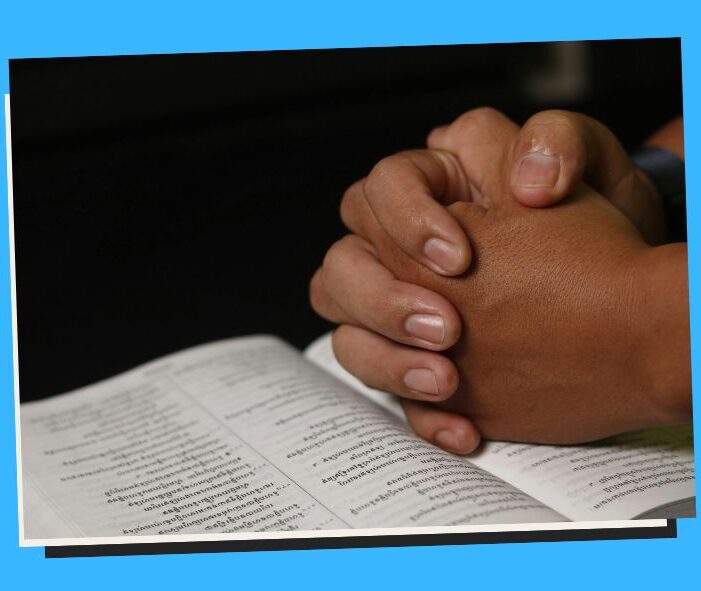
Black Saturday in the Philippines: A Day of Stillness and Expectation
Black Saturday may be quiet, but in the Philippines, it’s filled with sacred meaning. Discover how Filipinos observe this solemn day.
🖤 How to Meaningfully Observe Black Saturday in the Philippines: A Day of Hope, Quiet, and Preparation 🌅
Black Saturday, also known as Holy Saturday, marks a unique moment in the Christian calendar, a pause between sorrow and celebration. In the Philippines, this day is often overlooked in the shadow of Good Friday and Easter Sunday, yet it holds deep spiritual and cultural importance. It is a day of silence, reflection, and preparation, rich with symbolism and tradition.
In this guide, we’ll explore how to observe Black Saturday in the Philippines meaningfully, whether you’re a devout Catholic, a spiritual seeker, or a curious visitor. Let’s dive into its significance, customs, and how you can embrace the stillness while preparing for the joy of Easter. 🕊️
📖 What is Black Saturday?
Black Saturday commemorates the day Jesus Christ lay in the tomb after his crucifixion. It is the final day of Holy Week, falling between Good Friday and Easter Sunday. Traditionally, it is a day of mourning and waiting. While Jesus’ followers grieved his death, they also waited with quiet anticipation for the promise of resurrection.
In the Philippines, Black Saturday is a quiet day. The bells are silent, altars remain bare, and the church is somber. But by evening, signs of joy start to return with the Easter Vigil, signaling hope on the horizon.
🧘♂️ How to Observe Black Saturday in the Philippines: A Step-by-Step Guide
1. 🕯️ Start the Day in Stillness
Begin your Black Saturday with intentional silence. Many Filipinos use the morning for prayer, journaling, or simply sitting in peace. Avoid distractions like social media or loud music.
Pro tip: Create a quiet corner in your home with a candle, Bible, or religious icons. Let it be your sanctuary for the day.
2. 🛐 Reflect on Christ’s Sacrifice
This is the perfect time to meditate on the crucifixion and burial of Jesus, focusing on themes of sacrifice, grief, and hope. Read scripture passages such as Matthew 27:57–66 or Luke 23:50–56 to guide your reflection.
Suggestion: Read slowly, pause often, and reflect on how these moments mirror struggles in your own life.
3. ✍️ Journal or Write Letters
Writing can be a therapeutic way to process emotions. You might journal about grief, forgiveness, or rebirth. Some also write letters to God, or to loved ones they’ve lost, as a symbolic act of healing and hope.
Prompt idea: “What am I willing to lay down in my life to make room for new life?”
4. 🧼 Clean Your Home (Traditionally and Spiritually)
In many Filipino homes, Black Saturday is a day for house cleaning, a symbol of preparing the heart and home for Easter. Decluttering your space can feel like a fresh start.
Bonus idea: While cleaning, play instrumental hymns or reflective music to keep the mood sacred and meditative.
5. 🔇 Avoid Excess Entertainment
It’s tempting to treat Holy Saturday as just another day to relax with Netflix, but try instead to preserve the sacred silence. Reserve fun and feasting for Easter Sunday.
Replace screen time with:
- Reading inspirational books 📚
- Drawing or painting 🎨
- Spending quiet time in nature 🌿
6. 🔥 Participate in the Easter Vigil (Simbang Pagkabuhay)
At sunset, many churches hold the Easter Vigil Mass, also known locally as Simbang Pagkabuhay. This is a powerful celebration of Christ’s resurrection, beginning in darkness and ending in glorious light and music.
Elements of the Vigil:
- Blessing of the fire 🔥
- Lighting of the Paschal candle 🕯️
- Readings from both Old and New Testaments 📖
- Renewal of baptismal vows 💧
- The first joyful “Alleluia” since Lent 🎶
Where: Most Catholic churches across the Philippines
When: Usually between 8 PM – 11 PM on Black Saturday night
7. 🥚 Prepare for Easter Traditions
In many Filipino families, Black Saturday evening is used to prepare for Easter celebrations. This could include decorating the home, prepping food, or organizing Salubong activities.
You might:
- Boil and decorate Easter eggs 🥚
- Bake bibingka or puto for Sunday breakfast 🍰
- Plan your Salubong outfit 👗👔
8. 📿 Pray the Rosary of Our Lady of Sorrows
Devotion to Our Lady of Sorrows, who mourned Jesus’ death, is often practiced on Black Saturday. The Rosary of Sorrows reflects on Mary’s grief and connects us to the emotional side of the Passion.
Why it matters: This devotion honors the strength of mothers and teaches us how to grieve with grace and faith. 💔
9. 🕊️ Practice Letting Go
Holy Saturday is the perfect time to release burdens. Whether it’s guilt, regret, toxic relationships, or unhealthy habits, use this day as a symbolic burial of the things that no longer serve you.
Try this: Write down what you want to let go of on a piece of paper, then burn or bury it safely as a gesture of release. 🔥✉️
10. 👫 Connect with Family in Prayer
End the day by gathering with family or loved ones for a moment of prayer or reflection. Share what Holy Week has meant to each of you and express hopes for Easter and beyond.
Consider sharing:
- A personal testimony ✨
- A prayer for each other 🙏
- A candlelit moment of silence together 🕯️
🌟 Benefits of Observing Black Saturday Mindfully
- Spiritual Renewal – Time to reset, recharge, and prepare for rebirth. 🌱
- Emotional Healing – A safe space to grieve, process pain, and let go. 💧
- Mindfulness Practice – Encourages presence and awareness. 🧘♀️
- Cultural Connection – Honors Filipino traditions and faith identity. 🇵🇭
- Mental Detox – A break from social media, stress, and noise. 📵
- Bonding with Family – Shared silence deepens emotional closeness. 👨👩👧👦
- Simplicity and Gratitude – Teaches contentment in quiet moments. ✨
- Preparation for Joy – Heightens appreciation for the Easter celebration. 🥳
- Strengthens Faith – Reinforces trust in God’s promises through waiting. ⛪
- Symbolic Fresh Start – Like a New Year, but with deeper roots. 🌄
📅 What Happens After Black Saturday?
Once midnight strikes and Black Saturday transitions into Easter Sunday, the mood dramatically shifts from mourning to celebration. Some Filipinos attend the Salubong, a dramatic pre-dawn reenactment of the meeting of the Risen Christ and the Virgin Mary. It is joyful, musical, and full of light, symbolizing hope restored.
Typical Easter Sunday Traditions in the Philippines:
- Salubong processions at dawn 🌅
- Attending Easter Mass 🎉
- Family brunches and reunions 🍽️
- Egg hunts and games for kids 🥚🐣
🧳 Tips for Travelers in the Philippines During Black Saturday
- Don’t expect parties – It’s still a day of mourning, so public places remain quiet.
- Dress respectfully – Simple and modest clothing is encouraged, especially for church.
- Join the Vigil – If you’re in the country, find a local parish to attend the Easter Vigil. It’s a beautiful cultural and spiritual experience.
- Avoid loud tourist activities – Resorts may remain subdued until Easter Sunday morning.
✅ Pros and ❌ Cons of Black Saturday in the Philippines
✅ Pros:
- Spiritual Reset 🧘♂️
A quiet day, perfect for introspection and spiritual preparation before Easter. - Cultural Continuity 📜
Keeps centuries-old Catholic traditions alive and relevant in modern times. - Family-Centric Observances 🏠
Families often stay home together in peaceful anticipation of the Easter vigil. - Community Bonding ⛪
Parishes hold nighttime vigils that bring people together in reflection and prayer. - Environmental Rest 🌿
With fewer vehicles and public gatherings, pollution drops noticeably. - Safe Space for Silence 🤫
Amid modern noise, Black Saturday offers a rare, intentional silence. - Return of Water Activities (Traditionally Restricted) 💧
Some families celebrate the end of Good Friday, mourning with outings or water rituals. - Traditional Practices Thrive 🔥
The Paschal Vigil is one of the most dramatic and symbolic liturgical celebrations. - Economic Activity Slowly Resumes 🛍️
Some shops reopen, helping balance spiritual and economic needs. - Mental Detox 🧠
A full day without distractions can mentally recharge people before Easter.
❌ Cons:
- Ambiguity of Purpose 🤷♀️
Many are unsure how exactly to observe the day of prayer. Rest? Party? - Spiritual Fatigue 😴
After intense Good Friday rituals, some feel emotionally drained. - Rise of Commercial Distractions 📺
Malls and entertainment start resuming, distracting from spiritual observance. - Low Youth Engagement 👩🎓
Younger generations may not feel the same spiritual connection to the day. - Underappreciated Symbolism 🔍
Compared to Maundy Thursday or Good Friday, Black Saturday is often overlooked. - Water Activity Misinterpretation 🏊
Some treat it like a holiday beach day, losing its reflective nature. - Logistical Confusion 🚧
Some businesses reopen, others don’t, creating inconsistencies in planning. - Reduced Church Attendance (Daytime) 🕍
Most only attend evening vigils, leading to low participation earlier in the day. - Urban Noise Returns 🔊
Quiet is broken early by businesses reopening or neighbors starting celebrations. - Tradition vs. Modernity Clash ⚔️
A growing divide exists between those who treat it as a holy day and those who see it as a pre-Easter Saturday.
📚 Real-Life Case Studies: Black Saturday in Practice
- Taguig, Metro Manila – The Easter Vigil
The St. Anne Parish holds a powerful Easter Vigil. The church begins in darkness and lights up gradually, symbolizing Christ’s resurrection. - Cebu City – Family Reflections
Families in Cebu traditionally spend Black Saturday cleaning the house and altar, preparing spiritually and physically for Easter. - San Fernando, Pampanga – Devotee Recovery
Penitents who joined crucifixions or self-flagellations on Good Friday take Black Saturday to rest and reflect. - Lucena, Quezon – The “No Water” Rule
Older folks still follow the no-bathing tradition until Black Saturday ends, believing spirits linger until Christ rises. - Online Retreats (Post-Pandemic Shift)
Retreat centers like the Jesuit Communication Center offer online retreats, guiding Filipinos through a digital spiritual journey. - Baguio – Quiet Mountain Retreats
Residents and tourists use the day for personal silence, meditating in nature amid the cool highlands. - Antipolo – Early Alay Lakad Finishers
Pilgrims who completed their trek to Antipolo take the day to recover and attend the evening mass. - Ilocos Sur – Bonfire Traditions
In some towns, people gather around bonfires in the evening, echoing the Paschal fire’s lighting. - Pasig City – Church Volunteer Surge
Volunteers prepare flowers, candles, and church spaces before the big Easter celebration. - Boracay – Spiritual Meets Leisure
Tourists mix leisure and reflection, attending beachside Black Saturday services or sunset prayers.
💡 Key Takeaways from Black Saturday
- Black Saturday bridges death and resurrection.
It is a sacred transition, not just a gap day. - Stillness has spiritual power.
It invites inner silence and peace before celebration. - Traditions are evolving.
Modern interpretations now include digital and hybrid rituals. - Night is key.
The Holy Saturday evening vigil is one of the most powerful Catholic liturgies. - It’s not yet a party day.
Despite malls reopening, the Church urges continued solemnity. - It’s a day of waiting.
Just as Jesus’ followers waited, so do today’s believers. - Community preparation builds anticipation.
From candles to choirs, Black Saturday sets the stage for Easter. - You don’t need to ‘do’ anything grand.
Simple prayers or silence at home are deeply meaningful. - Balance is key.
Respect tradition while acknowledging the world’s changes. - It reflects the human experience.
Waiting, sorrow, hope, and rebirth, Black Saturday holds all these in quiet tension.
❓ Frequently Asked Questions (FAQs)
1. What is Black Saturday?
Black Saturday is the day Jesus lay in the tomb. It’s a time of mourning, reflection, and waiting for His resurrection.
2. Is there Mass on Black Saturday morning?
Traditionally, no Mass is held during the day. The Church waits until the Easter Vigil in the evening.
3. Why is it called “Black” Saturday?
“Black” represents mourning and sorrow, as Christ is still in the tomb.
4. Can you bathe or swim on Black Saturday?
Old beliefs discourage swimming until Easter, though many now disregard this. The Church has no rule against bathing.
5. Do businesses open on Black Saturday?
Some reopen partially, especially in urban areas, while others wait until Easter Sunday.
6. Is it okay to play music or watch TV?
The Church recommends solemnity, but personal discretion applies; avoid parties or loud celebrations.
7. What is the Easter Vigil?
It’s a Saturday night Mass that celebrates Jesus’s resurrection, with rituals such as candle-lighting, readings, and baptism rites.
8. Can children participate in Holy Saturday traditions?
Yes, especially in the Easter Vigil where they can witness the lighting of the Paschal Candle and other symbolic acts.
9. Is Black Saturday a public holiday?
Yes, it is considered part of the Holy Week observance in the Philippines.
10. What are the common activities on Black Saturday?
Prayer, resting, church preparation, candle-lighting, altar cleaning, or simply waiting in silence for Easter.
🌅 Conclusion: The Beauty in the Pause
Black Saturday might not have the drama of the crucifixion or the joy of the resurrection, but that’s precisely its power. It lives in the pause, the silence, the in-between. It’s a mirror of life’s waiting periods, those times when we feel stuck, quiet, and uncertain.
But just like Easter follows it, so too does hope come after every silence. 🌄
So, whether you spend Black Saturday in a chapel, in nature, or in the quiet of your home, remember: it is a day that speaks, not loudly, but deeply.
Have a Holy and Meaningful Black Saturday! 🖤✨
Feel free to share this guide with friends or family members preparing for Holy Week in the Philippines!
🔗 Resource Links
- CBCP Online: Holy Week Resources
- National Commission for Culture and the Arts (NCCA)
- Wikipedia: Holy Week in the Philippines
- The Catholic Bishops’ Conference of the Philippines (CBCP)
- YouTube: Filipino Holy Week Documentaries
🔑 Key Phrases
- Black Saturday traditions
- Holy Saturday reflection
- Filipino Holy Week customs
- Easter Vigil preparations
- Silent Saturday meaning
- Liturgy of the Light
- Waiting for resurrection
- Catholic Holy Week observance
- Day of silence and hope
- Black Saturday Philippines practices
🔥 Best Hashtags
- #BlackSaturday
- #HolySaturdayPH
- #SilentSaturday
- #FaithInWaiting
- #FilipinoFaith
- #HolyWeek2025
- #EasterVigil
- #PinoyTradition
- #LentenReflection
- #CatholicTraditions

Oliver Bugarin – A blog writer with over a decade of experience in WordPress website creation and management, and creating articles on lifestyle, travel, technology, business, finance, and wellness. He is known for producing clear, engaging articles that resonate with readers and add value to any blog or website.
Contact him for collaborations or content writing opportunities. Facebook – LinkedIn
.
Save/Share this story with QR CODE
Disclaimer
This article is for informational purposes only and does not constitute endorsement of any specific technologies or methodologies and financial advice or endorsement of any specific products or services.
Contact Lead Media News
📩 Feel free to Contact Lead Media News for suggestions, collaborations, reviews, or anything else.





