The Micro-GCC Surge: How Specialized Hubs Are Driving the PH Outsourcing Market to $55B
Industry leaders at the GCC Forum 2026 reveal how small, agile “micro-GCCs” are disrupting traditional large-scale BPO models through AI integration.
PRESS RELEASE
PH outsourcing sees ‘micro-GCCs’ surge to drive $55B market projection
Manila, Philippines — The landscape of the Philippine global services sector is undergoing a fundamental shift, moving away from massive cost-saving hubs toward specialized, high-impact “nano and micro-GCCs” (Global Capability Centers).
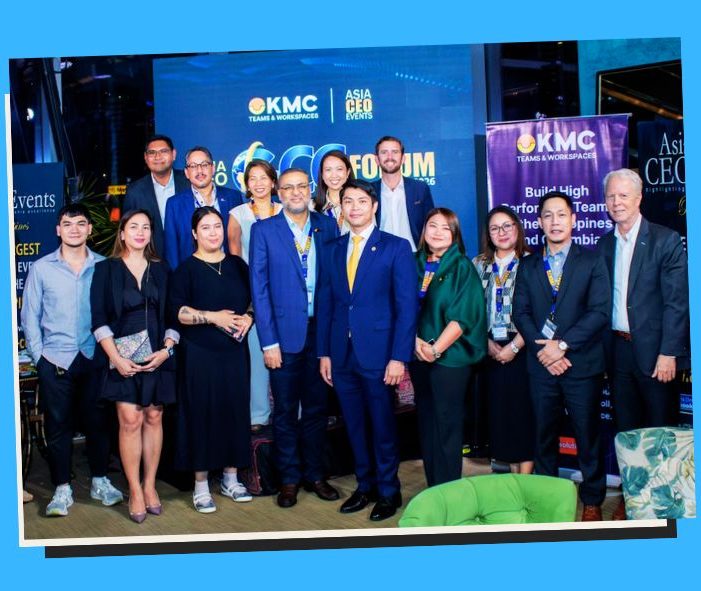
Industry leaders at the GCC Forum 2026, co-hosted by KMC Solutions and Asia CEO, revealed that the traditional model of large-scale operational centers is being disrupted by rapid AI integration and a growing demand for enterprise-grade technical value over traditional backend support.
The shift comes at a period of rapid growth for the sector. The country’s GCC market, valued at USD 35.12 billion in 2025, is forecast to reach USD 55.59 billion by 2030, representing a steady 9.62% CAGR. This momentum is fueled by multinational corporations seeking to hedge against geopolitical risks and capitalize on the country’s English-proficient talent. Further bolstering investor confidence is the CREATE MORE Act, signed in November 2024, which has streamlined compliance and lowered corporate taxes, making the Philippines a primary destination for diversified service delivery.
For the Philippines to capture this high-value market, Department of Finance (DOF) Undersecretary Michael Alejandro emphasized that macroeconomic fundamentals must be backed by a secure operational environment for foreign capital for more confident business and talent expansion.
“The Philippines is creating a business environment where investors can move with greater confidence, supported by stronger market access, improved tax systems, and government reforms that make doing business easier and more predictable,” Alejandro said.
GCCs, which refer to specialized units that support an organization’s global operations through technology, talent, and innovation, have been a fundamental pillar of the Philippine economy for decades. While the country’s reputation was initially built on the call center and BPO boom, the model has since evolved far beyond basic back-office support. Today, these centers have emerged as the primary engines for companies’ digital transformation and strategic research.
While the country has long been a powerhouse for large-scale outsourcing, the forum highlighted a trend toward smaller, more agile units. These “micro-GCCs” allow global organizations to build focused teams that prioritize critical thinking and innovation rather than routine task execution.
“The emergence of nano and micro-GCCs reflects a growing ability for organizations to build high-impact teams without the need for large-scale operations,” said Parikshat Nagpal, Chief Executive Officer, KMC Teams, during the forum’s opening. “It signals a broader adoption of GCCs as a strategic tool, not just an operational one.”
This evolution is being propelled by a fundamental shift in how global firms integrate technology and talent. The rapid adoption of AI is automating routine functions, effectively moving the baseline for talent requirements toward roles that can navigate high-level complexity and spearhead digital transformation. As these roles become more sophisticated, the traditional reliance on headcount and Service Level Agreements (SLAs) is giving way to outcome-based metrics that prioritize a team’s contribution to global decision-making.
Consequently, this transition is fostering a culture of distributed ownership. Local leadership in the Philippines is increasingly empowered to move beyond mere execution, taking on the decision-making responsibilities necessary to drive genuine enterprise innovation.
Panels moderated by Carelon Global Solutions Chief Country Executive Nicki Agcaoili and RELX Reed Elsevier Managing Director Mark Lwin further explored the necessity of intentional design. Industry experts argued that for GCCs to succeed, they must be built around complete workflows rather than fragmented tasks, ensuring local teams have the full context needed to deliver enterprise value.
Tracy Ignacio, COO of KMC Solutions, noted that high performance is a result of disciplined execution and long-term commitment to both infrastructure and people. “Building high-performing GCCs requires more than a clear vision,” Ignacio stated. “It requires alignment across functions and a commitment to ensuring teams are prepared for strategic responsibilities.”
As global headquarters lean more heavily on their Philippine hubs for complex work, the relationship is evolving from a vendor-client dynamic into a deep-seated partnership. This shift positions the Philippines not just as a support center, but as a strategic architect of global business operations in a post-AI economy.
For more information about the GCC Forum 2026, you may visit KMC Solutions’ Facebook page.
###
About KMC Solutions
KMC Solutions is a premier business services company that connects top Filipino talent with the world’s fastest-growing businesses through Human-First, Full-Stack Employer of Record (EOR) services. As one of the largest flexible office space providers in the Philippines, KMC delivers premium, thoughtfully designed workspaces located in key business districts to foster productivity, innovation, and growth. With a deep commitment to nurturing startups and emerging businesses through the provision of innovative services and events, KMC Solutions has been instrumental in supporting the growth of the startup ecosystem in the country.
10 Benefits of the Micro-GCC Model
| Benefit | Strategic Impact |
| High-Value Output | Shifts focus from routine tasks to strategic research and digital transformation. |
| Agile Operations | Smaller, nimble teams scale and pivot faster in response to market changes. |
| Outcome-Based Metrics | Evaluates teams based on actual business growth rather than simple headcount. |
| Distributed Ownership | Empowers local Filipino leadership to make critical executive decisions. |
| Streamlined Compliance | Accelerated by fiscal incentives from the landmark CREATE MORE Act. |
| Geopolitical Hedging | Provides multinationals with a safe, stable hub to diversify service delivery. |
| Complete Workflows | Teams handle entire projects, providing the full context needed for genuine innovation. |
| AI Integration Integration | Leverages AI tools to automate back-end tasks, upgrading talent responsibilities. |
| Cost Predictability | Premium shared infrastructure reduces the overhead of massive corporate real estate. |
| Talent Retention | High-level technical roles attract and retain top-tier, enterprise-grade professionals. |
Insights: What the GCC Shift Means for the Industry
- The Death of the “BPO” Label: The Philippines is successfully rebranding from a cheap call center haven into a sophisticated global tech hub.
- AI as a Talent Elevator: AI isn’t replacing the local workforce; it is forcing a massive upskilling trend toward critical thinking and complexity.
- The Premium Office Evolution: Flexible workspaces (like KMC Solutions) must evolve to support hyper-secure, high-tech micro-environments.
- Legislative Wins Matter: The positive ripple effects of the 2024 CREATE MORE Act are now actively driving multi-billion dollar forecasts for 2030.
- End-to-End Responsibility: Fragmented tasks are inefficient; foreign headquarters are now handing over full ownership of entire technical divisions.
- Hyper-Specialization Over Scale: Companies would rather hire 20 elite data architects in Manila than 500 basic support agents.
- Macro Stability Breeds Capital: Predictable tax and legal systems are proving just as important to investors as language proficiency.
- Human-First Infrastructure: Employee productivity is tied directly to workplace wellness, forcing a design shift in corporate offices.
- Distributed Innovation: The next major software patch or corporate strategy for Fortune 500s will likely be designed, not just executed, in Manila.
- The Sunset of the SLA: Traditional operational tick-boxes are being replaced by metrics tracking actual contribution to global revenue.
Conclusion
The findings from the GCC Forum 2026 present a clear picture of an industry in maturity. By embracing the micro-GCC model, the Philippines is proving that its tech ecosystem is ready to handle the heavy lifting of a post-AI economy. Bolstered by government reforms and world-class talent, the nation is well on its way to hitting its projected $55.59 billion valuation—transforming neighborhood talent into global tech architects.
Link Resources
- KMC Solutions Official Website
- KMC Solutions Official Facebook Page
- Asia CEO Forum Insights
- Department of Finance (DOF) Philippines
- Carelon Global Solutions Philippines
Key Phrases
- Micro-GCC market growth Philippines 2026
- KMC Solutions Global Capability Centers forum
- CREATE MORE Act impact on outsourcing
- Outsourcing industry market projection 2030
- Nano and micro GCC model benefits
- AI integration in Philippine BPO sector
- Distributed ownership in corporate outsourcing
- Tracy Ignacio KMC Solutions COO
- Outcome-based metrics in global business services
- Enterprise-grade tech talent Manila
Best Hashtags
#GCCForum2026 #MicroGCC #KMCSolutions #PHOutsourcing #TechHubPhilippines #DigitalTransformation #CREATEMOREAct #GlobalCapabilityCenters #FintechPH #ManilaBusiness

Oliver Bugarin – A blog writer with over a decade of experience in WordPress website creation and management, and creating articles on lifestyle, travel, technology, business, finance, and wellness. He is known for producing clear, engaging articles that resonate with readers and add value to any blog or website.
Contact him for collaborations or content writing opportunities. Facebook – LinkedIn
.
Save/Share this story with QR CODE
Disclaimer
This article is for informational purposes only and does not constitute endorsement of any specific technologies or methodologies and financial advice or endorsement of any specific products or services.
Contact Lead Media News
📩 Feel free to Contact Lead Media News for suggestions, collaborations, reviews, or anything else.





