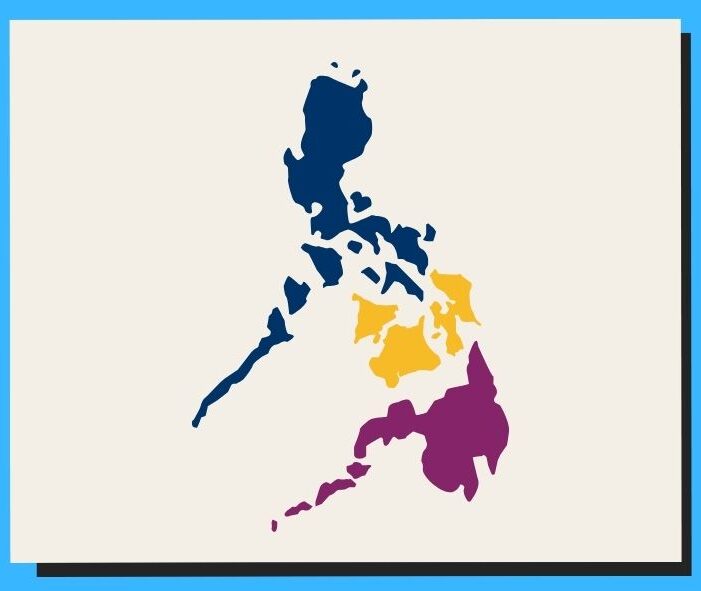
The Philippines’ Ancestral Land Defenders You Need to Know
Discover how Philippine Indigenous communities resist land grabbing and preserve their ancestral ties.
🇵🇭 Preserving Ancestral Lands: Stories of Resistance in the Philippines 🌴✊
The Philippines, a beautiful archipelago of over 7,000 islands, is home to hundreds of Indigenous communities, each with deep ancestral ties to their land. From the lush Cordillera mountains to the forests of Mindanao, these lands are sacred, not just for their natural riches but for their cultural and spiritual value.
But for decades, ancestral domains in the Philippines have been under siege. Logging, mining, mega-dams, militarization, and aggressive development continue to displace Indigenous Peoples (IPs) from their homelands. Despite this, countless heroes of resistance have risen from these communities, defending the land with courage, wisdom, and heart.
This blog dives into how to support the preservation of ancestral lands in the Philippines, complete with inspiring stories, practical steps, 10 key benefits, and helpful resources. Let’s honor these stewards of the earth and join their call for justice. 🌏🔥
🌱 Why Ancestral Lands Are Sacred in the Philippines
For Indigenous Filipinos like the Lumad, Aeta, Ifugao, Mangyan, and Igorot, land is life. It is:
- A source of food, medicine, and spiritual strength 🌾
- A living archive of language, rituals, and ancestral law 📜
- The link between past generations and future ones 🔗
When ancestral lands are threatened, entire cultures are endangered. Preserving these territories is key to safeguarding both biodiversity and cultural heritage.
🔧 How to Help Preserve Ancestral Lands in the Philippines
Here are 8 concrete actions you can take to support Indigenous land defense efforts in the Philippines, whether you’re local or part of the diaspora.
1. Know Whose Land You’re On 📍
Understanding your geography is step one.
How-to:
- Research the Indigenous groups connected to your province, city, or region.
- Use educational tools like the NCIP (National Commission on Indigenous Peoples) maps and the Philippine ICCAs (Indigenous Community Conserved Areas) database.
2. Support Legal Recognition of Ancestral Domains 📜
The Indigenous Peoples’ Rights Act (IPRA) of 1997 provides legal paths for ancestral land claims, but the process is long and underfunded.
How-to:
- Support NGOs that help Indigenous communities secure CADT’s (Certificates of Ancestral Domain Title)
- Donate to legal aid groups or IPRA advocacy campaigns
3. Amplify Indigenous Voices on Social Media 📲
Visibility is power.
How-to:
- Follow Indigenous activists and organizations (e.g., Katribu, Sandugo, Save Our Schools Network)
- Share their content and use hashtags like #DefendTheLumad or #LandBackPH
4. Resist Extractive Industries 🛑⛏️
Mining and logging projects continue to displace communities and damage ecosystems.
How-to:
- Oppose government-backed development projects that ignore Free, Prior, and Informed Consent (FPIC)
- Support environmental watchdogs like Kalikasan People’s Network for the Environment
5. Educate Yourself and Others 📚
Ignorance enables erasure.
How-to:
- Read works by Filipino Indigenous authors and historians
- Host teach-ins, webinars, or film viewings on ancestral land struggles
6. Visit Respectfully and Support Indigenous Ecotourism 🌄
When done ethically, tourism can fund preservation efforts.
How-to:
- Choose community-run tours in places like Sagada, Lake Sebu, and Mount Pulag
- Always follow local customs and ask permission when entering sacred grounds
7. Support the ‘Bakwit Schools’ Movement 🧒✊
These alternative schools for displaced Lumad children are both educational and political resistance.
How-to:
- Donate school supplies or funds
- Invite speakers to talk about the Lumad struggle at your institution or workplace
8. Advocate for Land Back and Reparations 🗣️
Land Back means returning stewardship to rightful Indigenous owners.
How-to:
- Petition for ancestral land claims to be fast-tracked
- Support reparative justice through local government and policy reforms
🎁 Benefits of Preserving Ancestral Lands in the Philippines
- Protects Endemic Species – Many ancestral lands are biodiversity hotspots 🐅🌺
- Fights Climate Change – Forests like the Sierra Madre act as carbon sinks 🌳
- Safeguards Water Systems – Ancestral territories often protect critical watersheds 🚰
- Preserves Cultural Identity – Land is tied to language, rituals, and stories 🎭
- Strengthens Food Security – Traditional farming and forest systems are sustainable 🌽
- Fosters Community Resilience – Indigenous governance promotes long-term stewardship 🛖
- Respects Human Rights – Upholds the legal and moral rights of Indigenous peoples ⚖️
- Empowers Youth – Land-based education reconnects young people with tradition 📖
- Promotes Peacebuilding – Restoring ancestral domains reduces conflict ⚔️➡️🤝
- Inspires Environmental Justice – Local struggles ripple into global change 🌎🔥
🚧 Real Barriers Indigenous Filipinos Face
| Obstacle | Impact | How to Help |
|---|---|---|
| Red-tagging & harassment | Criminalization of IP leaders | Call out state violence, support legal defense |
| Bureaucracy in land titling | Delays in CADT approval | Advocate for funding and reforms |
| Corporate intrusion | Land grabs and ecological destruction | Oppose anti-FPIC projects |
| Cultural loss due to displacement | Youth disconnect from roots | Support cultural preservation programs |
| Media misrepresentation | Lack of narrative control | Promote Indigenous-led journalism and stories |
🔥 Spotlight: Indigenous Youth Leading the Charge
Filipino Indigenous youth are fighting on the frontlines. From student leaders in bakwit schools to young artists sharing stories through murals and spoken word, they’re ensuring ancestral resistance remains alive.
Follow and support:
- Save Our Schools Network
- Talaingod Youth
- Lumad Bakwit School Pages on IG and FB
Their voices are fierce, fresh, and full of hope. 🎤🌈
📋 Quick Checklist: Be an Ally for Ancestral Land Defense
✅ Research the Indigenous groups in your area
✅ Support organizations helping with legal land recognition
✅ Resist mining and exploitative tourism
✅ Amplify Indigenous stories on social media
✅ Fund alternative education initiatives
✅ Vote for Indigenous and pro-IP candidates
✅ Join webinars or educational events
✅ Support eco-friendly, Indigenous-run tourism
✅ Advocate for land back in policy circles
✅ Celebrate Indigenous culture respectfully
✅ Pros of Preserving Ancestral Lands in the Philippines
- 🌱 Environmental Stewardship
Indigenous communities protect forests, watersheds, and biodiversity hotspots. - 🏞️ Cultural Preservation
Traditional customs, rituals, and languages are deeply rooted in the land. - 🛖 Sustainable Practices
Indigenous farming, hunting, and fishing methods promote environmental balance. - 💧 Water Security
Preserved ancestral domains maintain watersheds essential for agriculture and drinking supply. - ⚖️ Social Justice
Land recognition restores dignity and rights long denied due to colonial legacies. - 🎨 Living Heritage
Arts, crafts, music, and oral histories thrive in ancestral environments. - 🧬 Biodiversity Conservation
Ancestral lands are home to endangered species and rich ecosystems. - 📚 Traditional Knowledge
Local wisdom contributes to disaster risk reduction, herbal medicine, and natural resource management. - 🌄 Tourism Potential
Eco-cultural tourism driven by Indigenous communities provides sustainable income. - 🤝 Peace and Autonomy
Self-managed territories reduce internal conflict and foster harmonious community living.
⚠️ Cons / Challenges in Preserving Ancestral Lands
- 💰 Mining and Extractives
Large-scale mining projects encroach on Indigenous territories, causing environmental damage. - 🛣️ Infrastructure Projects
Roads, dams, and energy plants are often prioritized over community consultation. - 📜 Weak Enforcement of IPRA
The Indigenous Peoples’ Rights Act (1997) exists, but its implementation is inconsistent. - 🔫 Red-tagging and Militarization
Indigenous activists are sometimes labeled as insurgents, facing harassment or worse. - 🏢 Land Titling Delays
Securing a Certificate of Ancestral Domain Title (CADT) is bureaucratic and slow. - 🧭 Internal Division
Community divisions can arise when external investors influence local leaders. - 🧳 Urban Migration
Youth often move to cities, leading to a disconnect from ancestral practices. - 🧼 Cultural Commodification
Misrepresentation or exploitation of Indigenous culture in tourism and media. - ⚒️ Corporate Manipulation
Legal loopholes allow corporations to override Free, Prior, and Informed Consent (FPIC). - 🌊 Climate Change
Rising temperatures and extreme weather events are displacing Indigenous communities.
📍 Case Studies: Stories of Resistance in the Philippines
- Cordillera Peoples Alliance (Northern Luzon) 🏔️
United against the Chico River Dam project in the 1970s and now oppose large-scale mining and mega-dams in the region. - Talaingod Manobo (Davao del Norte) 🛖
Known for their evacuation (bakwit schools) to escape militarization, they continue to resist mining and logging. - T’boli and B’laan (South Cotabato) 💎
Oppose the Tampakan Copper-Gold Project, one of Southeast Asia’s largest mining operations. - Aetas (Zambales and Pampanga) ⛰️
Resisted displacement from ancestral lands after the Mount Pinatubo eruption and ongoing development pressures. - Tagbanua (Palawan) 🐠
It secured one of the first CADTs in the country and now protects marine territories from illegal fishing and tourism overreach. - Mangyan (Mindoro) 🌳
Fighting against mining permits that threaten their forests and sacred sites. - Subanen (Zamboanga Peninsula) 💦
Challenging hydropower and mining projects that endanger their rivers and forests. - Bugkalot/Ilongot (Nueva Vizcaya and Quirino) 🛶
Opposed the Casecnan Dam, which threatened traditional hunting and farming territories. - Ifugao (Banaue Rice Terraces) 🌾
Struggling to maintain traditional farming amid modern tourism and climate challenges. - Lumad Schools (Mindanao) 📚
These Indigenous-run schools teach ancestral history and rights; many were shut down or militarized due to political repression.
💡 Key Takeaways
- Land is Identity 🧬
For Indigenous Filipinos, land is not just property—it is the soul of their culture. - Resistance is Heritage ✊
The fight to protect land is deeply rooted in ancestral duty and collective memory. - IPRA is a Milestone—but Not a Finish Line ⚖️
The Indigenous Peoples’ Rights Act was a big win, but implementation remains a challenge. - Mining Threatens Sovereignty ⚒️
Extractive industries remain the biggest threat to Indigenous autonomy. - Youth are Rising 🌱
Young Indigenous Filipinos are becoming digital activists, artists, and storytellers. - Militarization Harms, Not Helps 🔫
Peacekeeping should empower communities, not control them through force. - Cultural Resilience is Powerful 🎨
Music, dance, weaving, and rituals keep communities united and empowered. - Tourism Needs Ethics 🧳
Cultural tourism must be led by Indigenous voices to avoid exploitation. - Climate Action Needs Indigenous Input 🌍
Indigenous communities hold key ecological knowledge for sustainability. - Global Solidarity Helps 🌐
International pressure and support amplify local resistance movements.
❓ FAQs (Frequently Asked Questions)
1. What are ancestral domains in the Philippines?
Ancestral domains refer to the land, water, and airspace traditionally occupied and used by Indigenous Peoples (IPs) for centuries, protected under Philippine law.
2. What law protects Indigenous land rights in the Philippines?
The Indigenous Peoples’ Rights Act (IPRA) of 1997, or Republic Act 8371, recognizes and promotes the rights of IPs, including land ownership.
3. What is CADT?
The Certificate of Ancestral Domain Title is an official document issued by the National Commission on Indigenous Peoples (NCIP) that legally recognizes ancestral land ownership.
4. What is FPIC, and why is it important?
Free, Prior, and Informed Consent ensures that no project affecting ancestral lands proceeds without the community’s approval.
5. Are all Indigenous communities opposed to development?
No, many are open to development that respects their rights, culture, and environment. The key issue is consent and partnership.
6. Why are Indigenous leaders being red-tagged?
Some leaders are falsely accused of being rebels for defending land rights, a practice criticized by human rights groups.
7. How can we support Indigenous land defenders?
Educate yourself, share their stories, donate to legal aid or education, support ethical tourism, and amplify their campaigns on social media.
8. How do ancestral lands contribute to climate resilience?
They house forests and watersheds that regulate the climate and prevent disasters like floods and landslides.
9. Are Indigenous communities recognized in the Philippine Constitution?
Yes, the 1987 Constitution acknowledges Indigenous cultural communities and their rights to ancestral domains.
10. Is preserving ancestral lands just a local issue?
No. It’s a global justice issue. The preservation of ancestral lands contributes to human rights, biodiversity, climate action, and sustainable development.
🌄 Conclusion
Ancestral land is not just history—it is memory, medicine, and movement. The Philippines has a proud legacy of Indigenous resistance, where communities defend their birthright not just with arms, but with prayers, plows, and protest songs.
As outsiders or allies, we must act not as saviors but as supporters. Preservation is not just about protecting trees or rivers—it’s about respecting sovereignty, uplifting voices, and standing on the right side of history.
“You will never own the land. You belong to it.” – Cordillera Proverb 🌾💬
🔗 Resources / Links
- https://www.panap.net – Pesticide Action Network Asia Pacific (includes land issues)
- https://www.philrights.org – Philippine Human Rights Information Center
- https://lilak.net – Purple Action for Indigenous Women’s Rights
- https://kalikasan.net – Kalikasan People’s Network for the Environment
💬 Key Phrases
- Ancestral land protection in the Philippines
- Lumad resistance
- Cordillera land struggles
- Indigenous rights Philippines
- Philippine land defenders
- Land grabbing and displacement
- Mining in Indigenous territories
- Martial law and militarization
- IP heritage and identity
- Community-led resistance
🔥 Best Hashtags (Local + Global Blend)
#LandBackPH
#SaveLumadSchools
#DefendCordillera
#AncestralLandsPH
#IndigenousResistancePH
#TigilPasismo
#ProtectIPRights
#IndigenousPeoplesPH
#StopMiningInIPLand
#LabanParaSaLupa

Oliver Bugarin – A blog writer with over a decade of experience in WordPress website creation and management, and creating articles on lifestyle, travel, technology, business, finance, and wellness. He is known for producing clear, engaging articles that resonate with readers and add value to any blog or website.
Contact him for collaborations or content writing opportunities. Facebook – LinkedIn
.
Save/Share this story with QR CODE
Disclaimer
This article is for informational purposes only and does not constitute endorsement of any specific technologies or methodologies and financial advice or endorsement of any specific products or services.
Contact Lead Media News
📩 Feel free to Contact Lead Media News for suggestions, collaborations, reviews, or anything else.





