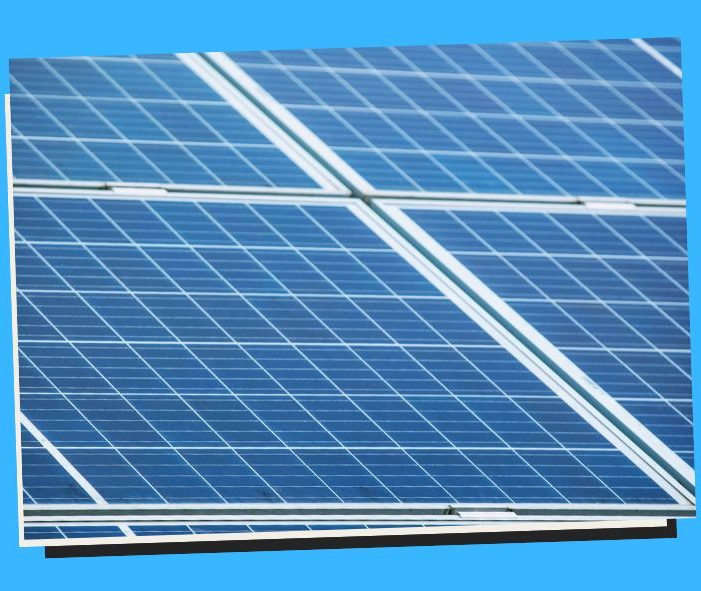
How Solar Startups are Bringing Light and Hope to Rural Philippine Communities
Discover how solar startups are revolutionizing life in the rural Philippines by providing clean, affordable energy to remote and off-grid island communities.
From Darkness to Development: The Rise of Rural Solar Energy Solutions
In the heart of the Philippine archipelago, thousands of communities still live with the reality of energy poverty. While the bright lights of Manila and Cebu never dim, remote barangays and isolated islands often rely on expensive kerosene lamps or noisy, polluting diesel generators. However, a new chapter is being written in the story of Philippine progress. Guided by a spirit of innovation and “Bayanihan,” solar startups are emerging as the unsung heroes of the rural landscape. These ventures are not just selling panels; they are shifting the narrative from struggle to possibility. At Lead Media News, we believe in spotlighting the innovations that shape a better future, and the rise of solar energy in the provinces is a prime example of Philippine resilience and ingenuity in action.
How Solar Startups Make an Impact in Rural Philippines
The impact of solar startups in the Philippines follows a strategic process of community integration and technological deployment. Here is a step-by-step look at how these organizations bring about tangible change.
Identifying Energy-Poor Clusters
Startups begin by mapping areas that are “unserved” or “underserved” by the main power grid. These are often mountainous regions or small island groups where extending traditional power lines is geographically difficult and financially unviable for large utility companies.
Developing Modular and Scalable Tech
Unlike massive solar farms, startups focus on “plug-and-play” systems. This includes solar home kits that can power a few LED bulbs and a phone charger, or microgrids that can support an entire village’s basic needs.
Implementing Inclusive Financing Models
Since upfront costs can be a barrier for rural families, startups often use “Pay-As-You-Go” models. Using mobile money platforms like GCash, residents can pay small daily or weekly installments that are often cheaper than what they previously spent on kerosene.
Training Local Solar Ambassadors
Sustainability depends on maintenance. Successful startups train local residents to become technicians. This creates jobs within the community and ensures that if a system needs a minor repair, help is just a few houses away.
Powering Productive Use of Energy
Beyond lighting, startups provide solar solutions for livelihoods. This includes solar-powered irrigation for farmers, refrigeration for fisherfolk to keep their catch fresh, and sewing machines for local artisans, directly boosting the local economy.
Enhancing Educational Opportunities
With reliable light, students in rural areas are no longer limited by the setting sun. Startups often partner with local schools to provide solar-powered digital labs, bringing the internet and modern learning tools to the most remote classrooms.
Improving Public Health and Safety
Solar energy eliminates the fire hazards and respiratory issues associated with indoor kerosene use. Additionally, solar-powered streetlights make rural pathways safer at night, fostering a more secure community environment.
Facilitating Digital Inclusion
By providing reliable charging stations, solar startups allow rural Filipinos to stay connected. This access to mobile networks enables them to participate in the digital economy, access telehealth, and stay in touch with relatives working abroad.
Promoting Environmental Stewardship
These startups act as educators, showing communities the benefits of clean energy. By reducing reliance on fossil fuels, they help preserve the natural beauty of the Philippine countryside for future generations.
Scaling Through Partnerships
Startups rarely work alone. They collaborate with NGOs, local government units, and private investors to secure the funding and logistical support needed to reach the next “last-mile” community.
Benefits
- Provides affordable access to electricity for off-grid families.
- Reduces household expenses by replacing costly kerosene and batteries.
- Enhances safety by reducing the risk of fire from open flames.
- Improves respiratory health by eliminating indoor smoke and fumes.
- Boosts educational outcomes by allowing students to study at night.
- Increases local income through solar-powered livelihood tools.
- Creates local employment for installation and maintenance technicians.
- Reduces the national carbon footprint by utilizing clean energy.
- Empowers women by providing safer environments and new business leads.
- Strengthens community resilience during natural disasters and grid outages.
Costing
The cost of implementing solar solutions in rural areas varies with the system’s scale. For a typical household, a basic solar home kit might cost between 5,000 and 15,000 Pesos. However, most startups offer microfinancing or installment plans, in which a family might pay as little as 10 to 20 Pesos per day. For larger community microgrids, costs can run into the hundreds of thousands or millions, usually funded through a mix of impact investments, government subsidies, and social enterprise grants. Maintenance costs are generally low, often requiring only simple cleaning and occasional battery replacements every few years.
Pros and Cons
Pros
- Source of infinite and free fuel from the sun.
- Low operational and maintenance costs once installed.
- Zero greenhouse gas emissions during operation.
- Can be deployed in areas where the grid cannot reach.
- Promotes energy independence for remote barangays.
- Quiet operation compared to loud diesel generators.
- Scalable systems that can grow with the user’s needs.
- Improves the overall quality of life and modernizes rural living.
- Reliable power source during typhoons when the main grids often fail.
- Encourages technological literacy among rural residents.
Cons
- High initial equipment and installation costs.
- Weather dependency as power generation drops on cloudy days.
- Limited energy storage capacity without expensive battery banks.
- Need for specialized technical knowledge for complex repairs.
- Potential environmental waste from old lead-acid or lithium batteries.
- Difficult logistics of transporting equipment to remote islands.
- Lack of consumer awareness or trust in new technologies.
- Limited power output compared to heavy-duty industrial grids.
- Potential for theft or vandalism of exposed solar panels.
- Fragility of panels against extreme weather events like super typhoons.
Case Studies
- A seaweed farmer in Palawan uses a solar kit to dry products faster and keep a radio on for weather updates.
- A mountain school in Cordillera installs a solar microgrid, allowing students to use tablets for the first time.
- An island community in Visayas replaces its expensive 4-hour daily diesel run with 24/7 solar power.
- A sari-sari store owner in Mindanao buys a solar refrigerator, increasing profits by selling cold drinks.
- A rural health clinic in Leyte uses solar power to keep vaccines at the correct temperature during outages.
- A weaving cooperative in Ilocos uses solar-powered lamps to continue production during the evening.
- A small village in Mindoro uses solar streetlights to reduce local crime and improve nighttime mobility.
- A group of OFWs invests in a “solar-for-home” startup to provide power for their families in the province.
- A coffee farmer in Benguet uses a solar-powered pump for more efficient irrigation during the dry season.
- A coastal town uses a solar-powered desalination plant to provide clean drinking water to residents.
Key Takeaways
- Solar startups are essential for reaching “last-mile” communities in the Philippines.
- Energy access is a primary catalyst for rural economic development and poverty reduction.
- Financial innovation, like pay-as-you-go, is as important as the technology itself.
- Local community involvement and training are critical for the long-term success of solar projects.
- Solar power improves health and safety by eliminating the need for hazardous fuels.
- Education is significantly enhanced when students have reliable light and digital tools.
- These startups contribute to the Philippines’ global commitment to renewable energy.
- Collaboration between the public and private sectors accelerates rural electrification.
- Small-scale solar solutions offer a resilient alternative to centralized power grids.
- Investing in solar energy is an investment in the dignity and potential of every Filipino.
Frequently Asked Questions
Do solar panels work when it is raining in the Philippines?
Yes, solar panels can still generate electricity on cloudy or rainy days, though their efficiency is reduced compared to direct sunlight.
Is solar power really cheaper than the regular grid?
In many rural areas where the grid is unavailable, solar is significantly cheaper than the alternative of diesel generators or kerosene.
How long do these solar kits typically last?
Most high-quality solar panels are rated to last 20 to 25 years, while batteries typically need replacement every 3 to 5 years.
Can a small solar kit power a television?
Yes, many modern solar home kits are designed to power high-efficiency LED TVs alongside lights and chargers.
What happens to the panels during a typhoon?
Startups often provide training on how to safely demount and store panels when a severe storm warning is issued.
Are there government incentives for solar startups?
Yes, the Philippine Renewable Energy Act provides various incentives to encourage the growth of clean energy businesses.
How do rural residents pay for these systems?
Most residents use mobile wallets or local bayad centers to make small, manageable installments.
Does solar power help the environment?
Absolutely, it reduces the reliance on fossil fuels and lowers the carbon footprint of rural communities.
Can solar energy be used for farming?
Yes, solar-powered irrigation and processing equipment are becoming increasingly popular in the Filipino agricultural sector.
How can I help support these initiatives?
You can support by investing in impact-driven startups, donating to NGOs focused on energy, or sharing these stories to raise awareness.
Conclusion
The journey toward a fully electrified Philippines is no longer a distant dream, thanks to the tireless work of solar startups. By bridging the gap between innovation and necessity, these organizations are proving that clean energy is not just a luxury for the urban elite but a fundamental tool for rural empowerment. As we see more lanterns being replaced by LED bulbs and more farmers utilizing the power of the sun, we see a nation that is truly leading with light. At Lead Media News, we invite you to join this movement of hope and progress. Whether you are an investor, a student, or a concerned citizen, your awareness helps write the next chapter of the Philippine story—one where every Filipino, regardless of how remote their home may be, has the power to shine. ☀️
Link Resources
- Department of Energy Philippines
- Sustainable Energy for All
- Renewable Energy Act of 2008
- International Renewable Energy Agency (IRENA)
- Asian Development Bank – Energy Sector
Key Phrases
- Solar startups in the Philippines
- Rural electrification projects
- Sustainable energy for Filipino communities
- Off-grid solar solutions
- Impact-driven journalism in the Philippines
- Clean energy transition
- Empowering rural farmers with solar
- Philippine renewable energy innovation
- Pay-as-you-go solar models
- Social enterprise in the Philippines
Best Hashtags
#SolarPhilippines #RenewableEnergy #RuralDevelopment #LeadMediaNews #SustainabilityPH #CleanEnergy #FilipinoInnovation #Bayanihan #GreenEconomy #SolarPower

Oliver Bugarin – A blog writer with over a decade of experience in WordPress website creation and management, and creating articles on lifestyle, travel, technology, business, finance, and wellness. He is known for producing clear, engaging articles that resonate with readers and add value to any blog or website.
Contact him for collaborations or content writing opportunities. Facebook – LinkedIn
.
Save/Share this story with QR CODE
Disclaimer
This article is for informational purposes only and does not constitute endorsement of any specific technologies or methodologies and financial advice or endorsement of any specific products or services.
Contact Lead Media News
📩 Feel free to Contact Lead Media News for suggestions, collaborations, reviews, or anything else.





