Beyond the Human Click: Selling to the Machines That Think for Us
Are you still optimizing for search engines? You’re behind. Marketing in 2026 is about epistemic confidence. Discover why AI assistants ignore glossy taglines and influencer hype in favor of white papers, case studies, and third-party validation, and how your brand can survive the AI filter.
The New Audience: Persuading the “Defensible Interpreter”
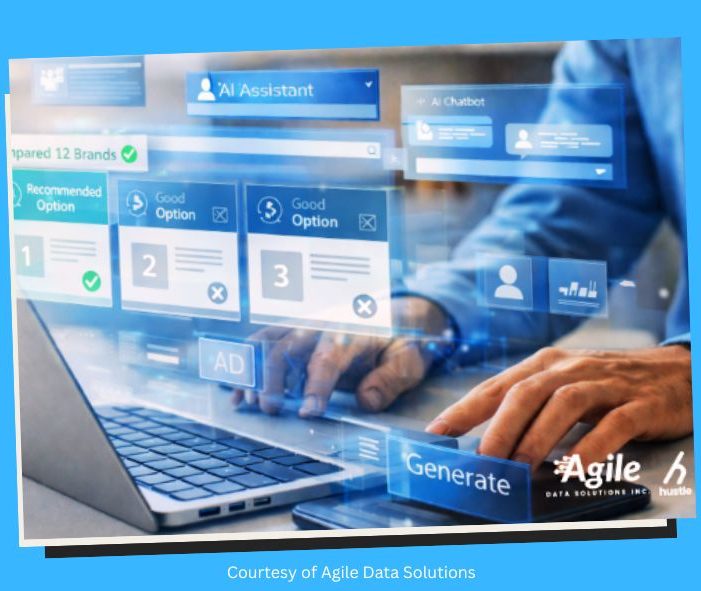
For 5,000 years, marketing was a game of human psychology. From Egyptian papyri to the era of Super Bowl ads, the goal was to link products to human emotions. But as Jason Gaguan points out, that model assumed humans were the primary decision-makers. In 2026, this assumption was shattered. Today, the “buying journey” often starts with a prompt: “What’s the best product for me?”
When a Large Language Model (LLM) answers that question, it isn’t swayed by a celebrity endorsement or a clever jingle. It acts as a highly analytical advisor that values coherence over charisma. To be the recommended choice, a brand must now be “defensible.” This means moving beyond SEO (Search Engine Optimization) and into the realm of what Gaguan calls epistemic confidence, ensuring that every claim your brand makes is documented, verifiable, and consistent across the web. 🤖📊
10 Benefits of Marketing to AI Systems
- Long-Term Authority: AI systems favor consistent, long-term data over temporary viral trends.
- Reduced “Noise” Costs: Focuses resources on high-quality evidence rather than expensive, short-lived ad campaigns.
- Higher Conversion: When an AI assistant recommends a product, it carries a high level of user trust.
- Data-Driven Strategy: Forces brands to actually improve their products to meet “defensible” standards.
- Global Consistency: AI synthesizes data globally, ensuring your brand message is stable across borders.
- Efficiency in Discovery: Being an AI’s “top pick” eliminates the need for users to scroll through pages of search results.
- Enhanced Credibility: AI favors third-party validation (reviews, research), which naturally builds brand trust.
- Bypassing Ad-Blockers: AI-generated recommendations are part of the conversation, not a blocked banner ad.
- Future-Proofing: Prepares brands for the “Agentic Era” where AI bots buy products on behalf of humans.
- Auditability: Creates a clear trail of “why” a brand is the best, making it easier to defend market share.
Pros and Cons of AI-First Marketing
| Pros | Cons |
| Focuses on truth and verifiable product quality. | Extremely difficult for new brands to break “established” AI consensus. |
| Reduces the effectiveness of deceptive “dark patterns” in marketing. | “Page Two” is dead; if the AI doesn’t mention you, you are invisible. |
| Rewards brands that invest in deep research and white papers. | Highly technical; requires a “research department” mentality. |
| Stabilizes brand identity through consistent messaging. | Emotional storytelling is pushed “downstream” in the funnel. |
| Increases the value of legitimate, independent third-party reviews. | AI models may have “drift” or biases that are hard for brands to correct. |
Case Studies: Selling to the System
- The “Data-First” Skincare Brand: Instead of influencer ads, they published a clinical white paper on their formula. In 2026, LLMs cited this paper as the “most evidence-backed” option for sensitive skin.
- The Defensible Car Launch: A manufacturer provided open-source safety testing data. AI assistants recommended them over “cooler” rivals because their claims were the most verifiable.
- The SEO Failure: A brand with millions of mentions but contradictory specs across its site was flagged as “unreliable” by AI interpreters.
- The B2B Pivot: A software firm traded its catchy slogans for a “Methodology Report.” Their lead gen spiked as AI assistants used the report to answer technical queries.
- The Consistency Trap: A fashion brand changed its messaging every season; LLMs struggled to find a “stable consensus” on its identity and stopped recommending it.
- The Third-Party Triumph: A small coffee roaster became a top AI pick because it was consistently cited in five high-authority independent “best of” lists.
- The Comparison Winner: An electronics brand provided a “Direct Comparison Tool” with verifiable specs. AI tools used this data to help users “decide” between competitors.
- The “Epistemic Confidence” Audit: A bank audited its online presence to ensure all fee disclosures were identical everywhere; its “trust rating” in AI summaries rose.
- The Narrative Shift: A travel agency stopped selling “dreams” and started selling “verified itineraries.” AI agents now book their tours automatically.
- The Research Reboot: A beverage company funded an independent study on hydration. The study became the “anchor source” for AI assistants recommending health drinks.
Key Takeaways
- The Audience Shift: Marketers are now selling to AI gatekeepers, not just human emotions.
- SEO vs. AI: SEO is for exposure; AI is for defensibility.
- Coherence is King: AI assistants ignore hype and prioritize stable, consistent messaging.
- Evidence-Based: White papers and third-party validations are the new “Madison Avenue.”
- Interpretation Over Ranking: You aren’t trying to rank; you’re trying to survive the AI’s “scrutiny.”
- Machine Trust: Humans trust machines to think for them; brands must earn the machine’s trust first.
- Auditability: Marketing is becoming a process of “auditing” brand claims for machine consumption.
- Downstream Emotion: Emotional engagement only happens after the machine allows the brand into the consideration set.
- Consensus Stability: AI seeks the “safest synthesis” of facts; contradiction is a brand killer.
- Research Infrastructure: Marketing departments must function more like research or documentation hubs.
FAQs
- Is SEO dead?
- No, but it has evolved into “Interpreter Optimization”, making your data machine-readable and defensible.
- Does emotional storytelling still matter?
- Yes, but only once the AI has recommended your brand to the human.
- What is “epistemic confidence”?
- It is the AI’s level of certainty that a brand’s claims are true and supported by consensus.
- How do I “sell” to ChatGPT?
- Provide structured, verifiable data and ensure your brand is cited by high-authority, independent sources.
- What does AI ignore?
- Superlatives like “The Best Ever,” glossy taglines without data, and influencer hype without evidence.
- Why is the “per-customer” rule mentioned?
- In a separate context, it shows how systems (like banks) are also using AI to scrutinize patterns over individual acts.
- Can I “buy” AI recommendations?
- Not through traditional ads. You “buy” them through investment in credibility and data transparency.
- What is a “defensible claim”?
- A claim that remains true when checked against multiple independent sources.
- What if my brand is small?
- Small brands can win by being the “most cited” in a specific niche or by providing the most transparent data.
- Why 2019?
- It represents the “pre-AI” era, where human-centric, emotion-only marketing reached its peak before the LLM shift.
Conclusion
As Jason Gaguan concludes, the future of marketing may feel uncomfortable for those used to the “Mad Men” era. The transition from “affective persuasion” to “auditability” means that brands can no longer hide behind flashy identities. In 2026, your brand is what the machines say it is. Those who embrace the shift from slogans to science will find that they aren’t just selling a product, they are winning the trust of the systems that now run the world. 🧠💡
Link Resources
- Agile Data Solutions
- Jason Gaguan on AI-Powered Research (Podcast)
- The Rise of Agentic Marketing (2026 Report)
- Hustle PH: Scaling Consumer Data
- MIT Technology Review: Marketing to Machines
Key Phrases
- Selling to AI gatekeepers 2026
- Jason Gaguan Agile Data Solutions marketing
- Epistemic confidence in brand marketing
- Marketing to Large Language Models LLM
- From SEO exposure to AI defensibility
- Why brand coherence matters for AI
- Marketing as an audit of brand claims
- Selling to the systems people trust
- Agile Data Solutions consumer modeling
- Madison Avenue vs Research Department marketing
Best Hashtags
#AIMarketing2026 #JasonGaguan #AgileDataSolutions #B2BMarketing #LLMStrategy #DigitalTransformation #FutureOfMarketing #ConsumerInsights #TechTrends2026 #BrandDefensibility

Oliver Bugarin – A blog writer with over a decade of experience in WordPress website creation and management, and creating articles on lifestyle, travel, technology, business, finance, and wellness. He is known for producing clear, engaging articles that resonate with readers and add value to any blog or website.
Contact him for collaborations or content writing opportunities. Facebook – LinkedIn
.
Save/Share this story with QR CODE
Disclaimer
This article is for informational purposes only and does not constitute endorsement of any specific technologies or methodologies and financial advice or endorsement of any specific products or services.
Contact Lead Media News
📩 Feel free to Contact Lead Media News for suggestions, collaborations, reviews, or anything else.





