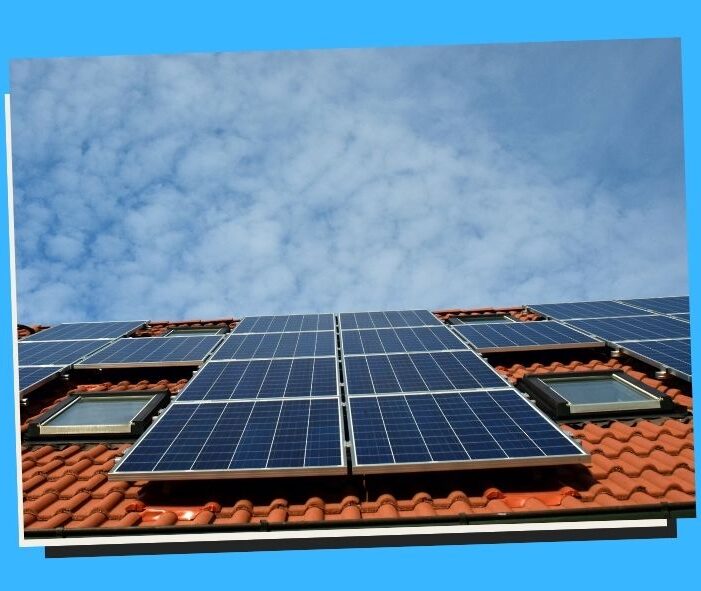
Solar Startups Power Hope in the Philippines’ Remote Islands
Discover how solar power startups are transforming life on remote islands across the Philippines.
☀️ Solar Power Startups Bringing Light to Off-Grid Islands: A Bright Future for Remote Communities
Imagine living on an island so beautiful it looks like a postcard—crystal blue waters, golden sands, and lush greenery. Now, imagine the sun goes down, and everything turns pitch-black. That’s the reality for many off-grid islands in the Philippines and other archipelagic nations. But here’s the twist: the same sun that lights up the day can now power the night, thanks to solar power startups.
Across the Philippines and Southeast Asia, innovative startups are helping to illuminate the lives of remote communities that have never experienced 24/7 electricity. These changemakers are not just bringing light—they’re empowering education, health, and economic growth. 🌞💡
In this blog, we’ll explore how these startups work, how to bring solar energy to your island or barangay, and why this movement is more than just electricity—it’s a revolution. Let’s dive in!
🌍 The Off-Grid Challenge
More than 2 million Filipinos live on islands or in mountainous areas without access to grid electricity. Diesel generators are expensive, unreliable, and bad for the environment. The need for a clean, affordable, and sustainable energy source has never been more urgent.
Why Grid Power Doesn’t Reach:
- 🛥️ Geographic isolation
- 🏔️ Inaccessible terrain
- 💸 High infrastructure costs
- ⚡ Frequent power outages
- 🛢️ Reliance on imported fuel
🚀 Enter Solar Power Startups
Solar power startups combine renewable energy tech, affordable financing, and community-based models to bring sustainable light and power to off-grid islands. These businesses are lean, scalable, and committed to energy equity.
Let’s break down how they do it and how you can too!
🔧 How-to Guide: Bringing Solar to an Off-Grid Island
✅ Step 1: Assess the Energy Needs
Start by surveying how much electricity is required:
- 🏠 Households (lighting, fans, phone charging)
- 🏫 Schools (computers, lights)
- 🏥 Health clinics (refrigeration, equipment)
- 🧵 Livelihood (fishing, farming tools, sewing machines)
Tip: Use simple questionnaires or energy audit apps.
✅ Step 2: Identify the Right Solar Solution
Depending on size and budget, options include:
- ☀️ Solar Home Systems – For individual households
- 🌞 Mini-Grids – Central solar panels + batteries for communities
- ⚡ Hybrid Systems – Solar + diesel backup for higher loads
Startups like:
🔋 Solar Philippines, WattSmart, Hybrid Social Solutions, HiGi Energy
✅ Step 3: Engage with a Startup Partner
Most solar startups offer:
- Free site assessments
- Tech and installation support
- Financing or pay-as-you-go models
- Maintenance services
Reach out via websites or social media. Many focus on partnerships with LGUs and NGOs.
✅ Step 4: Finance the Project
Options include:
- 💰 Community savings cooperatives
- 🏦 Microfinance and loans
- 🤝 NGO grants or CSR programs
- 📶 Pay-as-you-go via mobile payments (GCash, SmartPadala)
✅ Step 5: Community Training and Handover
Tech is only half the battle—empowering locals is the key to long-term success:
- Train local technicians
- Educate families on energy use
- Create community energy committees
Startups often offer digital training modules or send field educators.
⚙️ The Role of Startups in the Solar Ecosystem
Solar power startups don’t just install panels. They build ecosystems:
🔌 1. Affordable Tech
Smaller panels, modular batteries, and efficient inverters customized for island use.
📲 2. Mobile Integration
Pay-as-you-go billing, remote monitoring, and SMS-based troubleshooting.
🌱 3. Circular Economy
Recycling programs for panels and batteries.
🧑🔧 4. Community Employment
Training island residents to become installers and energy entrepreneurs.
🌟 Benefits of Solar Startups for Island Communities
- 🌞 24/7 Reliable Power
No more blackouts or waiting for the generator to start. - 🎓 Boost in Education
Students can study at night; schools use computers and lights. - 🏥 Improved Healthcare
Clinics can refrigerate vaccines, operate after dark, and use diagnostic tools. - 💼 New Livelihoods
Fishermen freeze catch, stores open late, and entrepreneurs use sewing and baking equipment. - 💸 Lower Energy Costs
Say goodbye to ₱100/day diesel bills—solar is practically free after setup. - 🌱 Eco-Friendly
Zero emissions, less noise, and no fuel transport. - 🧑🤝🧑 Community Empowerment
Training locals creates skilled jobs and ownership. - 📡 Digital Inclusion
Power enables mobile charging, TV, radios, and even internet routers. - 🔧 Scalable Tech
Systems grow as the community grows—add more panels, batteries, or users. - 📉 Disaster Resilience
Solar mini-grids stay online even when the national grid fails.
📲 Smart Technologies Behind the Scenes
Startups are leveraging modern tools to optimize performance:
- IoT Devices: Monitor energy use in real-time.
- Cloud Dashboards: Predict outages and track consumption.
- Mobile Payments: Bill by SMS, GCash, or QR codes.
- Remote Support: Troubleshoot via app or messenger.
🛠️ How You Can Start a Solar Project on Your Island
🔍 Step-by-Step Checklist:
| Task | Status |
|---|---|
| ✔ Assess power needs | ⬜ |
| ✔ Identify startup partner | ⬜ |
| ✔ Conduct a site survey | ⬜ |
| ✔ Choose system type | ⬜ |
| ✔ Arrange financing | ⬜ |
| ✔ Plan community training | ⬜ |
| ✔ Install and test system | ⬜ |
| ✔ Monitor and maintain | ⬜ |
✅ Pros of Solar Power for Off-Grid Islands 🚀
- Renewable Energy Source ♻️
– The sun is free and abundant year-round in tropical areas. No need to import fuel. - Lower Electricity Costs 💰
– After initial setup, solar energy is practically free, slashing household and barangay energy bills. - Minimal Environmental Impact 🌿
– Unlike diesel generators, solar power produces zero emissions and no noise pollution. - Independence from Fossil Fuels ⛽
– Reduces reliance on unpredictable and expensive fuel supply chains. - Job Creation 👷♂️
– Startups train locals for installation and maintenance, creating new employment opportunities. - Scalability 📦
– Systems can start small (like home kits) and scale up to entire island microgrids. - Increased Productivity 📈
– With power at night, students study longer, stores stay open, and health centers operate 24/7. - Empowers Local Economies 💼
– Cold storage, electric boats, and digital connectivity all become viable with stable power. - Disaster Resilience 🌪️
– Solar systems with batteries offer backup power during typhoons and blackouts. - Technology Integration 📱
– Some systems come with smart meters, mobile payments, and energy monitoring apps.
❌ Cons or Challenges Facing Solar Startups ⚠️
- High Upfront Costs 💸
– Panels, inverters, batteries, and logistics can be expensive to deploy in remote areas. - Intermittent Sunlight ☁️
– Cloudy days and rainy seasons can reduce solar energy output. - Maintenance Requirements 🧰
– Dust, wear-and-tear, and battery degradation need regular attention. - Battery Storage Limitations 🔋
– Current battery tech can be costly and short-lived. - Financing Barriers 🧾
– Not all families or LGUs can afford even installment-based systems. - Regulatory Hurdles 🏛️
– Permits, tariffs, and policies can slow down deployment. - Island Logistics 🚤
– Transporting panels and equipment to remote islands is challenging and costly. - Technical Skills Gap 🧑🔧
– Skilled workers to install and maintain solar tech may be lacking locally. - Grid Integration Complexity ⚙️
– Synchronizing solar systems with existing microgrids or backup diesel can be tricky. - Security Issues 🛡️
– Theft of panels and batteries is a concern in some areas.
📚 Inspiring Case Studies of Solar Power Startups in the Philippines 🧪
1. SolarSolutions Inc. – Culion, Palawan 🏝️
Installed solar streetlights and home systems across Culion, providing light to hundreds of homes that were once in total darkness.
2. WattSmart – Tawi-Tawi ☀️
Created portable solar kits for fishing villages, powering lamps, radios, and mobile phones.
3. Hybrid Social Solutions – Mindoro 🔋
Uses a pay-as-you-go model to bring solar lanterns and small systems to IP (Indigenous People) communities.
4. SunSmart – Polillo Islands 🌅
Installed a community-based solar microgrid with battery backup, powering homes, a school, and a clinic.
5. Liter of Light – Bohol and Basilan 💡
Turned plastic bottles and solar LEDs into light sources for homes and streets — affordable and eco-friendly.
6. WeGen – Sulu Archipelago 🔌
Partnered with LGUs to deploy solar systems for local health units and day care centers.
7. One Renewable Energy – Romblon 📦
Focused on modular solar installations for small islands, promoting local ownership and management.
8. Greenergy Solar – Siquijor 🌴
Provided solar home systems for resorts and residential areas, reducing diesel dependency.
9. Stiftung Solarenergie – Northern Samar 🧑🏫
Trained local technicians while installing solar systems in barangays with zero electricity.
10. TECH4ED Solar Centers – Zamboanga Peninsula 🖥️
Powered digital education hubs in off-grid barangays through solar energy, merging tech and education.
🧠 Key Takeaways from the Solar Revolution 🌟
- Solar power is bridging the rural energy divide.
- Startups are making energy solutions more accessible and community-driven.
- Off-grid islands are ideal testbeds for solar innovation.
- Beyond lighting, solar enables healthcare, education, and business growth.
- Job creation is a powerful ripple effect of solar projects.
- Affordability and scalability are crucial for long-term success.
- Battery tech still needs improvement for 24/7 power.
- Partnerships with LGUs and NGOs enhance project sustainability.
- Local training ensures system maintenance and community ownership.
- The future of rural electrification is bright — and solar-powered.
❓ Frequently Asked Questions (FAQs) with Answers 🧐
1. Why is solar energy a good fit for off-grid islands?
🔸 Because the Philippines gets abundant sunshine and many islands are far from the national grid, solar energy is a sustainable, cost-effective solution.
2. What is a solar microgrid?
🔸 A small-scale power grid that can operate independently, usually made of solar panels, inverters, and batteries.
3. Can solar systems power an entire barangay?
🔸 Yes, with proper sizing and storage, microgrids can supply whole communities with enough energy for homes, clinics, and schools.
4. What’s the lifespan of a solar panel?
🔸 Most panels last 20–25 years, while batteries usually last 5–10 years, depending on quality and usage.
5. How much does a basic solar home system cost?
🔸 Between ₱5,000 to ₱30,000, depending on size and components. Some startups offer monthly installment plans.
6. What happens during cloudy days or at night?
🔸 Battery storage kicks in to supply power when sunlight is unavailable. Hybrid setups may include diesel backup.
7. Are there government incentives for solar startups or users?
🔸 Some LGUs and agencies offer subsidies, tax incentives, or partnerships. DOE and DOST have pilot programs.
8. How are solar startups funded?
🔸 Through private investors, impact funds, international grants, and crowdfunding platforms.
9. Can locals be trained to maintain solar systems?
🔸 Absolutely. Many startups include technician training to ensure long-term operation and local job creation.
10. How can I support solar power in off-grid areas?
🔸 Donate to solar-focused NGOs, support responsible startups, or share awareness on social media! 📣
🌍 Final Thoughts: Lighting the Way Forward 🌅
The Philippines is not just an archipelago — it’s a land of potential. By harnessing the sun, solar startups are transforming darkness into opportunity, giving families the power to read at night, refrigerate food, or run a business. 💡
These aren’t just electrification projects — they’re empowerment movements. Each panel installed is a promise of progress. 🌞🏠
If we continue to invest in clean, community-powered solutions, every remote island can have a brighter, greener, and more independent future. 🌿🇵🇭
🔗 Resource Links
- Solar Philippines
- SunAsia Energy
- DOE – Off-Grid Electrification
- UNDP – Renewable Energy in the Philippines
- Shell LiveWIRE Philippines – Energy Startups
- ADB Clean Energy Projects
- Liter of Light Global Movement
- Greenpeace Philippines – Solar Solutions
🔑 Key Phrases
- solar power for islands
- off-grid solar startups
- energy for remote communities
- clean energy in the Philippines
- solar-powered villages
- rural electrification Philippines
- sustainable island energy
- solar innovation startups
- Filipino energy startups
- renewable energy for off-grid areas
📲 Best Hashtags
#SolarPowerPH
#OffGridSolutions
#LightUpTheIslands
#CleanEnergyNow
#RenewablePH
#SolarForAll
#IslandElectrification
#SustainableIslands
#GreenEnergyPH
#FilipinoInnovation

Oliver Bugarin – A blog writer with over a decade of experience in WordPress website creation and management, and creating articles on lifestyle, travel, technology, business, finance, and wellness. He is known for producing clear, engaging articles that resonate with readers and add value to any blog or website.
Contact him for collaborations or content writing opportunities. Facebook – LinkedIn
.
Save/Share this story with QR CODE
Disclaimer
This article is for informational purposes only and does not constitute endorsement of any specific technologies or methodologies and financial advice or endorsement of any specific products or services.
Contact Lead Media News
📩 Feel free to Contact Lead Media News for suggestions, collaborations, reviews, or anything else.





