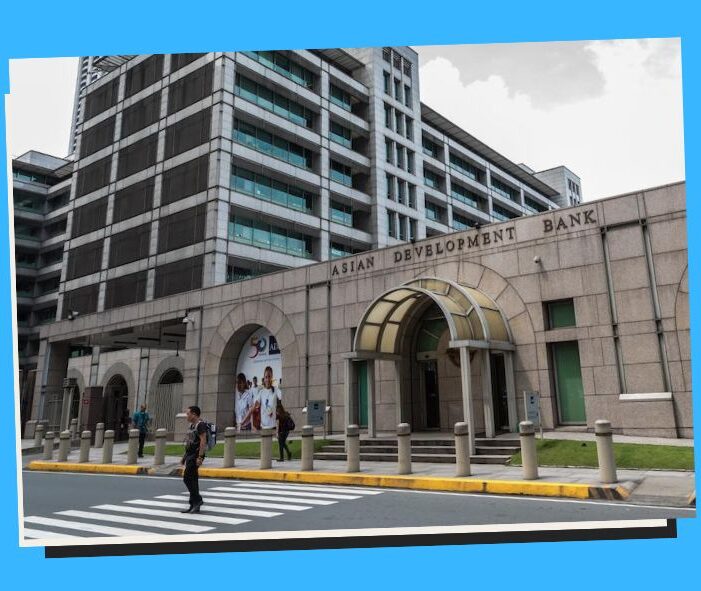
The ADB is Betting Big on the Philippines. Here’s What Their $400M Loan is For
The DSWD’s “Walang Gutom” program gets a huge boost from the ADB. See how electronic vouchers and nutrition education will build a stronger nation.
Beyond Aid: A $770-M Investment in the Future of Every Filipino
A nation’s true progress is not measured by the height of its skyscrapers, but by the strength of its foundation: its people. Today, here in the Philippines, that foundation is being fortified with a monumental investment in human dignity and potential. The Asian Development Bank (ADB), along with key international partners, has approved a massive financing package to expand the government’s flagship “Walang Gutom (Zero Hunger) Food Stamp Program.” This is not just news about a loan; it’s a headline that speaks of hope, strategy, and a future where no Filipino is left behind.
This initiative, backed by a combined USD770 million, is a powerful, multi-faceted strategy to tackle the deep-rooted issues of hunger, food insecurity, and poor nutrition. It represents a paradigm shift from traditional aid to a modern, technology-driven social protection system designed for empowerment and resilience. For business owners, marketers, students, and every Filipino, this is a pivotal moment that will create ripples of positive change across our society and economy. Let’s unpack what this landmark project truly means for the nation. 🇵🇭
A Deeper Look: The Anatomy of the “Walang Gutom” Program
This is far more than a simple food distribution plan. The “Reducing Food Insecurity and Undernutrition with Electronic Vouchers Project” is a sophisticated and compassionate strategy with several key components.
1. The Financial Muscle: At the core is a USD400 million loan from the ADB, a long-standing partner in the Philippines’ development journey. This is powerfully augmented by co-financing from two other major international bodies: a loan of 200 million euros (approximately USD220 million) from the Agence Française de Développement (AFD) and USD150 million from the OPEC Fund for International Development. This coalition of support signifies immense global confidence in the program’s design and the Philippine government’s ability to execute it. The total financing of USD770 million will enable the delivery of monthly support to 750,000 food-insecure households nationwide.
2. The Modern Mechanism: Electronic Vouchers The program utilizes electronic food vouchers, a crucial technological leap. Instead of physical goods or cash, beneficiaries receive digital credits, often through a card similar to an ATM card. This modern approach has several profound advantages:
- Dignity and Choice: It empowers families to purchase the food that best suits their needs from accredited local retailers, rather than receiving a pre-determined food pack.
- Efficiency and Transparency: It drastically reduces the logistical costs and complexities of packing and distributing physical goods, while creating a clear digital trail that minimizes leakage and enhances accountability.
- Local Economic Stimulus: The money is spent directly in local markets and stores, boosting the income of small and medium enterprises within the community.
3. Beyond Sustenance: The Empowerment Component This is perhaps the most critical part of the program’s design. It is not a passive “dole-out.” Beneficiaries are required to attend monthly sessions focused on promoting positive nutrition-related behaviors. This educational component addresses the knowledge gap, teaching families about healthy diets, meal preparation, and maternal and child nutrition. It transforms the program from one of simple sustenance to one of sustainable empowerment, tackling the root causes of malnutrition and poverty.
4. Building for the Future: A Shock-Responsive System The project also aims to strengthen the government’s systems for “shock-responsive social protection.” For an archipelago frequently visited by typhoons and other natural disasters, this is a game-changer. It means building a robust infrastructure that can quickly identify and deliver assistance to households affected by sudden economic shocks or calamities, ensuring that help arrives when it is needed most. This is a proactive investment in national resilience.
10 Key Benefits of This Strategic Investment
The impact of this program will extend far beyond the dinner table.
- Reduced Hunger and Malnutrition: Directly addresses the immediate nutritional needs of the most vulnerable families.
- Improved Health and Education Outcomes: Well-nourished children perform better in school and have stronger immune systems.
- Stimulated Local Economies: Every voucher spent is revenue for a local sari-sari store, market vendor, or grocer.
- Empowered Filipino Households: Provides dignity, choice, and crucial knowledge about health and nutrition.
- Strengthened Human Capital: A healthier, better-nourished population is more productive and innovative, driving long-term economic growth.
- Enhanced National Resilience: Builds a system that can respond swiftly and effectively to natural disasters and crises.
- Increased Financial Inclusion: Introduces many families to formal digital payment systems for the first time.
- Strengthened Social Fabric: Demonstrates a collective commitment to caring for the most vulnerable members of society.
- Positive International Standing: Showcases the Philippines as a responsible and capable partner in executing large-scale development projects.
- A Foundation for Poverty Reduction: Tackles a fundamental barrier (hunger) that prevents families from escaping the poverty cycle.
10 Actionable Tips for Community Engagement
This national project is an opportunity for everyone to contribute.
- Business Owners: Align your Corporate Social Responsibility (CSR) initiatives with nutrition and food security programs in your local community.
- Marketing Professionals: Volunteer your skills to help non-profits or LGUs develop effective communication campaigns for the nutrition education sessions.
- Local Retailers: If eligible, look into becoming an accredited merchant for the electronic food voucher program to serve your community and grow your business.
- Tech Students & Professionals: Innovate! Develop apps or systems that could support social protection programs, such as tools for nutritional information or financial literacy.
- Educators: Integrate lessons on nutrition, food security, and the importance of social protection into your curriculum.
- Community Leaders: Help disseminate accurate information about the “Walang Gutom” program to combat misinformation and ensure eligible families are aware of it.
- Every Filipino: Fight the stigma associated with receiving social assistance. Support your neighbors and recognize that these programs are a ladder, not a handout.
- Health Workers: Actively participate in the nutrition education sessions to share your expertise and empower beneficiaries with life-saving knowledge.
- Journalists and Content Creators: Create stories that highlight the human impact of the program, sharing testimonials of how it is changing lives.
- Farmers and Food Producers: Explore ways to connect your produce to the local markets that will be supported by this injection of purchasing power. 🧑🌾
Insights into the Program’s Significance
Looking deeper, here are some expert takeaways on this landmark initiative.
- A Shift from Safety Net to Springboard: This program’s design, combining aid with education, reframes social protection not just as a safety net to catch people who fall, but as a springboard to help them bounce back stronger.
- Digitalization as a Tool for Good Governance: The use of e-vouchers represents a significant step in the digitalization of Philippine social services. It is a powerful tool for improving efficiency, transparency, and accountability.
- This is Counter-Cyclical Economic Policy: Injecting purchasing power into the hands of low-income households, who have a high propensity to spend, acts as a direct and immediate stimulus to the grassroots economy.
- The Power of Blended Finance: The co-financing model with ADB, AFD, and the OPEC Fund is a prime example of blended finance, where different development partners pool resources to tackle systemic issues that no single entity could solve alone.
- Behavioral Science in Action: The mandatory nutrition sessions are a direct application of behavioral science, recognizing that changing long-term outcomes requires changing habits and knowledge, not just providing resources.
- A Down Payment on Future Productivity: Investing in the nutrition of children and pregnant mothers today yields immense returns in the future through better health, higher educational attainment, and increased lifetime earnings.
- The Pilot Program Was Crucial: The successful pilot test run by the DSWD and the World Food Programme from 2023 to 2024 provided the essential “proof of concept” needed to secure this massive international funding.
- Resilience is an Economic Imperative: Building a shock-responsive system isn’t just a social good; it’s an economic imperative. It minimizes the devastating economic impact of disasters, allowing for faster recovery.
- This Complements Existing Programs: The “Walang Gutom” program is designed to work alongside other initiatives like the Pantawid Pamilyang Pilipino Program (4Ps), creating a more comprehensive social protection ecosystem.
- A Vote of Confidence in the DSWD: The willingness of three major international funders to back this project is a strong vote of confidence in the institutional capacity of the Department of Social Welfare and Development to manage and implement it effectively. 💪
Frequently Asked Questions (FAQ)
1. Who is eligible to be a beneficiary of the “Walang Gutom” Program?
The DSWD determines eligibility based on data identifying food-insecure households, typically those living below the food poverty line.
2. How does an electronic food voucher work?
Beneficiaries receive a card, similar to a debit card, which is loaded with a specific amount of money each month. They can use this card at accredited local stores to buy approved food items.
3. What kinds of food can be purchased with the vouchers?
The program is designed to promote nutrition, so vouchers are typically used to buy nutritious food items like rice, vegetables, fruits, eggs, and other essentials, while discouraging the purchase of junk food or sugary drinks.
4. How is this different from the 4Ps program?
While both are social assistance programs, 4Ps is a conditional cash transfer focused on health and education for children. The “Walang Gutom” Food Stamp Program is specifically targeted at alleviating food insecurity and malnutrition for the entire household. The two can be complementary.
5. Is this just a temporary solution?
The program is designed with long-term impact in mind. The combination of immediate food access with nutrition education aims to create sustainable change in household behaviors, empowering them to break the cycle of malnutrition.
6. Where does the money from the loan go?
The funds will be used to finance the value of the electronic vouchers distributed to the 750,000 households and to support the operational costs of implementing the program, including the nutrition sessions and system enhancements.
7. How will the program be monitored to prevent fraud?
The digital nature of e-vouchers provides a high level of transparency. All transactions are electronically recorded, making it easier to monitor, detect irregularities, and ensure the aid reaches the intended beneficiaries.
8. What is the role of the World Food Programme (WFP)?
The WFP partnered with the DSWD on the successful pilot program, providing technical expertise and support in designing and testing the e-voucher system, drawing from their global experience in fighting hunger.
9. What does “shock-responsive social protection” mean in practice?
It means having a database and a delivery system (like the e-vouchers) in place that can be quickly scaled up or activated to send aid to families in a specific area hit by a typhoon, flood, or other crisis, often within days instead of weeks.
10. How can my organization support this initiative?
You can partner with local DSWD offices or non-governmental organizations involved in the implementation, particularly in supporting the nutrition education component or by helping local businesses become accredited merchants.
Conclusion: Building a Future Free From Hunger
The “Walang Gutom” Food Stamp Program, fortified by this historic international partnership, is more than a policy; it is a promise. It is a promise that every Filipino family deserves to live with dignity. It is a promise that our nation’s children will have the nutrition they need to learn, grow, and dream. And it is a promise that we are building a more resilient, compassionate, and prosperous Philippines for all.
This is a strategic investment in our shared future. It is a testament to the power of collaboration, innovation, and a government that places the well-being of its people at the very heart of its agenda. This is how we build a stronger nation: one empowered family, one healthy child, and one hopeful community at a time.
Link Resources
- Asian Development Bank (ADB) Philippines
- Department of Social Welfare and Development (DSWD)
- World Food Programme (WFP) in the Philippines
- Agence Française de Développement (AFD) in the Philippines
- The OPEC Fund for International Development
Key Phrases
- Walang Gutom Food Stamp Program
- Philippine social protection
- ADB loan Philippines
- Electronic food vouchers
- Food security in the Philippines
- DSWD nutrition program
- Shock-responsive social protection
- Poverty reduction Philippines
- International development partnership
- Human capital investment
10 Relevant Hashtags:
- #WalangGutomPH
- #FoodSecurityPH
- #DSWD
- #ADBPH
- #InvestInFilipinos
- #EndHungerPH
- #SocialProtectionPH
- #Philippines
- #ParaSaBayan
- #NutritionPH

Oliver Bugarin – A blog writer with over a decade of experience in WordPress website creation and management, and creating articles on lifestyle, travel, technology, business, finance, and wellness. He is known for producing clear, engaging articles that resonate with readers and add value to any blog or website.
Contact him for collaborations or content writing opportunities. Facebook – LinkedIn
.
Save/Share this story with QR CODE
Disclaimer
This article is for informational purposes only and does not constitute endorsement of any specific technologies or methodologies and financial advice or endorsement of any specific products or services.
Contact Lead Media News
📩 Feel free to Contact Lead Media News for suggestions, collaborations, reviews, or anything else.





